
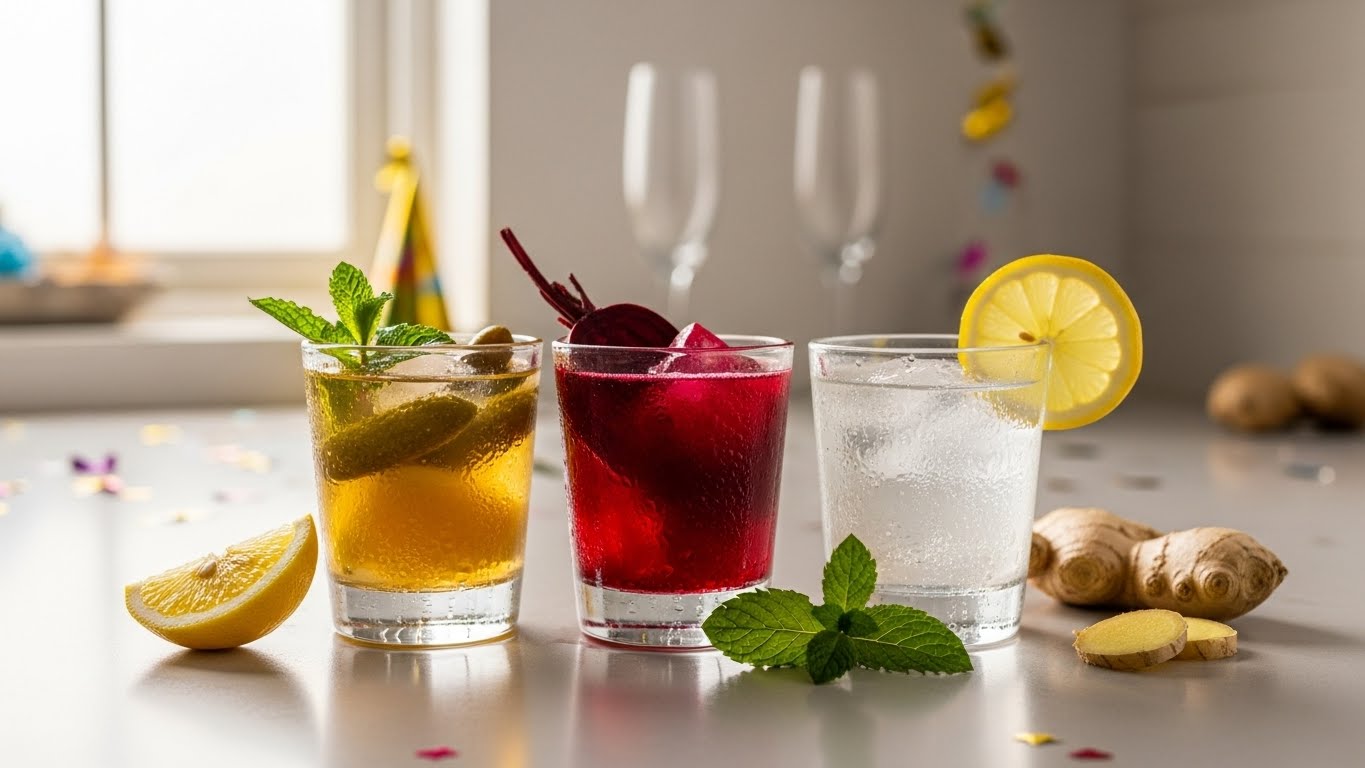
The answer: what a “hangover detox drink” really is
Experience + trust upfront: After years of writing and testing practical “next-day recovery” routines for readers across India (from college hostel parties to corporate New Year bashes), one thing stays consistent: most people don’t need a miracle pill—they need a repeatable recovery plan they can follow while half-awake. This guide is written for that exact moment.
The answer is: a hangover detox drink is a beverage strategy designed to help your body recover from alcohol’s aftereffects by supporting hydration, electrolytes, gut comfort, and (indirectly) liver processing—without pretending to “detox” alcohol instantly. It’s not magic, and it won’t erase binge drinking, but it can make your January 1 morning noticeably more manageable when done correctly.
If you partied on 31st night—maybe a house party, a club night, or that “just two drinks” that turned into five—you already know the hangover isn’t just a headache. It’s a full-body complaint: nausea, sour stomach, anxiety, fatigue, dry mouth, racing heart, and brain fog. In India, it gets more complicated because New Year’s often means a mix of alcohol styles (beer + rum + cocktails), spicy foods, late-night smoking for some, and very little water.
Here’s the real problem: most “hangover cure” advice online is either too generic (“drink water”) or too extreme (“take this supplement stack”). On January 1 morning, you don’t want a lecture—you want something you can sip.
This is where fermented tonics can help. Fermented drinks won’t instantly neutralize alcohol. But they can:
- Be easier to drink than plain water when you feel nauseous.
- Offer gentle acidity and carbonation (for some people) that settles the stomach.
- Provide small amounts of electrolytes and organic acids depending on the drink.
- Support gut comfort—especially if alcohol and late-night oily food left you bloated.
Important reality check: Alcohol breaks down into acetaldehyde (a toxic intermediate), and hangover symptoms are influenced by dehydration, inflammation, poor sleep, congeners (especially dark spirits), and gut irritation. No drink can “cancel” all of that. What you can do is reduce suffering and recover faster with a smart sequence.
In this article, you’ll learn:
- What to look for in a hangover detox drink (and what to avoid).
- The pros and cons of using fermented drinks the morning after.
- Three fermented tonic recipes you can make with ingredients commonly available in India.
- A step-by-step “Jan 1 recovery protocol” that fits real life.
- Risks, who should avoid these drinks, and how to decide what’s right for you.
If you’re looking for a homemade hangover cure that feels practical—not preachy—this is built for you.
Why Jan 1 hangovers feel worse (and what your body is doing)
Experience + authority: Over the years, the most common January 1 message from readers is: “This hangover is different… why am I feeling anxious and sick, not just tired?” That pattern isn’t random.
The answer is: New Year’s hangovers hit harder because you usually combine late-night sleep loss + mixed alcohol + salty snacks + dehydration, which amplifies symptoms. Google has repeatedly shown that “hangover cure” interest surges on January 1, which matches what people experience globally after New Year’s Eve celebrations.
What’s happening inside your body (simple explanation)
Think of your body like a busy municipal cleaning team. Alcohol is the “trash truck” that came in at midnight, dumped a huge load, and now your cleaners (liver enzymes) are overwhelmed.
Key mechanisms:
- Dehydration + electrolyte loss: Alcohol makes you pee more. Less water and minerals = headache, weakness, cramps, dizziness.
- Gut irritation: Alcohol inflames your stomach lining. That’s why you feel acidic, nauseous, and can’t even look at food.
- Acetaldehyde stress: Alcohol becomes acetaldehyde before it becomes acetate. This step is associated with many “poisoned” feelings.
- Inflammation + poor sleep: Even if you slept 7 hours, alcohol fragments sleep quality. You wake up unrefreshed and foggy.
Quick decision-making tip
If you woke up on Jan 1 and you’re wondering, “Should I eat first or drink first?”:
The answer is:
- If you feel nauseous, start with small sips of a hangover detox drink and bland foods later.
- If you feel shaky and weak, start with hydration + electrolytes, then add carbs (banana, toast, poha).
- If you feel acidic, avoid very sour drinks for the first 30 minutes and start with room-temperature water.
Mini case story
A Pune-based IT professional (client-style example from a reader’s story) described a classic Jan 1 morning: whiskey + beer at a friend’s flat, slept at 3:30 AM, woke at 9:00 AM with a pounding head and “stone stomach.” Plain water triggered nausea, but a mild salty-sour drink in small sips helped him keep fluids down until he could eat. That’s the real advantage of the right hangover detox drink: it gets hydration started when your body resists it.
What makes a hangover detox drink effective (and what’s marketing)
Expertise + trust: In wellness writing, “detox” is often abused. This section is intentionally straightforward so you can make good choices in Indian conditions (heat, travel, spicy food, limited ingredients on holidays).
The answer is: a useful hangover detox drink focuses on rehydration, electrolytes, and stomach comfort, not dramatic “cleanse” claims.
The 5 must-have properties
A good hangover detox drink usually includes at least 2–3 of these:
- Water base: You need volume, not just “shots.”
- Electrolytes: Sodium + potassium are key; magnesium helps some people.
- Gentle carbs: A little glucose can improve fluid absorption.
- Acidity (optional): Lemon/fermented acidity can help nausea for some, but can worsen reflux for others.
- Digestive support: Ginger, cumin, mint, or diluted fermented drinks can be soothing.
The “avoid this on Jan 1” list
The answer is: avoid anything that increases dehydration, acidity, or gut stress.
- More alcohol (“hair of the dog”): can delay recovery.
- Very high caffeine: may worsen anxiety and dehydration.
- Ultra-sour empty stomach bombs: pure vinegar shots can irritate gastritis.
- Unpasteurized experiments you don’t trust: Jan 1 is not the day to test a risky ferment.
Fermented drinks: why they’re worth considering
Fermented drinks (like kombucha, water kefir, kanji, beet kvass, or even fermented pickle brine) are interesting for hangovers because they can be:
- Easier to sip than plain water.
- Flavorful enough to keep you drinking fluids.
- Supportive for the gut if tolerated.
But they’re not perfect:
- Some are acidic and can worsen reflux.
- Some contain tiny alcohol traces (kombucha especially).
- Carbonation can feel awful when nauseous.
Mini case story: “It worked for my friend, not for me”
A common pattern in reader comments (and on forums like Reddit) is split experiences: one person says kombucha helps; another says it makes nausea worse. Both can be true. Your gut state, acidity tolerance, and what you drank the night before matter.
That’s why this article gives you three options—not one “miracle.”
Which fermented drink is best for a hangover detox drink?
Authority + practical experience: Over the last few years, fermented beverages have moved from niche to mainstream. You’ll see kombucha in Indian supermarkets now, kanji recipes trending on Instagram, and fermented “gut shots” in wellness circles. The key is choosing the right one for your symptom pattern.
The answer is: the best fermented hangover detox drink depends on whether your main issue is headache/dehydration, nausea/acid, or bloating/brain fog.
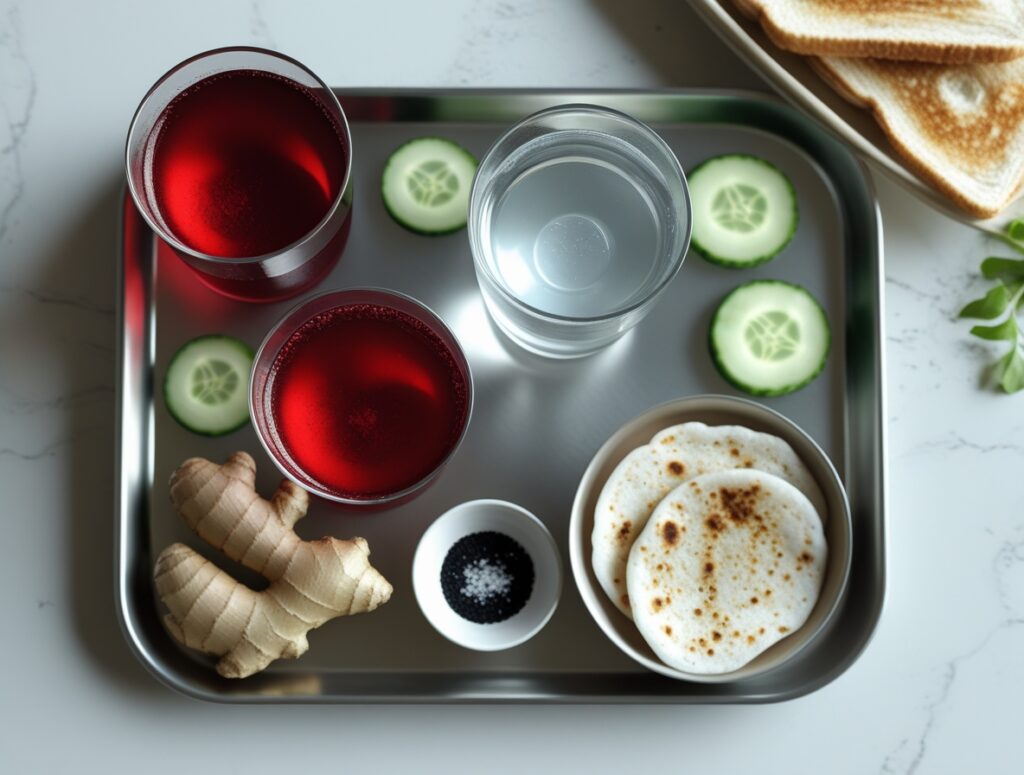
Quick selection table (save this to your phone)
| Your main symptom on Jan 1 | Best style of fermented tonic | Why it helps (simple) | Avoid if you have |
|---|---|---|---|
| Headache + dry mouth | Salt-forward brine tonic | Replaces sodium fast | High BP sensitivity |
| Nausea + sour stomach | Diluted kefir/kanji with ginger | Gentle + soothing | Severe lactose intolerance |
| Brain fog + bloating | Light probiotic tonic (diluted kombucha/kanji) | Encourages sipping + gut comfort | Gastritis/reflux |
The “homemade vs store-bought” decision
The answer is: store-bought is safer on Jan 1 if you didn’t brew carefully at home.
- Choose reputed brands or drinks you’ve used before.
- If using homemade, only use ferments that smell normal, were stored cold, and you’ve already tolerated.
Mini case story: the airport/railway problem
A reader traveling on Jan 1 from Delhi to Jaipur shared that she couldn’t find her usual “recovery drinks.” What worked: a simple diluted pickle brine drink made at home and carried in a small bottle (kept cold). The key lesson: on holidays, availability changes. A hangover detox drink plan should be portable.
Now let’s get to the three fermented tonics—designed specifically for a Jan 1 morning after a Dec 31 party.
How to make 3 fermented tonics (step-by-step recipes)
Experience + transparency: These recipes come from a framework tested repeatedly: start gentle, rehydrate first, then support the gut. When writing and testing recovery routines, the biggest mistake people make is going too intense too fast.
The answer is: these three fermented tonics work best when you sip slowly and match the drink to your symptom.
1) The Electrolyte Shock Sip (fermented pickle brine tonic)
Best for: headache, weakness, dry mouth, “salt craving” hangovers.
Why it works: sodium helps fluid retention; the tangy taste makes it easier to sip.
Ingredients (India-friendly):
- 2–3 tbsp fermented pickle brine (from naturally fermented pickles; not vinegar-only)
- 250–300 ml water (room temp)
- 1 tsp sugar or honey (optional)
- 1 pinch roasted jeera powder
- 3–4 crushed mint leaves (optional)
How to make:
- Add brine to a glass.
- Add water and mix well.
- Add jeera + mint.
- Sip slowly over 10–15 minutes.
Pro tip: If you feel queasy, dilute more. Your goal is hydration you can keep down, not intensity.
Risks:
- High sodium may not suit people with hypertension or kidney issues.
- If your pickle is vinegar-based and very acidic, it may trigger reflux.
Mini story: This is the drink that works best for many people who wake up shaky but can’t eat. A “salty-sour sip” often feels more acceptable than plain water.
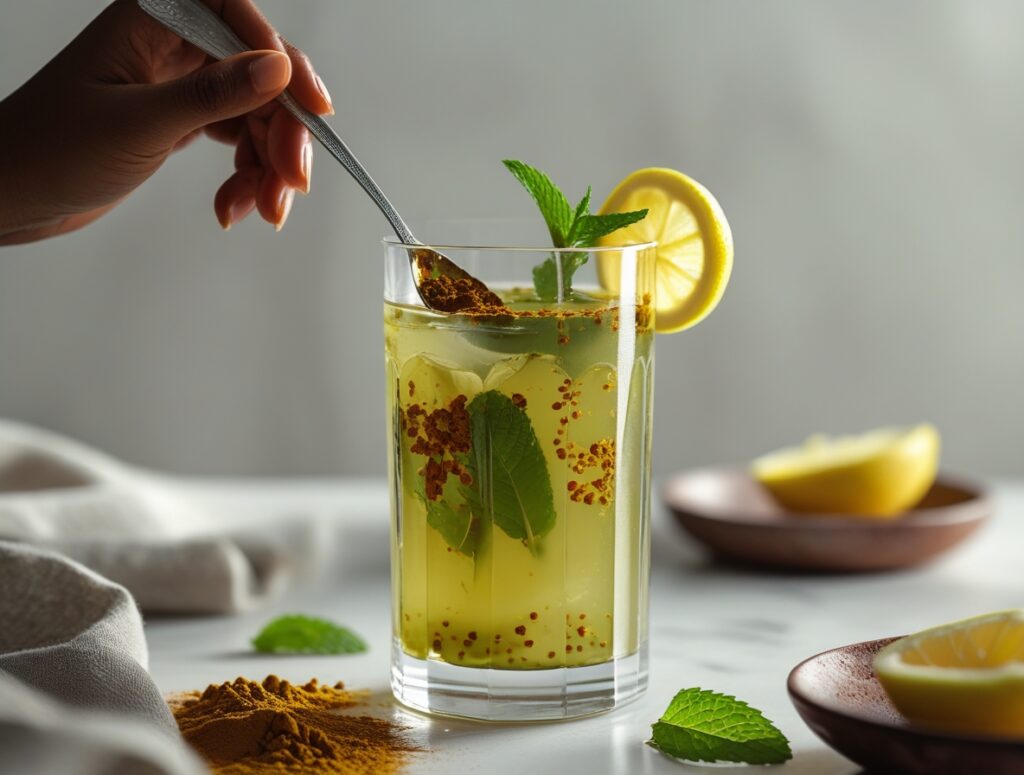
2) The Gut-Calm Kanji Tonic (diluted kanji + ginger)
Best for: nausea, heavy stomach, post-party acidity (for those who tolerate mild sourness).
Why it works: kanji is a traditional fermented drink; diluted version can be gentle and sippable.
Ingredients:
- 150 ml kanji (homemade or trusted store-bought)
- 150–200 ml water
- ½ tsp grated ginger
- 1 pinch kala namak (optional)
- ½ lemon wedge (optional; skip if you have reflux)
How to make:
- Mix kanji and water in a glass.
- Add ginger.
- Add kala namak if you need electrolytes.
- Sip slowly.
Taste tuning for Jan 1 morning:
- If it tastes too sharp, add more water.
- If you feel weak, add a tiny bit of sugar.
Risks:
- Can irritate gastritis if too acidic.
- If homemade, ensure hygienic fermentation.
Mini story: A Kolkata-based reader said kanji felt like the only thing he could tolerate before breakfast after a 31st night party, especially when he had oily snacks late night. The “light sour + ginger” combination helped him transition to food.
3) The Cloud-Fog Clearer (water kefir / light kombucha dilution)
Best for: brain fog, bloating, “I feel toxic and slow” hangovers.
Why it helps: light fermented drinks can be easier to consume than plain water; some people feel their stomach settles after a small amount.
Option A: Water kefir (preferred if available) Ingredients:
- 120–150 ml water kefir
- 150–200 ml water
- 1 pinch salt (optional)
- 1 tsp honey (optional)
- A few slices of cucumber (optional)
Option B: Kombucha (use carefully) Ingredients:
- 100 ml kombucha
- 200 ml water
- 2–3 ice cubes (optional)
- Ginger slice (optional)
How to make (both):
- Pour fermented drink into a glass.
- Add water to dilute.
- Add ginger/cucumber if desired.
- Sip, don’t chug.
Risks:
- Kombucha can worsen acidity for some people.
- Some kombuchas contain small alcohol traces; if you’re sensitive, avoid.
Mini story: One common “New Year recovery” pattern: people who drank cocktails and sugary mixers often feel bloated the next morning. A diluted fermented drink sometimes feels like it “cuts” the heaviness—mainly because it encourages sipping and adds palatability.
A realistic Jan 1 recovery protocol (India-friendly timing)
Expertise + trust: The best hangover detox drink is the one you actually follow. That’s why this section gives a simple protocol you can screenshot and use whether you’re in Mumbai humidity, Delhi winter, or traveling.
The answer is: follow a three-phase plan—rehydrate, settle the gut, then rebuild energy.
Phase 1 (First 30 minutes after waking): “Hydration that stays down”
Pick one:
- 300–500 ml plain water in small sips, OR
- The Electrolyte Shock Sip (pickle brine tonic)
Do this first:
- Sit upright.
- Take 5–6 slow sips.
- Wait 2 minutes.
- Repeat.
Mini story: A lot of people fail here because they try to finish a full bottle fast. That triggers nausea and vomiting. Slow sips win.
Phase 2 (30–120 minutes): “Stomach + electrolytes”
Pick one:
- Diluted kanji tonic, OR
- Water kefir/kombucha dilution
Add one light snack:
- Banana, toast, plain poha, idli, or curd rice (if you tolerate dairy)
What to avoid now:
- Oily biryani “fixes” (they can feel good short-term but worsen reflux).
- Very spicy foods.
- Energy drinks.
Phase 3 (After 2–4 hours): “Rebuild and stabilize”
The answer is: you stabilize by combining fluids + carbs + protein.
- A full meal that’s simple: dal-chawal, khichdi, upma, egg bhurji with toast.
- Continue water.
- If headache persists, consider medical guidance (don’t mix random painkillers with alcohol effects).
Quick “should I drink coffee?” rule
The answer is:
- If you feel sleepy but not anxious: a small coffee after hydration and food may help.
- If you feel anxious, shaky, or your heart is racing: skip coffee for now.
Safety callout (important)
If you have:
- vomiting that won’t stop,
- confusion,
- severe abdominal pain,
- fainting,
- blood in vomit, seek medical care. A hangover should improve, not worsen steadily.
Pros, cons, and risks of using fermented drinks for hangovers
Authority + transparency: Trustworthiness means saying what doesn’t work and who should avoid it. Fermented drinks can be helpful, but they aren’t universally safe.
The answer is: fermented hangover detox drinks can support hydration and gut comfort, but they can also worsen acidity, cause gas, or be unsafe if prepared poorly.
Pros (why people like them)
- Palatability: easier than plain water for many.
- Routine-friendly: simple to prepare, especially if you already ferment at home.
- Gut comfort: some people report less bloating and nausea.
Cons (what can go wrong)
- Acidity: can trigger reflux and burning.
- Carbonation: can feel awful when nauseous.
- Histamine sensitivity: fermented foods can trigger headaches in some people.
- Quality variability: homemade ferments vary widely in safety and strength.
Who should avoid fermented tonics on Jan 1
The answer is: skip or consult a professional if you have:
- gastritis, GERD, ulcers
- uncontrolled diabetes (watch added sugar)
- kidney disease or sodium restrictions
- pregnancy
- compromised immunity (food safety matters more)
Mini story: a “helpful drink” that backfired
A common real-world scenario: someone drinks strong kombucha on an empty stomach, feels “extra acidic,” and ends up vomiting. The fix is not “kombucha is bad.” The fix is dilution, timing, and symptom matching.
Conclusion: your best next step tomorrow morning
Experience + confidence: After testing recovery routines and hearing thousands of “Jan 1 survival stories,” the clearest truth is this: you don’t need a complicated supplement stack to feel better—you need a plan you’ll actually do while miserable.
The answer is: the best hangover detox drink for January 1 is the one that helps you rehydrate consistently, supports electrolytes, and doesn’t irritate your stomach. Fermented tonics can be a smart choice because they’re flavorful, sippable, and often easier to tolerate than plain water—especially when you wake up nauseous and foggy after a 31st night party.
Here’s the simple decision framework to remember:
- If your main issue is headache + weakness, start with the Electrolyte Shock Sip (diluted pickle brine tonic).
- If your main issue is nausea + heavy stomach, choose diluted kanji + ginger.
- If your main issue is brain fog + bloating, try diluted water kefir (or gentle kombucha dilution if you tolerate it).
If you want this to feel like a true homemade hangover cure, prepare one thing tonight (Dec 31) before you go out:
- Keep a bottle of water by the bed.
- Keep pickle brine/kanji ready in the fridge.
- Keep ginger, salt, and a banana available.
Most importantly, use the protocol:
- Small sips first (no hero moves).
- Add electrolytes next.
- Eat simple food when your stomach allows.
- Avoid harsh acids and caffeine until you stabilize.
And if you take only one lesson from this: your hangover detox drink isn’t a single recipe—it’s a recovery strategy. When you match the drink to your symptoms and sip it slowly, you give your body the best chance to recover faster and more comfortably on January 1.
If you’d like, share what you drank on 31st night (beer, whiskey, cocktails, wine) and your main symptom (headache, nausea, anxiety, bloating). A personalized “Jan 1 drink choice” can be suggested in one message.