Walk down the aisles of any high-end organic supermarket, and it is easy to see why so many people believe that nourishing food is a luxury reserved for high earners. Between ten-dollar cold-pressed juices, imported superfood powders, and artisanal snacks, grocery bills can climb into triple digits before you even reach the produce aisle.
Here is the reality: healthy eating on a budget is not only possible, but it is also how most people around the world have nourished themselves for generations. Nutrient density does not require a designer label. With a few shifts in how you plan, shop, and cook, you can dramatically cut your grocery spending while upgrading the quality of your meals.
Key Takeaway: The goal of budget-friendly nutrition isn't restriction—it's eliminating food waste, buying whole ingredients at their lowest price points, and knowing where your grocery dollars deliver the highest nutritional return.
Phase 1: Smart Planning Before You Set Foot in the Store
Most grocery budget blowouts happen before you ever swipe your card. Impulse buys and lack of preparation are the primary drivers of wasted food and inflated spending. These planning habits lay the foundation for successful, low-cost nutrition.
1. Shop Your Pantry and Fridge First
Before writing a single item on your shopping list, do an audit of your refrigerator, freezer, and pantry cupboards. Build your weekly menu around ingredients you already own. If you have half a bag of brown rice, a can of black beans, and frozen corn, you are already two-thirds of the way toward a satisfying burrito bowl.
2. Plan Meals Around Weekly Sales Flyers
Instead of deciding what you want to eat and paying whatever the store charges, flip the script. Check your local grocery store's digital circular or app before planning meals. If broccoli and chicken thighs are on deep discount this week, make stir-fries, sheet-pan roasts, and chicken salads the core of your menu.
3. Build a Lean, Repeatable Core Menu
Decision fatigue leads to takeout orders. Create a simple rotation of 4–5 inexpensive, nutrient-packed dinner templates that you can customize with whatever produce is on sale:
- Grain & Veggie Bowls: Quinoa or brown rice + roasted vegetables + fried egg or beans + tahini dressing.
- Sheet-Pan Meals: Root vegetables + affordable protein (tofu, chicken drumsticks, sausage) + olive oil and spices.
- Hearty Soups and Stews: Lentils, canned tomatoes, carrots, celery, and broth.
- Loaded Frittatas: Eggs baked with leftover veggies and a sprinkle of cheese.
For more inspiration on structuring simple weeknight menus, check out our guide on creating a streamlined weekly meal prep routine.
4. Calculate Cost per Serving, Not Sticker Price
A $12 bulk bag of oats might look expensive compared to a $4 box of sugary cereal, but that bag of oats provides 30 nourishing breakfasts at 40 cents per serving. Focusing on cost per serving helps you spot genuine bargains and avoid cheap foods that leave you hungry an hour later.
5. Never Shop Hungry or Unprepared
It is an old rule because it works: shopping on an empty stomach makes high-calorie, ultra-processed convenience foods look irresistible. Eat a small snack containing protein or fiber before shopping, organize your list by store section, and stick strictly to what is written down.
Phase 2: Strategic Shopping Habits That Slash Your Bill
Supermarkets are meticulously engineered to maximize the amount of money you spend. Navigating the aisles strategically is critical when mastering healthy eating on a budget.
6. Embrace Frozen Fruits and Vegetables
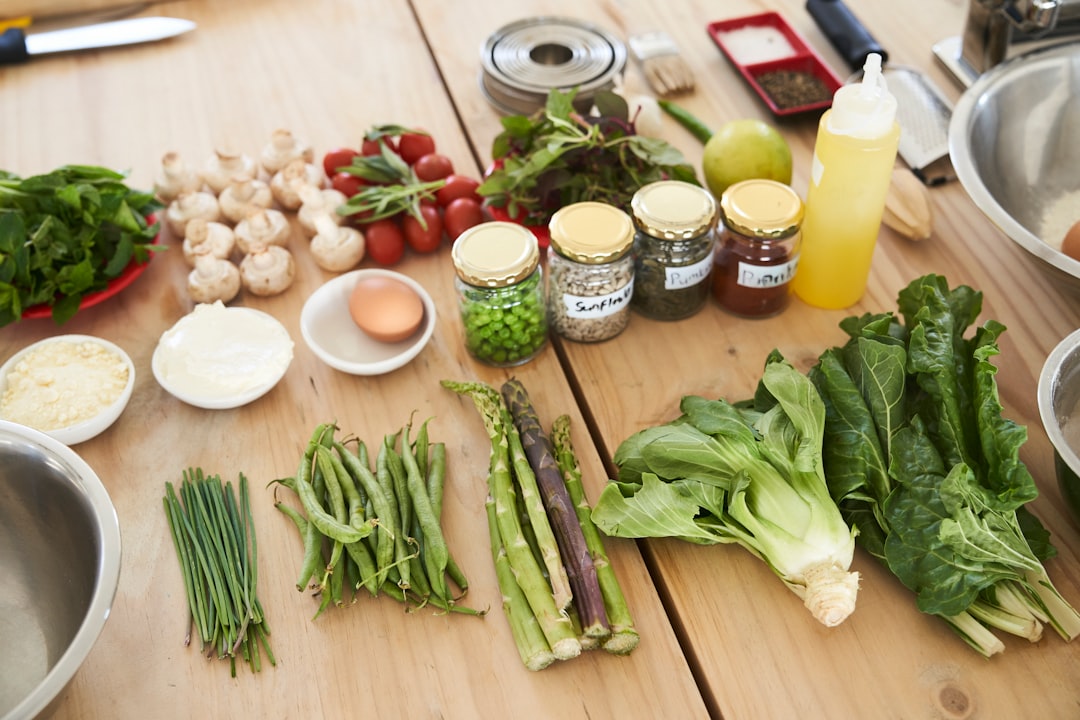
Frozen produce is harvested at peak ripeness and flash-frozen within hours, locking in vitamins and minerals. In many cases, frozen vegetables contain equal or higher nutrient levels than fresh produce that spent days in transit and sitting under grocery store lights. Frozen spinach, berries, green beans, and peas are budget powerhouses that never rot in your crisper drawer.
7. Buy Store Brands for Everyday Staples
Generic and store-brand products frequently come from the same manufacturing facilities as brand-name equivalents, yet they cost 20% to 40% less. For single-ingredient items like rolled oats, canned beans, olive oil, spices, and frozen vegetables, brand loyalty is simply a tax on your wallet.
8. Shift Toward Plant-Forward Protein Sources
Meat is consistently the most expensive line item on a grocery receipt. You do not need to adopt a strict vegan diet to save money; simply swapping animal protein for plant protein two to three nights per week yields massive savings. Lentils, chickpeas, black beans, eggs, and firm tofu offer clean protein and dietary fiber for a fraction of the cost of beef or chicken breast.
Research published on nutrient-dense affordable foods confirms that legumes and eggs provide some of the highest nutritional values per dollar available in modern grocery stores.
9. Look High and Low on the Shelves
Grocery stores place their most profitable, high-priced items at direct eye level. Cheaper generic alternatives, bulk options, and basic staples are routinely placed on the very bottom or top shelves. Take the time to scan the full vertical rack before choosing an item.
10. Shop In-Season and Buy Hardy Produce
Strawberries in January will be expensive and flavorless; in June, they are cheap and sweet. When fresh produce is in season locally, supply surges and prices tumble. For year-round value, lean on long-lasting, hardy vegetables like cabbage, carrots, sweet potatoes, onions, and winter squash, which stay fresh for weeks in cool storage.
11. Utilize the Bulk Bins for Grains and Seeds
Bulk bins let you purchase the exact quantity you need without paying for packaging and branding. They are ideal for stocking up on brown rice, whole oats, chia seeds, lentils, and raw nuts. You can also buy small test amounts of specialty spices or grains without committing to a full container.
12. Choose Cheaper Cuts of Meat and Whole Birds
Boneless, skinless chicken breasts carry a heavy convenience markup. Whole chickens, chicken thighs, drumsticks, and pork loin cuts are significantly cheaper per pound. Cooking whole cuts on the bone also delivers richer flavor and yields bones you can simmer into mineral-rich homemade bone broth.
13. Skip Pre-Cut and Pre-Washed Convenience Items
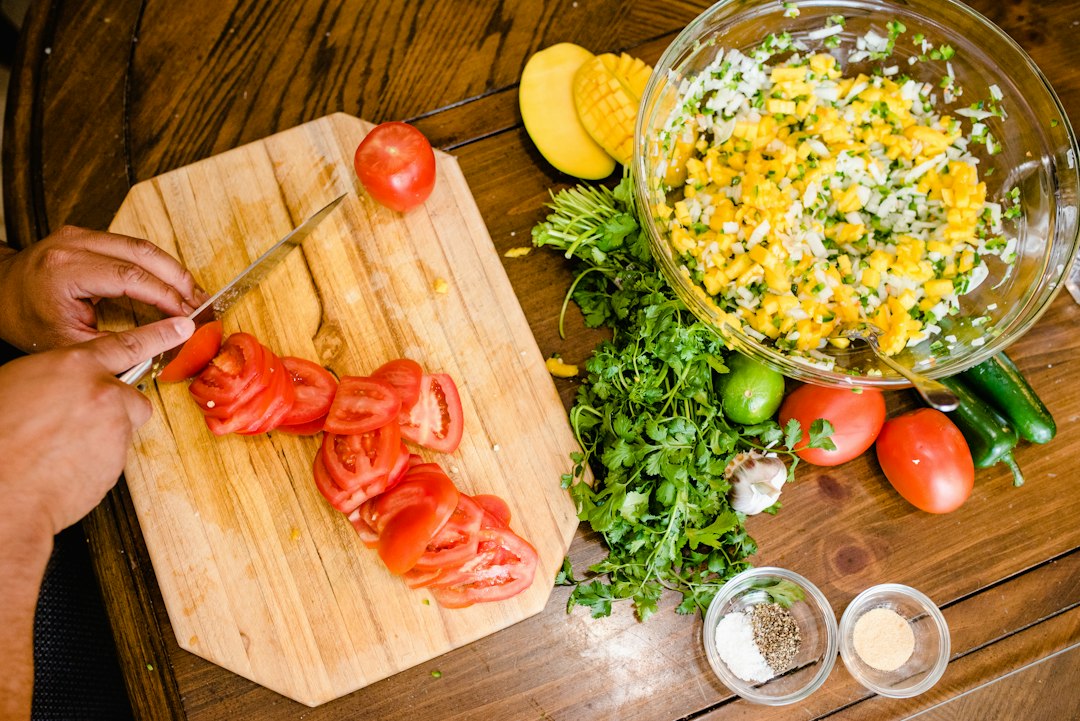
Pre-chopped onions, bagged salad kits, and spiralized zucchini charge a hefty premium for minimal labor. Spending ten minutes with a sharp chef's knife on Sunday afternoon will save you hundreds of dollars over the course of a year.
Key Takeaway: Convenience is the single biggest markup in the grocery store. Buying whole, unprocessed foods and doing basic knife prep yourself is the fastest way to cut your food costs in half.
Phase 3: Kitchen Habits to Prevent Waste and Maximize Flavor
The average household throws away roughly 30% of the food it buys. Eliminating food waste in your kitchen acts like an immediate 30% discount on your grocery bill.
14. Master the Art of Proper Food Storage
Storing ingredients correctly extends their shelf life by days or even weeks. Keep leafy greens crisp by wrapping them in a dry towel inside an airtight container. Store potatoes and onions in separate cool, dark bins (onions emit gases that make potatoes sprout). Keep herbs like fresh bouquets in a glass of water inside your refrigerator door.
15. Use "Scrappy Cooking" Techniques
Do not toss edible scraps. Broccoli stems can be peeled and shredded into slaws or stir-fries. Vegetable trimmings (onion skins, carrot ends, celery tops) can be kept in a freezer bag and boiled into rich vegetable stock. Stale whole-grain bread transforms into crunchy homemade croutons or breadcrumbs with a dash of olive oil and garlic.
16. Repurpose Leftovers Into New Meals
Eating the exact same meal four days in a row can cause palate fatigue. Instead of reheating identical portions, repurpose your components. Sunday's roasted chicken and sweet potatoes can become Monday's lunch tacos, Tuesday's grain bowl, and Wednesday's chicken vegetable soup. Keeping a few gut-healthy pantry staples like fermented sauces, salsa, and spices on hand makes reinvention effortless.
17. Make Your Own Salad Dressings and Sauces
Commercial salad dressings are frequently loaded with refined seed oils, added sugars, and preservatives—and cost $4 to $6 a bottle. You can whisk together a far healthier, delicious vinaigrette in 60 seconds using olive oil, Dijon mustard, apple cider vinegar, salt, and pepper for pennies per serving.
18. Hydrate With Water and Infusions
Soda, energy drinks, bottled iced teas, and fruit juices add empty calories and substantial cost to your grocery basket. Make filtered water your primary drink. If you crave flavor, infuse cold water with lemon slices, cucumber ribbons, or fresh mint leaves.
19. Grow Your Own Fresh Herbs
Buying a plastic clamshell of fresh rosemary or basil every week adds up quickly, and half of it often turns black before use. A single potted herb plant on a sunny windowsill costs about the same as one plastic container and produces fresh aromatics for months.
20. Keep an "Eat Me First" Box in Your Fridge
Designate a small open bin on the center shelf of your refrigerator labeled "Eat Me First." Whenever an item is close to expiring—such as half a bell pepper, an open container of yogurt, or leftover roasted squash—place it in this bin. Make this box your first stop when preparing quick lunches or weeknight dinners.
Your Action Step for Today
Transforming your grocery budget does not require overhauling your entire lifestyle overnight. Choose one small step to take right now:
Open your refrigerator and pantry right now. Identify three ingredients that need to be used within the next 48 hours, and plan tonight's dinner around them. Practicing healthy eating on a budget starts with appreciating and using the food you already have.

Written by
Nibedita Basu
English graduate and social worker with a passion for creating a warm, happy, and meaningful life. I write about Home, Food, and Pets — sharing practical ideas, everyday inspiration, and simple joys that make life more comfortable, wholesome, and fulfilling.