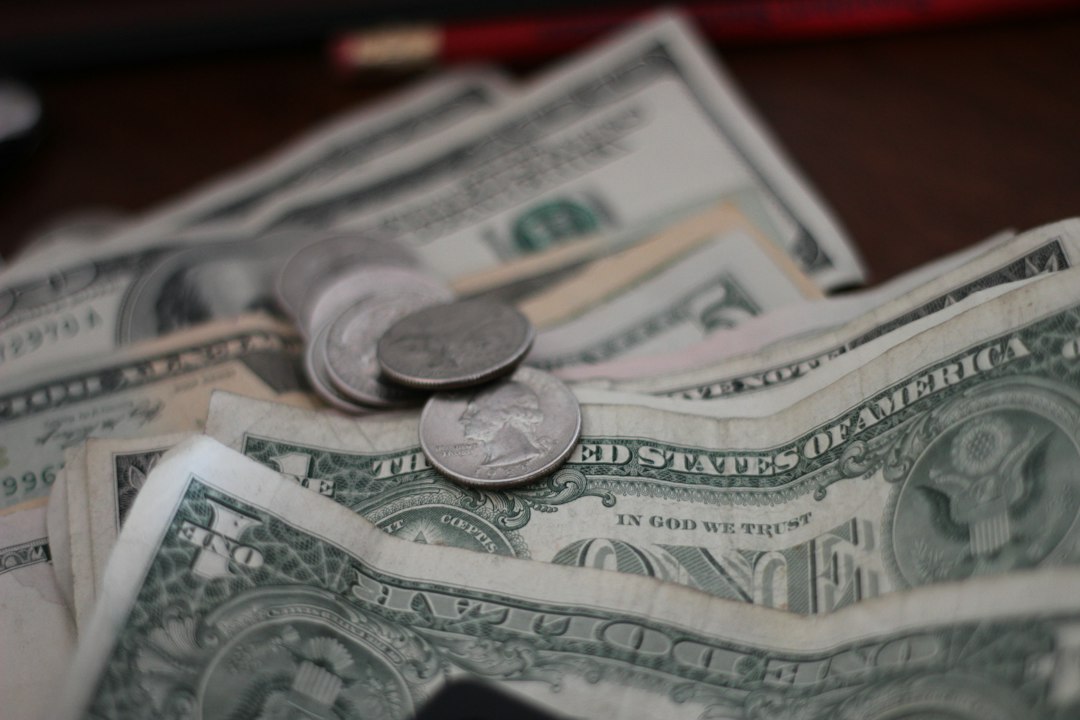
A single blown alternator, an emergency dental visit, or an unexpected reduction in work hours can send an otherwise balanced monthly budget into a tailspin. According to data from the Federal Reserve, more than one in three adults in the United States would struggle to cover an unexpected $400 cash expense without resorting to a credit card, borrowing from family, or selling personal belongings.
When you live paycheck to paycheck, financial advice telling you to stashing away six months of living expenses feels completely out of touch. If you have only $25 left over at the end of the month, a $15,000 savings goal sounds less like a financial milestone and more like a cruel joke.
The good news? You do not need a massive salary to protect yourself from life's financial curveballs. When you learn how to build emergency fund reserves through small, systematic habits, you insulate yourself against debt and eliminate the daily stress of financial vulnerability.
Key Takeaway: An emergency fund is not an investment designed to make you wealthy—it is a self-funded insurance policy designed to keep you from falling into debt when unpredictable life events occur.
What Is an Emergency Fund (and How Much Do You Really Need?)
An emergency fund is a dedicated, liquid pool of cash reserved exclusively for unexpected, urgent, and necessary expenses. It is not a vacation fund, a holiday shopping reserve, or a down payment stash.
Conventional financial wisdom often suggests saving three to six months' worth of essential living expenses. While that remains the gold standard for long-term stability, attempting to reach that number immediately often leads to paralysis. Instead, divide your goal into manageable tiers.
Tier 1: The Starter Buffer ($500 to $1,000)
Your primary objective is to get between $500 and $1,000 into a separate account as fast as humanly possible. This starter buffer catches the vast majority of everyday crises—such as minor car repairs, unexpected school fees, or urgent medical co-pays—without requiring you to rely on high-interest credit cards or payday loans.
Tier 2: The One-Month Baseline
Once your starter buffer is secure and you have begun paying down high-interest credit card debt, expand your savings to cover one full month of bare-bones expenses. Bare-bones expenses include only what is required to survive: rent or mortgage, basic utilities, staple groceries, essential transportation, and minimum debt payments.
Tier 3: The Full Safety Net (3 to 6 Months)
A full safety net provides long-term protection against severe disruptions like job loss, prolonged illness, or major economic downturns. If you work in a stable industry with dual household income, three months may suffice. If you are a freelancer, sole earner, or commission-based worker, aim for six months of baseline expenses.
How to Build an Emergency Fund on a Low or Inconsistent Income
When money is tight, finding extra dollars requires creativity and structural tweaks rather than sheer willpower. Here is a practical blueprint to build emergency fund momentum even when your margins are slim.
1. Implement Micro-Saving Automations
Never rely on saving "whatever is left at the end of the month," because life consistently expands to consume whatever cash remains in your checking account. Reverse the equation by automating micro-transfers immediately after payday.
Setting up an automatic weekly transfer of just $15 to $20 removes the friction of manual decision-making. Over the course of a year, $20 saved per week yields $1,040—instantly completing your Tier 1 starter fund without feeling like an unbearable sacrifice.
2. Run a 30-Day "Subscription & Phantom Expense" Audit
Most bank statements contain forgotten recurring charges, price increases on utilities, and redundant streaming services. Spend 20 minutes reviewing your last 60 days of transactions and cancel unused services.
Combine this with the zero-based budgeting method, where every dollar coming in is assigned a specific job before the month begins. Redirecting $45 of newly uncovered recurring waste directly into savings accelerates your progress significantly.
3. Leverage Asymmetric Windfalls
Windfalls are sums of money that fall outside your normal recurring income. These include:
- Annual tax refunds
- Work performance bonuses
- Cash gifts for birthdays or holidays
- Cashback rewards from credit cards or grocery apps
- Proceeds from selling unused household items
Commit to the "80/20 Rule" for windfalls: put 80% directly into your safety reserve and keep 20% for guilt-free personal spending. This allows you to celebrate your windfall while drastically shortening the timeline needed to build emergency fund security.
4. Generate Short-Burst Seed Capital
If your budget is so compressed that trimming expenses is impossible, temporarily increase your income specifically to fund your starter cash cushion. Exploring a few practical side hustle ideas—such as weekend dog walking, freelancing, or selling electronics you no longer use—can generate $500 within two to four weeks.
Key Takeaway: Consistency beats volume. A persistent habit of saving $5 every single Monday builds stronger financial discipline than depositing a sporadic $200 once a year.
Where Should You Keep Your Emergency Fund?
Where you store your emergency money is just as critical as how much you save. The ideal account must satisfy three strict criteria: safety, liquidity, and separation.
The Clear Winner: High-Yield Savings Accounts (HYSAs)
A High-Yield Savings Account at an FDIC-insured institution is the gold standard for emergency funds. Traditional brick-and-mortar banks often pay negligible interest rates, meaning inflation erodes your purchasing power over time. In contrast, modern online HYSAs offer competitive annual percentage yields while maintaining complete principal safety.
According to the Consumer Financial Protection Bureau's guide on emergency savings, keeping your reserve in an account separate from your primary checking minimizes the temptation to spend it on non-essential day-to-day purchases while still leaving it accessible within one to two business days.
Where NOT to Put Emergency Cash
- The Stock Market: Equities are volatile. If an emergency strikes during a market correction, you could be forced to sell assets at a 20% to 40% loss.
- Physical Cash Under the Mattress: While keeping $100 to $200 at home for acute weather or power outages is reasonable, large cash holdings are vulnerable to theft, fire, and total inflation decay.
- Certificates of Deposit (CDs) with Early Withdrawal Penalties: While CDs lock in fixed yields, the penalties for breaking the term early undermine the primary purpose of liquidity.
- Your Primary Checking Account: Co-mingling emergency reserves with daily spending cash creates an illusion of wealth, leading to accidental lifestyle inflation.
Setting Up Guardrails: What Counts as a Real Emergency?
Once your savings begin to grow, the temptation to dip into the balance will arise. A clear framework prevents you from depleting your cushion for non-critical desires.
The 3-Question Emergency Litmus Test
Before moving money out of your emergency reserve, ask yourself these three diagnostic questions:
- Is it unexpected? Routine, predictable expenses like semi-annual car insurance premiums or holiday gifts are not emergencies; they belong in separate sinking funds.
- Is it urgent? Does this demand immediate payment to prevent physical harm, legal penalties, or severe disruption to your ability to work?
- Is it necessary? Is this a critical survival or employment need, or simply a deeply desired upgrade or convenience?
If an expense does not meet all three criteria, keep your hands off the fund and look for alternative ways to adjust your monthly cash flow.
Your Day-One Action Plan (Do This Today)
Overthinking financial strategies is the primary reason people remain vulnerable. You do not need to solve your entire financial future today; you only need to establish momentum.
- Open a dedicated HYSA: Choose a reputable, fee-free online bank and link it to your checking account.
- Make your seed transfer: Move whatever amount you can afford right now—even if it is just $10 or $25. Making the initial deposit changes your self-identity from someone who struggles to save into someone actively building wealth.
- Automate a recurring transfer: Schedule an automatic weekly or bi-weekly transfer timed to your paycheck schedule.
Deciding to build emergency fund reserves today guarantees that when unexpected hardships occur tomorrow, they remain minor logistical inconveniences rather than catastrophic financial events.

Written by
Indrajit Mukherjee
Engineer by education, passionate coder, stock market enthusiast, and lifelong learner. I write about Growth, Productivity, Money, and Sleep — sharing practical ideas, insights, and lessons to help you work smarter, build better habits, and live a more fulfilling life.