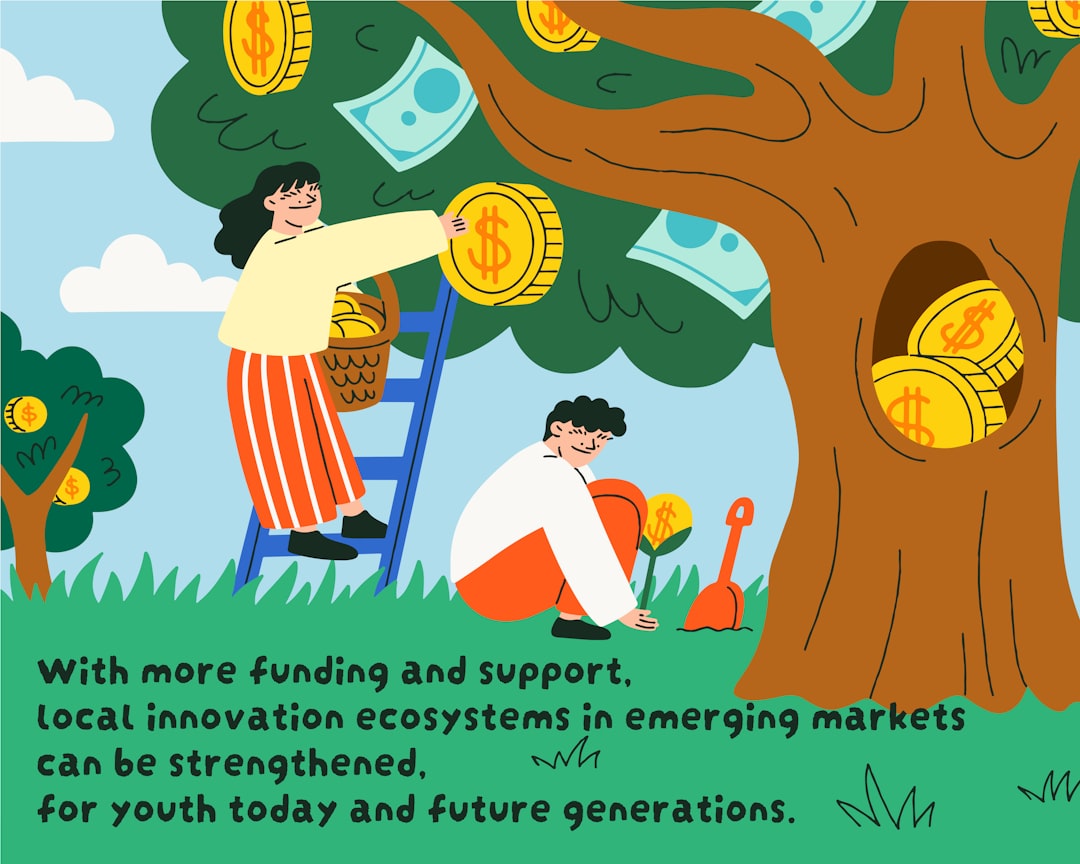
Open up social media, and someone is inevitably pitching the fantasy of earning six figures from a hammock in Bali with twenty minutes of work a week. It sounds tempting, but let's clear the air immediately: 100% effortless money does not exist. Every sustainable revenue stream requires one of two upfront investments—either your capital or your sweat equity.
True passive cash flow isn’t magic. It is the delayed dividend of focused effort or smart asset allocation. When executed correctly, building streams of secondary income gives you margin, helps you pay off debt faster, and creates lasting financial security.
If you are looking for legitimate, proven passive income ideas that do not rely on drop-shipping junk or high-risk trading schemes, this guide breaks down the math, effort level, and real-world execution required for each option.
Key Takeaway: Passive income is front-loaded. You either invest money up front to generate yields, or you invest time up front to create an asset that sells repeatedly without proportional ongoing labor.
The Two Buckets of Passive Income: Capital vs. Effort
Before choosing a vehicle, you need to understand which currency you have available right now:
- Capital-Driven Income: You put existing money to work. The upfront labor is minimal, but you need liquid funds. Returns compound steadily over time.
- Sweat-Equity Income: You build a digital asset, product, or system using your current skills and time. Once built, distribution costs near zero, letting you decouple hours worked from revenue earned.
Let's look at the best options across both categories so you can choose the right path for your lifestyle and budget.
Bucket 1: Capital-Backed Passive Income (Low Labor, High Reliability)
1. High-Yield Cash Sweeps and High-Yield Savings Accounts (HYSA)
If you keep your emergency fund or short-term savings in a traditional brick-and-mortar bank, you are likely earning around 0.01% APY. That is virtually giving away free money. By moving that cash into a federally insured High-Yield Savings Account or money market fund offering 4% to 5% APY, you turn idle cash into an instant income generator.
On a $15,000 emergency fund, shifting to a 4.5% HYSA generates roughly $675 per year in passive interest with zero market risk and less than ten minutes of setup time. It won't fund early retirement alone, but it is the easiest foundation to establish while learning how to build a resilient emergency fund.
2. Dividend Growth Investing & Broad Index Funds
Investing in dividend-paying index funds or dividend-growth ETFs (like SCHD or VYM) remains one of the most reliable long-term passive income ideas available. When you own shares in profitable, mature companies, they distribute a portion of their profits directly to shareholders quarterly.
The mechanics are straightforward:
- The Strategy: Invest consistently into low-cost index funds or established dividend aristocrats.
- The Compounding Mechanism: Reinvest all payouts initially using a Dividend Reinvestment Plan (DRIP) to buy more shares automatically.
- The Payout: Once your portfolio reaches critical mass, you can turn off DRIP and use the cash dividends to cover monthly expenses.
A $50,000 portfolio yielding an average 3.5% dividend provides $1,750 per year in hands-off cash flow, expanding alongside capital appreciation.
3. Real Estate Investment Trusts (REITs)
Traditional real estate can be lucrative, but being a landlord is rarely passive—it involves leaky toilets, tenant screening, and maintenance headaches. REITs solve this by letting you invest in commercial, medical, or residential real estate portfolios traded publicly on stock exchanges.
By law, REITs must pay out at least 90% of their taxable income to shareholders in the form of dividends. This makes them an accessible gateway to real estate cash flow without needing six-figure down payments or property management duties.
Bucket 2: Sweat-Equity Passive Income (High Upfront Work, Infinite Scalability)
4. Niche Digital Products and Printables
Creating digital products requires substantial creative effort upfront, but once the file exists, the marginal cost to deliver it to 1,000 buyers is virtually zero. Unlike physical products, digital assets carry no inventory costs, shipping logistics, or manufacturing overhead.
High-demand digital product examples include:
- Budgeting and financial tracking templates (Notion, Google Sheets, Excel).
- Organizational printables (habit trackers, project planners, meal prep guides).
- Specialized business swipe files, resume templates, or legal contracts.
Selling a $25 spreadsheet template on Etsy or Gumroad to just two people per day produces roughly $1,500 per month in automated income. To maximize conversions, pair these assets with actionable advice on streamlining daily productivity systems.
5. Evergreen Educational Content & Affiliate Micro-Hubs
If you have deep knowledge in a specific hobby, career skill, or technical domain, building an evergreen resource library allows you to monetize your insights around the clock. When you publish helpful, problem-solving tutorials, you can recommend specific tools or products using affiliate links.
When a reader purchases a software subscription or physical tool through your link, the merchant pays you a commission at no additional cost to the buyer. Unlike broad lifestyle blogs, niche sites solving targeted technical problems generate consistent traffic through search engines for years with minimal updates.
6. Licensing Assets (Photos, Audio, Graphic Templates)
If you have creative skills, you can monetize work you have already completed by licensing it on stock marketplaces. Graphic designers can upload vector packs to Creative Market; musicians can upload sound beds to audio libraries; photographers can license high-resolution lifestyle imagery to Adobe Stock.
Every time an agency or content creator downloads your asset for their commercial project, you receive a royalty payment. A portfolio of 200–300 quality assets can create a steady baseline of monthly royalty revenue.
Bucket 3: Asset-Sharing Passive Income (Monetizing Underutilized Assets)
7. Renting Out Storage Space or Parking
If you own a home with an empty garage, unused driveway space, or a secure basement room, you are sitting on idle real estate. Platforms like Neighbor allow you to rent out storage space to local residents for vehicles, boats, furniture, or inventory.
Unlike traditional residential rentals, storage tenants do not live on your property, leading to minimal interaction and virtually zero day-to-day maintenance. Depending on your location and available space, this single strategy can yield $100 to $400 monthly in recurring income.
Key Takeaway: Avoid spreading yourself across five different ventures simultaneously. Choose one model that aligns with your current assets—cash or time—and focus entirely on that single stream until it runs on autopilot.
How to Select the Best Passive Income Stream for You
Before diving in, evaluate candidate passive income ideas through a realistic framework:
- Assess your baseline capital: If you have healthy cash reserves, prioritize yield-bearing financial instruments (HYSA, REITs, dividend funds).
- Assess your skill stack: If you have limited capital but strong domain knowledge, focus on building one high-value digital asset or specialized affiliate resource.
- Calculate the maintenance overhead: Ask yourself what happens if you step away for three weeks. If the business halts or customers complain constantly, it is a side hustle, not passive income.
- Establish an automated reinvestment loop: Funnel the initial earnings from your first passive project directly into index funds to build a secondary layer of fully hands-off returns. For more ideas on managing cash flow, explore our guide to effective personal budgeting strategies.
Your 15-Minute Action Plan for Today
The biggest trap in pursuing alternative revenue streams is endless research without execution. You do not need a completed master plan to begin generating secondary income today.
Here is one tangible step you can complete in the next 15 minutes:
Log into your bank account and check your current savings interest rate. If it is lower than 4.00% APY, open an account with an established high-yield provider and initiate a transfer for your emergency funds. By taking this single action right now, your money will begin earning legitimate passive returns before you go to bed tonight.

Written by
Indrajit Mukherjee
Engineer by education, passionate coder, stock market enthusiast, and lifelong learner. I write about Growth, Productivity, Money, and Sleep — sharing practical ideas, insights, and lessons to help you work smarter, build better habits, and live a more fulfilling life.