A sudden, sharp bark can spike your cortisol in milliseconds. If you work from home, live in a paper-thin apartment, manage sensory sensitivities, or simply cherish a serene living room, constant vocalizations from a pet can turn daily life into an endurance test. While every dog has the physical capacity to make sound, canine genetics play a massive role in how often they choose to use their vocal cords.
Herding dogs like Border Collies and guarding breeds like German Shepherds were specifically bred to alert humans with sharp, persistent alarms. On the other end of the spectrum, several breeds were developed as calm companions, sighthounds that hunt by vision rather than voice, or low-arousal working dogs. Finding the quietest dog breeds isn't about finding a mute animal—it is about choosing a companion whose default baseline is calm, collected, and peaceful.
Key Takeaway: Barking is influenced by two core factors: genetic predisposition and environmental arousal. Choosing a naturally low-bark breed gives you a massive advantage, but meeting their mental and physical needs is what keeps them quiet long-term.
Why Do Some Dogs Rarely Bark?
To understand why certain dogs stay quiet, look at their historical working purposes. Dogs vocalize for specific evolutionary reasons: sounding an alarm, expressing acute boredom, demanding attention, or reacting to high prey drive triggers.
Breeds categorized among the quietest generally share distinct neurological and behavioral traits:
- Low reactivity to micro-stimuli: They do not treat every closing car door or hallway footstep as an existential threat.
- Visual rather than vocal orientation: Sighthounds track movement silently to avoid alerting quarry.
- Lower vocal drive: Companion breeds bred specifically for lap warmth and close quarters were historically culled or selected against nuisance barking.
The Best Quiet Small Dog Breeds
Small dogs often suffer from the unfair stereotype of being "yappy." While many terriers and toy breeds do vocalize readily, several compact canines are remarkably tranquil roommates.
1. Cavalier King Charles Spaniel
The Cavalier King Charles Spaniel is widely regarded as one of the most gentle, quiet companion dogs in existence. Bred primarily as regal lap warmers, Cavaliers prioritize human connection over territorial defense. They rarely sound alarms when guests arrive, choosing instead to greet newcomers with a gently wagging tail.
- Noise Level: Very Low
- Exercise Needs: Moderate (30–45 minutes daily)
- Ideal For: Remote workers, seniors, and calm apartment settings
2. French Bulldog
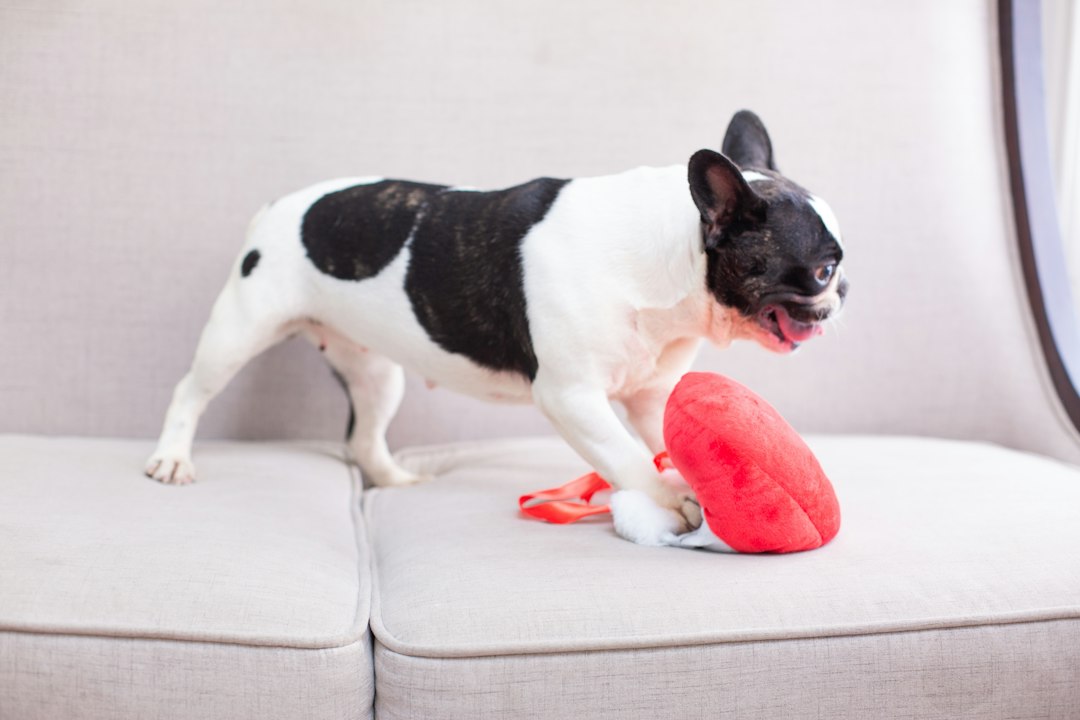
French Bulldogs are famous for their comical snorts and grunts, but actual barking is a rarity for this breed. They generally possess an easygoing temperament and prefer lounging on the sofa to monitoring perimeter activity. When a Frenchie does "speak," it is usually an expressive, low-frequency burble rather than a sharp, piercing bark.
3. Basenji
Often dubbed the "barkless dog" from central Africa, the Basenji has a uniquely shaped larynx that makes a traditional bark anatomically impossible. Instead, according to the American Kennel Club breed standards, the Basenji produces an unusual yodel or chortle when excited. While they can make noise if stressed, they do not produce repetitive alarm barks. Keep in mind: Basenjis are high-energy, independent hounds that require vigorous daily stimulation to stay well-behaved.
The Best Quiet Medium to Large Dog Breeds
When exploring the quietest dog breeds for compact living spaces or shared housing, people often overlook medium and large dogs. In reality, large dogs frequently bark far less than their smaller counterparts because their physical size provides natural security, reducing fear-based reactivity.
4. Whippet
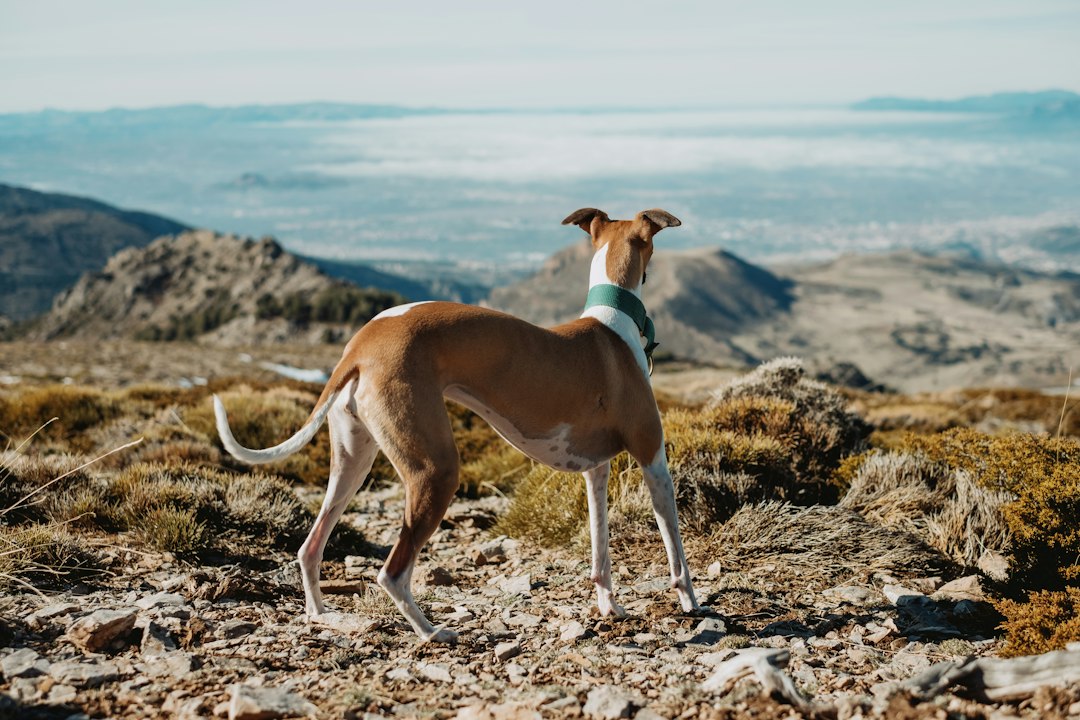
Whippets are sighthounds, built for blistering sprint speed and silent hunting. In the home, they are remarkably quiet, clean, and polite. A Whippet will rarely bark at the doorbell, passing dogs, or ambient noises. As long as they get a short daily sprint session in a securely fenced yard, they will spend the remaining 22 hours of the day curled into a silent ball under a soft blanket.
5. Greyhound (Retired Racers)
Known throughout the canine world as the ultimate "45-mph couch potatoes," retired racing Greyhounds are legendary for their silent nature. Accustomed to busy kennel environments, they are unfazed by minor noises and rarely vocalize. Their calm disposition makes them extraordinary companions for people recovering from sensory fatigue.
6. Bernese Mountain Dog
These majestic working dogs were developed in the Swiss Alps as draft and drover animals. Bernese Mountain Dogs are famously placid, patient, and quiet. They will occasionally emit a deep, low alert woof if something is genuinely amiss, but they do not engage in repetitive or recreational barking.
7. Great Dane
Surprisingly, some of the quietest dog breeds in the canine world belong to the giant category. Great Danes have a commanding presence that eliminates the insecure need to bark at unfamiliar surroundings. Their deep bark is formidable, but you might go weeks without hearing it. Their main requirements are floor space and early leash manners rather than noise mitigation.
Pro Tip: Even naturally silent breeds will vocalize if left under-stimulated. Pairing your dog's routine with structured interactive puzzle toys for dogs channels their energy into problem-solving instead of frustration vocalization.
Quiet Dog Breeds At-a-Glance
Use this comparison table to evaluate which quiet companion matches your daily energy and physical living space:
| Breed | Size | Bark Tendency | Energy Level |
|---|---|---|---|
| Cavalier King Charles | Small (13–18 lbs) | Very Rare | Moderate-Low |
| French Bulldog | Small (18–28 lbs) | Rare | Low |
| Whippet | Medium (25–40 lbs) | Extremely Rare | Moderate (Sprints) |
| Greyhound | Large (60–75 lbs) | Extremely Rare | Low-Moderate |
| Great Dane | Giant (110–175 lbs) | Occasional / Alert Only | Low |
How to Prevent Barking in Any Dog
While adopting one of the quietest dog breeds gives you a genetic head start, nurture still shapes daily behavior. Even a Whippet or Great Dane can develop persistent barking habits if subjected to chronic isolation, anxiety, or lack of exercise.
1. Establish Predictable Physical Outlets
Tired dogs are quiet dogs. When dogs build up excess physical stamina without release, that energy converts directly into vocal reactivity. Establishing consistent daily canine exercise routines helps regulate your dog's nervous system, dramatically lowering their sensitivity to outside triggers.
2. Create a Low-Arousal Resting Zone
Dogs that spend all day staring out the front bay window are in a constant state of hyper-vigilance. Every passing postal worker, stray cat, or neighbor becomes an event requiring a response. Set up your dog's bed away from high-traffic windows, or apply frosted window film to the lower third of street-facing glass to eliminate visual triggers.
3. Address Separation Anxiety Early
Distress vocalization occurs when a dog lacks confidence being left alone. Prevent this by introducing positive crate associations and short departures early. Implementing proven crate training techniques for anxious pups establishes their crate or pen as a safe, comforting haven rather than a source of isolation stress.
Your Next Step Today
Choosing among the quietest dog breeds lets you enjoy the deep companionship of a canine without sacrificing your peace of mind, productivity, or neighborly harmony.
Take Action Today: Audit your living space for acoustic and visual triggers. If you already have a dog or are preparing to bring one home, move their primary resting area away from high-traffic hallways and windows, and add a simple white-noise machine to mask sudden corridor sounds.

Written by
Nibedita Basu
English graduate and social worker with a passion for creating a warm, happy, and meaningful life. I write about Home, Food, and Pets — sharing practical ideas, everyday inspiration, and simple joys that make life more comfortable, wholesome, and fulfilling.