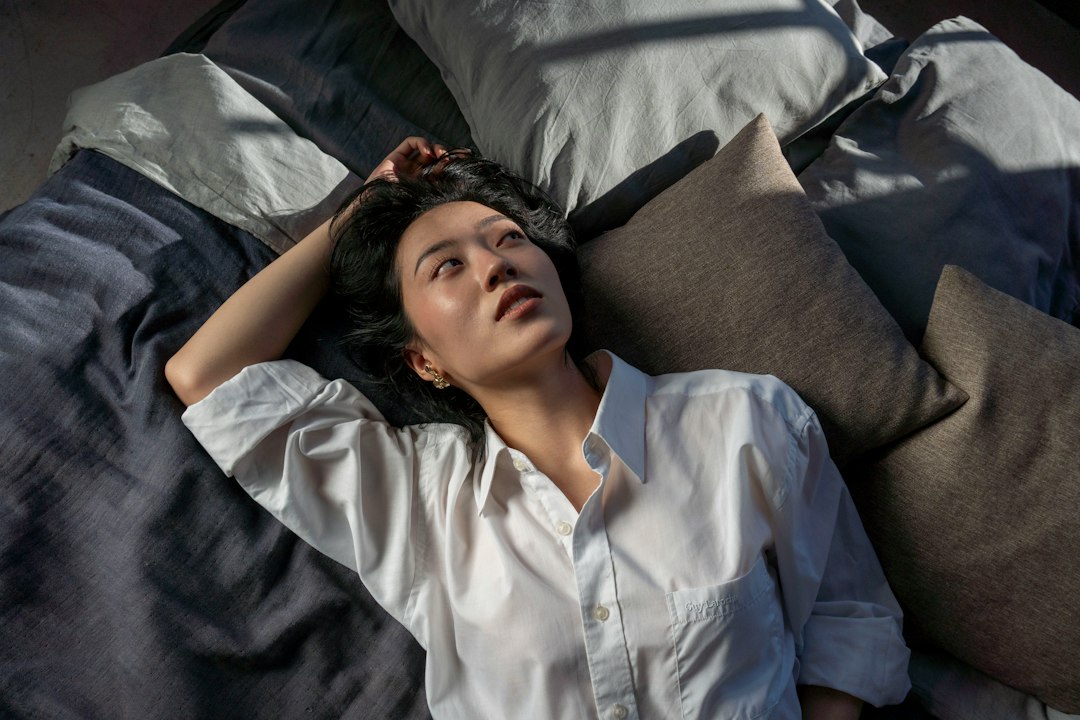
You crawl into bed at 10:30 PM with the best intentions. You are physically exhausted, your eyelids feel heavy, and you genuinely want eight hours of restorative sleep. But then you reach for your phone to check one last notification, answer a quick text, or scroll through a video feed.
Before you know it, forty-five minutes have vanished. When you finally set the phone on your nightstand, you find yourself staring at the dark ceiling, suddenly alert, your heart beating slightly faster than it was an hour ago.
While we intuitively know that late-night screen time steals precious minutes from our sleep schedule, the actual damage runs far deeper than lost time on the clock. The physiological disruption alters your neurochemistry, degrades sleep architecture, and leaves you carrying cognitive brain fog long into the following afternoon.
The good news? You do not need to move into an off-grid cabin or throw your devices into a river to fix this. By understanding what technology actually does to your nervous system at night, you can implement small, high-leverage tweaks that safeguard your rest without completely upending your modern lifestyle.
How Late-Night Screen Time Hijacks Your Biology
Most discussions around screen use focus almost exclusively on blue light. While optical radiation is a significant factor, it is only half of the biological puzzle. The impact of screens is dual-pronged: physical photon disruption and neurochemical arousal.
1. The Photic Effect: Melatonin Suppression
Human circadian rhythms are governed by the suprachiasmatic nucleus (SCN), a tiny region of the brain's hypothalamus. The SCN relies heavily on input from intrinsically photosensitive retinal ganglion cells (ipRGCs) in your eyes. These specialized cells are exquisitely sensitive to short-wavelength blue light—the exact spectrum emitted by smartphones, tablets, laptops, and LED televisions.
In nature, blue light signals high noon. When your retinas register intense blue wavelengths at 11:00 PM, your SCN assumes the sun is still blazing overhead. Consequently, it delays the release of melatonin, the hormone responsible for signaling biological darkness and facilitating sleep onset.
According to research compiled by the Sleep Foundation, evening exposure to light-emitting screens suppresses nighttime melatonin secretion by upwards of 50%, while simultaneously shifting your circadian phase back by up to two full hours. This creates an artificial "jet lag" without you ever leaving your bedroom.
2. The Psychological Effect: Dopamine and Cognitive Arousal
The device in your hand is not simply a light bulb; it is an interactive portal engineered to deliver intermittent variable rewards. Every email preview, breaking news alert, social interaction, and autoplaying video triggers a micro-dose of dopamine.
Dopamine is the neurotransmitter of anticipation, pursuit, and alertness. It activates your sympathetic nervous system—the fight-or-flight branch—increasing your heart rate, cortisol levels, and core body temperature. This psychological stimulation turns late-night screen time from a passive relaxation attempt into an active neurochemical trigger. You cannot slip into parasympathetic rest when your neurochemistry is primed for hunting information.
3. Disrupted REM and Sleep Fragmentation
Even if you are the type of person who claims, "I can fall asleep with the TV on without any problem," your internal sleep architecture tells a different story. Objective sleep tracking studies show that pre-bed device use often leads to:
- Longer Sleep Latency: Taking significantly longer to transition from light stage 1 sleep into deep slow-wave sleep.
- Reduced Rapid Eye Movement (REM): Melatonin suppression and elevated cortisol correlate directly with shortened REM cycles—the phase critical for emotional processing, memory consolidation, and creative problem-solving.
- Micro-Arousals: Screen-stimulated brains experience frequent micro-awakenings throughout the night, preventing continuous recovery cycles even if you do not consciously remember waking up.
Key Takeaway: The damage from screens isn't just blue light delaying sleep onset; interactive media floods your brain with dopamine and cortisol, fragmenting the deep and REM sleep stages you need for genuine physical and mental recovery.
The Subtle Symptoms of "Screen Hangover"
Because the consequences of evening device use rarely manifest as immediate insomnia, many people fail to connect their daytime struggles with their nighttime habits. Here are the common secondary symptoms of chronic pre-bed device exposure:
- Intense Morning Sleep Inertia: Waking up feeling groggy, disoriented, and heavy-limbed, requiring multiple cups of caffeine just to reach baseline functionality.
- Elevated Sugar and Carb Cravings: Sub-optimal REM and slow-wave sleep disrupt the appetite-regulating hormones leptin and ghrelin, driving cravings for ultra-processed, high-sugar foods the next day.
- Lower Stress Tolerance: When sleep architecture is degraded, your prefrontal cortex operates with reduced capacity, making you more reactive, irritable, and prone to afternoon anxiety.
Pairing intentional screen habits with managing morning light exposure is one of the most effective ways to reset this disrupted circadian rhythm and eliminate the dreaded screen hangover.
Realistic Mitigation Strategies (That Don't Require Going Off-Grid)
Telling modern professionals to completely power down all electronics three hours before bed is wildly unrealistic. Between work deadlines, family communication, and modern entertainment, screens are integrated into daily life. Instead of aiming for strict perfection, you can dramatically reduce the biological toll of late-night screen time through practical harm-reduction tactics.
1. Implement a 60-Minute "Phased" Digital Sunset
You don't have to switch abruptly from a blazing screen to total silence. Create a tiered wind-down process:
- 60 Minutes Before Bed (Passive Shift): Transition away from interactive, high-stakes tasks (work emails, news feeds, heated message threads) toward passive, lower-stimulation media (a low-stakes television episode on a screen situated across the room rather than 6 inches from your eyes).
- 30 Minutes Before Bed (The Hardware Transition): Switch off interactive handheld screens. Move to analog activities such as physical books, stretching, light conversation, or building a consistent evening wind-down routine that cues relaxation.
2. Reconfigure Your Device Settings
While software adjustments are not a silver bullet for cognitive arousal, they do soften the photic blow to your eyes:
- Enable Native Night Modes: Set features like Apple’s Night Shift or Android’s Night Light to turn on automatically at sunset, shifting color temperature to the warmest possible setting.
- Activate True Grayscale: Removing vivid color from your phone strips away the visual allure designed by app developers. On iOS, you can configure the Accessibility Shortcut to toggle color filters to grayscale with a triple-click of the power button.
- Dim Display Brightness Below Ambient Light: Ensure your display is dimmer than the ambient light in your room rather than serving as the dominant light source.
3. Establish Physical Environmental Boundaries
Friction is the most powerful tool for behavioral change. If your phone sits on your bedside table within arm's reach, willpower alone will fail when you are tired and depleted.
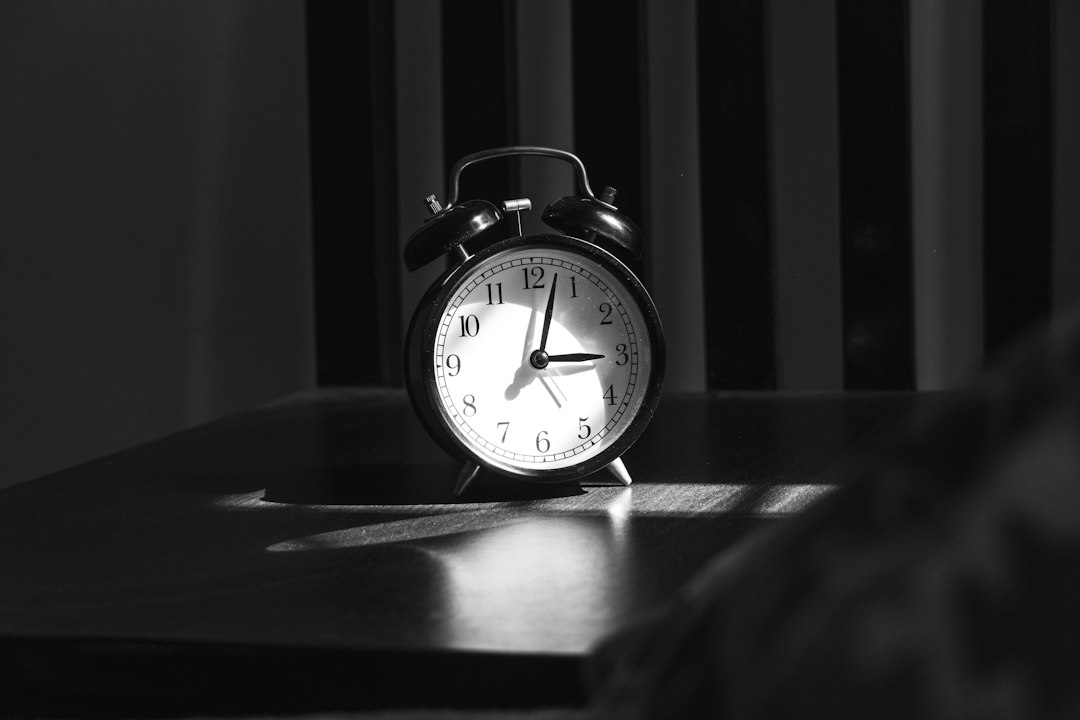
Relocate your charging station to the opposite side of the bedroom, or ideally, outside the bedroom entirely. Purchase a dedicated $10 analog or basic digital alarm clock so you never need to rely on your phone for waking up. If you need inspiration on structuring your sleep space, focus on optimizing your bedroom environment for deep sleep by keeping it cool, dark, quiet, and tech-free.
Key Takeaway: Environmental design beats willpower every time. Moving your charger across the room removes the immediate temptation of doomscrolling while lying in bed, breaking the automated habit loop.
4. Swap High-Dopamine Feeds for Low-Arousal Audio
If you rely on your phone to quiet a racing mind, replace visual stimulation with auditory relaxation. Human auditory processing produces far less cognitive load and zero retinal photon stimulation.
Consider alternatives like:
- Familiar fiction audiobooks set to a 20-minute sleep timer.
- Guided sleep meditations or Non-Sleep Deep Rest (NSDR) protocols.
- Ambient soundscapes (brown noise, rain, or sound baths).
Tonight's Action Plan: The 15-Minute Rule
Sustainable wellness is built on small, repeatable wins rather than drastic overhauls that you abandon after four days. You don't have to eliminate technology entirely to fix your sleep; dialing back your late-night screen time by just twenty or thirty minutes can fundamentally alter how refreshed you feel tomorrow morning.
Here is your single action step for tonight:
Set a recurring alarm on your phone for 15 minutes before your target lights-out time. When that alarm sounds, place your device on a shelf or desk across the room, plug it in, and walk away. Spend those final fifteen minutes brushing your teeth, doing two minutes of light stretching, or reading two pages of a physical book under soft amber light.
Give your brain the biological runway it needs to power down. Your energy, mood, and mental clarity tomorrow will reward you for it.

Written by
Indrajit Mukherjee
Engineer by education, passionate coder, stock market enthusiast, and lifelong learner. I write about Growth, Productivity, Money, and Sleep — sharing practical ideas, insights, and lessons to help you work smarter, build better habits, and live a more fulfilling life.