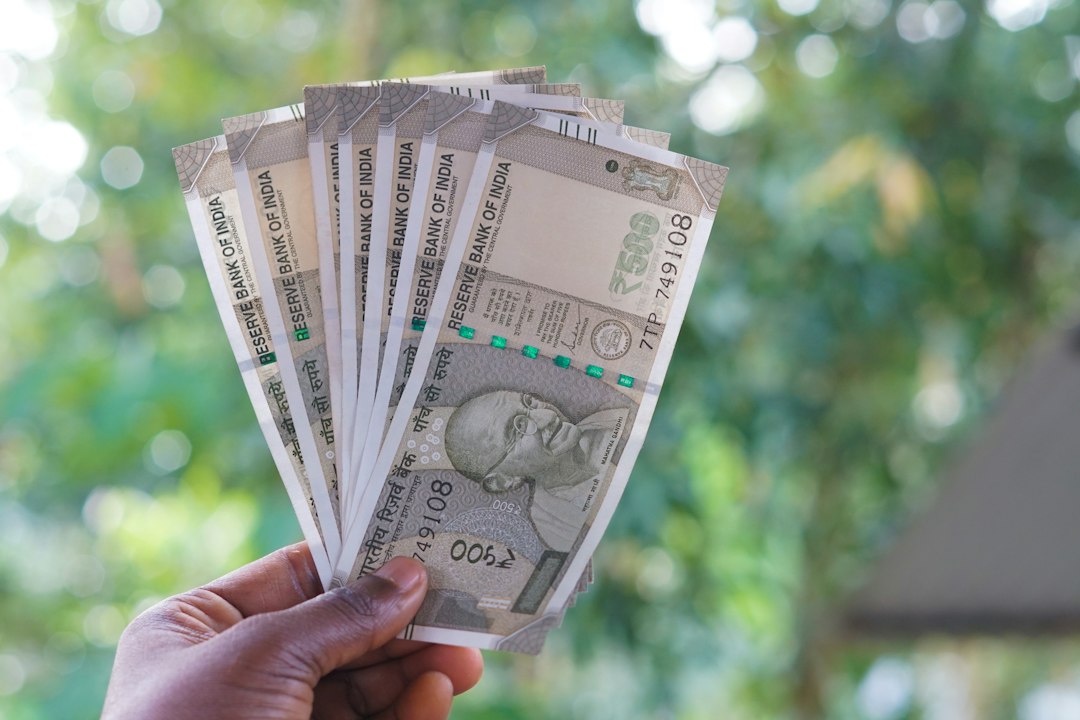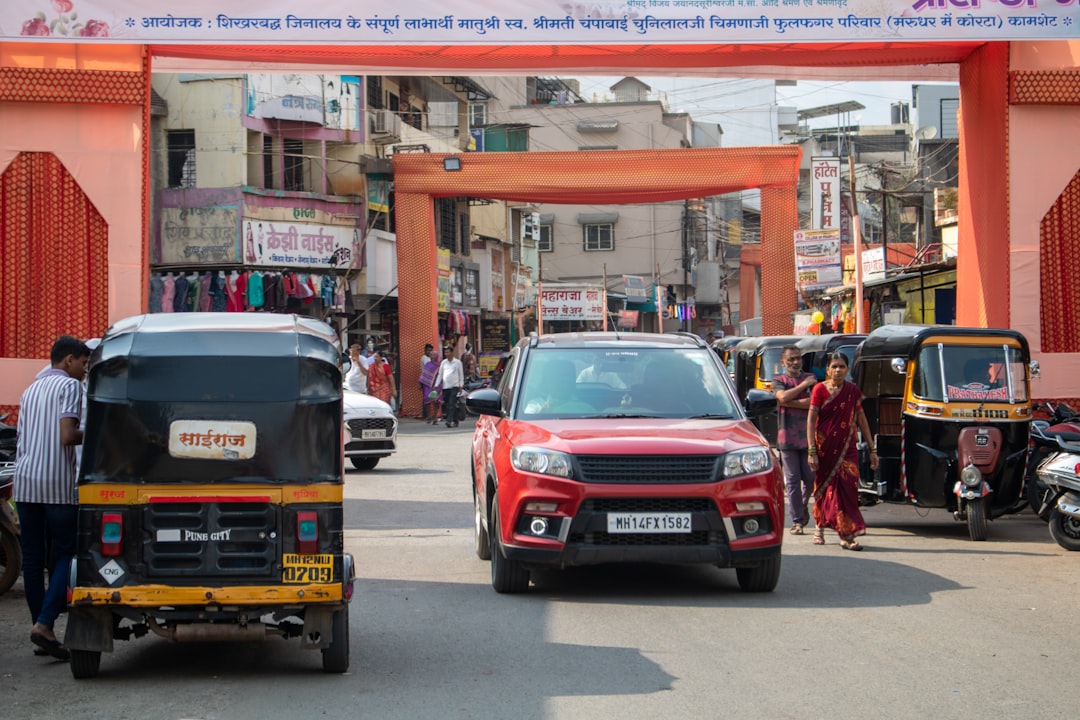
When you sign the paperwork for a brand-new ₹10 lakh hatchback or compact SUV, you likely budget for two primary numbers: your monthly Equated Monthly Installment (EMI) and an estimated fuel budget. For most Indian buyers, that looks like an EMI of ₹16,000 and perhaps ₹5,000 for petrol each month.
Twelve months later, bank statements tell a completely different story. Between registration fees, insurance renewals, FASTag deductions, periodic maintenance, society parking charges, and rapid depreciation, that ₹10 lakh car frequently costs upwards of ₹28,000 to ₹35,000 every single month to keep on the road.
Understanding the full spectrum of car ownership costs India drivers face is essential for protecting your cash flow and creating a realistic monthly budget. Here is an honest, line-by-line breakdown of the hidden expenses behind vehicle ownership in India—and practical, high-impact strategies to slash those expenses immediately.
The Real Cost Equation: Ex-Showroom vs. On-Road Reality
The sticker shock starts before your vehicle even rolls out of the dealership. The advertised "ex-showroom price" excludes mandatory statutory charges and dealer margins that drastically increase the upfront acquisition cost.
1. Road Tax and Registration Charges (RTO)
Road taxes in India vary significantly from state to state, ranging from 7% to as high as 18% of the vehicle's invoice value. States like Karnataka, Maharashtra, and Kerala impose some of the highest road taxes in the country. On a ₹12 lakh car, registration and road taxes can instantly add ₹1.2 lakh to ₹2.1 lakh to your initial cash outlay.
2. Mandatory Accessories, Handling, and Logistics Fees
Dealerships routinely bundle "handling charges," "logistics fees," and mandatory accessory kits costing anywhere from ₹15,000 to ₹45,000. While the Supreme Court of India and various State Transport Departments have declared separate handling/logistics charges illegal, many dealers continue to quietly fold them into pro-forma invoices unless challenged directly.
Key Takeaway: Never accept the initial dealer quote at face value. Dealerships routinely include overpriced accessory bundles, handling fees, and inflated dealer-partner insurance quotes that inflate upfront costs by 8% to 12% without adding functional value.
The 5 Major Hidden Car Ownership Costs in India
Once the car is parked in your driveway, the recurring and invisible costs begin compounding. Here are the five largest drains on your wallet that rarely appear on standard loan calculators.
1. Depreciation: The Invisible Wealth Destroyer
The moment you drive a new car off the showroom floor, it loses roughly 10% to 15% of its value. By the end of year three, average passenger vehicles in India lose 40% to 50% of their original purchase value.
According to standard financial principles of depreciation, this loss of asset value is a real economic cost, even if money does not leave your bank account monthly. If your ₹12 lakh vehicle is worth only ₹6.5 lakh after four years, you have absorbed an invisible loss of ₹1.37 lakh per year—or roughly ₹11,400 per month—purely in lost equity.
2. Insurance Premiums and Add-On Traps
Comprehensive motor insurance with essential riders—such as Zero Depreciation (Bumper-to-Bumper), Engine Protect, Consumables Cover, and Return to Invoice—is crucial on Indian roads due to monsoonal waterlogging and unpredictable traffic conditions. However, annual insurance renewals for a mid-segment car run between ₹18,000 and ₹35,000 annually.
Failing to protect your No Claim Bonus (NCB) or sticking blindly with dealer-arranged renewals leads to substantial overpayments over a standard five-year ownership cycle.
3. The "Real-World vs. ARAI" Fuel Discrepancy
Automakers advertise ARAI-certified fuel efficiency figures conducted under idealized laboratory conditions. In real-world urban Indian conditions—featuring bumper-to-bumper city traffic, frequent idling at traffic signals, potholed stretches, and 100% air-conditioner usage—your actual mileage is routinely 25% to 40% lower than the brochure claim.
A car advertised at 18 km/l often delivers 11–12 km/l in dense metros like Bengaluru, Mumbai, or Delhi-NCR. For a commuter driving 1,200 km monthly, that efficiency gap translates to an unexpected ₹3,000 to ₹4,500 in additional petrol or diesel expenses every month.
4. Scheduled Maintenance and Wear-and-Tear Items
"Free service" coupons offered during new car delivery cover only basic labor inspections for the first 1–3 visits. Consumables (synthetic engine oil, brake fluid, oil filters, coolant, and wheel balancing weights) are fully billable from day one.
Moreover, harsh operating conditions across India accelerate wear on consumable components:
- Brake pads: Replacement required every 20,000–30,000 km (₹3,000–₹8,000).
- Tyres: Full set replacement every 40,000–50,000 km or 4–5 years (₹20,000–₹45,000).
- Battery: Replacement every 3–4 years (₹4,500–₹9,000).
- Suspension overhaul: Often required around 60,000–80,000 km on rough roads (₹25,000–₹60,000).
5. Parking, Tolls, and Municipal Fines
In high-density Indian metros, vehicle storage and movement carry recurring micro-costs that accumulate rapidly:
- Apartment society parking fees: Monthly parking maintenance often ranges from ₹1,000 to ₹4,000.
- Commercial parking: Office spaces, tech parks, and shopping malls charge ₹50–₹150 per entry.
- FASTag tolls: Regular highway or bypass commuters routinely spend ₹1,500–₹4,000 monthly.
- Challans and emission checks: Periodic Pollution Under Control (PUC) certificates, plus occasional automated traffic fines.
The Opportunity Cost: What That Money Could Have Built
When calculating total car ownership costs India residents frequently ignore the opportunity cost of the capital tied up in the vehicle. Consider a standard purchase scenario:
- Down payment: ₹3,00,000
- Monthly EMI: ₹18,000 for 5 years
- Total out-of-pocket payments (Loan + Down Payment): ₹13,80,000
If that same ₹3,00,000 initial down payment and the monthly ₹18,000 commitment were redirected into disciplined high-yield savings and index fund investments compounding at a conservative 11% annualized return, that capital would grow to over ₹19.2 lakh in five years. Instead, the owner holds a depreciated asset worth approximately ₹4.5 lakh to ₹5.5 lakh.
Key Takeaway: A car is a depreciating consumer utility, not a wealth-building asset. Minimizing your initial capital commitment preserves liquidity for compounding investments and rapid debt payoff strategies.
Actionable Strategies to Reduce Car Ownership Costs in India
You do not need to sell your car to regain control over your transportation budget. Implementing these systematic adjustments can reduce your annual car ownership costs India expenses by 20% to 35%.
1. Shop Your Own Insurance Policy Online
Never renew your car insurance policy directly through the dealership service desk. Dealerships earn hefty broker commissions on captive insurance tie-ups. Instead, take your policy renewal notice and compare identical coverage, add-ons, and IDV (Insured Declared Value) on independent insurance aggregator portals. Transfer your accumulated No Claim Bonus (NCB)—which can discount own-damage premiums by up to 50%—even when switching insurers.
2. Transition to Trusted Multi-Brand Independent Garages
Once your manufacturer warranty period expires (typically after year 3 or 5), stop servicing your vehicle at authorized brand service centers. Authorized workshops carry steep labor rates and frequently recommend unnecessary system flushes, interior enrichments, and AC sanitization packages.
A reputable, independent multi-brand workshop using original OEM parts (such as Bosch, Valeo, or NGK) can slash periodic service bills by 30% to 45% without compromising mechanical quality.
3. Optimize Driving Habits for Real-World Mileage
Fuel represents your single largest ongoing operational expense. Simple behavioral adjustments yield immediate financial returns:
- Maintain correct tyre pressure: Check cold tyre pressure every two weeks. Driving with tyres under-inflated by just 4 PSI increases fuel consumption by up to 3%.
- Minimize idle time: Turn off the engine at traffic signals exceeding 30 seconds.
- Smooth throttle inputs: Aggressive acceleration and abrupt braking consume up to 20% more fuel than progressive, anticipatory driving.
- Use AC recirculation mode: In high ambient heat, running the air conditioner on internal air recirculation reduces compressor load significantly.
4. Consider 2- to 3-Year-Old Certified Pre-Owned Vehicles
If you are currently planning a vehicle purchase, bypass the new car showroom altogether. Buying a 2- to 3-year-old vehicle lets the original owner absorb the steep 40% initial depreciation curve. You secure a modern, low-mileage car with active safety tech at a fraction of the original price, while paying lower road taxes and lower comprehensive insurance premiums.
What to Do Today
Take 15 minutes today to calculate your true monthly vehicle expenditure. Pull up your bank statements from the last three months and add up your EMI, fuel, insurance (divided by 12), parking fees, tolls, and maintenance bills. Compare that total number against your monthly take-home pay.
If your total vehicle expenses exceed 15% to 20% of your net monthly income, check your insurance renewal date immediately, set a calendar alert to shop policy rates 30 days in advance, and decline all non-essential add-on services on your next maintenance visit.

Written by
Indrajit Mukherjee
Engineer by education, passionate coder, stock market enthusiast, and lifelong learner. I write about Growth, Productivity, Money, and Sleep — sharing practical ideas, insights, and lessons to help you work smarter, build better habits, and live a more fulfilling life.