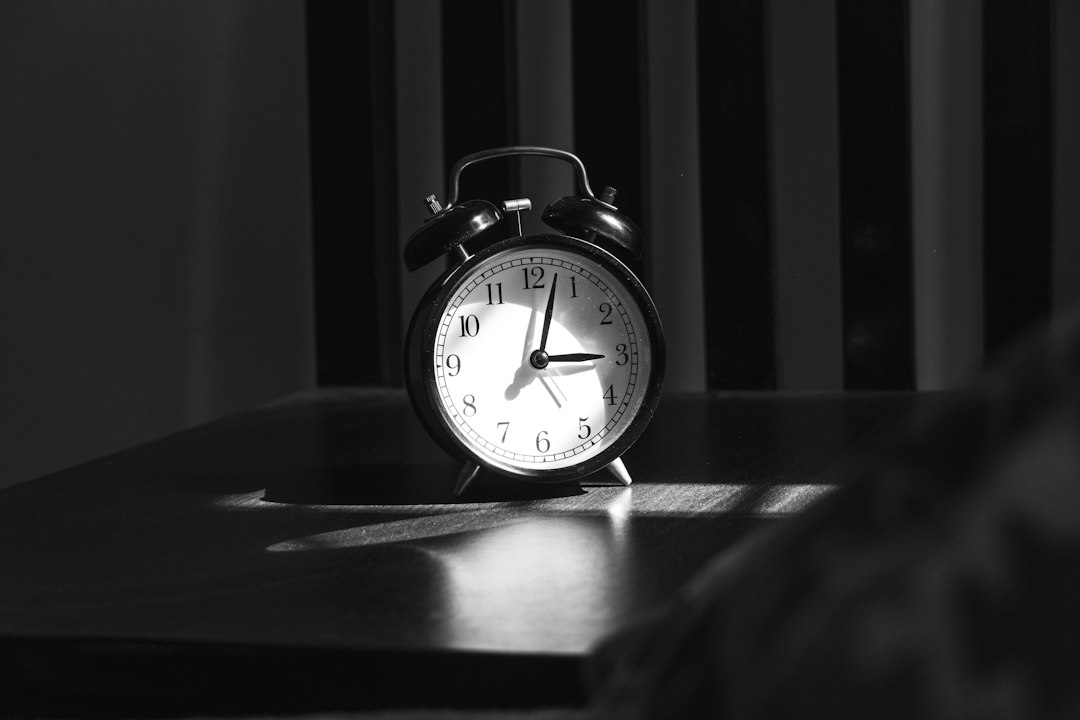
It is 2:14 AM. Your room is pitch-black, your body is exhausted, but your mind is sprinting. You are suddenly rehashing a conversation from three years ago, mentally balancing your budget, or wondering why your heart feels like it is fluttering against your ribs.
When nighttime anxiety takes over, trying to simply “force” your brain to shut down never works. In fact, fighting intrusive thoughts only fuels your body’s alarm system. The good news is that you don’t have to outthink anxiety—you can out-breathe it.
Practicing targeted breathing exercises for sleep is one of the fastest, most reliable ways to physically force your nervous system out of fight-or-flight mode and into deep recovery. Here is the science behind why intentional breathwork works, along with five practical routines you can use in bed tonight.
Key Takeaway: You cannot think your way out of a physiological stress response. By extending your exhalations and engaging your diaphragm, you stimulate the vagus nerve and mechanically slow your heart rate.
The Physiology: How Breathwork Flips the Sleep Switch
When you feel anxious at bedtime, your sympathetic nervous system is running the show. Your adrenal glands release cortisol and adrenaline, your heart rate climbs, and your breathing becomes shallow and chest-driven. This creates a feedback loop: shallow breaths tell your brain there is danger, which produces more anxious thoughts, keeping you awake.
Your breath is the only autonomic bodily function that you can also control consciously. When you take slow, deep breaths—especially when you make your exhales longer than your inhales—you engage the parasympathetic nervous system, often called the “rest and digest” branch.
A review published in Frontiers in Human Neuroscience demonstrates that slow-paced breathing exercises increase vagal tone, enhance heart rate variability (HRV), and reduce subjective anxiety almost immediately. This physiological shift lowers blood pressure, relaxes constricted blood vessels, and sends a clear biochemical signal to your brain: You are safe. It is time to sleep.
5 Proven Breathing Exercises for Sleep and Nighttime Anxiety
Different breath patterns produce different mental shifts. Test these five methods to find which one quietens your racing mind fastest.
1. The 4-7-8 Relaxing Breath
Popularized by Dr. Andrew Weil, the 4-7-8 method acts as a natural tranquilizer for the nervous system. The prolonged breath retention allows your lungs to fully oxygenate your blood, while the extended 8-second exhale empties residual air and drops your resting pulse.
How to do it:
- Rest the tip of your tongue against the tissue ridge right behind your upper front teeth throughout the exercise.
- Exhale completely through your mouth, making a gentle whooshing sound.
- Close your mouth and inhale quietly through your nose for a mental count of 4 seconds.
- Hold your breath gently for a count of 7 seconds (do not strain or clamp down).
- Exhale completely through your mouth with a steady whoosh for 8 seconds.
- Repeat this cycle for 4 to 8 rounds.
Tip: If holding your breath for 7 seconds feels claustrophobic, speed up your count. Keep the 4:7:8 ratio identical, but count faster until your lungs adapt.
2. The Physiological Sigh
Discovered by neurobiologists and popularized by researchers at Stanford University, the physiological sigh is the fastest way to relieve acute autonomic arousal in real time. It consists of a double inhale followed by a long, slow exhale.
Throughout the day, millions of microscopic air sacs in your lungs (alveoli) collapse due to shallow breathing. This causes carbon dioxide to build up in your bloodstream, triggering low-grade panic. The double inhale pops these collapsed sacs back open, allowing for maximum CO2 release during the prolonged exhale.
How to do it:
- Inhale deeply through your nose until your lungs are about 90% full.
- Without exhaling, take a second, sharp “top-up” sniff through your nose to fill your lungs completely.
- Release all the air through your mouth in one long, relaxed sigh until your lungs feel completely empty.
- Repeat 3 to 5 times. You will often feel an immediate drop in shoulder and jaw tension.
3. Box Breathing (4x4 Square Breath)
Box breathing is used by elite military operators, surgeons, and athletes to maintain composure in high-pressure scenarios. If your nighttime anxiety feels chaotic and scattered, the rigid symmetry of box breathing gives your brain a structured rhythm to focus on, crowding out racing thoughts.
How to do it:
- Inhale smoothly through your nose for 4 seconds.
- Hold your lungs full for 4 seconds.
- Exhale slowly through your nose or mouth for 4 seconds.
- Hold your lungs empty for 4 seconds before the next breath.
Visualize drawing one side of a square with each 4-second step. Complete 6 to 10 full squares while lying flat on your back.
4. Left-Nostril Breathing (Chandra Bhedana)
Derived from yogic traditions and supported by modern autonomic research, left-nostril breathing is believed to stimulate the right hemisphere of the brain and quiet sympathetic arousal. Right-nostril airflow is tied to alertness and physical drive, whereas airflow through the left nostril correlates with parasympathetic activation.
How to do it:
- Lie comfortably on your back or prop yourself up with pillows.
- Use your right thumb to gently close your right nostril.
- Inhale slowly, deeply, and quietly through your left nostril for 4 seconds.
- Close your left nostril with your ring finger, release your thumb, and exhale out the right nostril for 6 seconds.
- Repeat the pattern: inhale left, exhale right. Continue for 3 to 5 minutes.
5. 4-6 Diaphragmatic Belly Breathing
If structured breath counts make you feel performance anxiety in bed, simple diaphragmatic breathing is your best option. Most anxious breathers breathe exclusively into their upper chest. Shifting the mechanical movement down to your abdomen stimulates the dense network of vagal nerve endings located beneath the diaphragm.
How to do it:
- Place one hand on your chest and the other on your lower belly.
- Inhale slowly through your nose for 4 seconds, ensuring only your bottom hand rises. Your chest should remain still.
- Exhale gently through relaxed lips for 6 seconds, feeling your bottom hand sink back toward your spine.
- Continue for 5 to 10 minutes, letting your body get heavier with every outgoing breath.
Key Takeaway: The golden rule of calming breathwork is simple: whenever your exhale is longer than your inhale, your brain receives an unambiguous chemical signal to lower your heart rate and prepare for sleep.
3 Common Mistakes That Keep You Awake While Doing Breathwork
Even effective tools can backfire if applied with tension. If you find yourself getting more frustrated while trying breathing exercises for sleep, watch out for these three pitfalls:
1. Forcing Your Breath Capacity
Breathwork in bed should never feel like an intense workout. If you are gasping at the end of a breath-hold, you are triggering a stress response rather than damping one down. Reduce your count durations and focus entirely on smoothness and comfort.
2. Breathing Exclusively Through Your Mouth
Mouth breathing triggers hyperventilation and dehydrates your airway, causing frequent mid-night awakenings. Unless a specific exercise calls for an open-mouth sigh (like the 4-7-8 or physiological sigh), keep your lips sealed and breathe quietly through your nose. Nasal breathing increases nitric oxide production, which improves oxygen delivery and relaxes blood vessels.
3. Using Breathwork as a “Fight” Against Thoughts
Do not treat breathing as a weapon to eradicate your worries. When anxious thoughts pop up during your breath count, acknowledge them without judgment: “There’s a thought about tomorrow’s meeting.” Then gently return your attention to the count. Pairing your breathwork with a comprehensive evening wind-down routine creates an environmental buffer that makes mental detours less disruptive.
How to Build a Seamless Bedtime Breathwork Habit
If you only pull out breathing exercises for sleep when you are in the middle of a full-blown insomnia crisis, it will feel harder to focus. The trick is to train your nervous system before panic peaks.
- Anchor it to a trigger: Start your breathwork the moment your head hits the pillow or right after turning off your bedside lamp.
- Pair it with physical release: Combine diaphragmatic breathing with progressive muscle relaxation—tensing and relaxing your feet, legs, core, and shoulders sequentially on each exhale.
- Address your sleep environment: If your room is too warm or filled with blue light, breathwork can only do so much. Pair internal calming techniques with solid foundations for improving your sleep hygiene to remove external sleep disruptors.
- Have a fallback plan: If you are still awake after 20 minutes of breathwork, get out of bed. Go to a dimly lit room, read a physical book, and practice managing racing thoughts at bedtime until drowsiness returns naturally.
Your Action Step for Tonight
Do not overwhelm yourself trying all five techniques at once. Tonight, when you get under the covers, run this simple 5-minute protocol:
- Perform 3 physiological sighs (two quick inhales through the nose, one long sigh out the mouth) to dump immediate muscle tension.
- Transition directly into 4-6 diaphragmatic breathing for 20 continuous breaths (inhale 4 seconds, exhale 6 seconds).
- Let your natural breathing take over, keep your eyes closed, and notice how much heavier your limbs feel against the mattress.
Your nervous system wants to sleep. By giving it the physiological signal of slow, rhythmic breath, you step out of your own way and let your biology do the rest.

Written by
Indrajit Mukherjee
Engineer by education, passionate coder, stock market enthusiast, and lifelong learner. I write about Growth, Productivity, Money, and Sleep — sharing practical ideas, insights, and lessons to help you work smarter, build better habits, and live a more fulfilling life.