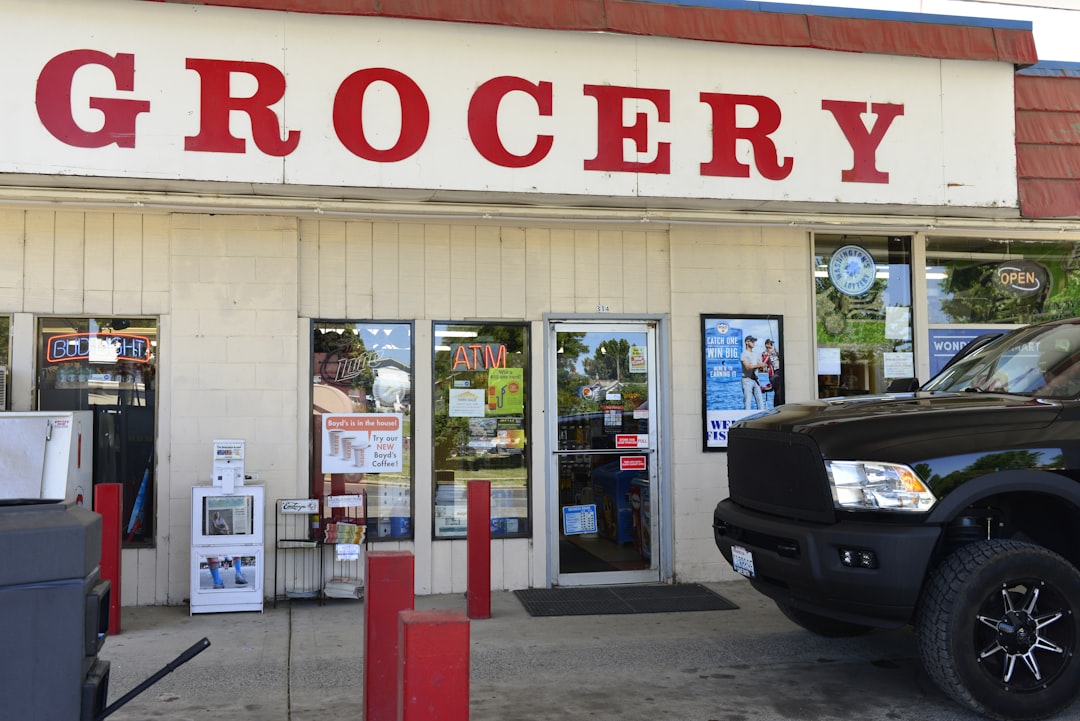
A quick trip to the supermarket for milk, eggs, and a few basics easily spirals into a $120 receipt. Food prices have climbed steadily, and for most households, the grocery bill represents the most volatile line item in the monthly budget. Yet when people look for advice on how to cut costs, the standard recommendation is almost always the same: clip coupons.
For most busy people, couponing simply isn't sustainable. Tracking down digital manufacturer discounts, organizing paper cutouts, and planning meals around odd brand promotions takes hours of effort for minimal return. Worse, coupons often tempt you to buy processed items you wouldn't otherwise purchase.
The good news? You do not need coupons to slash your grocery bill. By understanding store psychology, altering how you source ingredients, and tweaking how you organize your kitchen, you can consistently save money on groceries every single week. Here are 10 smart, zero-clipping hacks to lower your food costs starting today.
The Psychology of the Supermarket: Outsmarting the Aisles
Supermarkets are masterclasses in consumer engineering. Every sensory cue—from the smell of the bakery near the entrance to the soothing background music—is designed to slow your pace and encourage spontaneous spending. Outsmarting these design choices is the fastest way to protect your wallet.
1. Dodge the "Eye-Level Tax"
Brands pay substantial slotting fees to place their products directly at eye level (roughly four to five feet off the ground). This is prime supermarket real estate reserved for premium, high-margin brand names. To instantly uncover lower prices, make a conscious habit of scanning the top and bottom shelves. Bulk items, generic store brands, and budget alternatives are almost always tucked away near your ankles or above your head.
2. Calculate Unit Prices, Not Sticker Prices
A package with a flashy "Sale: $3.99" sticker might look like a bargain, but package sizes are frequently shrinking—a phenomenon known as shrinkflation. Instead of looking at the prominent price tag, train your eyes on the small unit price printed in the corner (usually listed as price per ounce, pound, or 100 count).
Comparing unit prices allows you to evaluate products on equal footing across different brands and container sizes. You will often discover that a slightly larger regular-priced item delivers 30% more value per ounce than the "discounted" smaller package.
Key Takeaway: Supermarkets position their highest-profit items directly in your line of sight. Always look up, look down, and verify the unit price before dropping any item into your cart.
Strategic Meal Planning: Sourcing Over Speculation
Traditional meal planning usually involves picking ambitious recipes from the internet, writing down a long list of unfamiliar ingredients, and buying them all at full price. This approach burns money and fuels food waste. Adjusting your planning workflow helps you build a realistic monthly budget that naturally keeps costs low.
3. Practice "Reverse Meal Planning"
Instead of starting your meal plan with a blank notebook, start with what you already own. Open your freezer, pantry, and produce drawers. Identify 2–3 core ingredients that need to be used before they spoil (such as black beans, rice, and frozen chicken breasts). Build your week's meals around these foundations, purchasing only the fresh herbs or vegetables needed to tie them together.
According to research on household spending compiled by Investopedia, groceries typically account for 8% to 11% of disposable income. Conducting a regular inventory before shopping prevents double-buying and cuts this recurring expense significantly.
4. Eliminate the "Convenience Tax"
Pre-cut carrots, shredded cheese, bagged salads, and pre-marinated meats provide a few minutes of time savings at a massive premium. Pre-shredded cheese, for instance, typically costs 30% to 50% more per pound than block cheese—and contains anti-caking additives like potato starch or cellulose. Spending 10 minutes grating cheese, chopping whole carrots, and slicing chicken breasts yourself can save a typical household hundreds of dollars over the course of a year.
5. Switch to Store Brands for Single-Ingredient Staples
Brand loyalty is expensive. While you might prefer a specific brand of coffee or hot sauce, basic single-ingredient items are virtually identical across manufacturers. Store-brand (private label) versions of the following staples are often produced in the very same packaging plants as their name-brand counterparts:
- Flour, sugar, oats, and rice
- Canned tomatoes, beans, and tomato paste
- Butter, milk, and eggs
- Baking soda, salt, and basic dried spices
Making a complete transition to private-label pantry staples is one of the easiest ways to save money on groceries without sacrificing flavor or quality.
Ingredient Upgrades: Smarter Swaps and Storage
How you select and store your food determines whether your dollars turn into nourishing meals or rot away in the crisper drawer.
6. Embrace Frozen Produce for Cooking
Fresh berries and leafy greens carry a short shelf life. When they spoil before you use them, you effectively throw cash directly into the compost bin. Frozen fruits and vegetables are flash-frozen at peak ripeness, preserving both nutrient density and flavor. Use frozen spinach and broccoli for soups, stir-fries, and casseroles, and keep frozen fruit on hand for smoothies and oatmeal.
7. Apply the 50/50 Meat-Stretching Rule
Meat represents one of the priciest line items on any grocery slip. You do not need to adopt a strictly vegetarian lifestyle to reduce spending; simply dilute meat with high-fiber, low-cost plant proteins. When making chili, tacos, meatballs, or bolognese, substitute half of the ground beef or turkey with:
- Cooked brown or green lentils
- Finely chopped button mushrooms
- Black beans or pinto beans
- Riced cauliflower or rolled oats
This simple habit cuts your meat expense in half while boosting fiber intake and adding richness to sauces.
8. Use Curbside Grocery Pickup to Kill Impulse Purchases
Most major grocery chains now offer free curbside pickup for orders over a modest threshold (usually $35). Ordering your groceries online eliminates exposure to end-cap displays, bakery aromas, and impulse checkout snacks. It also gives you a running total in real time, allowing you to edit items out of your digital basket if you exceed your planned limit.
Key Takeaway: Curbside pickup removes emotional triggers and gives you total visibility over your spending total before you commit to payment.
9. Master the FIFO Fridge System
Commercial kitchens rely on "FIFO" (First In, First Out) inventory management. When unpacking fresh groceries, slide older produce, open condiments, and leftover dairy toward the front of the shelf, placing the newest items in the back. Dedicate one clearly labeled plastic bin in your refrigerator as the "Eat This First" box for cut vegetables, opened cheese, and leftovers nearing expiration.
10. Shop with a Strict "Digital Envelope"
If you prefer shopping in-store, manage your spending with strict limits using budgeting strategies for variable expenses. Set a concrete spending cap for the week. Use your smartphone's calculator app to tally prices as you drop items into the cart, rounding each number up to the nearest dollar to account for local taxes and margin of error. When you hit your ceiling, you are forced to re-evaluate what stays and what goes before you reach the register.
The Real Key to Cutting Your Food Costs
Learning how to save money on groceries is not about extreme deprivation or spending Sunday afternoons cutting out paper vouchers. It is about closing the leaks in your current shopping routine. By avoiding high-markup convenience items, purchasing generic staples, and reducing avoidable food waste, you can trim 20% to 30% from your weekly food bill with zero ongoing friction.
Your Action Step for Today
Before you make your next shopping run, open your refrigerator and identify two ingredients that need to be eaten within the next 48 hours. Build tonight's dinner around those items before you write down a single item on your new grocery list.

Written by
Indrajit Mukherjee
Engineer by education, passionate coder, stock market enthusiast, and lifelong learner. I write about Growth, Productivity, Money, and Sleep — sharing practical ideas, insights, and lessons to help you work smarter, build better habits, and live a more fulfilling life.