You finish a seemingly healthy lunch—maybe a wrap with baked chips or a large fruit smoothie—and within ninety minutes, the fog rolls in. Your eyelids feel heavy, your concentration evaporates, and suddenly you are scouring the kitchen cabinets for chocolate or pouring a second cup of coffee just to survive the afternoon.
That familiar roller coaster isn't a failure of willpower. It is a physiological reaction to sharp glucose spikes followed by reactive hypoglycemia. When your body experiences rapid surges and plunges in circulating glucose, your brain signals urgent hunger and fatigue. Learning how to balance blood sugar is one of the most effective ways to reclaim steady energy, improve mental clarity, and maintain a healthy weight without counting calories or adhering to extreme dietary restrictions.
Key Takeaway: Blood sugar management is not just for diabetics. Keeping your post-meal glucose steady prevents inflammatory cascades, stabilizes mood-regulating neurotransmitters, and prevents relentless sugar cravings throughout the day.
The Science of Blood Sugar Spikes (And Why Crashes Happen)
Every time you consume carbohydrates, your digestive system breaks them down into glucose, which enters your bloodstream. In response, your pancreas secretes insulin—a hormone that acts as a key, unlocking your cells so they can absorb glucose for immediate energy or store it for later as glycogen or fat.
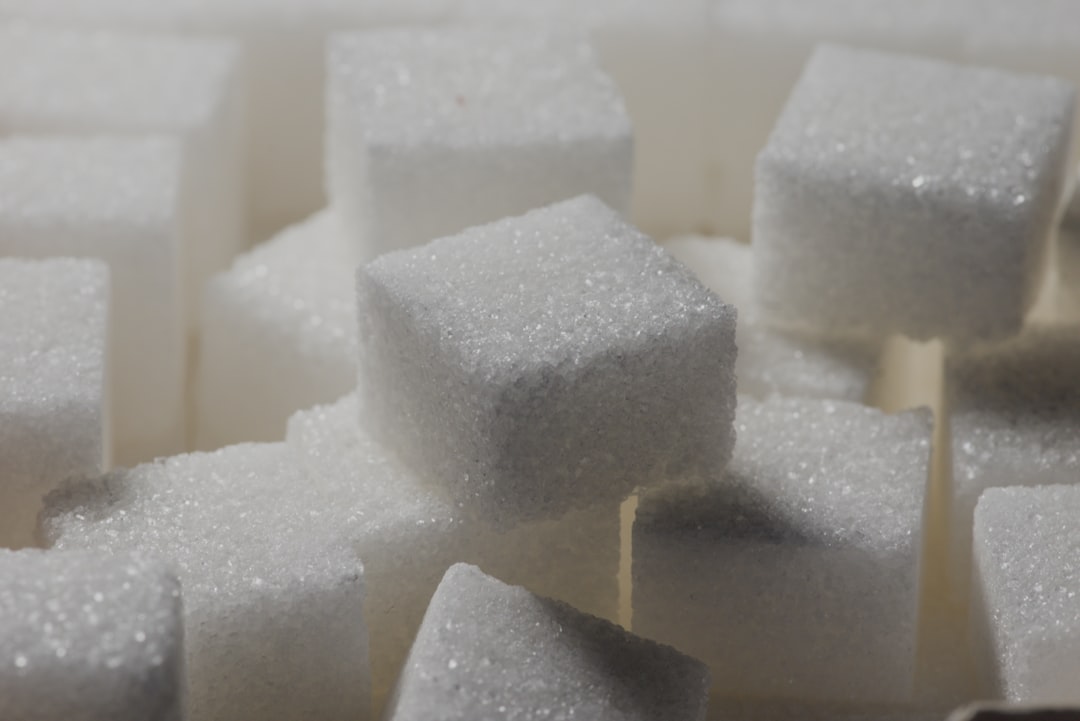
When you consume refined carbohydrates or simple sugars on an empty stomach, glucose floods the bloodstream rapidly. The pancreas responds by releasing a massive surge of insulin to clear the excess sugar quickly. This aggressive clearance often overcorrects, driving blood sugar levels lower than where they started. This dip is what triggers fatigue, irritability (often called "hanger"), brain fog, and intense cravings for fast-acting carbs.
Over time, frequent glucose spikes can lead to insulin resistance, chronic low-grade inflammation, hormonal imbalances, and disrupted metabolic health. Fortunately, adopting daily habits to balance blood sugar naturally does not require giving up carbohydrates entirely; it simply requires changing how and when you eat them.
5 Proven Daily Habits to Balance Blood Sugar Naturally
1. Master the "Fiber-First" Food Sequencing Rule
The order in which you eat the food on your plate has a measurable impact on your postprandial (post-meal) glucose response. Research shows that eating vegetables and protein before carbohydrates significantly blunts glucose and insulin spikes.
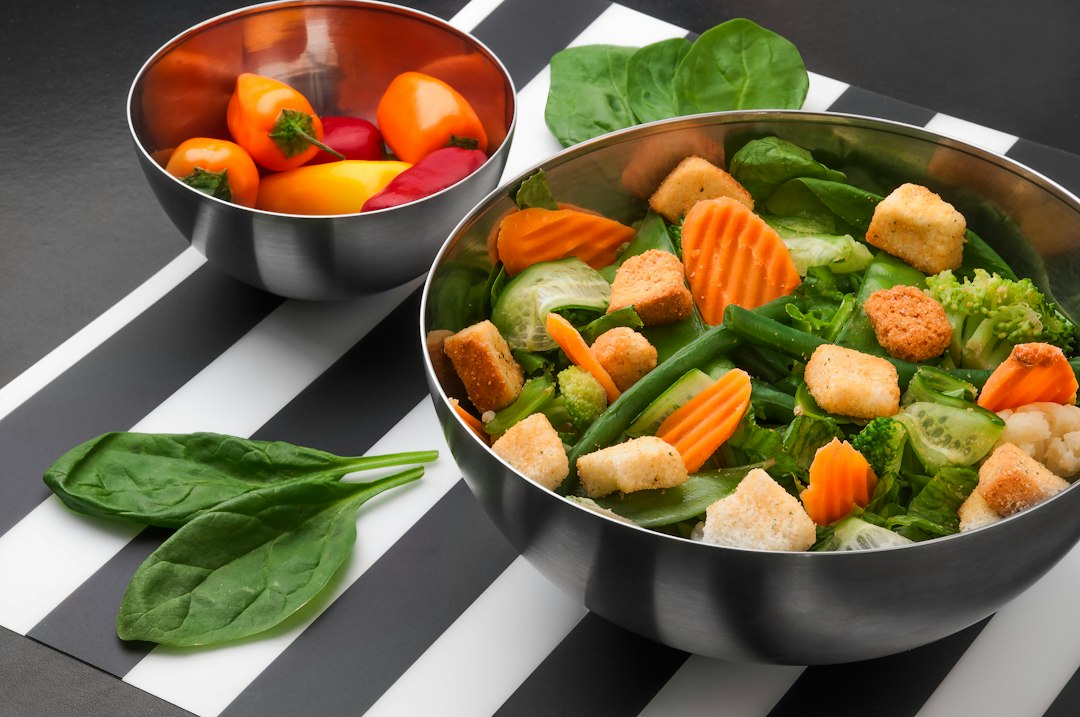
Fiber creates a viscous mesh in the upper digestive tract that slows gastric emptying and delays the absorption of glucose into the bloodstream. When you sit down for a meal, eat your salad, roasted greens, or vegetable starter first, followed by protein and fats, and finish with starches like rice, potatoes, or pasta.
2. Always "Dress" Your Carbohydrates
Naked carbs—eating a bagel, an apple, or crackers entirely on their own—digest rapidly and cause sudden glucose surges. Whenever you eat carbohydrates, pair them with "The Big Two": protein and healthy fats.
- Instead of an apple alone, pair apple slices with natural almond butter.
- Instead of plain toast, top whole-grain sourdough with mashed avocado and a poached egg.
- Instead of plain rice cakes, spread them with hummus or cottage cheese.
Pairing starches with protein and healthy fats slows digestion, resulting in a gradual, rolling release of energy rather than a steep spike. If you frequently snack on the go, keeping a stash of healthy high-protein snacks within reach makes this habit effortless.
3. Take a 10-Minute Post-Meal Stroll
Your skeletal muscles are the primary site for glucose disposal in the body. When your muscles contract during light movement, they absorb glucose directly from the bloodstream via non-insulin-dependent pathways (specifically, the translocation of GLUT4 glucose transporters).
Taking a gentle 10-to-15-minute walk within 30 minutes after finishing a meal dramatically reduces post-meal glucose peaks. You don't need an intense workout; a leisurely stroll around your neighborhood, pacing while taking a phone call, or even doing light household chores like unloading the dishwasher works wonders.
4. Utilize the Acetic Acid Hack (Apple Cider Vinegar)
Acetic acid—the primary organic compound in vinegar—temporarily deactivates alpha-amylase, an enzyme in saliva and the stomach responsible for breaking down complex carbohydrates into simple sugars. As a result, starches are digested more slowly.
Dilute one tablespoon of raw, unfiltered apple cider vinegar in a tall glass of water and drink it 5 to 10 minutes before a carbohydrate-dense meal. This simple routine can reduce the subsequent glucose spike by up to 20–30%. If vinegar causes acid reflux, simply incorporating a vinegar-based vinaigrette on your pre-meal salad provides similar benefits while improving your gut health.
5. Hydrate and Prioritize Rest
Dehydration causes blood volume to decrease, which concentrates the glucose in your bloodstream and elevates readings. Drinking adequate water throughout the day ensures optimal kidney function, allowing your body to flush out excess sugar through urine.
Equally critical is sleep quality. Even a single night of fragmented or restricted sleep increases cortisol and growth hormone levels, inducing temporary insulin resistance the following morning. Establishing a regular sleep routine helps balance blood sugar baseline levels before you even take your first bite of food.
Key Takeaway: Never eat naked carbs. Always buffer carbohydrates with fiber, healthy fats, and quality protein, and follow your largest meal with a brief 10-minute walk to optimize glucose clearance.
Easy, Delicious Recipes Designed to Balance Blood Sugar
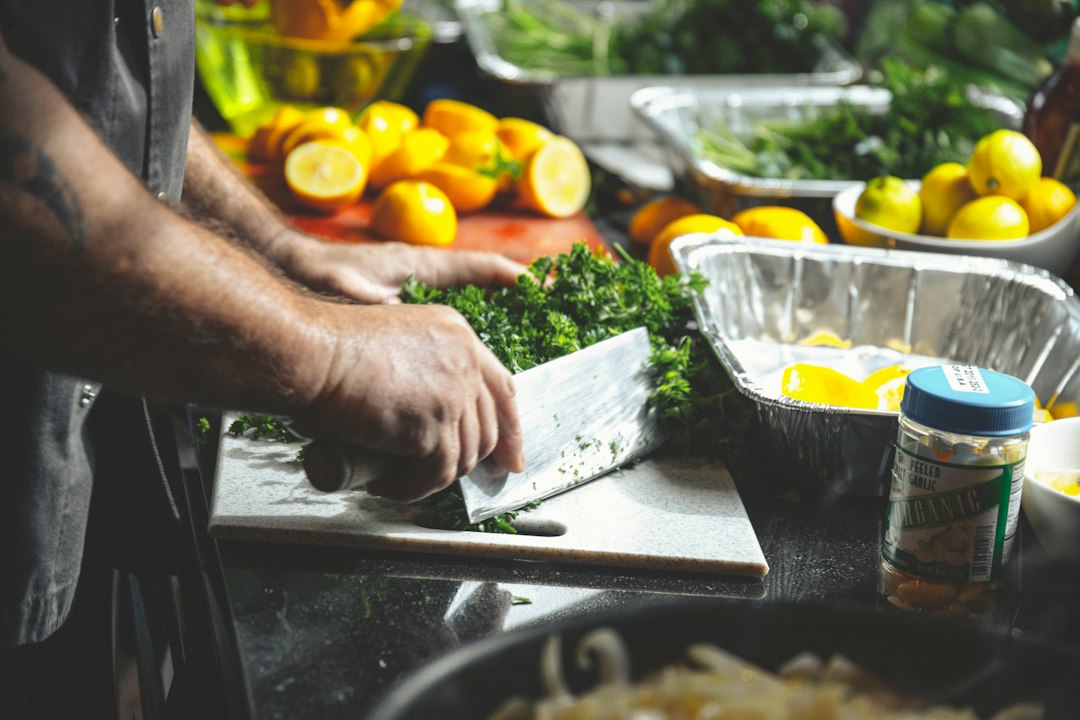
Eating for metabolic health should never feel restrictive or bland. These quick recipes combine high fiber, bioavailable protein, and anti-inflammatory fats to keep your energy rock-solid for hours.
1. The 5-Minute Savory Breakfast Scramble
Starting the day with a savory, protein-forward meal prevents the morning glucose spike that often triggers afternoon cravings.
- Ingredients: 2 whole pastured eggs, 2 tbsp crumbled feta or goat cheese, 1 cup baby spinach, 1/4 avocado (sliced), 1 tsp extra virgin olive oil, pinch of sea salt, black pepper, and chili flakes.
- Instructions: Heat olive oil in a skillet over medium heat. Sauté spinach until wilted (about 1 minute). Whisk eggs with salt and pepper, pour into the pan, and scramble gently until set. Top with crumbled feta, sliced avocado, and chili flakes. Serve alongside half a cup of fresh berries if desired.
2. Low-Glycemic Green Power Smoothie
Traditional fruit smoothies can pack 40+ grams of fast-digesting liquid sugar. This modified blend delivers micronutrients and creamy texture without the glucose spike.
- Ingredients: 1 cup unsweetened almond milk, 1 scoop clean vanilla protein powder (whey isolate or pea protein), 1 handful frozen cauliflower rice (creates creaminess without flavor), 1 handful fresh baby spinach, 1 tbsp chia seeds, 1 tbsp unsweetened almond butter, 1/3 cup frozen blueberries, 1/2 tsp ground cinnamon.
- Instructions: Add all ingredients to a high-speed blender. Blend on high for 60 seconds until completely smooth. The cinnamon adds warmth while offering additional insulin-sensitizing properties.
3. 15-Minute Mediterranean Salmon & Chickpea Skillet
This balanced dinner requires minimal cleanup and leverages practical meal prep strategies to save time on busy weeknights.
- Ingredients: 1 wild salmon fillet (5–6 oz), 1/2 cup canned chickpeas (rinsed and drained), 1 cup cherry tomatoes (halved), 1/2 medium zucchini (diced), 1 tbsp olive oil, 1 clove garlic (minced), 1 tsp dried oregano, lemon wedges.
- Instructions: Heat olive oil in a large skillet over medium-high heat. Add salmon skin-side down and cook for 4 minutes. Scatter chickpeas, tomatoes, zucchini, garlic, and oregano around the salmon. Flip the salmon and cook for another 3–4 minutes until vegetables are tender and fish is cooked through. Finish with a squeeze of fresh lemon juice.
Hidden Traps That Secretly Spike Blood Sugar
Many modern foods marketed as "healthy" produce dramatic glycemic responses. Watch out for these common offenders:
- Oat Milk Lattes: Oat milk is produced by enzymatically breaking down oats into liquid maltose, a high-glycemic sugar that digests faster than table sugar. Swap oat milk for unsweetened almond milk, macadamia milk, or whole organic milk.
- Fat-Free Foods: When food manufacturers remove fat from yogurt, dressings, or snacks, they almost universally replace it with added starches and sugars to preserve texture and flavor. Opt for full-fat, unsweetened versions.
- Acai and Fruit Bowls: While packed with antioxidants, commercial acai bowls often contain blended fruit puree sweetened with apple juice, topped with granola and honey, delivering upwards of 60 grams of pure sugar in one sitting.
Your Action Step for Today
You don't need to overhaul your entire lifestyle overnight to start seeing real results. Pick just one meal today—whether lunch or dinner—and apply the fiber-first rule: eat your greens and vegetables first, your protein second, and your starches last. After you finish, step outside for a 10-minute walk.
Notice how you feel two hours later. By eliminating the glucose roller coaster, you will experience steady, lasting energy throughout the rest of your day.

Written by
Nibedita Basu
English graduate and social worker with a passion for creating a warm, happy, and meaningful life. I write about Home, Food, and Pets — sharing practical ideas, everyday inspiration, and simple joys that make life more comfortable, wholesome, and fulfilling.