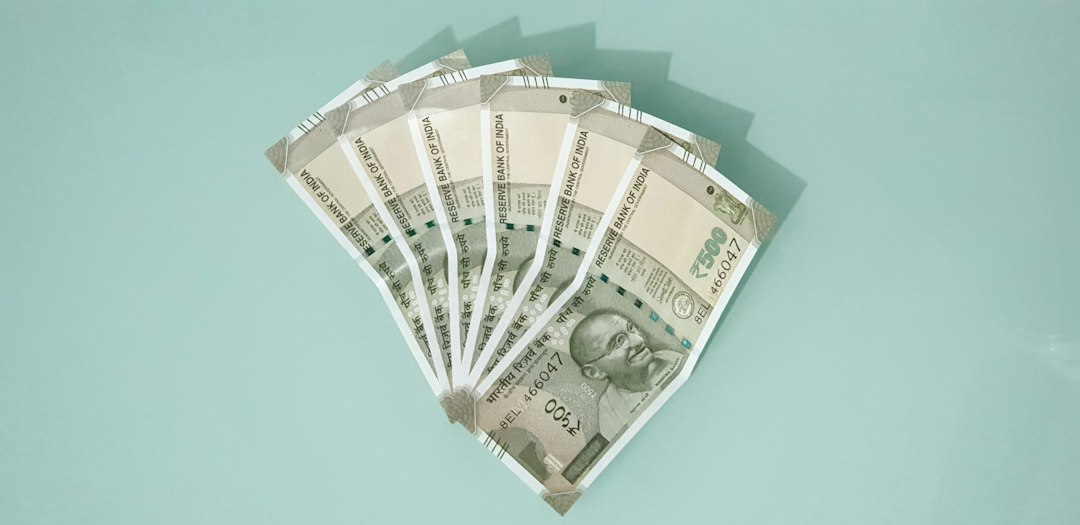
Saving half a million rupees sounds intimidating when you look at it as a lump sum. Whether you are aiming to buy your first apartment, upgrade to a family car, or secure commercial property, the upfront cash requirement is often the single biggest hurdle standing between you and your goal.
Here is the reality: accumulating ₹5,00,000 in 36 months does not require an executive salary or radical deprivation. It comes down to basic math, automated systems, and choosing the right savings instruments. When you break the figure down into manageable monthly milestones, the path becomes remarkably clear.
This step-by-step roadmap shows you how to structure your cash flow, optimize your returns, and comfortably save for down payment goals without derailing your lifestyle.
Key Takeaway: To hit ₹5,00,000 in 3 years without market risk, you need to set aside approximately ₹12,700 to ₹13,900 per month depending on the interest rate of your chosen vehicle.
The Math: Breaking Down the ₹5 Lakh Target
Before cutting expenses or opening new accounts, look at the exact numbers. Thirty-six months give you three full annual cycles to accumulate your funds.
Scenario A: The Zero-Interest Mattress Method
If you stash money under a mattress or in a zero-interest checking account, the math is straightforward:
- Total Needed: ₹5,00,000
- Timeline: 36 Months
- Monthly Savings Required: ₹13,889 per month
While ₹13,889 is manageable for many dual-income households or mid-career professionals, you do not have to carry the entire burden alone. Putting your money to work in conservative, interest-bearing instruments reduces your required monthly out-of-pocket contribution.
Scenario B: Earning 6.5% to 7.5% Annual Returns
A 3-year horizon is too short for volatile stock investments, but ideal for high-interest fixed deposits, recurring deposits (RDs), or conservative short-duration debt funds. Here is what your monthly contribution looks like with compounding interest:
- At 6.5% Annual Yield (e.g., Bank Recurring Deposit): ~₹12,650 per month
- At 7.5% Annual Yield (e.g., Corporate FD or Short-Term Debt Fund): ~₹12,450 per month
By capturing conservative interest, you save between ₹45,000 and ₹52,000 in out-of-pocket contributions over three years, making it much easier to save for down payment milestones without overwhelming your monthly budget.
Where to Keep Your Down Payment Fund
Where you store short-term savings is just as important as how much you save. A common mistake is putting down payment money into high-risk equity mutual funds hoping to double it quickly. If the market dips 15% right before your target date, your purchase timeline gets delayed by years.
Understanding standard down payment structure and requirements helps clarify why capital preservation is your highest priority for a three-year goal.
1. Bank Recurring Deposits (RDs)
Recurring deposits remain one of the most reliable options for disciplined savers. You lock in a fixed interest rate (currently ranging between 6.5% and 7.5% across major Indian scheduled banks) and automate a monthly debit from your primary account.
- Pros: Guaranteed return, zero market risk, high automation.
- Cons: Premature withdrawal penalties; interest earned is fully taxable according to your income tax slab.
2. Arbitrage Funds or Liquid Mutual Funds
If you are in the 30% tax bracket, debt-like returns from arbitrage funds may offer superior post-tax efficiency because they are treated as equity for taxation purposes if held for over a year.
- Pros: High liquidity, potential for tax-efficient returns of 6.5%–7.2%.
- Cons: Yields fluctuate slightly based on market spreads.
3. High-Yield Savings Sub-Accounts
Several small finance banks and modern digital banking apps offer 6.0% to 7.0% on savings account balances above specific thresholds. If you want maximum flexibility to adjust monthly deposits without RD lock-ins, this is a practical choice. Pair this with a dedicated sinking fund strategy to keep these savings isolated from your everyday spending cash.
Key Takeaway: When your goal is to save for down payment funds over a short three-year window, your primary enemy is volatility, not missing out on stock market rallies. Focus on capital preservation and guaranteed liquidity.
A 3-Pillar Plan to Find ₹13,000 Every Month
Finding ₹13,000 in your existing monthly budget might seem challenging, but you rarely need to pull the full amount from one place. Distribute the effort across three distinct pillars: expense trimming, automated transfers, and strategic windfall allocation.
Pillar 1: Trim Everyday Leaks (Target: ₹5,000/month)
You do not need to abandon social outings or live on lentils to free up cash. Look for recurring, invisible leaks that provide little happiness:
- Audit App Subscriptions and Streaming: Most households carry 4–6 active subscriptions (OTT platforms, fitness apps, cloud storage) while actively using only two. Cutting unused services reclaims ₹1,000 to ₹1,500 monthly.
- Set a Dining Out and Delivery Ceiling: Ordering food through apps twice a week typically costs ₹3,000 to ₹5,000 per month in service fees, delivery charges, and markups. Preparing meals at home one additional night per week easily saves ₹2,500 monthly.
- Review Motor and Health Insurance Add-ons: When policies renew, comparison shop on aggregator platforms instead of auto-renewing. Raising voluntary deductibles or dropping unnecessary riders can save ₹1,000 monthly when calculated over a year.
If you need a systematic way to track these shifts, try using a monthly cash flow audit to spot hidden spending trends before the money disappears.
Pillar 2: Automate Pay-Yourself-First Transfers (Target: ₹5,000/month)
Human willpower fails when faced with thirty days of spending decisions. If you wait to save whatever is left at the end of the month, the answer will almost always be zero.
Set an automated standing instruction for your Recurring Deposit or SIP for the 2nd or 3rd day of the month—right after your salary hits your account. Treating your down payment contribution like a mandatory utility bill removes emotional decision-making from the process. Automating your contributions is the most reliable way to save for down payment expenses consistently.
Pillar 3: Monetize Windfalls and Periodic Bumps (Target: ₹3,000/month equivalent)
Do not rely solely on your standard monthly paycheck. Most professionals receive irregular lump sums throughout the year:
- Annual Performance Bonuses: Direct 50% of any annual corporate bonus or appraisal payout straight into your down payment fund.
- Tax Refunds: Allocate tax refunds immediately to an FD rather than spending them on impulse purchases.
- Festive Gifts and Cash Rewards: Channel Diwali bonuses or family cash gifts directly into the fund.
An annual bonus of ₹36,000 equals ₹3,000 per month toward your target over the year, reducing the monthly pressure on your primary paycheck.
Accelerate Your Timeline: Side Income Ideas
If your budget has zero room for adjustments, increasing your income is the next logical step. Generating an extra ₹4,000 to ₹6,000 per month can cut months off your savings timeline.
- Freelance Skills: Offer copywriting, graphic design, social media scheduling, or bookkeeping on freelance platforms for 4–5 hours on weekends.
- Declutter and Sell: Look around your home. Old smartphones, unused fitness equipment, electronics, and furniture sold on secondhand marketplaces can generate an immediate ₹15,000 to ₹30,000 seed fund to start your balance.
- Monetize Expertise: Offer 1-on-1 consultations, tutoring, or resume reviews in your professional niche via LinkedIn or professional networks.
For structured approaches to generating supplementary cash flow, explore our guide on side income strategies for working professionals to identify high-leverage opportunities that fit your schedule.
Milestone Checklist: Tracking Your 3-Year Progress
Tracking your progress across clear checkpoints keeps your motivation high across thirty-six months:
- Month 6 Milestone: ₹80,000 (Your habit is solidified; momentum builds)
- Month 12 Milestone: ₹1,65,000 (First major psychological barrier passed)
- Month 24 Milestone: ₹3,35,000 (The end goal is within sight; compound interest accelerates returns)
- Month 36 Milestone: ₹5,00,000+ (Goal achieved and ready for deployment)
Use a simple spreadsheet or mobile app to log your balance at the end of every quarter. Celebrating these incremental wins prevents savings fatigue and helps you consistently save for down payment requirements on your target asset.
What to Do Today
A goal without an immediate first step is just a wish. You do not need to overhaul your entire lifestyle this afternoon, but you do need to create forward momentum.
Your immediate task: Log into your primary banking portal today and set up a dedicated 36-month Recurring Deposit or automated transfer for ₹12,700 scheduled for your next salary date. If ₹12,700 feels too steep this month, start with ₹5,000 and increase it next month after completing your expense audit. The critical step is establishing the dedicated account right now.

Written by
Indrajit Mukherjee
Engineer by education, passionate coder, stock market enthusiast, and lifelong learner. I write about Growth, Productivity, Money, and Sleep — sharing practical ideas, insights, and lessons to help you work smarter, build better habits, and live a more fulfilling life.