You sit down at 9:00 AM, set a 25-minute timer, and resolve to crush your most critical project. Four minutes in, a high-priority Slack notification flashes. At minute twelve, you hit a brilliant breakthrough in your code or copywriting draft, only for a harsh digital ringtone to scream that your time is up.
You dutifully step away for your mandatory five-minute break, scroll through social media feeds, and return to your desk feeling more fractured than when you started. By 2:00 PM, you have completed six intervals on paper, but your actual output feels disjointed, shallow, and exhausting.
The traditional Pomodoro Technique, invented by Francesco Cirillo in the late 1980s, was designed for a world of physical textbooks and analog desk setups. Today's knowledge work is fundamentally different: cognitive tasks vary in complexity, digital interruptions are pervasive, and flow states take time to cultivate. To unlock true productivity without burning out, you need an upgrade: the advanced Pomodoro technique, otherwise known as Pomodoro 2.0.
Key Takeaway: Classic timeboxing treats all tasks as identical 25-minute blocks. The advanced Pomodoro framework adapts interval length to task complexity, protects emergent flow states, and optimizes physiological recovery between sprints.
Why Classic Pomodoro Fails Knowledge Workers
The standard 25/5 rhythm (25 minutes of work followed by a 5-minute break) is an exceptional starting point for beating procrastination. It provides a low barrier to entry for a sluggish brain. However, for intermediate and high-performing professionals, the rigid formula creates three distinct points of friction:
- The Flow-State Penalty: Deep cognitive tasks—such as architectural design, data modeling, or strategic writing—often require 15 to 20 minutes just to load the relevant context into your working memory. Forcing a hard stop at minute 25 breaks the mental loop right when your brain enters peak alpha-wave focus.
- The "Junk Break" Trap: Most people spend their 5-minute pauses checking emails, news feeds, or group chats. This introduces immediate attention residue, flooding your working memory with novel inputs that sabotage the next focus block.
- Context-Blind Scheduling: A quick administrative task (like approving invoices) does not require the same cognitive architecture as drafting a multi-quarter strategy. Treating them with identical intervals leads to artificial drag or premature mental fatigue.
According to research on human cognitive performance and ultradian rhythms, the brain naturally cycles through peaks of high alertness and troughs of physical fatigue in roughly 90-minute waves. An effective focus system must work with these biological cycles rather than fighting them.
The 4 Pillars of the Advanced Pomodoro Technique
Pomodoro 2.0 transforms a rigid kitchen timer into a dynamic cognitive operating system. Here is how to construct your high-yield focus engine.
1. Variable Time-Boxing (The Dynamic Sprint)
Instead of locking every single task into a 25-minute box, categorize your daily to-do list into three operational gears:
- Sprint Gear (25/5): Ideal for low-to-medium cognitive loads, administrative clearing, email triage, and overcoming acute task resistance.
- Deep Flow Gear (50/10): The gold standard for substantive creative and analytical work. Fifty minutes gives you enough runway to achieve deep immersion while ensuring you take a breather before cognitive decline begins.
- Ultradian Deep Dive (90/20): Reserved for complex, high-stakes tasks like systems engineering, long-form composition, or complex financial forecasting. Pair this with a substantial 20-minute restorative break.
By matching interval length to task complexity, this advanced Pomodoro technique eliminates artificial interruptions during peak creative insight while preserving the discipline of structured boundaries.
2. The "Flow Extension" Protocol
What should you do when your 50-minute timer sounds and you are in the middle of a major breakthrough? In standard Pomodoro, you stop immediately. In Pomodoro 2.0, you apply the Plus-15 Rule.
When the timer chimes, do a rapid two-second mental check. If you have clear momentum and a distinct finish line in sight for the current sub-task, hit a quick 15-minute extension. Cap your extension at one cycle, then take a proportionally longer break (e.g., 15 minutes instead of 10). This preserves the integrity of your deep work while safeguarding against hyper-focus burnout.
Key Takeaway: Never sacrifice a genuine flow state for a timer. Use the Plus-15 Rule to ride mental momentum to a natural stopping point, then reward your brain with an expanded recovery window.
3. Active Interruption Logging (Context Shelving)
Internal distractions (e.g., remembering to buy dog food or wondering about a project deadline) derail more focus blocks than external pings. Rather than switching tabs or attempting to suppress the thought, use a dedicated Distraction Ledger.
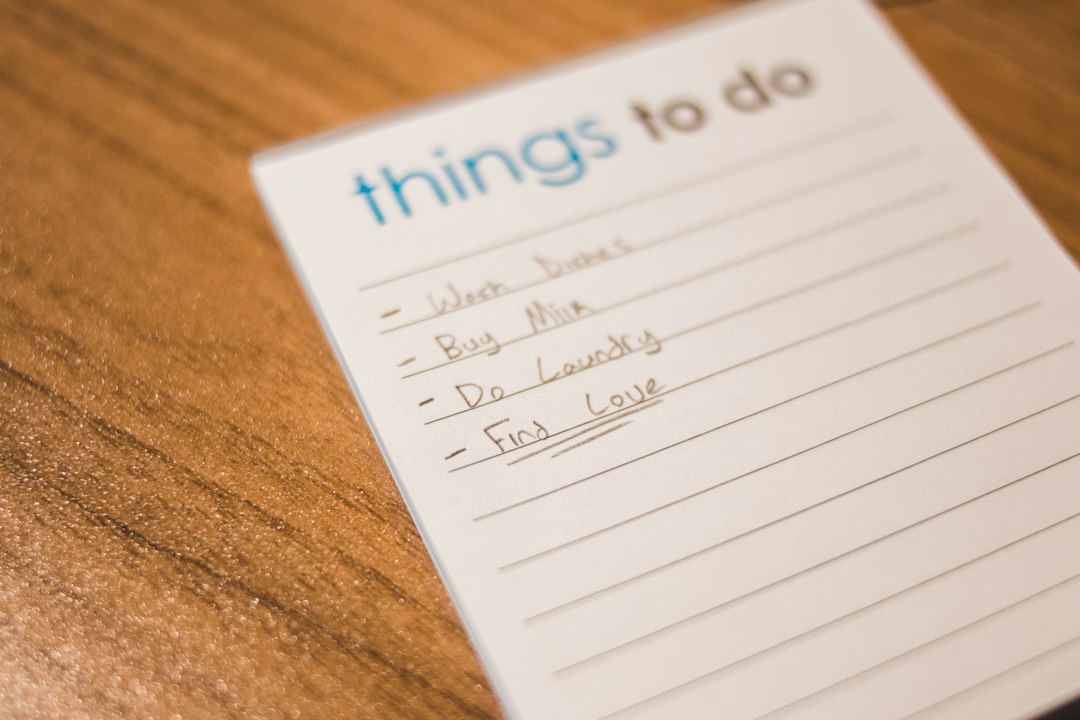
Keep a physical notepad next to your keyboard. The second an intrusive thought arrives, jot it down in five words or fewer (e.g., "Check flight prices to Chicago"), then immediately return to your primary task. Writing it down signals to your brain that the data is safely captured, eliminating the cognitive friction of trying to remember it while keeping your primary focus intact. You can process this ledger during your daily shutdown routine.
4. Low-Dopamine Biological Rest
A break is not just a gap between work blocks; it is an active neurochemical reset. When you spend your 5-to-10-minute break looking at a smartphone, your visual field remains narrow and your brain continues processing rapid inputs. This prevents your nervous system from downshifting.
Upgrade your rest intervals with these evidence-based reset habits:
- Optic Flow (Panoramic Vision): Step onto a balcony or look out a window. Relax your eyes and take in the widest peripheral field of view possible. This physically triggers your parasympathetic nervous system to lower heart rate and reduce stress.
- Hydration & Micro-Movement: Drink a glass of cold water and do 60 seconds of gentle stretching or air squats to flush stagnant blood from your lower extremities.
- Zero-Input Breathing: Sit with your eyes closed and practice box breathing (4 seconds in, 4 seconds hold, 4 seconds out, 4 seconds hold) for two minutes.
The Daily Architecture: Putting Pomodoro 2.0 into Action
To implement the advanced Pomodoro technique without getting overwhelmed, organize your day into structured focus blocks rather than a continuous marathon:
- Morning Calibration (9:00 AM – 9:15 AM): Review your priority tasks. Assign each item an operational gear (25/5, 50/10, or 90/20) and prep your physical workspace. Clear unnecessary browser tabs before the first timer starts.
- Block 1: Deep Analytical Work (9:15 AM – 10:45 AM): Run one 90/20 ultradian block or two consecutive 50/10 sessions tackling your single most important deliverable.
- Block 2: Tactical Execution (11:00 AM – 12:00 PM): Run two 25/5 sprint blocks to knock out administrative obligations, quick communication, and ledger follow-ups.
- Midday Decompression (12:00 PM – 1:00 PM): Full disconnection from screens, lunch, and physical movement.
- Block 3: Collaborative or Secondary Deep Work (1:30 PM – 3:30 PM): Two 50/10 intervals dedicated to project reviews, client proposals, or content production.
- Block 4: Inbox & Wrap-Up (4:00 PM – 4:45 PM): Final sprint blocks to close open loops, review your distraction ledger, and organize tomorrow's docket using smart time management strategies.
Common Pitfalls to Avoid
Even seasoned practitioners can stumble when adapting to an advanced workflow. Keep an eye out for these frequent mistakes:
Overestimating Stamina: Attempting to run four 90-minute blocks in a single day will drain your mental energy by mid-afternoon. Limit yourself to one or two 90-minute sessions per day; use 50-minute and 25-minute blocks for the rest.
Failing to Communicate Your Sprints: If your team expects real-time replies on chat apps, an unannounced 90-minute focus block can cause anxiety. Set your status indicator to a timer emoji with a clear note (e.g., "Deep Focus sprint until 11:30 AM") to set clear expectations.
Skipping the Distraction Ledger: If you try to hold random thoughts in your head or jump between tabs to handle quick chores, you immediately destroy the compounding benefits of focused attention. Write it down, park it, and stay in the sprint.
Your Action Step for Today
Do not try to overhaul your entire schedule right now. Instead, run a single trial run of the advanced Pomodoro technique on your toughest pending task today:
Pick one challenging project you have been putting off. Set a timer for 50 minutes, open a blank notepad for your Distraction Ledger, close all background tabs, and work on that single task until the bell rings. When the timer goes off, resist the urge to look at your phone—walk to a window, drink a glass of water, and give your mind five full minutes of genuine rest.

Written by
Indrajit Mukherjee
Engineer by education, passionate coder, stock market enthusiast, and lifelong learner. I write about Growth, Productivity, Money, and Sleep — sharing practical ideas, insights, and lessons to help you work smarter, build better habits, and live a more fulfilling life.