
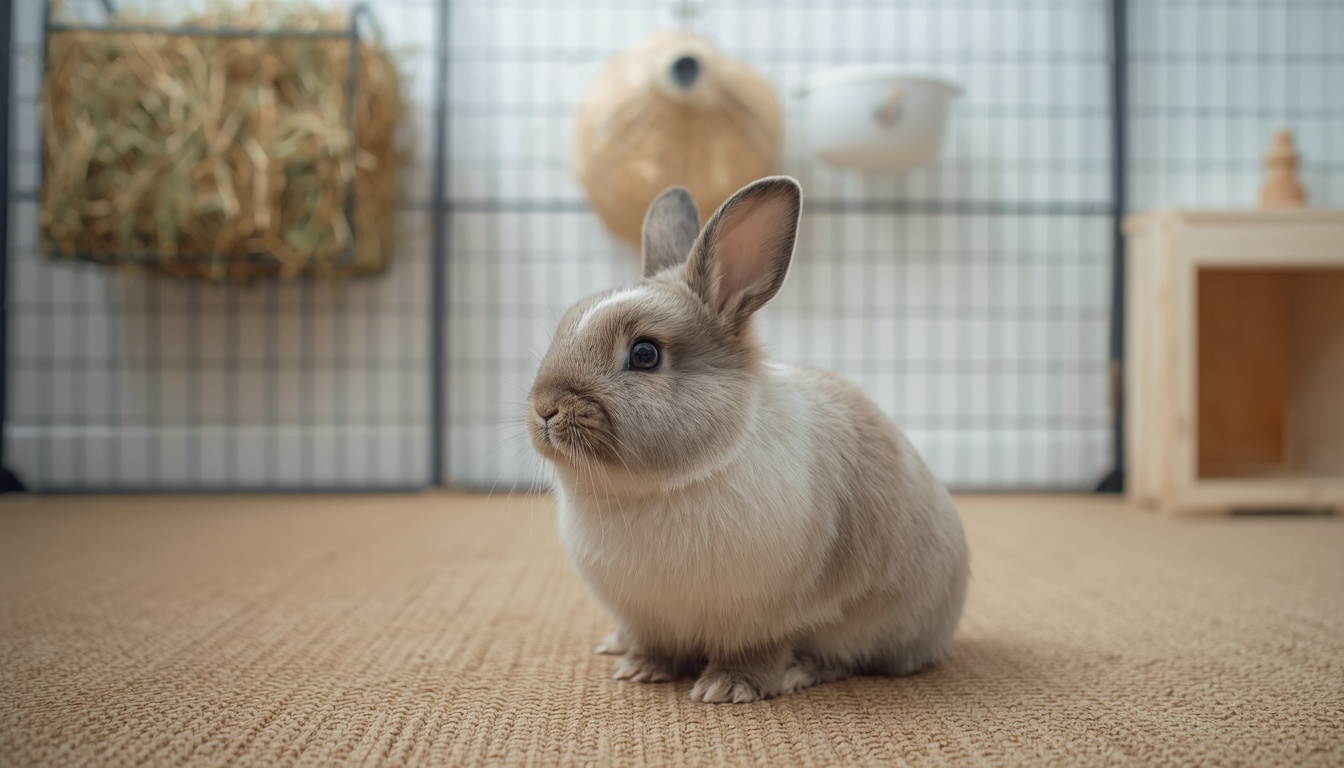
Did you know there are over 50 recognised rabbit breeds worldwide? Each breed carries its own personality, coat type, activity level, and care requirements. Yet most first-time owners choose a rabbit based on appearance alone—and find themselves overwhelmed within weeks of bringing one home. If you are exploring the best rabbit breeds for beginners, this guide was built for you. Whether you live in a compact city apartment or a spacious home with a garden, the breed you choose shapes everything that follows. The right match means a healthier rabbit, fewer surprises, and a far more rewarding experience as a first-time owner.
In this guide, you will find the top beginner-friendly rabbit breeds, their key personality traits, and the essential rabbit care tips every new owner must follow. We cover housing setup, diet, grooming routines, and the most common beginner mistakes—so you feel confident and fully prepared before your rabbit arrives home.
Once you have made your choice, dive deeper with our complete rabbit care guide for detailed, breed-specific advice on keeping your new pet happy and healthy.
What Is a Rabbit Breed Guide—and Why Do You Need One?
A rabbit breed guide breaks down the key differences between rabbit types before you adopt. It covers temperament, body size, coat type, activity level, and specific care requirements for each breed. The goal is straightforward: help you make an informed decision rather than an impulsive one at the pet store.
This matters more than most new owners realise. Rabbits are not one-size-fits-all pets. Understanding rabbit breed characteristics before you bring one home prevents the mismatches that lead to stress, costly vet bills, and—in the worst cases—rehoming. The best rabbit breeds for beginners share a few key traits: calm temperament, manageable size, and adaptability to indoor living. This guide covers those breeds specifically—so you make the right choice before you adopt, not after.
There are three main size categories you need to know:
- Small breeds (under 4 lbs): Holland Lop, Netherland Dwarf, Mini Rex. These adapt well to apartments and smaller homes with limited floor space.
- Medium breeds (4–8 lbs): Dutch Rabbit, Rex, Mini Lop. These are the most popular choice among beginners for their calm, balanced nature and manageable size.
- Large breeds (over 8 lbs): Flemish Giant, French Lop. These need significantly more space and feeding costs, and they suit more experienced rabbit owners.
According to the American Rabbit Breeders Association (ARBA), there are 51 officially recognised rabbit breeds in the United States alone. Each has distinct traits shaped by generations of selective breeding—which is exactly why a breed guide is essential before you adopt.
If you are new to exotic pets, our exotic pet care guide explains how rabbit ownership differs from keeping cats or dogs, and what to prepare for in advance.
Why Choosing the Right Rabbit Breed Matters
Picking the wrong rabbit breed is the single most common mistake first-time owners make. Many people visit a pet store, fall in love with a fluffy face, and bring a rabbit home on impulse. Within weeks, they discover the rabbit dislikes being handled, requires more grooming than expected, or needs far more space than their home allows.
Choosing the right rabbit breed upfront changes the entire ownership experience. Here is why breed fit matters so much:
Temperament affects bonding. Breeds like the Holland Lop and Mini Rex are naturally affectionate and enjoy regular human contact. Others, such as the Netherland Dwarf, can be shy or skittish when young. Beginners consistently do better with calm, sociable breeds that respond well to gentle handling from their first days at home.
Size affects daily costs. Large breeds eat more food, need bigger enclosures, and tend to cost more at the vet due to their body weight. A small or medium breed is far more manageable on a beginner’s budget.
Coat type determines grooming commitment. Short-haired breeds need minimal brushing—once a week is enough. Long-haired breeds like Angoras require daily grooming to prevent painful matting. If your schedule is busy, a short-coat breed is the smarter, more sustainable choice.
Activity level affects your daily routine. High-energy breeds need longer free-roam sessions and more enrichment throughout the day. Lower-energy breeds settle happily with shorter play periods. Matching energy levels prevents frustration for both you and your rabbit over the long term.
The House Rabbit Society highlights that mismatched owner-rabbit pairings are among the top reasons rabbits are surrendered to shelters each year. A solid rabbit temperament guide helps you avoid that outcome entirely before it becomes a problem.
Before you choose your breed, read our rabbit housing setup guide to understand exactly how breed size affects the space requirements you will need to plan for.
Best Rabbit Breeds for Beginners: Our Top Five Picks
These five breeds consistently rank among the best rabbit breeds for beginners. They are friendly, manageable in size, well-suited to indoor living, and resilient enough for new owners who are still developing their rabbit care skills.
1. Holland Lop
The Holland Lop is one of the most popular pet rabbit breeds in the world—and for good reason. These small, floppy-eared rabbits weigh just 2–4 lbs and are known for their calm, affectionate personalities. They rarely bite, enjoy being held, and bond quickly with their owners. Their short, dense coat needs brushing once or twice a week. Holland Lops adapt exceptionally well to apartment living and are patient and gentle with children. For most new owners, the Holland Lop is the perfect starting point.
2. Mini Rex
The Mini Rex is one of the best low-maintenance rabbit breeds on this list for beginners. They weigh 3.5–4.5 lbs and have an unusually soft, velvety coat that requires very little grooming effort. Mini Rex rabbits are curious, playful, and bond well with their owners over time. Their compact size makes them ideal for smaller living spaces, yet they have enough personality and energy to keep you engaged every day.
3. Dutch Rabbit
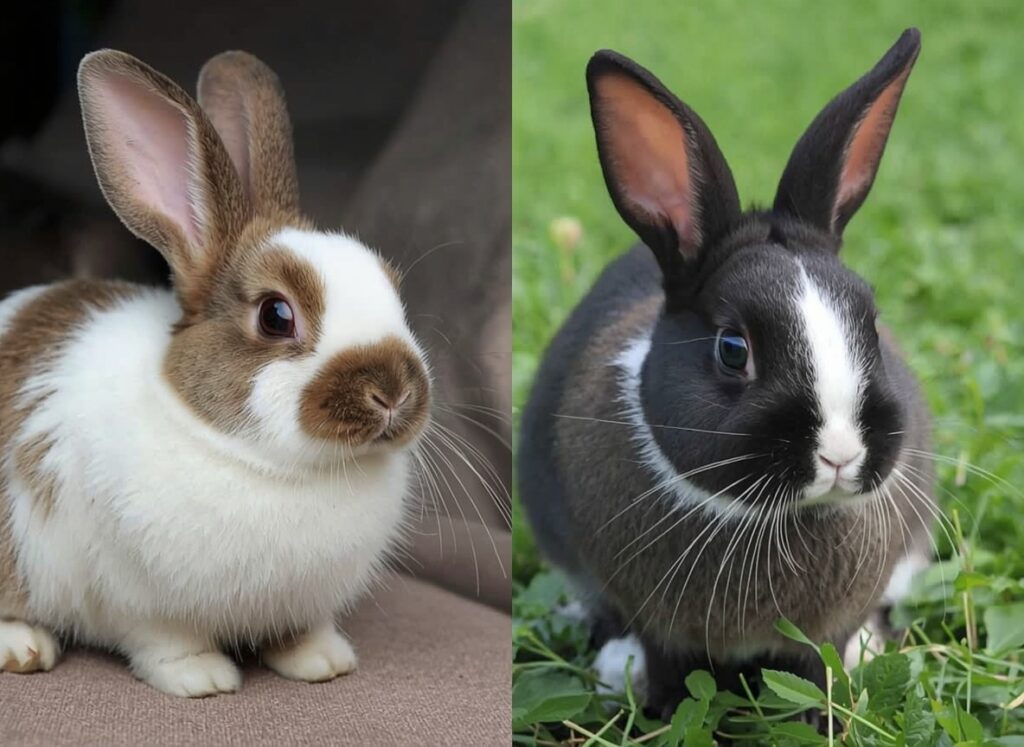
The Dutch rabbit is one of the oldest recognised breeds in the world—and one of the most reliably friendly. Weighing 4–5.5 lbs, Dutch rabbits are calm, sociable, and patient with children, making them excellent family pets. Their short, neat coat requires minimal grooming. The Dutch rabbit’s balanced scores on any rabbit temperament guide make it one of the most consistently recommended beginner breeds across every country and climate.
4. Lionhead Rabbit
The Lionhead is a newer breed, immediately recognisable by its distinctive woolly mane. These compact rabbits (2.5–3.5 lbs) are playful, affectionate, and form strong bonds with their owners through regular interaction. Their mane requires a few extra minutes of brushing compared to short-haired breeds. However, their warm, sociable personality more than compensates for that small extra effort. They thrive in smaller spaces and love daily attention and playtime.
5. Rex Rabbit
The Rex is a medium-to-large breed (7–10 lbs) with a plush, velvety coat and a notably calm, gentle disposition. They are quiet, patient, and excellent with families who have young children at home. Their coat is easy to maintain with minimal brushing, and they adapt well to indoor environments. The Rex is especially popular among beginners who want a larger rabbit with an easy-going, predictable nature.
These five breeds represent the best rabbit breeds for beginners across a wide range of sizes and personalities. Visit our complete rabbit care guide for breed-specific diet, housing, and grooming recommendations for each one.
Essential Pet Rabbit Care Tips for New Owners
Once you have chosen your breed, solid pet rabbit care tips become your daily framework. Whether you selected one of the best rabbit breeds for beginners from our list above or a different breed you researched separately, these core care principles apply universally. Rabbits have specific needs that differ significantly from cats and dogs. Meeting those needs from day one builds a healthy, confident rabbit—and a capable, comfortable owner who knows what to do in any situation.
Set Up a Safe, Spacious Enclosure
Your rabbit’s home base should be at least four times its full body length when fully stretched out. Wire-bottom cages are strongly discouraged—they cause sore hocks, a painful foot condition that many new owners do not notice until it becomes serious. Instead, use a solid-base enclosure lined with paper-based bedding or a soft layer of hay.
- Keep the enclosure in a cool, quiet room (ideal temperature: 15–21°C / 60–70°F)
- Avoid direct sunlight and cold drafts, both of which cause temperature stress
- Include a wooden hiding box so your rabbit has a private, secure retreat
- Refresh bedding every 2–3 days to control ammonia buildup and prevent foot infections
Provide Daily Exercise and Enrichment
Rabbits need at least 3–4 hours of supervised free-roam time every day. Regular exercise prevents obesity, boredom-driven chewing, and joint stiffness. Set up a dedicated rabbit-proofed play zone—remove all electrical cables, toxic houseplants, and small objects they might chew or accidentally swallow.
Enrichment matters just as much as exercise. Cardboard tunnels, untreated wooden chew blocks, and hay-stuffed toys keep rabbits mentally stimulated between play sessions. An active, engaged rabbit is calmer, healthier, and far easier to handle during grooming and vet visits.
Build a Consistent Grooming Routine
Good rabbit health and grooming habits start from your rabbit’s first week at home. Short-haired breeds like the Dutch Rabbit and Mini Rex need brushing once a week. Long-haired breeds like the Lionhead need daily brushing to prevent painful matting and skin irritation beneath the coat.
All rabbits need nail trims every 4–6 weeks. Overgrown nails curl inward and cause discomfort or gait problems over time. Check teeth monthly—rabbit teeth grow continuously and can misalign if hay intake is insufficient. Additionally, examine ears weekly for signs of mites or unusual discharge.
For a full breakdown of symptoms to watch for and health issues to prevent, see our rabbit health care guide.
Rabbit Diet and Nutrition: What Every Beginner Must Know
Correct rabbit diet and nutrition is one of the most critical factors in your rabbit’s long-term health. Many new owners over-rely on pellets and treats, without realising that hay is the absolute foundation of every rabbit’s daily diet—not a supplement, not an option, but a non-negotiable staple.
The Hay-First Rule
Timothy hay or orchard grass should be available at all times—unlimited access, every single day. Hay keeps the digestive system moving, prevents dangerous intestinal blockages, and naturally wears down your rabbit’s continuously growing teeth. Without adequate hay, rabbits develop GI stasis: a potentially fatal condition where gut movement stops completely and requires emergency veterinary care.
Daily Feeding Breakdown
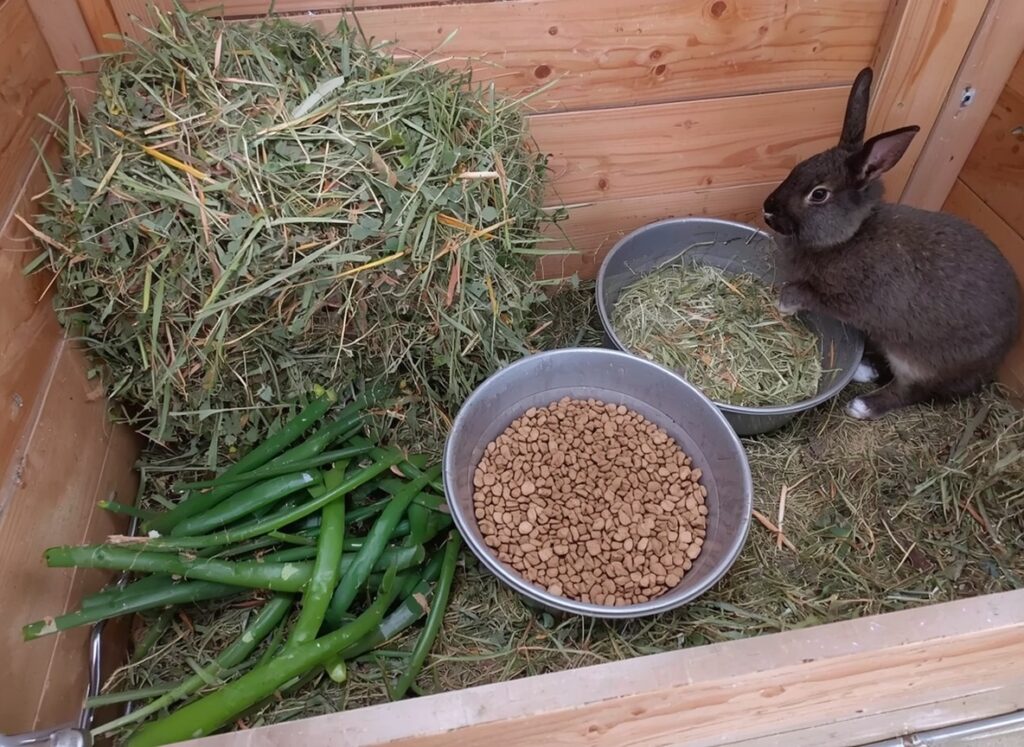
- Hay: Unlimited. Should make up approximately 80% of your rabbit’s total daily diet.
- Fresh leafy greens: 1–2 cups per 2 lbs of body weight, offered fresh daily.
- Pellets: One-quarter cup per 5 lbs of body weight. Reduce quantities for adult rabbits over two years old.
- Treats: Once or twice per week maximum. Use small pieces of fresh fruit or aromatic herbs only.
Safe and Unsafe Foods at a Glance
Good greens to offer regularly include romaine lettuce (never iceberg), fresh cilantro, flat-leaf parsley, bok choy, and kale in moderation. Avoid cabbage, broccoli, and iceberg lettuce—these frequently cause painful gas and digestive upset in rabbits of all ages and breeds.
Several common household foods are outright toxic to rabbits. Never feed avocado, onion, garlic, chocolate, rhubarb, or nuts of any kind. Always provide fresh, clean water every day—a heavy ceramic bowl or a drip-free water bottle both work well. Change the water daily without exception.
According to the ASPCA, improper diet is among the leading causes of preventable health issues in pet rabbits. A hay-first approach prevents most common digestive problems before they ever develop into something serious.
For a complete safe food list, portion schedule, and full treat guide, visit our rabbit diet guide.
Indoor Rabbit Housing Setup: Getting It Right From Day One
Proper indoor rabbit housing goes well beyond placing a cage in the corner of a room. Your rabbit’s environment directly shapes its mental health, daily behaviour, and physical wellbeing. Setting it up correctly from the start prevents most behavioural problems and health issues you might otherwise face in your first year of ownership.
Choosing the Right Enclosure Size
For small breeds like the Holland Lop, a solid-floor enclosure measuring at least 4 feet x 2 feet is a reasonable minimum. Medium breeds like the Dutch Rabbit benefit from 5 feet x 2 feet or more. Large breeds like the Rex need at least 6 feet x 2 feet—and more room if your home allows it.
Many experienced owners prefer modular exercise pens (x-pens) over traditional cages. X-pens offer more floor space, are easy to clean and reconfigure, and expand as your rabbit grows in size and confidence. Avoid tall multi-story hutches with steep ramps—rabbits can seriously injure their spines from hard landings between levels.
Enclosure Essentials Checklist
- Solid, flat floor with paper-based bedding or a hay layer for comfort
- Mounted hay rack to keep hay accessible, clean, and off the floor
- Heavy ceramic food bowl (tip-resistant and easy to sanitise)
- Drip-free water bottle or heavy ceramic water bowl, changed every day
- Wooden hiding box or cardboard tunnel for a private retreat space
- Two to three rabbit-safe chew toys: untreated wood blocks, seagrass mats, or woven grass balls
Bunny-Proofing and Temperature Control
Free-roam time is non-negotiable for rabbit wellbeing—but your home needs preparation before your rabbit explores it. Rabbits chew electrical cables, dig at carpets, and squeeze into gaps behind furniture. Use cord protectors on all exposed wires, baby gates to block restricted rooms, and rugs or mats over carpet areas they repeatedly target.
Rabbits are highly sensitive to heat. Temperatures above 27°C (80°F) can be fatal within hours. Keep the enclosure in a cool, well-ventilated room away from direct sunlight and heat vents. Additionally, avoid placing it near loud appliances—washing machines, speakers, and televisions cause chronic stress that weakens immune function over time.
The House Rabbit Society strongly recommends keeping all pet rabbits indoors for their safety, temperature stability, and the consistent social bonding that indoor living naturally encourages with their owners.

Common Mistakes When Caring for Beginner Rabbit Breeds
Even attentive new owners make these four mistakes. Knowing them before you bring your rabbit home gives your pet the best possible start from day one.
Mistake 1: Overfeeding Pellets, Underfeeding Hay
Pellets are a supplement—not a staple food. Overfeeding pellets leads directly to obesity, dental overgrowth, and digestive slowdowns. Make unlimited, fresh timothy hay the non-negotiable centrepiece of your rabbit’s diet. If your rabbit ignores hay in favour of pellets, reduce pellets gradually each day until hay becomes the natural preference.
Mistake 2: Keeping the Rabbit Isolated
Rabbits are highly social animals that genuinely need interaction. A rabbit left alone in a cage all day develops boredom, depression, and destructive behaviours—including excessive chewing and cage-rattling. Spend at least one to two hours each day engaged directly with your rabbit. Many owners adopt bonded pairs so rabbits always have companionship, even during your busiest days.
Mistake 3: Skipping Exotic Animal Vet Visits
Many first-time owners assume rabbits are low-maintenance pets that never need veterinary care. This assumption is costly. Annual checkups with an exotic animal vet catch dental problems, ear mites, and early GI issues before they become emergencies. Not all general practice vets are trained in rabbit medicine—find a rabbit-savvy exotic vet before any health crisis arises.
Mistake 4: Missing Early Warning Signs of Illness
Rabbits instinctively hide illness until it becomes serious—a survival instinct inherited from wild prey animals. Watch closely for: no eating for 12 or more hours, absence of droppings, unusual lethargy, laboured breathing, or a hunched, tense posture. Act immediately if you notice any of these signs. Delayed treatment can be fatal within 24–48 hours.
The best rabbit breeds for beginners are resilient and forgiving of small learning mistakes—but no rabbit thrives under consistent neglect or inattention. Daily, attentive care is the single most important foundation for a long and healthy life together.
Start Your Rabbit Journey with Confidence
Choosing the best rabbit breeds for beginners is the most important decision you will make before adoption day. The Holland Lop, Mini Rex, Dutch Rabbit, Lionhead, and Rex all make outstanding first pets—when matched thoughtfully with the right owner, the right space, and the right level of daily commitment.
However, the breed choice is only the beginning. Great rabbit care means building a safe and spacious housing setup, feeding a hay-first diet every day, providing regular exercise and genuine daily interaction, and scheduling regular checkups with an exotic animal vet. It also means learning to recognise subtle signs of illness early—and acting fast when something seems wrong.
When you commit to getting it right, rabbits are some of the most rewarding companion animals you will ever share your home with. They are intelligent, expressive, and capable of forming deep bonds with the people who care for them well. Most rabbit breeds live 8–12 years—a decade of daily companionship that more than rewards the effort and preparation you invest at the very start.
Now that you know which breeds suit beginners best, take your next steps with confidence. Explore our complete rabbit diet guide and our rabbit housing setup guide to finalise every detail before adoption day arrives.
Which rabbit breed are you considering? Share your thoughts in the comments below—we would love to help you choose!