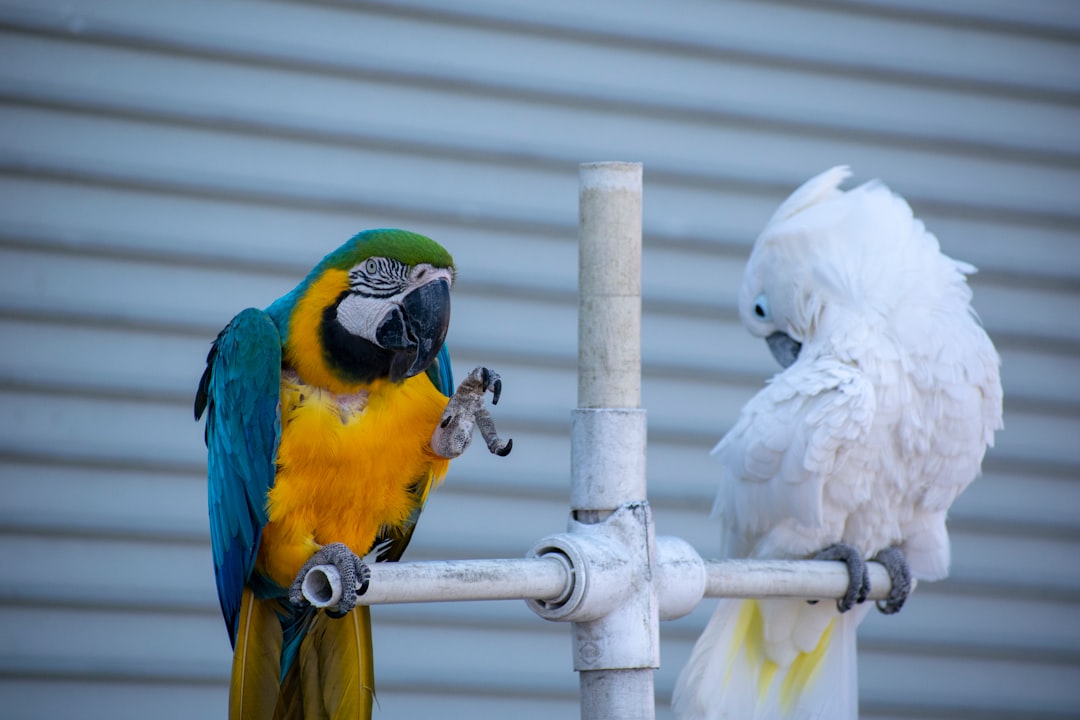
A bored parrot is essentially a feathered toddler with a built-in pair of bolt cutters. If you have ever returned home to find your wooden window sills turned into kindling, your wallpaper methodically stripped, or your bird frantically screaming for attention, you have witnessed the raw power of avian boredom firsthand.
Parrots possess incredible cognitive intelligence, rivaling that of a human 3- to 5-year-old. In the wild, they spend upwards of 70% of their waking hours foraging for food, solving physical puzzles, navigating complex social hierarchies, and flying across vast canopy territories. When confined to a cage with static perches and a bowl of pellets, that boundless mental and physical energy turns inward. Without proper mental stimulation, chronic under-stimulation leads directly to feather picking, aggressive biting, chronic screaming, and severe territorial aggression.
The solution isn't simply buying more accessories—it is investing in the best bird toys for parrots that cater to their hardwired biological instincts. Let's break down the exact categories of toys your parrot needs, how to choose the right materials for their species size, and how to build an engaging toy rotation system that keeps your feathered companion happy and healthy.
Why Parrot Toys Are Essential (Not Optional Luxuries)
Many first-time bird owners make the mistake of viewing toys as cute decorative items. In reality, enrichment is just as vital to avian health as a balanced diet and clean water. Parrots are active problem-solvers; their brains require daily challenges to maintain emotional equilibrium.
When a parrot lacks stimulation, psychological stress manifests physically. Destructive behaviors like feather destructive behavior (plucking or self-mutilation) often start as displacement activities when a bird has nothing else to manipulate. According to veterinary insights on avian welfare from PetMD's guide to feather plucking in birds, environmental stress, physical confinement, and a lack of foraging opportunities rank among the leading non-medical triggers for self-mutilation.
Key Takeaway: Toys are behavioral medicine for parrots. A well-enriched cage redirects destructive chewing instincts away from your furniture and bird plumage toward safe, destructible foraging materials.
The 4 Core Categories of Bird Toys Every Parrot Needs
You cannot simply fill a cage with five variations of the same plastic bell and expect your parrot to thrive. True mental stimulation requires variety across four essential functional categories. Providing a balanced toy profile ensures your bird can forage, destroy, manipulate, and explore every day.
1. Foraging Toys (The Gold Standard of Mental Stimulation)
Foraging toys mimic natural food-gathering behaviors by hiding food, nuts, or treats behind puzzles, shredded paper, or mechanical barriers. Instead of receiving food in an open dish, the bird must turn gears, pull levers, chew through cardboard boxes, or untie natural sisal knots to earn a reward.
- Beginner Foragers: Woven palm leaf pouches stuffed with crinkle paper and sunflower seeds, or clear polycarbonate puzzle treat balls with simple drop holes.
- Intermediate to Advanced: Multi-tiered acrylic drawers where the bird must unlock a latch or spin a dial to access hidden nuts.
- DIY Options: Cardboard egg cartons tied shut with natural jute twine containing hidden walnut halves, or folded clean coffee filters packed with dried herbs and organic pellets.
2. Shredding & Destructible Toys
Parrots love to destroy things. In fact, if your parrot completely annihilates a wooden toy within three days, the toy did not "fail"—it did its job perfectly. Beak maintenance and tactile gratification depend heavily on destroying softer, natural materials.
- Softwoods: Balsa wood, yucca, pine, and sola wood are ideal for smaller to medium species like conures, cockatiels, and quakers who lack the jaw strength for dense hardwoods.
- Hardwoods: Manzanita, java wood, and thick untreated birch blocks provide heavy-duty resistance for large beaks like African Greys, Amazons, Cockatoos, and Macaws.
- Natural Fibers: Seagrass mats, wicker balls, shredded mahogany pods, and loofah slices satisfy the innate instinct to groom and preen textures.
If your parrot exhibits high levels of cage stress, pairing destructible toys with calming routines for anxious birds can significantly reduce nervous energy.
3. Preening & Comfort Toys
In the wild, flock members spend hours preening each other's feathers. Single companion birds often feel this social absence acutely. Preening toys offer fibrous, soft strands that birds can groom, comb, and manipulate with their tongues, providing soothing tactile feedback.
- Look for toys made from clean, untreated sisal rope, natural cotton (supervised), shredded raffia, or bundled coconut fiber.
- Avoid synthetic nylon threads, which do not break easily and can lead to dangerous toe or crop impaction if swallowed.
4. Noise-Making & Mechanical Puzzle Toys
Certain parrot species, particularly Caiques, Conures, and Cockatoos, adore auditory feedback and cause-and-effect mechanics. These include stainless steel bells with enclosed clappers, puzzle rings, spinning wheels, and interlocking acrylic shapes.
- Stainless Steel Rattles: Offer loud, satisfying feedback while withstanding powerful crushing forces.
- Mechanical Manipulatives: Nuts and bolts mounted to acrylic bars that allow birds to screw and unscrew hardware using their beak and tongue coordination.
Matching the Best Bird Toys for Parrots to Your Species Size
One size never fits all in avian enrichment. A toy designed for a Macaw can intimidate or injure a Budgie, while a toy meant for a Cockatiel poses a severe choking or ingestion hazard for a large Amazon.
| Parrot Size Category | Common Species | Best Toy Materials & Styles |
|---|---|---|
| Small | Budgies, Cockatiels, Lovebirds, Parrotlets | Balsa wood, sola attap, soft paper rope, mini finger traps, light wicker, small plastic practice golf balls. |
| Medium | Conures, Quakers, Senegals, Caiques, Ringnecks | Pine blocks, cardboard tubes, seagrass foraging walls, intermediate acrylic foraging boxes, leather strips. |
| Large | African Greys, Amazons, Eclectus, Small Cockatoos | Thick pine slices, heavy-duty acrylic foraging carousels, untreated natural coconut shells, hardwood skewers. |
| Extra Large | Macaws, Moluccan & Umbrellla Cockatoos | Dense java wood blocks, heavy welded stainless steel hardware, massive untreated wooden logs, heavy chains. |
To keep your bird's physical environment complete, combine appropriately sized toys with an optimized bird cage setup guide featuring varied perch diameters to support joint health alongside mental play.
Critical Safety Rules: How to Spot Toxic & Dangerous Bird Toys
Unfortunately, many commercial pet stores still sell toys containing hazardous parts. Because parrots use their beaks as a third hand, every single component must be vetted for non-toxicity and structural safety.
Watch Out for Toxic Heavy Metals
Zinc and lead are the two most common causes of heavy metal poisoning in pet birds. Never give your parrot toys with galvanized hardware, zinc-plated quick links, or lead weights. Look exclusively for 100% food-grade stainless steel (304 or 316) hardware and quick links.
Beware of Frayed Ropes and Long Strands
Loose, frayed cotton fibers are a major emergency veterinary hazard. Birds can get their toes, necks, or wings entangled in loose loops, cutting off circulation in minutes. Furthermore, if a bird ingests stringy fibers, they cannot digest them, leading to fatal crop impactions. Trim frayed rope edges weekly or stick to safer, short-strand alternatives like natural abaca, jute, or seagrass.
Check Wood and Dye Safety
Ensure that all colored wood uses human food-grade vegetable dyes or water-based non-toxic food colorings. Avoid treated lumber, painted wood, or aromatic woods like cedar and unseasoned pine, which contain volatile oils toxic to sensitive avian respiratory tracts.
Key Takeaway: Always inspect new and used toys before cage placement. Remove any toy with frayed threads, sharp split plastic edges, loose screws, or zinc-coated split rings immediately.
The Toy Rotation Strategy: How to Keep Old Toys Feeling Brand New
Even the best bird toys for parrots will lose their novelty if left in the exact same cage spot for months on end. Parrots habituate quickly to their surroundings; once a toy becomes "part of the furniture," they ignore it.
- The Rule of Three: Keep 3–5 distinct toys in the cage at any one time (one foraging, one shredding, one preening, and one puzzle toy).
- Maintain an Off-Duty Bin: Store an additional 10–15 toys in a separate plastic storage tote out of your bird's line of sight.
- Rotate Every 7–10 Days: Swap out 2 or 3 toys weekly. When an old toy reappears after three weeks in the storage tote, your parrot will greet it with the enthusiasm of a brand-new discovery.
- Relocate Perches and Anchors: Change the height and position of toys inside the cage during rotation to encourage your bird to climb, stretch, and balance in different configurations.
Pairing toy rotations with regular out-of-cage time and a consistent parrot daily care checklist will keep your companion bird mentally sharp, emotionally secure, and physically active throughout their long lifespan.
Take Action Today: Build a 5-Minute Foraging Box
You don't need to wait for a specialty pet order to give your parrot high-value enrichment. You can build an effective, zero-cost foraging activity right now with items sitting in your pantry:
- Grab a small, clean, plain cardboard box (like a plain tea box or clean tissue box with plastic removed).
- Tear plain brown packing paper, paper towels, or clean coffee filters into strips.
- Toss in 2–3 of your bird's favorite healthy treats (such as an unsalted almond, a walnut piece, or a few organic safflower seeds).
- Pack the paper strips tightly into the box around the treats and tape it shut using bird-safe paper masking tape (or simply fold the flaps firmly together).
- Hang or place the box in your parrot's play area and watch them tap into their natural problem-solving instinct as they chew, dig, and retrieve their reward.

Written by
Nibedita Basu
English graduate and social worker with a passion for creating a warm, happy, and meaningful life. I write about Home, Food, and Pets — sharing practical ideas, everyday inspiration, and simple joys that make life more comfortable, wholesome, and fulfilling.