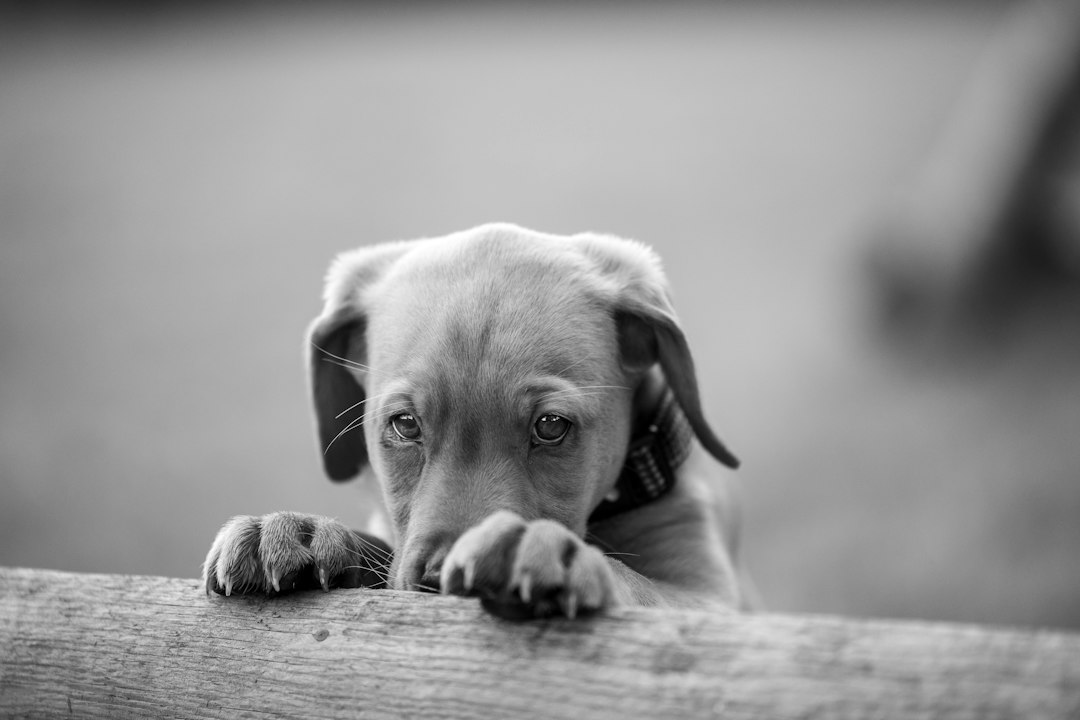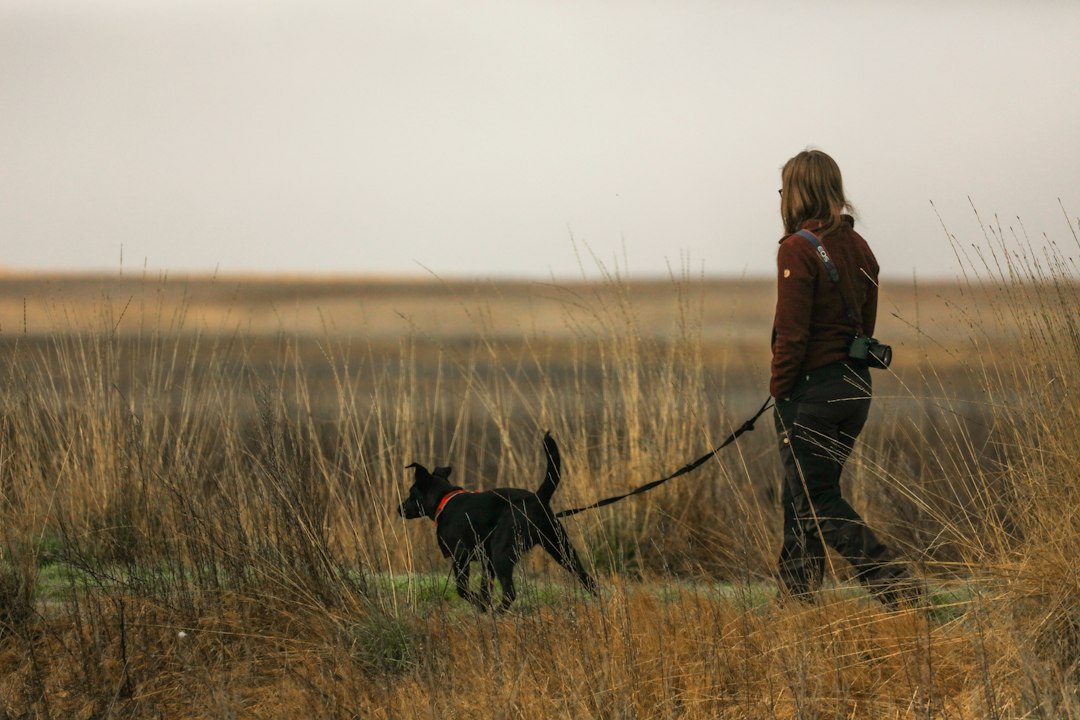
Picture this: you unclip your dog's leash at the trailhead, and instead of bolting after the nearest squirrel or greeting an unfamiliar dog, they trot alongside you, glancing up periodically to check your pace. When you call their name, they spin on a dime and sprint straight back into your hands.
For most pet owners, that scenario feels like pure fantasy. More often, dropping the leash triggers an adrenaline spike, frantic shouting, and an embarrassing chase across a park. Yet reliable off-leash freedom is not an innate trait reserved for collies or service dogs—it is the direct outcome of structured, progressive conditioning.
Successful dog off-leash training does not happen by hoping for the best in an open field. It requires building absolute impulse control, reinforcing strong default behaviors, and practicing systematic proofing. Here is the step-by-step roadmap to get you and your dog there safely.
Key Takeaway: True off-leash reliability is built on engagement, not restriction. If your dog does not instinctively look to you for direction when attached to a six-foot leash, unclipping them in an open environment invites danger.
Foundation First: The Non-Negotiable Core Skills
Before you even think about unclipping that carabiner outside a fenced yard, your dog must demonstrate fluency in three foundational behaviors. If these skills falter in your living room or backyard, they will disintegrate entirely when tested against open fields, deer scents, and other dogs.
1. The Whistle-Clean Recall ("Come")
A reliable recall means your dog returns to you on the first cue, at least 95% of the time, across varying environments. A half-hearted recall where your dog finishes sniffing a tree before strolling back does not cut it. The cue must mean immediate, urgent redirection toward you. According to the American Kennel Club's guide to reliable recall, pairing high-value rewards with consistent cues is essential for overriding competing environmental distractions.
2. The Voluntary Check-In ("The Invisible Leash")
You should never have to constantly nag your dog to stay near you. A voluntary check-in occurs when your dog chooses to turn their head, make eye contact, or pivot back toward you without being cued. In quality dog off-leash training, you reward this behavior obsessively until your dog views staying within a 20-foot radius as their default state.
3. An Emergency Drop or Sit at a Distance
Sometimes, calling your dog back toward you puts them directly in the path of oncoming traffic, an aggressive approaching dog, or a cyclist. An emergency "Sit" or "Down" cue freezes your dog in place wherever they are, buying you time to close the gap safely.
The 5-Step Dog Off-Leash Training Protocol
Progress through these steps sequentially. Never advance to the next stage until your dog demonstrates complete reliability at the current level for at least two consecutive weeks.
Step 1: Build Value in Low-Distraction Environments
Begin inside your home or a secure hallway. Arm yourself with high-value dog treats (such as freeze-dried liver, string cheese, or diced hot dogs)—standard kibble will not build the intense drive needed for off-leash compliance.
- Call your dog using your recall word (e.g., "Here" or "Come") once in a bright, enthusiastic tone.
- When they reach you, deliver a "jackpot" reward (3–5 treats fed one after another) alongside enthusiastic praise and collar touches.
- Practice holding their collar gently while rewarding so they associate your hands reaching for them with positive outcomes rather than the end of fun.
Step 2: Transition to a 30-Foot Long Line
The long line is the bridge between physical control and true freedom. Attach a 30-foot biothane or nylon training lead to your dog's harness (avoid attaching long lines to flat collars to prevent neck strain if they sprint).
- Head to a low-traffic park or quiet open field.
- Let out 15 to 20 feet of slack, trailing the remaining line on the ground behind you so you can step on it if needed.
- Allow your dog to explore, then issue your recall cue.
- If they respond immediately, celebrate with high-value food or a high-energy tug toy.
- If they hesitate, gently apply light tension to the line to guide them toward you, then reward heavily once they arrive. Never pull them in like a fish; simply prevent forward momentum away from you.
Step 3: Systematic Distraction Proofing
Dogs do not generalize concepts well. A dog that comes reliably when looking at an empty lawn may completely ignore you when a tennis ball bounces nearby. During this phase of dog off-leash training, introduce controlled distractions while maintaining safety on your long line.
Set up structured scenarios using positive reinforcement training techniques:
- Have a helper stand 40 feet away bouncing a ball or rustling a bag of treats.
- Practice recalls while other leashed dogs walk past at a safe distance.
- Work near distracting scent markers or perimeter fences where wildlife frequently visits.
Step 4: Fade the Line with "Drag Drops"
Once your dog has a 100% success rate on the long line across diverse settings, drop the handle entirely. Let the dog drag the full length of the line across the grass. You are now operating as if they are off-leash, but you retain an emergency brake: you can step on the trailing line if your dog attempts to break focus or ignore a command.
Focus heavily on rewarding unprompted check-ins. Every single time your dog turns their head away from an interesting scent to look at you, mark the behavior ("Yes!") and toss a reward into the grass near your feet.
Step 5: Supervised Off-Leash Work in Enclosed Zones
Before hitting public wilderness trails or designated off-leash areas, test your skills in fully enclosed, novel locations. Rented private dog fields (like Sniffspot properties), empty fenced baseball diamonds, or tennis courts provide an authentic test of off-leash responsiveness without the catastrophic risks of unfenced terrain.
Key Takeaway: If you drop the leash and immediately stop rewarding your dog, their responsiveness will degrade rapidly. Maintain a variable reinforcement schedule indefinitely—surprise rewards keep engagement razor-sharp.
Safety Rules, Gear, and Redundancies
Even the best-trained dogs remain animals with instincts. Incorporate these safety redundancies before venturing into open territories:
- GPS Tracking Collar: Equip your dog with an active cellular or satellite GPS tracker (such as Whistle, Fi, or Garmin). If your dog gets separated from you by an unexpected hazard, real-time location tracking saves lives.
- Safety Whistle: Human vocal cords fatigue, and wind carries human speech poorly. A pea-less sporting whistle carries sound significantly farther and delivers a consistent, unemotional tone every time.
- Visual Markers: High-visibility blaze orange vests or LED collars ensure your dog remains visible in dense brush, low-light dawn walks, or dusk hikes.
- Know Local Leash Laws: Never let your dog off-leash in areas designated as on-leash only. Doing so endangers reactive leashed dogs, disrupts fragile wildlife habitats, and exposes you to legal liabilities.
Troubleshooting Common Off-Leash Roadblocks
"My Dog Only Listens When They See Food"
This happens when treats are used as a bribe rather than a reward. Keep food concealed in a bait bag behind your back or in a zippered pocket. Never show the treat until after your dog has completed the behavior and heard your verbal marker.
"My Dog Bolts After Small Animals"
Prey drive is deeply hardwired. If your dog exhibits extreme predatory drift, pair traditional recall with structured impulse control games like the "Premack Principle" (using access to the environment as the reward) and continue mastering basic puppy obedience commands before removing safety lines.
Your Action Step for Today
Do not wait for your next outdoor hike to start. Today, grab 10 small pieces of your dog's favorite treat. Stand inside your home, wait until your dog looks away from you, and call their name paired with your recall cue just once. When they run to you, feed them three consecutive treats, offer enthusiastic praise, touch their collar, and release them back to their day. Repeat this simple drill twice daily to lay the groundwork for bulletproof off-leash freedom.

Written by
Nibedita Basu
English graduate and social worker with a passion for creating a warm, happy, and meaningful life. I write about Home, Food, and Pets — sharing practical ideas, everyday inspiration, and simple joys that make life more comfortable, wholesome, and fulfilling.