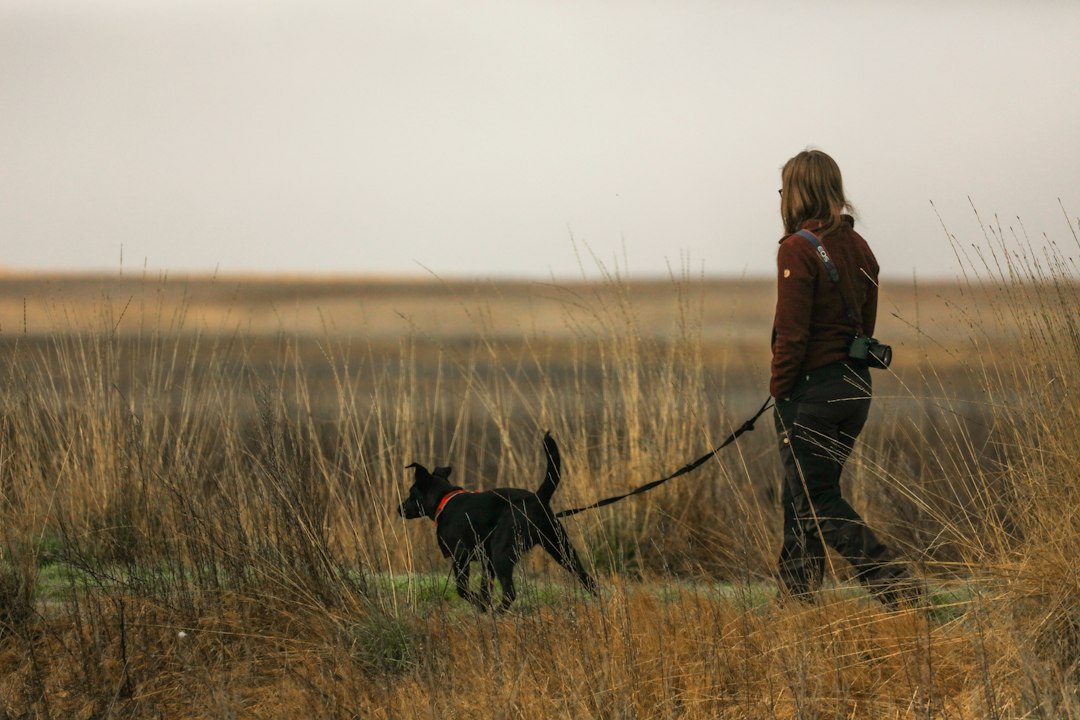
Bringing a new pet home should feel like a celebration, but for your resident companion, it often feels like an uninvited intruder just walked through the front door. Animals thrive on predictability, familiar scents, and established territory. When you suddenly disrupt that equilibrium with an energetic newcomer, tension is almost guaranteed.
When it comes to introducing new dog companions to your existing pets, rushing the process is the single biggest mistake pet parents make. Expecting an immediate fairy-tale friendship on day one often leads to defensive posturing, territorial barking, or even traumatic fights that set the relationship back months. Fortunately, by treating the introduction as a gradual transition rather than a single event, you can build mutual trust, keep stress low, and establish a harmonious multi-pet household.
Preparation: Setting Your Home Up for Success Before Day One
Preparation is half the battle when introducing new dog additions into an established territory. If you wait until you walk through the front door with the leash in hand to figure out logistics, you are already behind.
1. Create Separate, Dedicated Safe Zones
Both animals require a sanctuary where they can decompress without feeling watched, cornered, or pressured. Set up a designated room or partitioned area for your newcomer equipped with a bed, water bowl, and access to crate training fundamentals if they are crate-trained.
Your resident pet should keep their customary sleeping and eating areas intact. Preserving their core routine reassures them that their resources and safety are not under threat.
2. Remove High-Value Triggers
Resource guarding can ignite sudden aggression, even in otherwise docile animals. Before your new dog crosses the threshold, sweep the common areas clean of high-value items:
- Chew bones, bully sticks, and food puzzles
- Favorite plush toys or squeakers
- Food bowls (even empty ones that carry lingering scent)
- High-priority sleeping spots, such as special orthopedic floor cushions
3. Swap Scents Before Sights
Dogs and cats process their world primarily through olfaction. You can begin building familiarity hours or even days before the animals ever lay eyes on each other. Rub a clean towel along the new dog’s neck and back, then place it near your resident pet’s bed or feeding area (without forcing them onto it). Do the reverse with a towel carrying your resident pet’s scent. This associates the newcomer’s aroma with positive, relaxed experiences.
Key Takeaway: Never expect pets to work things out on their own in the living room. Pre-introduction management—separating zones, removing high-value resources, and swapping scents—prevents 90% of early territorial conflicts.
Dog-to-Dog Introductions: The Neutral Ground Blueprint
When bringing two dogs together, the living room or backyard is the worst place for a first meeting. Resident dogs naturally defend their home turf. The most reliable strategy for introducing new dog friends is the neutral-territory parallel walk.
Step 1: The Parallel Walk (No Direct Contact)
Enlist a family member or friend so that each dog has an individual handler. Choose a quiet, neutral outdoor location, such as a wide residential street or a quiet public park. Avoid fenced dog parks where unpredictable off-leash dogs might disrupt you.
- Keep both dogs on loose, six-foot standard leashes (avoid retractable leashes, which maintain constant tension).
- Start by walking in the same direction on opposite sides of the street, maintaining roughly 20 to 30 feet of distance.
- Do not force them to look at each other. Allow them to sniff the grass and check out the environment while remaining aware of the other dog’s presence.
- Reward calm, indifferent behavior with small treats using positive reinforcement training techniques.
Step 2: Closing the Distance
If both dogs show relaxed body language—loose postures, soft eyes, and natural tail positions—gradually reduce the distance between handlers. Walk in a staggered formation where Dog A walks slightly ahead while Dog B follows behind catching the scent trail, then switch positions after five minutes.
According to the American Kennel Club's guide on introducing dogs, keeping both leashes slack and handlers calm is essential, as dogs readily read and mirror human tension through the lead.
Step 3: The Three-Second Sniff Rule
Once the dogs can walk side-by-side calmly without lunging, pulling, or fixating, allow a brief, controlled greeting:
- Allow them to approach in a gentle curve rather than a head-on charge (head-on approaches can be interpreted as confrontational).
- Count to three silently while they sniff each other’s noses or rears.
- At the three-second mark, cheerily call both dogs away with an upbeat cue (“Let’s go!”) and reward them with a treat.
- Repeat this brief interaction several times, increasing the duration only when both dogs consistently demonstrate relaxed, play-oriented body language.
Dog-to-Cat Introductions: A Slower, Structured Pace
The rules change slightly when introducing new dog rescues to resident cats. Dogs possess varying degrees of prey drive, and a running cat can trigger an instinctual chase response even in a gentle dog. This process requires slow desensitization over days or weeks.
1. Establish Vertical Escape Routes
Cats need to feel in control of their vertical space. Ensure your resident cat has unrestricted access to cat trees, high shelves, and gated rooms where the dog cannot follow. A cat that feels trapped is far more likely to swat, hiss, or panic.
2. The Controlled Barrier Stage
Keep the cat and dog separated by a sturdy baby gate or an exercise pen. Allow them to see each other from a distance while you redirect the dog’s attention with sit-stays, chew toys, or mental stimulation toys for high-energy dogs.
If the dog stares intensely, stiffens, whines persistently, or attempts to breach the gate, increase the distance immediately. The goal is complete neutrality: the dog should be able to look at the cat and then voluntarily look back at you for a reward.
3. On-Leash Coexistence
Once barrier sessions are consistently calm, move to leashed indoor sessions. Keep your dog on a leash beside you on the sofa while the cat explores the floor at its own pace. Never force the cat toward the dog, and never let the dog chase the cat—even in play. Interrupt any fixated staring with a light verbal cue and a high-value reward.
Key Takeaway: Safety with cats is dictated by dog impulse control. Never allow off-leash, unmonitored interaction between a new dog and a resident cat until weeks of completely neutral, calm behavior have been documented.
Deciphering Body Language: Green Flags vs. Red Flags
Successful integrations depend entirely on your ability to read subtle canine and feline communication cues before a minor misunderstanding turns into a fight.
| Sign Type | Canine Signals | Feline Signals |
|---|---|---|
| Green Flags (Relaxed) | Loose wiggly hips, open mouth “smile,” bouncy play bows, easy gaze shifting away. | Upright tail with question-mark curve, slow blinking, grooming, casual walking. |
| Yellow Flags (Stress) | Lip licking, yawning when not tired, looking away repeatedly (“whale eye”), stiff tail held high. | Twitching tail tip, flattened sideways ears (“airplane ears”), crouching low to floor. |
| Red Flags (Danger) | Hard freeze, direct locked stare, bared teeth, low guttural growl, raised hackles along spine. | Puffed tail and arched back, loud hissing/growling, swatting with extended claws. |
If you observe yellow flags, increase distance immediately and give both pets a break. If red flags appear, calmly separate the animals without shouting, which can escalate arousal and trigger a bite.
The First Two Weeks: Managing Household Harmony
By taking a methodical approach to introducing new dog family members, you prevent long-term behavioral conflict. During the first 14 days, adhere to these management non-negotiables:
- Feed in Completely Separate Rooms: Always close doors between pets during mealtimes. Even calm dogs can snap if another animal wanders near their bowl.
- Separate When Unsupervised: Never leave newly introduced pets alone in the same room when you run errands or go to sleep. Use crates, baby gates, or closed bedroom doors.
- Avoid Favoritism: Maintain your resident pet’s walk and cuddle schedules so they don’t feel displaced by the new arrival.
What to Do Today: Your Immediate Action Plan
If you are bringing a new dog home in the coming days, take this single step today: walk through your home and set up your physical separation zones right now. Install your baby gates, place the new dog’s crate in an isolated room, and collect all stray toys and chew bones from common floors.
Having your environment fully staged before the new dog arrives removes human stress from the equation—allowing you to stay calm, patient, and focused on guiding your pets toward a lifetime of safe companionship.

Written by
Nibedita Basu
English graduate and social worker with a passion for creating a warm, happy, and meaningful life. I write about Home, Food, and Pets — sharing practical ideas, everyday inspiration, and simple joys that make life more comfortable, wholesome, and fulfilling.