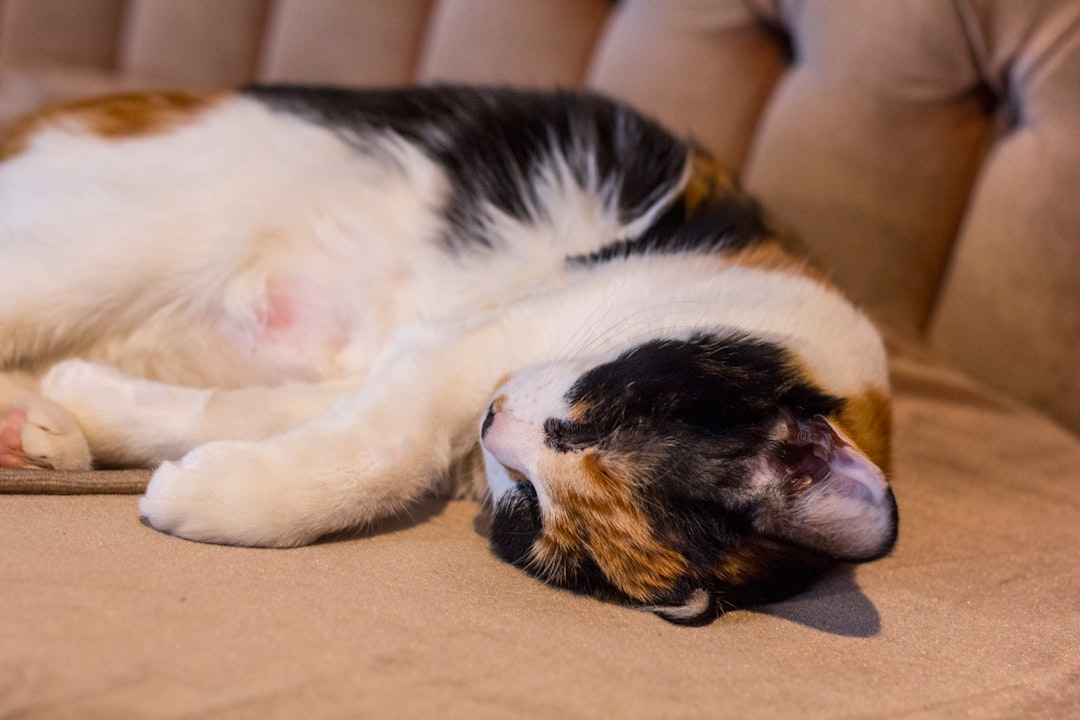
If your dog spends half the night gnawing at their paws, or your cat has groomed their lower belly down to bare pink skin, you are far from alone. Dermatological complaints represent the single most common reason pet parents seek veterinary care. Yet, navigating pet skin issues can feel like solving an intricate mystery where every suspect looks identical: red patches, incessant scratching, and patchy fur.
Ignoring these subtle warning signs rarely leads to self-resolution. What starts as a mild seasonal itch can rapidly spiral into secondary bacterial infections, painful hot spots, and chronic inflammation. Understanding what your pet’s skin is trying to tell you is the first step toward restoring their comfort and protecting your household peace.
The Root Causes: Why Pet Skin Issues Happen
A pet's skin is their largest organ and their primary immunological barrier. When that barrier falters, irritation takes over. The underlying triggers of pet skin issues typically fall into four distinct categories:
1. Environmental and Food Allergies (Atopic Dermatitis)
Just like humans, pets can develop hypersensitivity to airborne pollens, mold spores, dust mites, and household cleaning chemicals. Dogs often manifest environmental allergies by rubbing their muzzles along carpets or licking their front paws raw. Cats, on the other hand, frequently display "miliary dermatitis"—tiny, crusty bumps scattered along the spine and neck.
Food allergies are less common than environmental triggers but tend to cause non-seasonal, year-round distress. Beef, dairy, chicken, wheat, and soy represent the most frequent culinary culprits for both canines and felines. For pets struggling with recurring dietary flare-ups, transitioning to a high-protein, hypoallergenic dog food or novel protein diet under veterinary supervision is often the first diagnostic step.
2. Parasites: Fleas, Mites, and Ticks
It takes only a single flea bite to trigger Flea Allergy Dermatitis (FAD) in a sensitive animal. The pet reacts not to the bite itself, but to proteins in the flea's saliva. Even if you cannot spot active insects crawling across your pet's fur, "flea dirt" (small black specks that turn reddish-brown when wet on a paper towel) confirms their presence.
Mites present another common challenge. Sarcoptic mange (scabies) produces intense, unrelenting itching on dog ear flaps and elbows, while Demodex mites cause localized, non-itchy circular patches of hair loss. In cats, ear mites (Otodectes cynotis) generate a dark, coffee-ground-like discharge inside the ear canal that prompts violent head shaking.
3. Secondary Bacterial and Fungal Infections
Healthy skin naturally harbors small colonies of bacteria and yeast. However, when scratching breaks the skin's protective lipid mantle, these micro-organisms proliferate out of control:
- Yeast Dermatitis (Malassezia): Characterized by a pungent, sweet-corn-chip odor, greasy skin folds, and dark hyperpigmentation.
- Hot Spots (Acute Moist Dermatitis): Rapidly expanding, moist, red, hairless lesions that appear within hours, particularly in thick-coated dog breeds during warm, humid weather.
- Ringworm: Despite its name, ringworm is a contagious fungal infection that creates circular, scaly patches of alopecia and easily spreads between pets and humans.
4. Nutritional Deficiencies and Dry Air
Diets deficient in essential fatty acids (specifically EPA and DHA) leave the epidermal lipid barrier compromised. Combine poor nutrition with dry winter heating or arid climates, and you get flaky dandruff, dull coats, and brittle fur.
Key Takeaway: Skin irritation is almost always a symptom, not a standalone diagnosis. Addressing only the surface symptom without identifying whether the root trigger is parasitic, allergic, or microbial will lead to recurring flare-ups.
Visual Guide: How to Spot Trouble Early
Recognizing subtle pet skin issues before they erupt into full-blown secondary infections saves both your pet’s comfort and your veterinary budget. Perform a hands-on coat inspection once a week, looking for these key indicators:
- Frequent "Lick-Fixation": Consistently licking the groin, paw pads, or base of the tail is a hallmark indicator of localized discomfort or systemic itch.
- Epidermal Changes: Part the fur down to the skin under bright lighting. Look for erythema (redness), pustules (mini pimples), dry scaling, or black crusts.
- Odor Variations: A musty, sour, or overly pungent smell from the ears, skin folds, or paws almost universally points to an active yeast or bacterial overgrowth.
- Coat Thinning and Alopecia: Symmetrical bald patches on a cat’s flanks or a dog’s tail base suggest chronic over-grooming or parasitic hypersensitivity.
Vet-Approved Treatments and Home Care Strategies
Effectively managing pet skin issues requires a dual approach: dampening immediate inflammation while repairing the skin's long-term defense barrier.
1. Targeted Topical Therapy
Bathing your pet with the right medicinal ingredients provides immediate, non-invasive relief:
- Chlorhexidine and Ketoconazole Shampoos: The gold standard combination for mixed bacterial and fungal flare-ups. Leave the lather on the skin for a full 10 minutes before rinsing to allow active antimicrobial contact time.
- Colloidal Oatmeal Rinses: Ideal for soothing generalized environmental itch and rehydrating dry, flaky skin without stripping natural oils.
- Hydrocortisone Sprays: Useful for calming minor, localized hot spots before they expand, provided the skin is not deeply ulcerated.
Adhering to a steady routine pet grooming schedule keeps coat debris, environmental allergens, and dead fur from matting and trapping moisture against the dermis.
2. Systemic and Veterinary Interventions
According to PetMD's clinical guide to atopic dermatitis, modern veterinary medicine offers targeted immunomodulatory treatments that control allergic itching without the long-term side effects historically associated with systemic steroids.
Veterinarians can now prescribe advanced therapies such as Janus kinase (JAK) inhibitors (like oclacitinib) or monoclonal antibody injections (like lokivetmab). These treatments specifically intercept the neural itch pathways, halting self-trauma and giving the epidermal layer time to heal.
3. Dietary Fatty Acid Supplementation
Omega-3 fatty acids derived from marine sources (such as wild-caught fish oil or krill oil) act as natural anti-inflammatory agents. Supplementing your pet's daily meals with calculated doses of EPA and DHA strengthens the cellular structure of the skin barrier, reducing transepidermal water loss and decreasing overall allergy reactivity over 6 to 8 weeks.
Key Takeaway: Never administer human over-the-counter hydrocortisone creams, zinc oxide ointments, or essential oils to pets. Ingestion via grooming can lead to toxicity, vomiting, or organ distress.
When to Seek Immediate Veterinary Care
While minor seasonal dandruff can often be managed with moisture shampoos and dietary adjustments, certain clinical presentations require professional diagnostics within 24 to 48 hours:
- Deep Ulcerations or Open Sores: Oozing, bloody, or purulent lesions require prescription topical antibiotics or systemic medication.
- Severe Pain Response: If your pet growls, snaps, or cries when you touch a specific area of skin.
- Ear Canal Involvement: Intense ear swelling, head tilting, or equilibrium issues paired with dark inner-ear discharge.
- Systemic Signs: Lethargy, loss of appetite, or fever alongside sudden skin lesions.
Your veterinarian will likely perform skin scrapings, tape prep cytology, or fungal cultures to identify the exact microscopic organism driving the irritation.
Your Action Step for Today
Take five minutes right now to conduct a thorough physical "skin check" on your dog or cat:
- Place your pet in a well-lit room and gently run your fingers against the grain of their fur.
- Inspect the three highest-risk zones: between the paw pads, inside the ear flaps, and across the base of the tail/belly.
- Verify that your pet is 100% current on an effective, vet-approved parasite control regimen by checking our flea and tick prevention guide.
If you detect localized redness, sour odors, or small scabs, document the areas with a clear smartphone photo to track any progression, and book a diagnostic visit with your veterinarian before secondary infection sets in.

Written by
Nibedita Basu
English graduate and social worker with a passion for creating a warm, happy, and meaningful life. I write about Home, Food, and Pets — sharing practical ideas, everyday inspiration, and simple joys that make life more comfortable, wholesome, and fulfilling.