A 10-pound cat or a 60-pound dog becomes a high-velocity projectile during a sudden stop at 35 miles per hour. In fact, an unrestrained 60-pound dog exerts roughly 2,700 pounds of impact force during a collision at that speed—endangering both your animal and every human passenger inside the vehicle.
Whether you are embarking on a cross-country relocation or planning an extended road trip vacation, learning how to safely travel with pets requires far more than tossing a dog bed into the back seat or booking a pet-friendly flight. Long-distance transit exposes animals to unfamiliar sensory overloads, motion sickness, dehydration, and extreme temperature swings. With deliberate preparation, crash-tested equipment, and behavioral conditioning, you can transform a chaotic journey into a smooth, stress-free adventure.
Pre-Trip Preparation: The Non-Negotiable Checklist
Spontaneous road trips work well for humans, but animals thrive on routine and predictability. Weeks before packing your bags, you must lay the administrative and physical groundwork for the trip.
1. The Vet Visit and Medical Records
Schedule a dedicated veterinary checkup at least three to four weeks prior to departure. If you plan to travel with pets across state lines or international borders, many jurisdictions legally require a Certificate of Veterinary Inspection (CVI) issued within 10 to 30 days of travel.
- Vaccination updates: Ensure rabies and core boosters (like distemper, parvovirus, or feline panleukopenia) are up to date. Bring physical and digital copies of proof.
- Preventatives: If traveling to regions with high parasite activity, secure adequate flea, tick, and heartworm protection ahead of time.
- Prescription medication: Refill daily medications to cover the full duration of your trip plus an extra 7-day safety buffer in case of travel delays.
- Motion sickness plans: Ask your veterinarian about anti-nausea medications like maropitant citrate (Cerenia) if your pet has a history of car sickness.
2. Microchips and Digital Redundancy
Pets are most vulnerable to slipping away during transit—at crowded highway rest stops, gas stations, or airport terminals. A collar tag alone is not enough, as collars can snap or slip off during panicked moments.
Confirm that your pet's microchip is registered with your current phone number and home address. Add a temporary travel tag to their collar listing your cell phone number and your destination contact details. For extra peace of mind, attach an Apple AirTag or a dedicated GPS tracking collar to track their real-time location.
3. Gradual Desensitization and Training
Never let a 10-hour drive be your pet's maiden voyage in a vehicle or carrier. If your dog gets frantic in moving vehicles or your cat howls the second they see a carrier, begin desensitization weeks in advance. Start with short, 5-minute drives that end somewhere fun (like a park) rather than only trips to the vet clinic. If you are crate-training a new animal, review our dog crate training guide to establish positive associations with their carrier.
Key Takeaway: Start travel conditioning at least one month before your departure date. Acclimating your pet to their crate, vehicle restraints, and short car rides dramatically reduces travel-day cortisol levels and stress-induced nausea.
Road Trip Safety: Vehicle Setup and Rest Stop Strategies
Hitting the highway offers flexibility, but it introduces distinct physical hazards if your pet is left free to roam the cabin.
Crash-Tested Restraints vs. Standard Accessories
Allowing a dog to ride shotgun on your lap or hang its head out of the window is dangerous. Road debris, flying stones, and cold drafts can cause severe eye damage, and an unexpected turn can throw an animal off balance. Furthermore, an unrestrained pet can easily crawl under the driver's pedals or cause dangerous driver distraction.
When you choose to travel with pets by car, invest in gear independently evaluated by non-profit pet safety testing organizations:
- Crash-tested crates: Heavy-duty, rotomolded plastic or aluminum crates (such as Gunner Kennels or Ruff Land Kennels) offer the highest level of impact protection when strapped down in the cargo area or back seat.
- Certified harnesses: If a crate does not fit your vehicle, use a crash-tested safety harness (like the Sleepypod Clickit Terrain) that connects directly to your car’s seatbelt system.
- Hard-sided carriers for cats: Cats should always travel inside secure, hard-sided carriers anchored securely on the floorboard behind the front seats—the most structurally stable location in a vehicle.
For more research on pet restraint testing, review the American Veterinary Medical Association guidelines on pet travel safety.
Temperature Control and the Heatstroke Threat
Cars heat up at an alarming rate. Even on an 70°F day, the interior temperature of a car can surpass 90°F in under ten minutes, even with the windows cracked. Never leave your pet unattended in a vehicle during rest stops, regardless of the season. If you must travel alone and make brief bathroom stops, look for pet-friendly travel centers or drive-throughs.
Strategic Rest Stops and Feeding Schedules
Animals experience motion sickness more readily on full stomachs. Feed your pet a light meal 3 to 4 hours before departure, rather than right before loading up.
- Stop every 2.5 to 3 hours: Give dogs a 15-minute walk to relieve themselves, stretch, and sniff. Sniffing engages their brain and actively reduces autonomic nervous system stress.
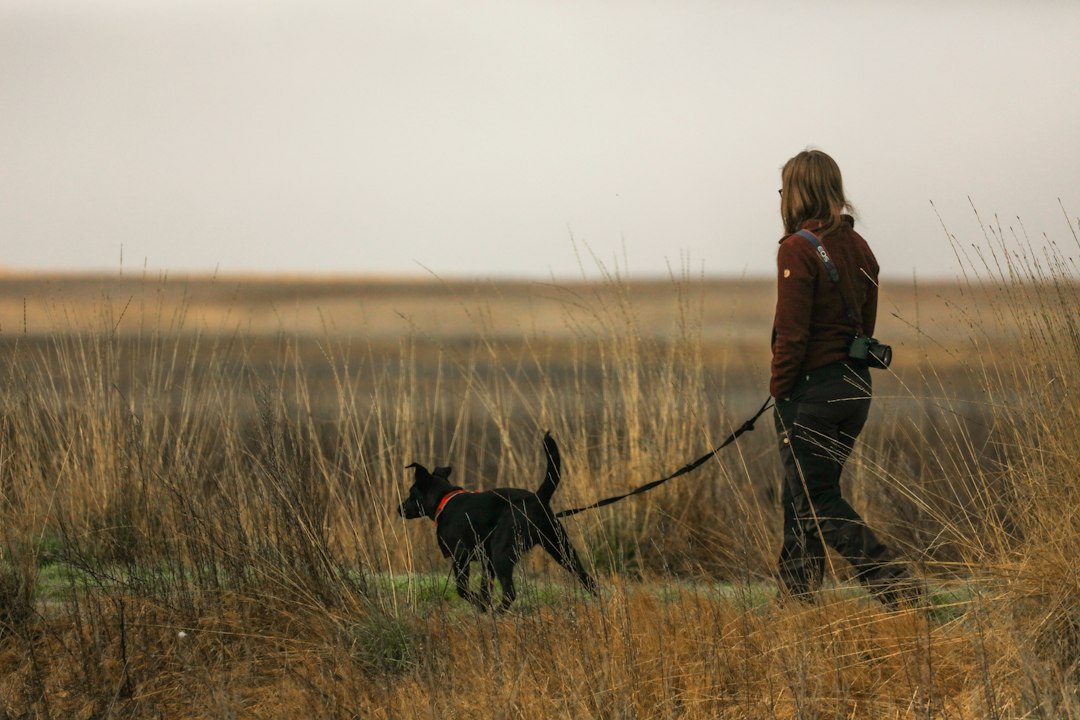
- Keep dogs double-leashed: When opening car doors near high-speed interstate traffic, hold the leash firmly or clip it to your belt before unlocking the door. A startled dog can bolt in a split second.
- Hydrate often: Offer small sips of fresh water at every stop. Avoid allowing them to gulp large quantities of water at once, which can trigger vomiting on bumpy roads.
- Set up a portable litter box: For long-distance road trips with felines, place a portable litter pan with familiar litter on the floorboard during extended stops while the vehicle is parked and closed.
Air Travel with Pets: In-Cabin vs. Cargo Realities
Flying adds logistical complexity. Because airline regulations vary widely, thorough research is critical before purchasing tickets.
Cabin Travel (Under 20 Pounds)
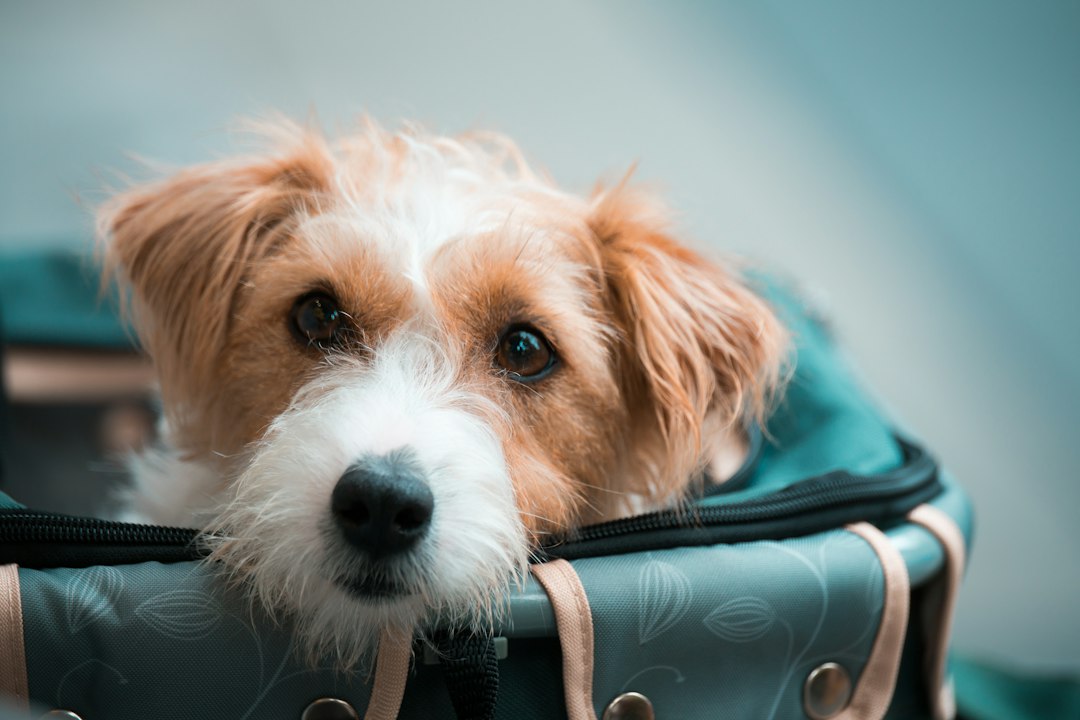
If your pet is small enough to fit comfortably inside an airline-approved soft-sided carrier beneath the seat in front of you, in-cabin travel is the safest aviation option. Keep these essential practices in mind:
- Book early: Most commercial flights cap the number of in-cabin pets at 2 to 6 per flight. Call the airline directly after booking your ticket to reserve your pet’s space.
- Security checkpoint readiness: At TSA security, you will need to carry your pet through the metal detector in your arms while their carrier passes through the X-ray machine. Put a secure, snug-fitting harness on your pet so you maintain a firm grip if they panic in the noisy terminal.
- Lining the carrier: Line the base of the carrier with multiple absorbent puppy pads and a small blanket carrying your home scent to absorb accidents and soothe nerves.
Cargo Hold Travel (Larger Breeds)
If your pet must travel in the climate-controlled cargo hold, vet the airline thoroughly. Direct flights are mandatory; connections introduce dangerous delays and tarmac temperature extremes. Note that almost all commercial airlines restrict brachycephalic (short-nosed) breeds—such as French Bulldogs, Pugs, Boston Terriers, and Persian cats—from cargo travel due to high risks of respiratory distress at high altitudes.
Key Takeaway: Avoid sedating pets before air travel. Both the AVMA and major airlines strongly advise against tranquilizers, as sedatives impair an animal's ability to regulate body temperature and balance, while altitude changes heighten respiratory suppression.
If your companion experiences severe separation panic or flight phobias, consult your vet well in advance about non-sedating situational anxiolytics, or read our guide on calming separation anxiety in dogs for behavioral counter-conditioning strategies.
The Ultimate Pet Travel Emergency Kit
One of the biggest mistakes owners make when they travel with pets is packing animal supplies deep inside the trunk beneath heavy luggage. Keep a dedicated duffle bag easily accessible at all times:
- Emergency Medical Kit: Self-adhering bandages (Vetrap), sterile gauze pads, antiseptic wash (chlorhexidine), styptic powder for torn nails, tweezers for ticks, digital rectal thermometer, and pet-safe eye flush. Review our complete checklist on pet first aid essentials to build your own.
- Water and Spill-Proof Bowls: Bring 1–2 gallons of familiar tap water from home in jugs. Switching to unfamiliar municipal water sources during long trips can provoke sudden gastrointestinal distress and diarrhea.
- Sanitation Supplies: Poop bags, paper towels, enzymatic odor-neutralizing spray, disposable gloves, and trash bags for unexpected messes.
- Documentation Binder: Hard copies of vaccination records, rabies certificates, medical history summary, recent clear photos of your pet (in case they go missing), and the phone number for the ASPCA Animal Poison Control Center (888-426-4435).
- Comfort Anchors: Unwashed t-shirts with your scent, their favorite indestructible chew toys, and familiar bedding.
Action Step to Take Today
Preparing to travel with pets doesn't have to be overwhelming if you break it down into single tasks. Take 5 minutes right now to check your pet's collar tag and log into your microchip registry account. Verify that your current mobile phone number and primary email address are listed correctly. This single, zero-cost step is the most effective safety net you can provide your pet before your next long-distance adventure.

Written by
Nibedita Basu
English graduate and social worker with a passion for creating a warm, happy, and meaningful life. I write about Home, Food, and Pets — sharing practical ideas, everyday inspiration, and simple joys that make life more comfortable, wholesome, and fulfilling.