You kick off your favorite leather loafers after a long workday, step into the kitchen for a glass of water, and return to find a shredded sole, chewed laces, and a guilty-looking pup sitting in a pile of foam. It is one of the most frustrating moments in dog ownership—and one of the most common.
Before you raise your voice or shove the ruined sneaker into your dog's face, pause. While your initial reaction might be anger, punitive reactions do virtually nothing to correct the habit. In fact, scolding often makes the problem worse by turning footwear into an object of forbidden excitement or triggering anxiety-driven destructive habits.
Learning how to stop dog chewing shoes requires understanding canine psychology, eliminating access, and providing satisfying, species-appropriate outlets for chewing. Here is a proven, humane blueprint to protect your footwear and keep your dog mentally fulfilled.
Why Dogs Target Shoes: The Science Behind the Habit
Dogs do not chew footwear out of spite, malice, or revenge. To a dog, your shoes represent an irresistible trifecta of sensory stimulation: scent, texture, and emotional comfort.
1. Your Scent is Concentrated There
Human feet contain roughly 250,000 sweat glands, making shoes the single most scent-dense items in your wardrobe. Because your dog navigates the world primarily through olfaction, your footwear smells intensely like you—their favorite human. When you leave the house or work in another room, curling up with or mouthing something carrying your concentrated pheromones provides security and comfort.
2. Textures Mimic Natural Prey and Toys
Footwear is crafted from materials dogs find inherently rewarding to sink their teeth into:
- Leather: Smells of animal hide and offers firm, satisfying resistance.
- Rubber and Foam: Provide the squishy, springy give found in commercial dog toys.
- Mesh and Fabric: Shred easily, giving dogs the rewarding sensation of dissecting an object.
3. Teething, Boredom, and Exploration
Puppies between three and six months old experience painful dental eruption. Chewing provides physical counter-pressure that relieves gum inflammation. For adolescent and adult dogs, chewing triggers the release of endorphins and dopamine in the brain, functioning as a natural self-soothing mechanism when they feel understimulated, anxious, or bored.
Key Takeaway: Chewing is an instinctive, self-soothing canine behavior, not a spiteful act. Your goal is never to stop your dog from chewing entirely, but to permanently redirect that drive away from personal belongings and toward safe alternatives.
Why Punishment Backfires (And What to Do Instead)
It is tempting to scold a dog caught in the act or yell when discovering a mangled boot hours later. However, punitive methods fail for three specific reasons:
- Dogs lack retrospective association: If you show a dog a chewed shoe even two minutes after the chewing occurred, they cannot connect your anger to their past behavior. They simply perceive you as unpredictable and threatening.
- The "Guilty Look" is appeasement: The flattened ears, averted gaze, and low posture dogs display when confronted are not admissions of guilt; they are stress signals designed to diffuse human anger.
- Punishment teaches stealth chewing: Yelling when you catch your dog with a shoe does not teach them that shoes are off-limits. It teaches them to chew shoes under beds, behind couches, or only when you leave the room.
According to the ASPCA's guide on destructive chewing, successful modification relies entirely on consistent management, positive reinforcement, and meeting the dog's physical and mental needs.
A 4-Step Action Plan to Stop Dog Chewing Shoes
Follow this step-by-step strategy to teach your dog reliable chewing habits without fear or frustration.
Step 1: Environmental Management (The 100% Rule)
The fastest way to stop dog chewing shoes is to make footwear completely inaccessible. Every time your dog successfully chews a shoe, the behavior is self-reinforcing because the act of chewing feels intrinsically rewarding.
- Adopt an off-floor policy: Place all footwear inside closed closets, on elevated racks, or in sealed storage bins immediately upon taking them off.
- Establish safe zones: When you cannot actively supervise, restrict your dog's access to entryways and bedrooms using baby gates or a well-structured effective crate training guide.
- Train the whole household: One stray sneaker left by a child or roommate undoes days of consistency. Make shoe storage an absolute household rule.
Step 2: Match the Chew Texture
If your dog loves leather work boots, handing them a soft plush toy will not satisfy their jaw craving. Analyze the specific footwear your dog targets and provide toys with comparable physical properties:
- If they target leather shoes: Offer split deer antlers, thick natural cow hooves, or pressed rawhide-free chews made of collagen.
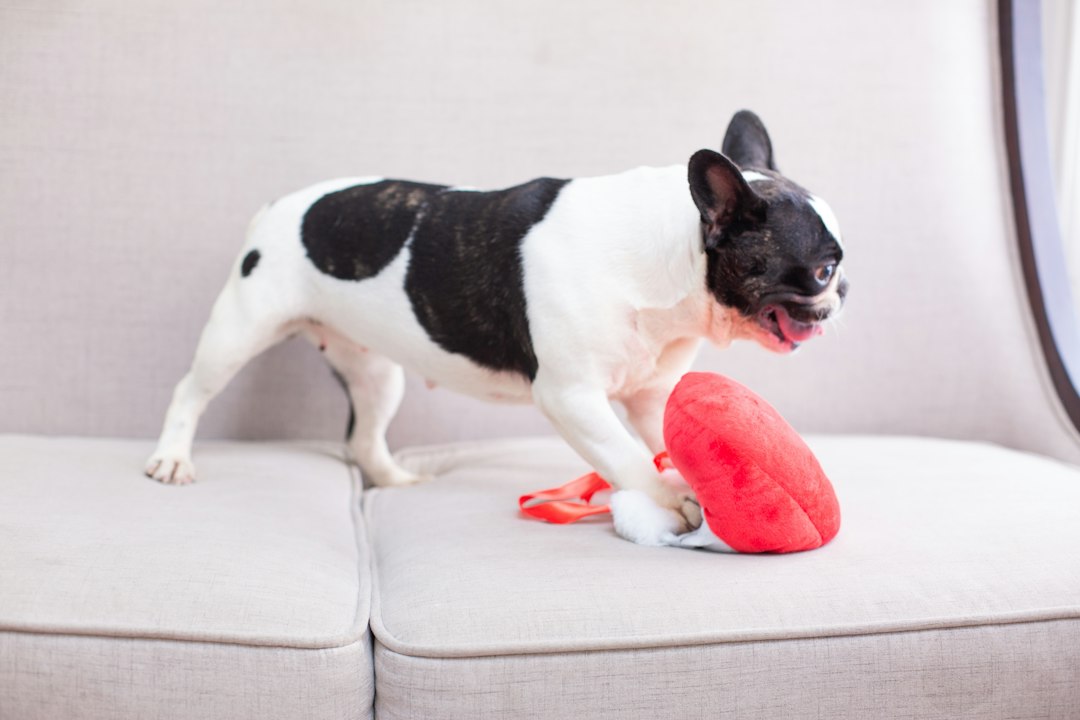
- If they target athletic sneakers/rubber soles: Provide dense natural rubber toys (like classic hollow KONGs) or textured nylon bones.
- If they target slippers and fabric shoes: Offer thick braided rope toys or heavy-duty canvas tugs.
Step 3: Master the "Trade Up" Technique
Never chase your dog or pry a stolen shoe out of their jaws. Chasing turns the shoe into a thrilling game of keep-away, while force-prying can escalate into resource guarding or aggressive snapping. Instead, practice the "Trade Up" swap method using positive reinforcement training basics:
- Stay calm: Do not shout, run, or make sudden lunges toward the dog.
- Grab high-value currency: Walk into the kitchen and retrieve a treat that is significantly more enticing than a shoe (e.g., roasted chicken, freeze-dried liver, or a spoonful of peanut butter).
- Initiate the trade: Approach calmly, show the dog the high-value treat, and toss it a few feet away from the shoe.
- Secure the item: While your dog moves away to eat the treat, calmly pick up the shoe and put it out of reach without comment.
- Provide an immediate replacement: Hand your dog an approved chew toy right away so they continue satisfying their chewing urge.
Pro Tip: Regularly practice trading low-value toys for high-value treats so your dog learns that giving up items in their mouth always results in something better, preventing resource guarding before it begins.
Step 4: Drain Mental and Physical Energy
A tired dog is a well-behaved dog. Destructive chewing is frequently an outlet for surplus energy. If a dog does not receive adequate cognitive and physical stimulation, they invent their own entertainment—usually by dismantling your wardrobe.
Incorporate daily mental enrichment games for high-energy dogs, such as snuffle mats, frozen lick mats, scatter feeding in the grass, and structured obedience training. Fifteen minutes of focused scent work or puzzle solving tires a dog's brain faster than an hour-long walk, drastically reducing the impulse to chew household items.
Troubleshooting Common Scenarios
What if my dog grabs a shoe right in front of me?
If your dog snatches a shoe while making direct eye contact, they are inviting you to play keep-away. If you shout or lunge, they win the game. Instead, freeze, turn your side to them, and ignore the invitation. Walk casually to their toy bin, pick up an interactive tug or squeaky toy, and play with it enthusiastically yourself. Once your dog drops the shoe to investigate your exciting toy, reward them with an active play session.
Can I use deterrent sprays on shoes?
Taste deterrents (such as bitter apple or citrus sprays) can serve as a temporary secondary barrier, but they are not standalone solutions. Some dogs actually enjoy bitter flavors, and sprays evaporate quickly. Never rely on sprays in place of physical management and active redirection.
Take Action Today: Your 5-Minute Checklist
To successfully stop dog chewing shoes, start with immediate environmental control right now:
- Conduct a 2-minute shoe sweep: Walk through every room in your home and place every pair of shoes inside a closed closet or elevated shelf.
- Prepare a swap station: Put a sealed container of high-value treats and two approved durable chew toys in your main living area so you are instantly prepared for calm trades.
- Freeze a stuffed chew: Fill a rubber toy with wet food, pumpkin puree, or peanut butter and freeze it for 4 hours to give your dog a 30-minute calming chew session this evening.

Written by
Nibedita Basu
English graduate and social worker with a passion for creating a warm, happy, and meaningful life. I write about Home, Food, and Pets — sharing practical ideas, everyday inspiration, and simple joys that make life more comfortable, wholesome, and fulfilling.