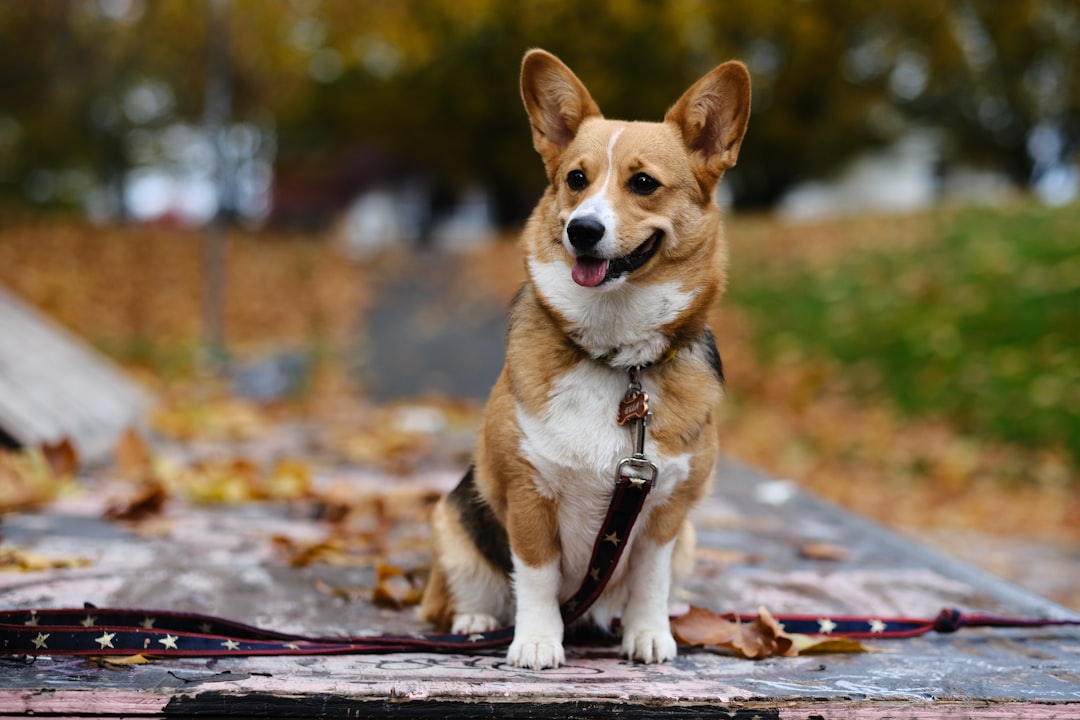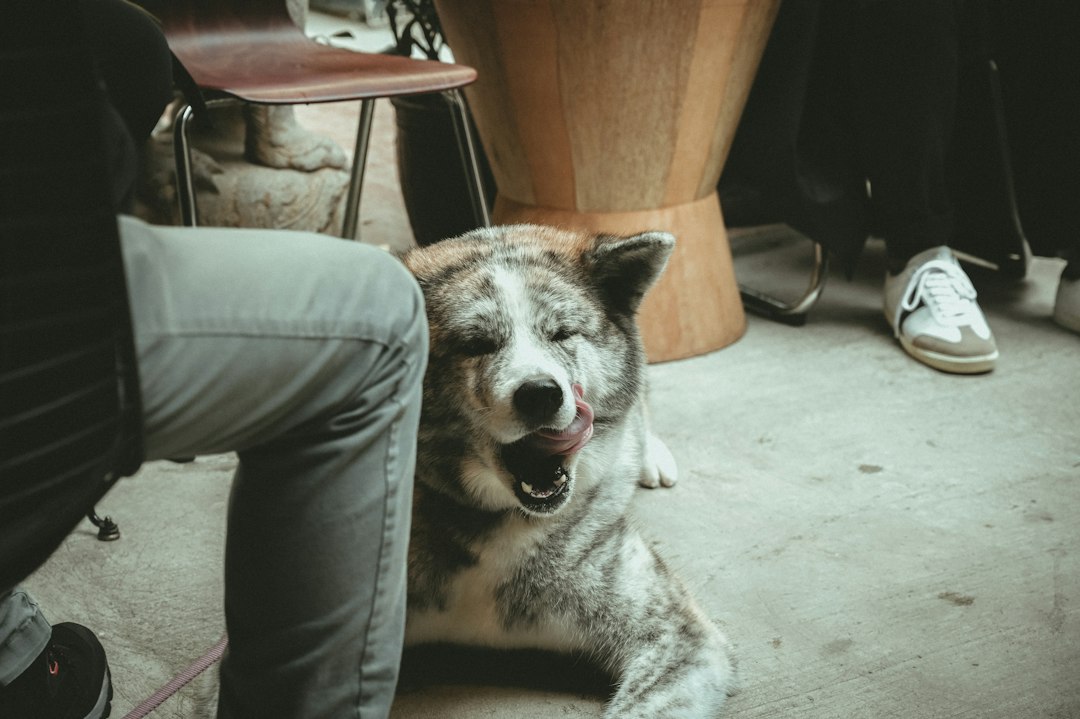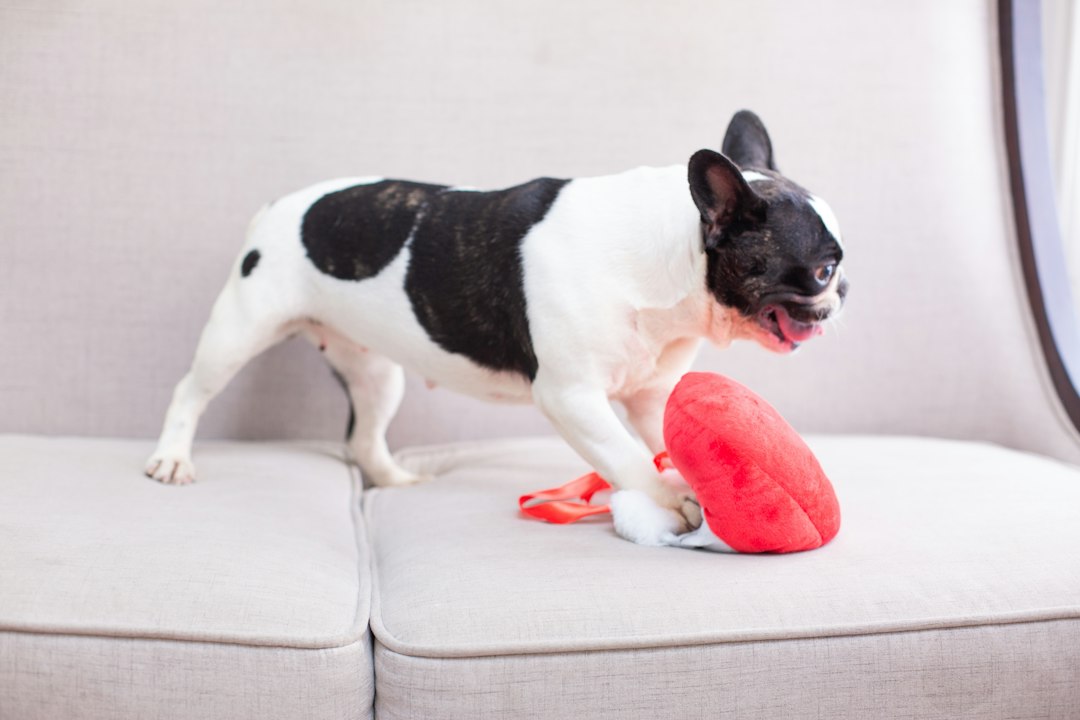
You brought home an adorable ball of fluff, expecting warm cuddles and gentle play. Instead, your hands, ankles, and favorite sweaters look like they survived an encounter with a tiny paper shredder. Puppy teeth are notoriously sharp, and when your new companion treats your fingers like chew toys, it is easy to feel frustrated and overwhelmed.
First, take a deep breath: your puppy is not aggressive, broken, or vindictive. Mouthing, nipping, and chewing are completely normal developmental behaviors. However, letting those sharp needle-teeth clamp down unchecked can lead to painful adult habits down the road. If you want to stop puppy biting once and for all, you do not need harsh corrections or dominance tactics. You need gentle, consistent communication that speaks your puppy's natural language.
Key Takeaway: Puppy biting is rarely a sign of aggression. It is a natural way young dogs explore their environment, relieve teething discomfort, and learn social boundaries. Consistent redirection and bite inhibition training produce lasting results without eroding trust.
Why Puppies Bite in the First Place
Before you can change a behavior, you have to understand the root cause behind it. Puppies do not have hands to grab, poke, or inspect objects; they explore the world almost entirely through their mouths. Here is what is really happening when those jaws snap shut on your arm:
1. Teething and Gum Pain
Between 12 and 24 weeks of age, puppies lose their 28 deciduous (baby) teeth to make room for 42 permanent adult teeth. This process causes significant gum inflammation, tenderness, and irritation. Chewing on firm, yielding surfaces—including human flesh and furniture—provides physical counter-pressure that relieves their discomfort.
2. Developing Bite Inhibition
In a litter, puppies wrestle, pounce, and bite each other constantly. When one puppy bites too hard, their littermate lets out a high-pitched yelp and stops playing. This natural feedback loop teaches the biting puppy an essential lesson known as bite inhibition: biting too hard ends the fun. If a puppy leaves the litter too early or misses out on this socialization, you must step in as their teacher.
3. Overtiredness and Overarousal
Just like human toddlers, young dogs get cranky, hyperactive, and mouthy when they miss their naps. An overtired puppy lacks impulse control. If your puppy turns into a frantic "land shark" every evening around 7:00 PM, they are likely overstimulated and desperately need sleep rather than another round of vigorous play.
5 Gentle Strategies to Stop Puppy Biting
The goal of gentle puppy training is not to suppress natural exploration, but to channel it appropriately. Use these five research-backed methods in your daily routine to help stop puppy biting effectively.
1. Teach Bite Inhibition Through Disengagement
Before teaching your puppy never to touch human skin with their teeth, you must first teach them to control the pressure of their jaw. According to guidelines on puppy mouthing from the ASPCA, teaching a dog to bite softly first ensures that if they ever nip in fear or surprise as an adult, they will not break skin.
Here is how to practice the "reverse time-out":
- Engage in calm play with your puppy.
- The moment their teeth make hard contact with your skin, let out a neutral "Ouch!" or high-pitched gasp.
- Immediately freeze all movement. Cross your arms, stand up, and look away for 10 to 15 seconds.
- Resume calm play once the puppy calms down.
- If they bite hard again within the same session, quietly walk behind a baby gate or door for 30 seconds.
This subtle consequence teaches your puppy that human skin is ultra-fragile, and putting teeth on you instantly ends all attention and playtime.
2. The Instant Redirection Technique
Whenever your puppy approaches you, have an appropriate chew toy ready in your pocket or hand. As soon as you see their mouth opening to grab your sleeve or fingers, present the toy with enthusiasm. Wiggle it along the floor to simulate prey movement and make it far more exciting than your stationary hand.
Pair this with high-value chew options. Frozen rubber Kongs stuffed with soaked kibble, natural rubber teething rings, and bully sticks are outstanding outlets that soothe sore gums. For active dogs, combining redirection with the best interactive dog toys for mental stimulation keeps their brains engaged and their jaws occupied.
3. Enforce a Strict Nap Schedule
Puppies need between 16 and 20 hours of sleep every single day. Most owners are surprised to learn that a puppy who is biting frantically, barking, and running in circles is actually exhausted. Implementing a structured crate training schedule for puppies helps prevent the overarousal that triggers biting frenzies.
A simple "1 Hour Up, 2 Hours Down" rhythm works wonders for most puppies under six months old. After one hour of eating, pottying, training, and low-key play, place your puppy in a quiet, darkened crate or playpen for a restorative nap.
4. Manage Ankle Nipping on the Move
Many herding breeds (like Australian Shepherds, Border Collies, and Corgis) have an instinctual urge to nip at moving feet, pants cuffs, and ankles. Fast, darting human movements trigger their chase drive.
To eliminate ankle biting:
- Freeze completely: The moment your puppy lunges for your ankles, stop walking. Becoming a boring, immovable tree removes the reward of the chase.
- Keep a lure handy: Carry a long tug toy or a pocket of treats. Drop a treat a few feet behind you or drag a rope toy behind you to focus their attention on an approved target.
- Teach a "Find It" cue: Scatter a few kibbles on the floor when you need to walk across the room so their nose is locked on the ground instead of your shoes.
5. Facilitate Safe Play with Vaccinated Adult Dogs
Humans can mimic canine feedback, but nothing teaches bite inhibition faster than a well-socialized, patient adult dog. Adult dogs have mastered subtle body language and will deliver clear, gentle, non-harmful corrections (such as a low growl or a cold shoulder) when a youngster bites too hard. Following a comprehensive puppy socialization checklist allows your puppy to learn vital social manners from their own species.
Key Takeaway: An overtired puppy is a mouthy puppy. Before trying complex training routines during an aggressive-looking biting fit, check the clock. Chances are high that an enforced nap in a quiet space will resolve the issue immediately.
What NOT to Do When Your Puppy Bites
Outdated training myths can do serious psychological harm to your dog and worsen mouthing behaviors. Avoid these common, counterproductive reactions:
- Do not hold their muzzle shut: Grabbing a puppy's snout or holding their mouth closed induces panic and frustration, often escalating fear-based defensive biting.
- Do not push your fingers down their throat: This old-fashioned trick creates negative associations with hands, making future vet exams, teeth brushing, and grooming difficult.
- Avoid loud screaming or rough shoving: If you squeal loudly or push your puppy away playfully, they interpret your reaction as an invitation to a wrestling match.
- Never use physical intimidation: Hitting, alpha rolls, or nose-tapping damage your bond and teach your puppy that humans are unpredictable and unsafe.
A Comparison of Bite Responses
To keep your household on the same page, refer to this quick reference guide whenever mouthing happens:
| Puppy Behavior | Common Mistake | Gentle, Effective Response |
|---|---|---|
| Playful nipping on fingers | Pulling hands away quickly (looks like prey) | Freeze hands, redirect onto a firm rubber chew toy |
| Chasing and biting pant legs | Kicking legs or running away | Stand completely still; scatter treats to redirect focus |
| Frantic, wild evening biting | Engaging in high-intensity fetch/wrestling | Provide a frozen chew, then transition to a dark crate for sleep |
Your Action Step for Today
Consistency is the true secret to stop puppy biting permanently. If one family member allows hands as chew toys while another scolds, the puppy remains confused. Pick one strategy today to create immediate structure.
Do this right now: Prepare three "redirection stations" around your home. Place a textured chew toy, a frozen teething cloth, or an edible chew on a counter in each main room where your puppy spends time. The next time those razor-sharp teeth reach for your skin, you will be fully prepared to freeze, disengage, and swap in an approved chew within three seconds flat.

Written by
Nibedita Basu
English graduate and social worker with a passion for creating a warm, happy, and meaningful life. I write about Home, Food, and Pets — sharing practical ideas, everyday inspiration, and simple joys that make life more comfortable, wholesome, and fulfilling.