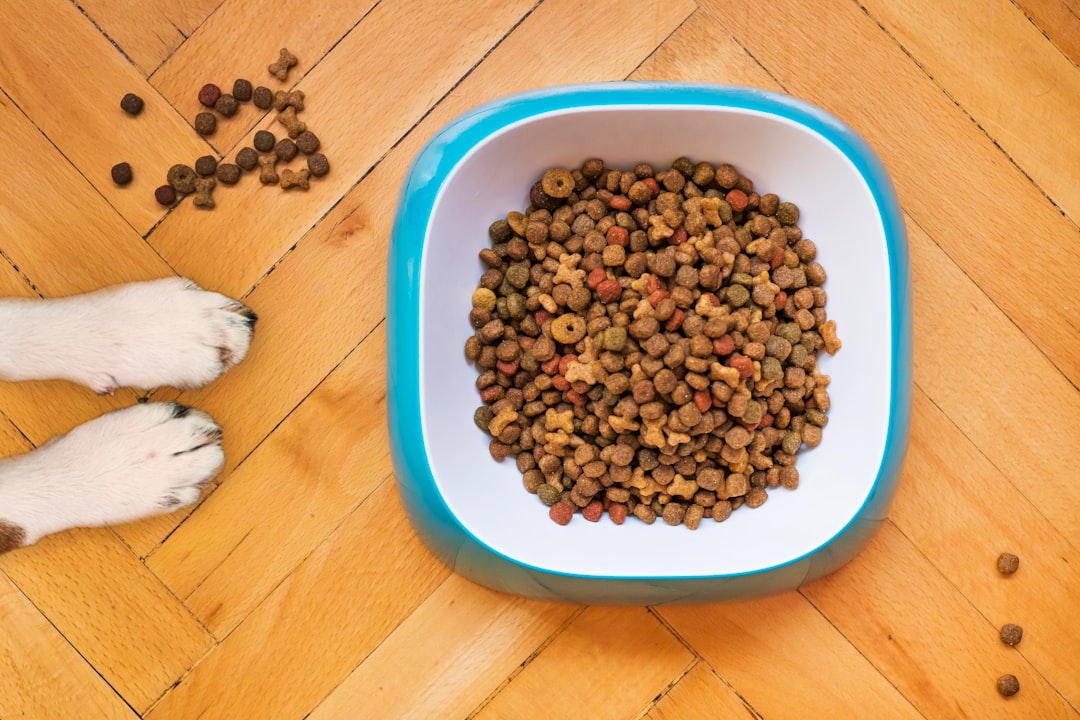
Walk down the pet food aisle of any supermarket or specialty store, and you are immediately bombarded by hundreds of competing marketing claims: grain-free, ancestral, human-grade, biologically appropriate, freeze-dried, and cold-pressed. It is easy to feel paralyzed by choice. Despite spending billions on commercial diets every year, a staggering 59% of dogs in the United States are classified as overweight or obese, according to recent veterinary surveys.
The reality is simple: knowing what to feed a dog should not require an advanced degree in animal biochemisty. Dogs thrive when given balanced, species-appropriate fuel tailored to their age, weight, and activity level. This comprehensive guide cuts through marketing jargon to give you practical, science-backed guidance on canine nutrition so you can fill your dog’s bowl with total confidence.
Key Takeaway: Expensive marketing terms like “gourmet” or “wild” have no legal veterinary definitions. Focus instead on nutritional adequacy statements, whole-food ingredient quality, and precise portion control.
The Fundamental Pillars of Canine Nutrition
Dogs are omnivores with carnivorous bias. While they have evolved the physiological ability to digest starches alongside humans over millennia, their bodies function best on a foundation of diverse, bioavailable nutrients. Every balanced canine meal must address four essential nutritional pillars.
1. High-Quality Animal Protein
Protein supplies the essential amino acids required for muscle synthesis, tissue repair, immune defense, and enzyme production. Ten of these amino acids are “essential,” meaning your dog cannot synthesize them internally and must obtain them through diet.
- Primary sources: Chicken, beef, turkey, lamb, salmon, venison, and eggs.
- What to look for: Look for named meat sources (e.g., “deboned chicken” or “salmon meal”) rather than vague classifications like “meat by-products” or “animal meal.”
2. Healthy Dietary Fats
Fats represent the most concentrated source of metabolic energy for canines, providing more than twice the calories per gram compared to protein or carbohydrates. Crucially, fats carry fat-soluble vitamins (A, D, E, and K) and supply vital Omega-3 and Omega-6 fatty acids.
- Omega-3s (EPA and DHA): Reduce systemic inflammation, support cognitive health, and maintain a glossy coat. Excellent sources include wild-caught fish oil, flaxseed, and green-lipped mussel.
- Omega-6s (Linoleic acid): Maintain cellular membrane integrity and skin barrier function, found in poultry fat and plant oils.
3. Digestible Carbohydrates and Fiber
Carbohydrates are not nutritionally mandatory in the strictest sense, but digestible carbs supply readily available glucose, sparing protein for tissue growth and repair. Dietary fiber promotes a diverse gut microbiome, firms loose stool, and helps regulate blood sugar spikes.
- Optimal sources: Sweet potatoes, pumpkin, brown rice, oatmeal, peas, and carrots.
- Fiber benefits: Soluble fiber feeds beneficial gut bacteria, while insoluble fiber adds bulk to digestive transit.
4. Essential Vitamins and Minerals
Vitamins and minerals support everything from cellular energy to skeletal development. Calcium and phosphorus must be maintained in a precise ratio (typically between 1.1:1 and 1.4:1 for adult dogs) to prevent bone demineralization or joint abnormalities.
To evaluate if a commercial formula meets baseline requirements for essential nutrients, review what makes high-quality dog food according to veterinary nutrition guidelines.
Evaluating Common Dog Food Diets
Deciding what to feed a dog often comes down to choosing between four distinct feeding formats. Each format presents clear trade-offs between convenience, cost, and nutritional integrity.
Commercial Dry Kibble
Dry kibble remains the most common dog food format worldwide due to its shelf stability, affordability, and convenience.
- Pros: Long shelf life, cost-effective, easy to store, helps reduce tartar buildup to a modest degree.
- Cons: Highly processed at high heat (extrusion), which can degrade heat-sensitive nutrients; contains very low moisture (roughly 10%), requiring dogs to drink significantly more water to stay hydrated.
- Best for: Busy households seeking budget-friendly, nutritionally complete convenience.
Canned Wet Food
Wet food typically contains higher moisture levels (around 70–80%) and higher concentrations of animal protein compared to standard kibble.
- Pros: Highly palatable for picky eaters, excellent for hydration, easier to chew for senior dogs with dental issues.
- Cons: Higher cost per serving, spoils quickly once opened, can lead to messier feeding areas.
- Best for: Dogs needing increased moisture intake, underweight dogs, or finicky eaters.
Fresh and Gently Cooked Diets
Fresh dog foods use human-grade ingredients that are gently steamed or cooked at low temperatures to preserve vitamins and natural enzymes before being refrigerated or frozen.
- Pros: Minimal processing, superior ingredient visibility, highly digestible, often customized to specific caloric needs.
- Cons: Expensive, requires significant freezer and refrigerator storage space, short shelf life once thawed.
- Best for: Pet owners looking for whole-food nutrition with maximum convenience and minimal home preparation.
Raw Diets (BARF / Prey Model)
Raw feeding focuses on uncooked muscle meat, organ meats, edible bones, and safe fruits or vegetables.
- Pros: Natural diet composition, promotes clean teeth, smaller and firmer stools, high coat shine.
- Cons: High risk of pathogen contamination (Salmonella, Listeria) to humans and pets, difficult to balance at home without clinical guidance, potential risk of fractured teeth or bowel obstruction from raw bones.
- Best for: Experienced owners working alongside a board-certified veterinary nutritionist.
Feeding Requirements Across Life Stages
A dog’s nutritional requirements change dramatically across life stages. Determining what to feed a dog requires adjusting macro ratios and portion sizes as their metabolism shifts.
Puppyhood (2 to 12 Months)
Puppies grow at a rapid rate and require higher concentrations of protein, fat, calcium, and phosphorus. Large-breed puppies (expected adult weight over 50 lbs) require strictly managed calcium-to-phosphorus ratios and controlled caloric density to prevent developmental orthopedic disorders such as hip dysplasia.
- Feeding frequency: 3 to 4 meals daily until 6 months of age, then transition to 2 meals daily.
- Key nutrient: Docosahexaenoic acid (DHA) for optimal neural and retinal development.
Adult Maintenance (1 to 7 Years)
Adult dogs need balanced caloric intake designed to maintain a stable body weight and lean muscle mass. Overfeeding during adulthood is the primary contributor to canine osteoarthritis and metabolic disease. Pair consistent feeding with daily canine exercise routines to keep energy expenditure balanced.
- Feeding frequency: 2 balanced meals per day spaced 8–12 hours apart.
- Key nutrient: High-quality protein with balanced Omega-6 to Omega-3 fatty acid ratios.
Senior Dogs (7+ Years)
As metabolic rates slow and activity levels decrease, senior dogs require fewer total calories to prevent unhealthy weight gain, but need higher-quality, easily digestible protein to prevent sarcopenia (muscle wasting).
- Feeding frequency: 2 smaller meals daily, optionally elevated to reduce neck strain.
- Key nutrients: Glucosamine, chondroitin, and marine-sourced Omega-3s to support aging joints, plus higher antioxidant levels for cognitive vitality.
Key Takeaway: Never rely strictly on bag feeding charts. Use a calibrated kitchen scale to weigh meals based on your dog’s ideal target weight, body condition score (BCS), and daily activity.
Safe and Unsafe Human Foods: Kitchen Add-Ins
You can enhance commercial kibble or wet food with fresh whole foods from your refrigerator, provided they make up no more than 10% of your dog’s daily caloric intake.
Nutrient-Dense Add-Ins Dogs Can Safely Eat
- Cooked Blueberries: Loaded with anthocyanins, vitamin C, and antioxidants that protect cellular health.
- Plain Pumpkin Puree: Rich in soluble fiber to resolve both mild diarrhea and constipation (ensure it contains zero added spices or sugars).
- Cooked Eggs: A complete protein powerhouse delivering choline, riboflavin, and selenium.
- Steamed Green Beans: Low-calorie, crunchy snacks loaded with fiber, vitamin K, and manganese.
- Plain Sardines in Water: Outstanding whole-food source of EPA and DHA Omega-3 fatty acids. You can also explore safe dog treat recipes for healthy snack ideas.
Toxic Foods to Keep Away from Your Dog
- Xylitol (Birch Bark / Wood Sugar): Found in sugar-free peanut butter, gums, and baked goods; causes acute, life-threatening hypoglycemia and liver necrosis.
- Grapes and Raisins: Can induce sudden and irreversible acute renal (kidney) failure even in microscopic quantities.
- Onions, Garlic, and Chives: Contain thiosulfate, which damages canine red blood cells and causes hemolytic anemia.
- Chocolate and Caffeine: Contain methylxanthines (theobromine and caffeine) that trigger severe cardiac arrhythmias and seizures.
- Macadamia Nuts: Cause weakness, hyperthermia, tremors, and vomiting within hours of consumption. If your dog exhibits unusual reactions after eating, watch for signs of food allergies in dogs or poisoning.
How to Transition Your Dog to a New Food
Switching diets too rapidly is the leading cause of acute dietary gastrointestinal distress in dogs. When introducing a new food, follow a gradual 7-to-10-day transition protocol:
- Days 1–3: 75% old diet + 25% new diet
- Days 4–6: 50% old diet + 50% new diet
- Days 7–9: 25% old diet + 75% new diet
- Day 10: 100% new diet
If you notice loose stools or vomiting during the transition, step back to the previous ratio for two additional days before progressing.
Take Action Today: The 5-Minute Bowl Audit
Instead of overhauling your pet’s diet overnight, take five minutes right now to audit their current feeding routine:
- Read the Label: Flip your current bag or can of food over. Verify that it carries an official statement of nutritional adequacy (such as meeting maintenance or all-life-stages standards) and check that a specific animal protein tops the ingredient list.
- Ditch the Plastic Scoop: Measuring cups are notoriously inaccurate, often causing 20–30% inadvertent overfeeding. Switch to a digital food scale to weigh portions in grams.
- Add One Fresh Element: Top your dog’s next meal with a tablespoon of canned plain pumpkin, a handful of blueberries, or a splash of warm bone broth to add hydration and living phytonutrients.
Understanding what to feed a dog is about consistency, ingredient quality, and mindful portioning. By making small, informed adjustments to your dog’s bowl today, you invest directly in their vitality, health, and lifespan for years to come.

Written by
Nibedita Basu
English graduate and social worker with a passion for creating a warm, happy, and meaningful life. I write about Home, Food, and Pets — sharing practical ideas, everyday inspiration, and simple joys that make life more comfortable, wholesome, and fulfilling.