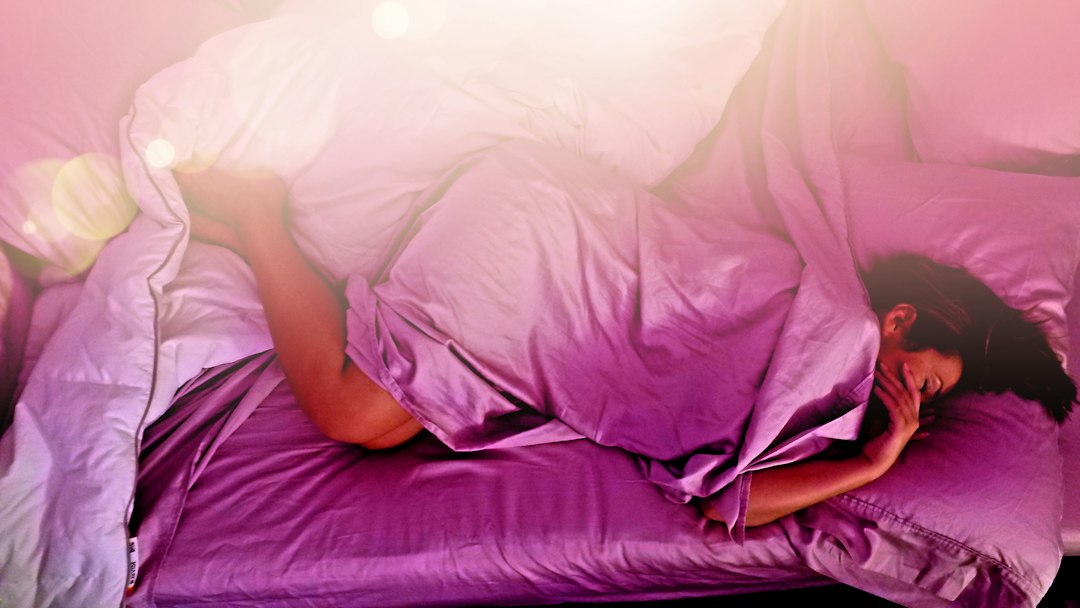
It usually hits around 3:15 AM. You wake up with your heart racing, your t-shirt glued to your chest, and your sheets completely soaked. You flip the pillow to find a cool spot, kick off the duvet, and lie there shivering as the damp fabric turns freezing cold against your skin. Within twenty minutes, you are exhausted, wide awake, and dreading your morning alarm.
Frequent nocturnal sweating is far more than a minor laundry annoyance. When persistent sleep disruptions night sweats cause tear you out of slow-wave sleep and REM stages, your cognitive function, emotional resilience, and physical recovery take an immediate hit. Fragmented sleep elevates cortisol levels, degrades insulin sensitivity, and leaves you running on fumes.
Fortunately, night sweats—clinically known as nocturnal hyperhidrosis—are not an unavoidable life sentence. By understanding the physiological triggers that throw off your body's nocturnal thermoregulation, you can engineer an environment and an evening routine that keeps your core temperature stable from dusk to dawn.
Key Takeaway: Night sweats aren't just a surface skin issue; they represent a misfire in your body’s internal thermostat (the hypothalamus). Resolving nocturnal sweating requires tackling both internal metabolic triggers and external sleep-environment friction.
Why Nocturnal Sweating Happens: Decoding Your Internal Thermostat
Your body naturally drops its core temperature by about one to two degrees Fahrenheit in the evening to initiate sleep. This drop is driven by the circadian release of melatonin, which signals blood vessels in your hands and feet to dilate (vasodilation), shedding heat from your core to the environment.
However, when your hypothalamus receives conflicting signals, it overreacts. It perceives normal temperatures as extreme overheating and triggers emergency cooling mechanisms: rapid heart rate, flushing, and profuse perspiration. If you want to stop the cycle of sleep disruptions night sweats trigger, you must first identify what is confusing your internal thermometer.
1. Hormonal Surges and Crashes
Hormones exert enormous influence over hypothalamic function. While perimenopause and menopause are the most widely recognized culprits—due to fluctuating estrogen levels directly destabilizing the thermoregulatory center—they are not the only hormonal triggers. Drops in testosterone in men, thyroid irregularities (such as hyperthyroidism), and blood glucose crashes (nocturnal hypoglycemia) can all prompt an adrenaline surge that leaves you sweating through your pajamas.
2. Sympathetic Nervous System Activation
If you carry high stress or untreated anxiety to bed, your sympathetic "fight-or-flight" nervous system stays on high alert. Elevated baseline cortisol and adrenaline prevent smooth thermoregulation. If you experience an intense dream during REM sleep while in an elevated sympathetic state, your body can respond with an immediate drenching sweat.
3. Medication Side Effects and Metabolic Stress
According to Mayo Clinic's diagnostic breakdown of nocturnal hyperhidrosis, several common classes of medications list night sweats as a frequent side effect. Selective serotonin reuptake inhibitors (SSRIs), blood pressure medications, and even over-the-counter pain relievers can disrupt heat-dissipation pathways. Alcohol and spicy foods consumed close to bedtime further compound the issue by elevating heart rate and dilating blood vessels unnaturally.
Tactical Bedroom Engineering: Optimize Your Sleep Microclimate
Before testing supplements or medical interventions, you should address your immediate physical environment. Most people inadvertently trap heat inside their bedding, transforming their bed into a low-grade greenhouse that guarantees waking up soaked.
1. Drop the Ambient Thermostat to the Goldilocks Zone
The ideal ambient room temperature for human sleep is between 60°F and 67°F (15.5°C to 19.4°C). When room air is cool, your exposed face and head can efficiently shed heat into the room. If your room is 72°F or warmer, your body struggles to dump excess thermal energy, significantly raising the odds of sweating episodes.
2. Replace Synthetic Bedding with Breathable, Natural Fibers
Polyester, microfiber, and memory foam are notorious heat traps. They capture radiant body heat and bounce it right back onto your skin, while trapping moisture against your body instead of allowing it to evaporate.
- Sheets: Switch to 100% long-staple cotton percale, linen, or bamboo viscose. Percale features an open weave that maximizes airflow.
- Mattress Protectors: Throw away waterproof polyurethane mattress pads. Replace them with breathable wool or moisture-wicking natural protectors. Wool is naturally thermoregulating—it wicks moisture vapor away before it condenses into liquid sweat.
- Mattress Selection: If you are evaluating your bed setup, consider choosing cooling mattress materials like natural latex or hybrid pocketed-coil systems that promote continuous airflow rather than dense traditional memory foam.
3. Utilize Active Thermal Regulation Tech
If passive sheet changes do not completely solve the problem, active cooling systems can provide targeted relief. Hydro-powered cooling mattress toppers circulate temperature-controlled water underneath your body throughout the night. By keeping the surface at a constant 64°F–68°F, these systems absorb excess body heat continuously, preventing the thermal spikes that jolt you awake.
Key Takeaway: Moisture-wicking sheets only manage liquid after you sweat; active airflow and breathable plant or animal fibers (like percale and wool) prevent the heat buildup that causes sweating in the first place.
Evening Protocols to Prevent Core Temperature Spikes
How you treat your body in the four hours leading up to sleep directly determines whether your core temperature drops smoothly or spikes erratically at 2:00 AM. Integrating intentional habits into your routine is essential for optimizing your evening wind-down routine.
The Warm Bath Paradox (Strategic Vasodilation)
It sounds counterintuitive, but taking a warm bath or hot shower 60 to 90 minutes before bed is one of the most reliable ways to lower your core body temperature. When you immerse yourself in warm water, blood rushes to your skin’s surface (vasodilation). When you step out into the cooler room air, that heat rapidly radiates out of your body, precipitating a sharp drop in core temperature that signals your brain to sleep soundly.
Mastering Evening Nutrition and Hydration
Your digestive tract generates thermal energy when processing food—a phenomenon known as the thermic effect of food (TEF). To minimize nocturnal heat spikes:
- Cut the Late-Night Carbs and Sugars: High-glycemic snacks right before bed cause an insulin spike followed by a mid-night glucose crash. When glucose drops, the brain releases cortisol and epinephrine to mobilize stored glycogen. That surge of adrenaline wakes you up drenched in sweat.
- Stop Alcohol at Least 3 Hours Before Bed: While alcohol is a sedative that makes falling asleep easier, it completely ruins sleep architecture. It acts as a vasodilator initially, speeding up your pulse and relaxing airways, but as your liver metabolizes it in the second half of the night, rebound autonomic excitation triggers heavy sweating and fragmented sleep.
- Keep Cold Water Bedside in an Insulated Flask: If you do wake up warm, sipping ice water rapidly cools the vagus nerve area and signals your internal thermostat to settle down.
Tracking Your Sleep Patterns and Warning Signs
While most night sweats stem from environmental friction, hormonal shifts, or mild lifestyle triggers, they can occasionally indicate an underlying medical condition that requires a physician’s attention. By tracking deep sleep metrics and noting the frequency of your episodes, you can gather objective data for your healthcare provider.
When to Consult a Physician
Schedule an evaluation with your doctor if your night sweats are accompanied by any of the following symptoms:
- Unexplained, rapid weight loss
- Persistent low-grade fevers or daytime chills
- Localized pain or swollen lymph nodes
- Sweating that is so severe it occurs consistently every single night regardless of room temperature
A simple blood panel checking thyroid stimulating hormone (TSH), complete blood count (CBC), fasting glucose, and hormone levels can quickly rule out complex underlying issues.
Your Action Plan for Tonight
You do not need to overhaul your entire lifestyle in one day to start curbing sleep disruptions night sweats inflict on your rest. Start with these three concrete steps this evening:
- Set your thermostat to 66°F (19°C) two hours before you climb into bed.
- Swap heavy synthetic blankets for a single layer of breathable cotton or linen bedding.
- Take a 10-minute warm shower 75 minutes before sleep, skip late-night alcoholic drinks, and place an insulated tumbler of ice water directly on your nightstand.
By removing ambient heat traps and supporting your body's natural cooling mechanisms, you will protect your sleep stages, keep your sheets dry, and finally wake up feeling fully restored.

Written by
Indrajit Mukherjee
Engineer by education, passionate coder, stock market enthusiast, and lifelong learner. I write about Growth, Productivity, Money, and Sleep — sharing practical ideas, insights, and lessons to help you work smarter, build better habits, and live a more fulfilling life.