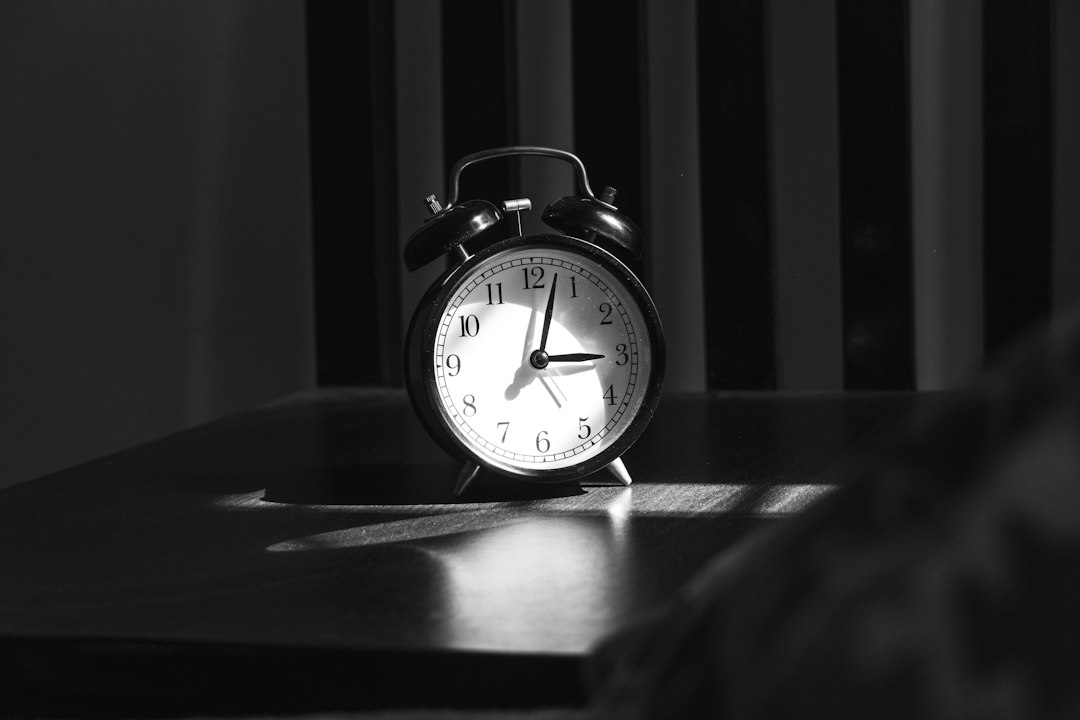
It hits like clockwork: 2:15 PM. Your eyelids feel weighted, your inbox looks overwhelming, and your brain refuses to process another sentence. Your instinctive response might be to grab a third cup of coffee or try to power through via sheer willpower. But fighting this mid-afternoon slump is usually a losing battle because it is hardwired into human biology.
Human circadian rhythms naturally dip in the early afternoon, signaling a physiological drop in core body temperature and alertness. Instead of masking this fatigue with stimulants, top performers lean into it. In a landmark study on military pilots and astronauts, NASA researchers discovered that a 26-minute nap improved cognitive performance by 34% and alertness by 54%.
Mastering how to power nap is not an indulgence or an admission of laziness. It is an evidence-backed biological reset button. When executed properly, a short daytime rest restores working memory, sharpens reaction time, and accelerates physical recovery—all without leaving you groggy or sabotaging your nighttime sleep.
Key Takeaway: Midday fatigue is a predictable dip in your circadian rhythm. A targeted 10- to 20-minute power nap restores alertness and cognitive output significantly faster and more sustainably than an extra shot of espresso.
The Sleep Architecture Behind the Perfect Nap
To understand why some naps leave you energized while others make you feel like you were hit by a truck, you have to look at sleep architecture. Normal sleep occurs in repeating 90-to-110-minute cycles divided into distinct phases:
- Stage 1 (N1): The transitional phase between wakefulness and light sleep. Muscles relax, brain waves slow, and you drift in and out of consciousness.
- Stage 2 (N2): True light sleep. Heart rate decelerates, body temperature drops, and the brain produces bursts of activity called "sleep spindles" that play a crucial role in memory consolidation.
- Stage 3 (N3): Slow-Wave Sleep (SWS) or deep sleep. Your brain produces slow delta waves, blood pressure drops, and tissue repair occurs.
- REM Sleep: Rapid Eye Movement sleep, characterized by vivid dreams, heightened brain metabolism, and emotional processing.
The Danger of Sleep Inertia
The primary reason people dislike napping is sleep inertia—the disoriented, heavy, brain-fogged state that happens when you wake up directly from Stage 3 deep sleep. When you sleep for 30 to 45 minutes, your brain descends into delta-wave territory. Ripping yourself out of deep sleep abruptly forces your prefrontal cortex to struggle through low blood flow and lingering adenosine, leaving you worse off than before you closed your eyes.
The secret to how to power nap effectively is staying confined entirely to Stages 1 and 2. By waking up before slow-wave sleep begins, you glean the rejuvenating benefits of sleep spindles while bypassing sleep inertia altogether.
Step-by-Step Protocol: How to Power Nap for Peak Performance
Power napping is a skill that requires precise inputs. Follow this protocol to optimize your midday shuteye.
1. Pinpoint Your Timing Window
The ideal window for a power nap is between 1:00 PM and 3:00 PM. During this window, your core body temperature naturally dips as part of optimizing your circadian rhythm. Napping after 3:30 PM is risky; it reduces sleep pressure (the natural accumulation of adenosine) and can cause difficulty falling asleep at night.
2. Cap Your Duration at 10 to 20 Minutes
When learning how to power nap, duration is your most critical variable. Set a timer for 25 minutes total. This allows roughly 5 to 7 minutes to drift off, followed by 15 to 18 minutes of restorative Stage 2 sleep. Decades of chronobiology research summarized in the Sleep Foundation guide to power napping show that a 10-to-20-minute nap yields immediate improvements in cognitive agility and psychomotor speed with zero post-nap hangover.
3. Control Light and Noise
Your brain is exquisitely sensitive to environmental cues. Light suppresses melatonin production and tells your suprachiasmatic nucleus that it is time to be vigilant. Keep a contoured eye mask and silicone earplugs at your desk or bedside. If you do not have a silent room, play pink noise or brown noise through headphones to mask unpredictable office or neighborhood sounds.
4. Adjust Posture and Temperature
You do not necessarily need a bed. In fact, resting in a reclined chair or on a couch propped up at a 30-to-45-degree angle can make it easier to wake up on time and avoid drifting into heavy, deep sleep. Ensure your environment is comfortable or slightly cool, as a hot room inhibits sleep onset.
Key Takeaway: Limit your power nap to 20 minutes between 1:00 PM and 3:00 PM. Use an eye mask, white or brown noise, and a slightly inclined position to keep your sleep light and restorative.
The "Nappuccino" Hack: Unleashing the Caffeine Nap
If you need maximum alertness for an intense afternoon meeting or workout, try the caffeine nap (colloquially called the "nappuccino"). This biohack leverages the biochemical interaction between caffeine and adenosine.
The Mechanism
Throughout your waking hours, adenosine builds up in your brain, binding to adenosine receptors and generating feelings of fatigue. Sleep clears adenosine naturally, while caffeine blocks those same receptors from registering fatigue. However, caffeine takes roughly 20 to 25 minutes to clear the gastrointestinal tract and enter the bloodstream.
- Drink: Consume a shot of espresso or a quick cup of cold brew (around 75–100 mg of caffeine).
- Sleep: Immediately lie down and close your eyes for a 20-minute power nap.
- Wake: As your timer rings at minute 20, the brief nap has cleared built-up adenosine from your receptors, just as the caffeine hits your systemic circulation.
You wake up with a compound boost: cleared neurological debris plus active caffeine receptor antagonism. Use this technique sparingly—no more than two or three times a week—so you do not develop extreme caffeine tolerance or disrupt your baseline sleep hygiene routine.
The Nap Duration Matrix: Which Nap Do You Need?
While the standard 10-to-20-minute power nap is the gold standard for daily maintenance, different nap lengths serve distinct physiological goals:
- The Micro-Nap (2 to 5 minutes): Surprisingly effective at shedding extreme acute somnolence when driving or operating machinery, but provides minimal cognitive enhancement.
- The Classic Power Nap (10 to 20 minutes): The sweet spot for sustained alertness, enhanced motor skills, improved focus, and zero grogginess.
- The Slow-Wave Nap (30 to 60 minutes): Promotes muscle recovery and facts/memory encoding, but comes with a heavy tax: 15 to 30 minutes of moderate-to-severe sleep inertia upon waking.
- The Full-Cycle Nap (90 minutes): A complete sleep cycle encompassing light, deep, and REM sleep. Excellent for creative problem-solving, emotional regulation, and athletic recovery if you are severely sleep-deprived from the night before.
Troubleshooting: What If You Cannot Fall Asleep?
A common roadblock when learning how to power nap is sleep anxiety: the frantic pressure of watching the clock tick down while waiting for sleep to arrive.
Here is the liberating truth: you do not actually need to fall fully unconscious to reap benefits. Studies show that simply entering a state of quiet wakefulness (Stage 1 relaxation) generates alpha and theta brainwave patterns that lower sympathetic nervous system activity, drop heart rate variability metrics into recovery zones, and refresh working memory.
If you struggle to fall asleep quickly, substitute traditional napping with non-sleep deep rest (NSDR) or a guided 15-minute body-scan meditation. Lie still, keep your eyes covered, practice slow diaphragmatic breathing (inhale for 4 seconds, exhale for 6 seconds), and let your body rest without demanding immediate sleep.
Your Action Step for Today
Do not wait until the weekend to experiment. Today, between 1:00 PM and 2:30 PM, run your first calibrated power nap trial:
- Find a quiet couch, comfortable recliner, or parked car.
- Put your phone into "Do Not Disturb" mode and set an alarm for 22 minutes.
- Slip on a pair of sunglasses or an eye mask.
- Focus on elongating your exhales to down-regulate your nervous system.
- When the alarm goes off, stand up immediately, drink a glass of cold water, and get 2 minutes of direct sunlight.
By mastering how to power nap with scientific precision, you reclaim the second half of your day and eliminate the mid-afternoon slump for good.

Written by
Indrajit Mukherjee
Engineer by education, passionate coder, stock market enthusiast, and lifelong learner. I write about Growth, Productivity, Money, and Sleep — sharing practical ideas, insights, and lessons to help you work smarter, build better habits, and live a more fulfilling life.