The average American consumes roughly 17 teaspoons (about 68 grams) of added sugar every single day. That is nearly double the recommended limit for men and triple the limit for women. Most of that sugar doesn't come from birthday cake or gourmet desserts—it lurks quietly in everyday staples like pasta sauces, salad dressings, morning coffees, and breakfast bowls.
Going cold turkey on sugar usually backfires. Drastic detoxes trigger intense biological cravings, irritability, and headache-inducing crashes that leave you raiding the pantry by day three. The secret to sustainable change isn't deprivation; it's culinary substitution. When you smartly recalibrate familiar recipes, you can satisfy your palate while systematically lowering your daily intake.
Here is how to effortlessly reduce sugar intake using five nutrient-dense, flavorful swaps that won't leave you feeling shortchanged.
Key Takeaway: Sugar reduction succeeds when you swap rather than subtract. Replacing refined sweeteners with whole-food textures, healthy fats, and aromatic spices retrains your palate in just two to three weeks without triggering deprivation cues.
Why Hidden Sugar Hijacks Your Energy and Cravings
Added sugars digest rapidly, entering your bloodstream in minutes. This causes an aggressive spike in blood glucose, followed by an equally sharp insulin response that drives your blood sugar into a trough. That sudden dip signals your brain that you are low on fuel, triggering intense cravings for fast-acting carbohydrates.
Furthermore, refined sugars desensitize your taste buds over time. When everyday foods are artificially sweetened, whole foods like crisp apples or roasted carrots begin to taste bland. According to NIH research on dietary sugar, high-sugar diets also alter the composition of beneficial gut microbiota, impairing metabolic health and digestive efficiency.
Making deliberate ingredient substitutions is the most sustainable way to reduce sugar intake because it works with your physiology. By pairing natural sweetness with dietary fiber, healthy fats, and protein, you blunt the glycemic curve and reset your sensory baseline.
5 Practical Swaps to Slash Sugar Without Sacrificing Flavor
1. Swap Fruit-Flavored Yogurt for Plain Greek Yogurt + Muddled Berries
A single 6-ounce cup of commercial strawberry or vanilla yogurt often packs between 15 and 22 grams of sugar—equivalent to eating four chocolate cream cookies for breakfast. Most of this sweetness comes from corn syrup or concentrated cane juice used in the fruit purée base.
The Upgrade: Switch to whole-milk or 2% plain Greek yogurt. Top it with a half-cup of fresh or thawed frozen raspberries, blackberries, or blueberries. Gently mash the berries with the back of a fork to release their natural juices throughout the yogurt, and finish with a dusting of ground Ceylon cinnamon.
- Why it works: Plain Greek yogurt delivers 15 to 18 grams of hunger-crushing protein per serving. Berries provide natural sweetness balanced by soluble fiber, while cinnamon adds warmth that tricks your brain into perceiving extra sweetness without a single gram of added sugar.
- Bonus: This swap supports gut health meal prep by feeding your microbiome live active cultures alongside prebiotic berry fiber.
2. Swap Bottled Condiments and Dressings for 2-Minute Kitchen Whiks
Store-bought ketchup, barbecue sauce, teriyaki glaze, and commercial honey mustard are stealth sugar delivery systems. Just two tablespoons of standard barbecue sauce contain roughly 16 grams of sugar, while typical bottled balsamic vinaigrettes rely heavily on refined sugars to mask low-grade oils.
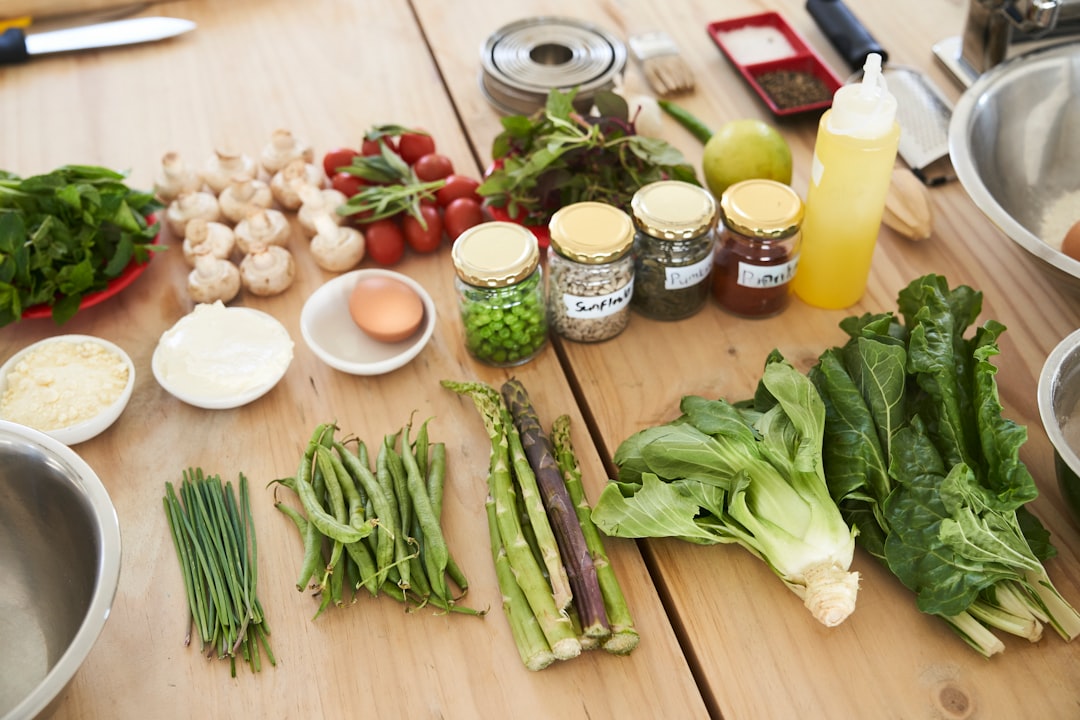
The Upgrade: Whip up your own 30-second kitchen dressings using cold-pressed extra virgin olive oil, an acid, and aromatic enhancers.
- Everyday Citrus Vinaigrette: 3 tablespoons extra virgin olive oil + 1 tablespoon fresh lemon juice + 1 teaspoon Dijon mustard + 1 pinch of sea salt and cracked black pepper.
- Savory Dip Base: Mix unsweetened tomato paste with apple cider vinegar, smoked paprika, garlic powder, and a dash of Worcestershire sauce for an instant, sugar-free condiment.
By blending these at home, you eliminate unnecessary thickeners and preserve the bright, authentic flavor profiles of your ingredients.
3. Swap Boxed Breakfast Cereals for High-Protein Overnight Oats
Even cereals marketed as "heart healthy," "multigrain," or "natural granola" frequently contain 10 to 14 grams of refined sugar per tiny 1/2-cup serving. Combined with skim milk, this morning staple sends your blood sugar soaring before you even start your workday.
The Upgrade: Prepare overnight oats in a mason jar the evening before to build stable energy that lasts until lunch. This is one of the fastest ways to reduce sugar intake before noon.
- The Base: 1/2 cup rolled oats + 1 tablespoon chia seeds + 3/4 cup unsweetened almond milk.
- The Flavor & Protein Boost: 1 scoop unflavored or naturally flavored vanilla whey/plant protein powder, 1 tablespoon raw almond butter, and 1/4 teaspoon pure vanilla extract.
- Top with: Sliced strawberries or a scattering of raw pumpkin seeds for crunch.
For more balanced morning combinations, check out our guide to high-protein breakfast ideas that keep insulin levels steady.
4. Swap Soda and Sweetened Teas for Tart Cherry Spritzers or Herb Cold Brews
Liquid calories are the primary driver of excess sugar consumption. Liquid sugar bypasses the satiety signals triggered by chewing, making it remarkably easy to consume 40 grams of simple carbs in under five minutes.
The Upgrade: Replace soda, sweetened iced teas, and sports drinks with carbonated mineral water infused with bold, acidic flavors.
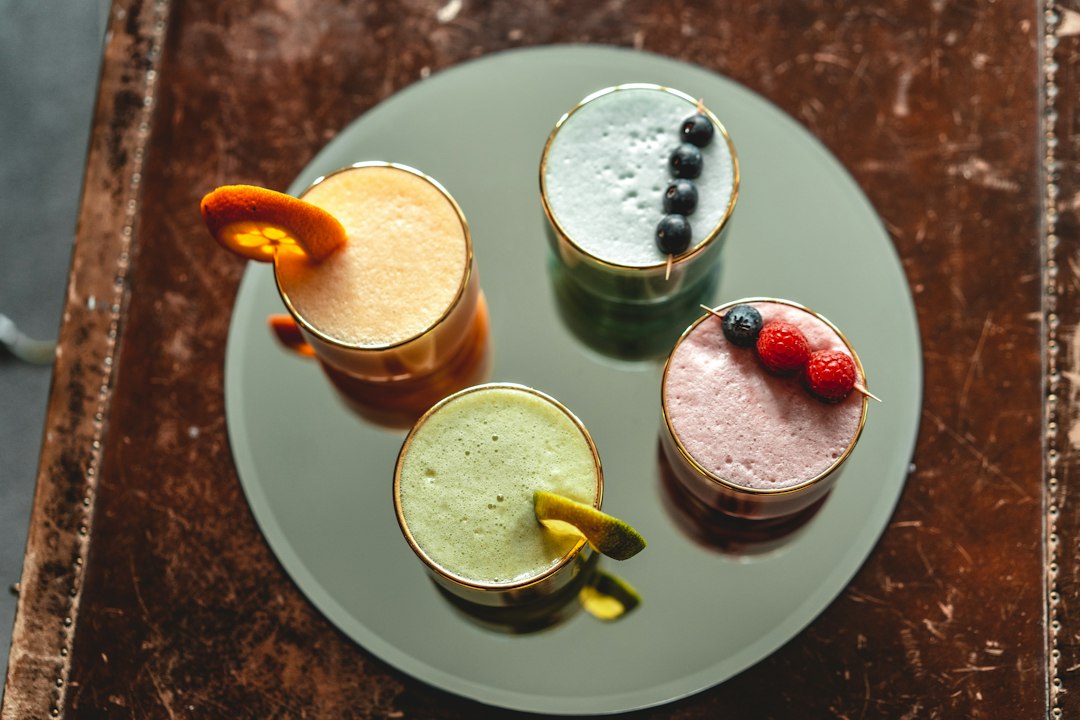
- The Tart Cherry Spritzer: Fill a tall glass with ice, add 2 tablespoons of 100% unsweetened tart cherry juice or pure pomegranate juice, top with plain sparkling water, and squeeze in a fresh lime wedge.
- Cold-Brewed Hibiscus Tea: Steep dried hibiscus flowers in cold water in your fridge overnight. Hibiscus offers a tart, cranberry-like profile that satisfies the craving for bright, flavorful drinks without needing added sweeteners.
5. Swap Commercial Baked Treats for Dark Chocolate-Dipped Frozen Fruit
That 8:00 PM craving for a cookie, brownie, or ice cream bowl is often a habitual sensory routine rather than genuine physical hunger. Standard baked treats combine refined flour with massive amounts of refined sugar, disrupting your sleep architecture and leading to next-morning lethargy.
The Upgrade: Keep a container of homemade dark chocolate-dipped banana bites or frozen raspberries in your freezer.
- Slice two ripe bananas into bite-sized rounds.
- Melt 2 ounces of 85% or higher dark chocolate with 1 teaspoon of coconut oil.
- Dip each slice halfway into the chocolate, place on parchment paper, sprinkle with flaky sea salt, and freeze for 30 minutes.
The high cocoa butter content in 85% dark chocolate delivers rich polyphenols and healthy fats, satisfying your chocolate craving with just 2 to 3 grams of sugar per serving. You can discover more satisfying options in our roundup of healthy snack alternatives.
Pro Tip: When reading nutrition labels, check the "Added Sugars" line rather than total carbohydrates. Naturally occurring sugars in whole dairy (lactose) and whole fruit (fructose) come packaged with protein, water, and fiber that slow digestion.
3 Rules to Retrain Your Palate Without Willpower
If you want to permanently reduce sugar intake without feeling like you are constantly white-knuckling cravings, use these physiological strategies:
Use Warm Spices as Flavor Amplifiers
Vanilla extract, ground cinnamon, nutmeg, allspice, and ground cardamom stimulate the olfactory receptors associated with sweetness. Adding a few drops of pure vanilla extract to black coffee or oatmeal imparts a sweet aroma without introducing glucose or synthetic sweeteners.
Follow the "Half-and-Half" Stepping Stone Method
Sudden shifts can cause palate shock. Instead of jumping from a double-pump flavored latte to straight black coffee, ask for one pump for a week, then half a pump, then switch to a whole-milk cappuccino dusted with cinnamon. Diluting sweet foods 50/50 with their unsweetened counterparts allows your taste buds to naturally reset over 14 days.
Front-Load Protein and Healthy Fats
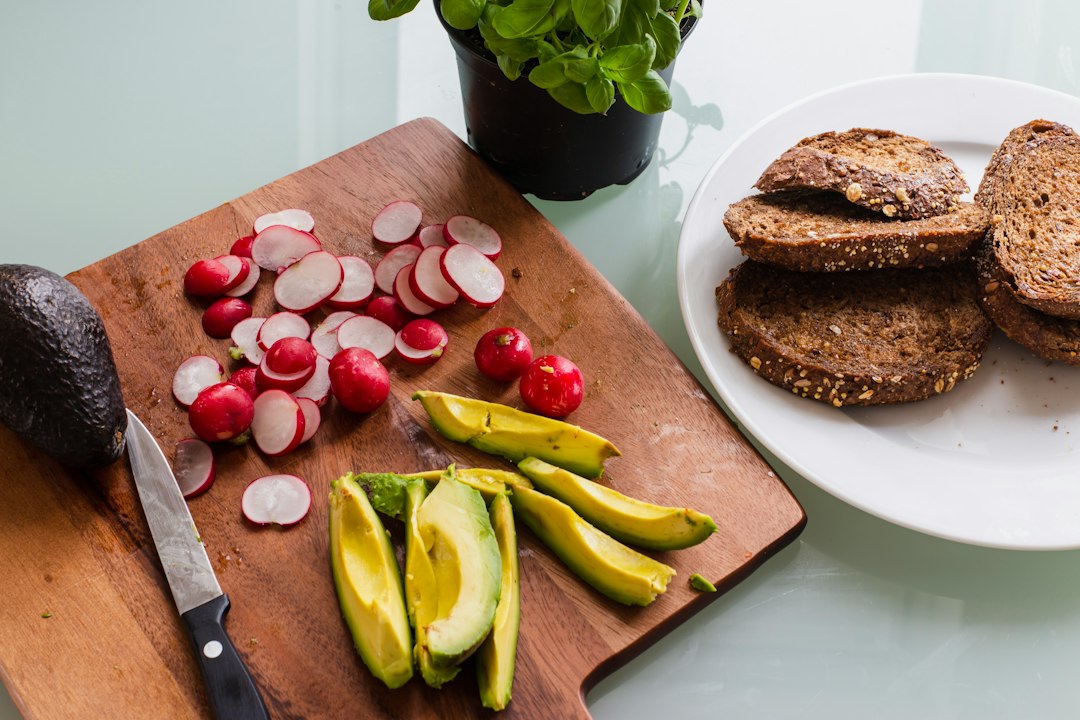
Cravings for sweets frequently stem from under-eating protein and fat earlier in the day. Protein prompts the release of peptide YY and GLP-1 (satiety hormones) while curbing ghrelin (the hunger hormone). When your meals are built around eggs, poultry, wild fish, tofu, nuts, and avocados, your mid-afternoon urge for a sugar hit drops dramatically.
What Happens When You Cut Added Sugar?
As you systematically reduce sugar intake over several weeks, you will notice remarkable shifts in your daily wellness:
- Stable Energy: The dreaded 2:00 PM brain fog disappears as your body relies on steady, sustained fat and complex carbohydrate oxidation rather than volatile glucose spikes.
- Heightened Taste Sensitivity: Within two to three weeks, your taste bud receptors become significantly more sensitive. Fresh berries will taste like candy, and standard commercial desserts will suddenly taste cloyingly sweet.
- Clearer Skin & Better Sleep: Lowering high-glycemic foods decreases systemic inflammation and IGF-1 production, which frequently translates to clearer skin and deeper, uninterrupted REM sleep cycles.
Your Action Step for Today
Do not overhaul your entire kitchen today. Instead, pick one swap from the list above and execute it right now.
If you usually grab a flavored coffee drink or afternoon soda, make today the day you swap it for an infused sparkling water or cold brew with a dash of cinnamon. Master that single adjustment for seven days before adding a second swap. Small, frictionless upgrades compound into effortless lifestyle transformations.

Written by
Nibedita Basu
English graduate and social worker with a passion for creating a warm, happy, and meaningful life. I write about Home, Food, and Pets — sharing practical ideas, everyday inspiration, and simple joys that make life more comfortable, wholesome, and fulfilling.