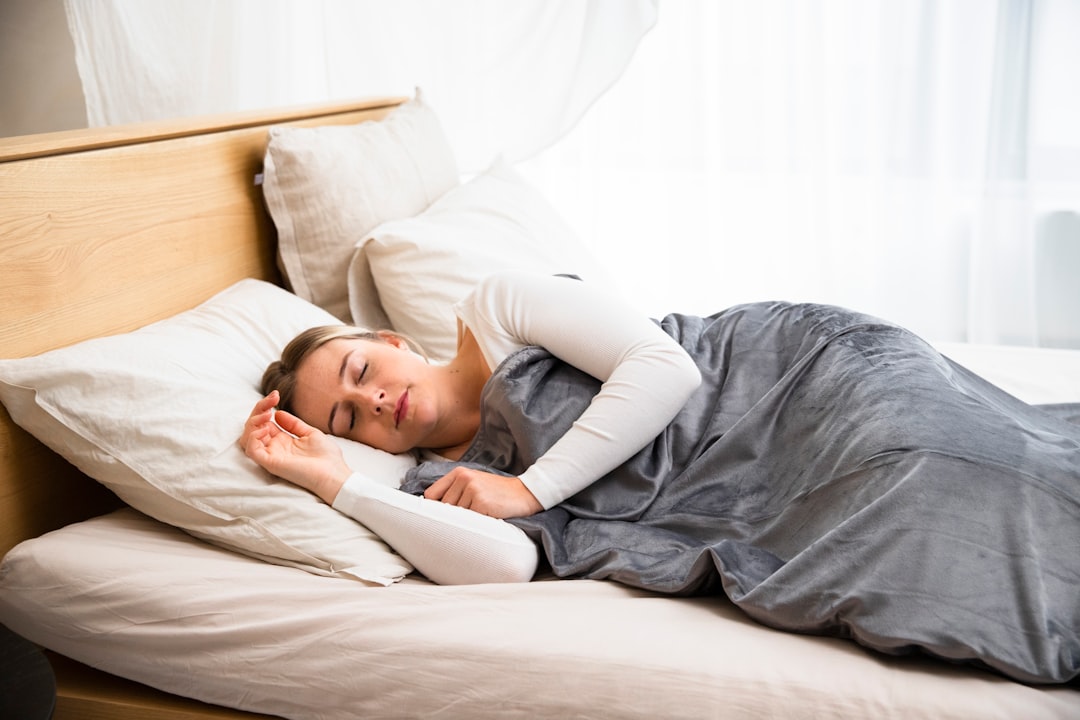
You finally crawl into bed after an exhausting day, turn off the lights, and close your eyes—only for your nasal passages to slam shut within three minutes. Your throat scratches, your eyes itch, and every breath through your mouth leaves your tongue feeling like sandpaper. If this sounds painfully familiar, you are far from alone.
According to clinical data published by the Sleep Foundation, over 80% of people with allergic rhinitis report significant sleep problems, including frequent nighttime awakenings, snoring, and unrefreshing rest. Allergic reactions do not simply make you sneeze during the day; they fundamentally sabotage your sleep architecture at night.
Fortunately, you do not have to surrender three months of every year to brain fog and chronic fatigue. Finding dependable sleep with allergies relief is entirely achievable when you understand the biological mechanisms behind nighttime congestion and systematically eliminate allergen triggers from your bedroom.
Why Seasonal Allergies Wreck Your Sleep Architecture
To fix nighttime allergy disruptions, you first need to understand why symptoms spike the moment your head hits the pillow. It is not just bad luck; it is a combination of gravity, immunology, and circadian biology.
1. The Gravity Effect on Nasal Turbinates
When you stand or sit upright during the day, gravity helps drain venous blood and mucus away from your head. When you lie flat, blood pools in the venous sinusoids of your nasal mucosa. For someone without allergies, this causes barely noticeable swelling. But when your tissues are already inflamed from histamine, this postural shift causes your inferior turbinates to engorge completely, creating an immediate physical blockage.
2. The Circadian Histamine Surge and Cortisol Drop
Your immune system follows a circadian rhythm. In the late evening and early hours of the morning, your body's production of cortisol (a natural anti-inflammatory hormone) reaches its lowest baseline. Concurrently, immune cells release inflammatory mediators, including histamine and leukotrienes, at higher rates during the night. This neurochemical shift makes your airways hyper-reactive between 2:00 AM and 6:00 AM.
3. Forced Mouth Breathing and Micro-Arousals
Nasal breathing filters, warms, and humidifies air while releasing nitric oxide, which improves oxygen uptake in the lungs. When congestion forces you to mouth-breathe, you bypass these benefits. Mouth breathing leads to a dry, irritated pharynx, increased airway resistance, snoring, and frequent micro-arousals—brief awakenings that fragment your deep slow-wave sleep and REM cycles without you even realizing it.
Key Takeaway: Nighttime allergy symptoms are magnified by horizontal blood pooling in the nasal passages and a natural dip in anti-inflammatory cortisol levels. Addressing nighttime posture and localized inflammation is critical for genuine sleep with allergies relief.
Step 1: Sanitize Your Sleep Sanctuary
Your bedroom should be an immunological recovery zone. During pollen season, the average bedroom collects airborne particulate matter, outdoor spores carried on clothing, and trapped allergens inside mattress fabrics. Implementing rigorous environmental controls will dramatically cut the allergen burden you inhale for eight hours each night.
Establish a Decontamination Protocol Before Bed
You accumulate microscopic pollen grains on your hair, skin, eyebrows, and clothes throughout the day. If you jump into bed without decontaminating, you transfer those allergens directly onto your pillowcase, where you press your face into them all night long.
- Shower and wash your hair before bed: A warm evening shower washes pollen out of your hair and off your skin. The steam also provides temporary humidification to loosen daytime nasal crusting.
- Keep outdoor clothing out of the bedroom: Strip off daytime clothes in the laundry room or bathroom. Never toss clothes worn outside onto your bed or bedroom chairs.
- Wipe down pets: If you have pets that go outside, keep them out of your sleeping space entirely during high-pollen months. At minimum, wipe down their fur with a damp cloth before they enter the house.
Fortify Your Bedding and Airflow
Optimizing your immediate sleeping environment requires physical barriers against allergen accumulation, just as you would when optimizing your sleep environment for temperature and light control.
- Encase mattresses and pillows in zippered allergen-proof covers: Choose tightly woven micro-fiber encasements (pore size under 6 microns) that prevent pollen and dust mites from embedding in memory foam and down.
- Wash bedding weekly at 130°F (54.4°C): Cold water will not dissolve microscopic allergen proteins or kill dust mites. Use hot water cycles weekly for sheets and pillowcases.
- Deploy a true HEPA air purifier: Place a High-Efficiency Particulate Air (HEPA) filter in your bedroom. Ensure the Clean Air Delivery Rate (CADR) matches your room dimensions, and run it continuously on a medium setting rather than toggling it on and off.
- Keep bedroom windows firmly shut: Atmospheric pollen counts typically peak in the early morning (between 5:00 AM and 10:00 AM) and during warm, windy evenings. Rely on air conditioning or an air purifier rather than open cross-ventilation during peak seasons.
Step 2: Medical and Mechanical Nighttime Protocols
Environmental control reduces exposure, but internal inflammation often demands targeted, evidence-based intervention. To achieve consistent sleep with allergies relief, you need to align your treatments with your body's biological rhythms.
Master the Timing of Your Medications
One of the most frequent mistakes allergy sufferers make is taking their medication at the wrong time of day.
- Nasal Corticosteroid Sprays (e.g., Fluticasone, Budesonide): These are first-line treatments for seasonal allergic rhinitis. Because they take several hours to modulate gene transcription and reduce cellular inflammation, spraying them in the early evening yields peak mucosal efficacy right when you go to bed. Technique tip: Aim the nozzle outward toward the ear on the same side, not directly at the central septum, to avoid nosebleeds and maximize turbinate coverage.
- Second-Generation Oral Antihistamines (e.g., Cetirizine, Fexofenadine, Loratadine): If your antihistamine causes mild drowsiness (common with cetirizine), take it right before bed. If you use a non-sedating option, taking it with dinner ensures steady blood plasma concentrations throughout the early morning histamine spike.
- Avoid First-Generation Antihistamines for Sleep: While older medications like diphenhydramine cause heavy sedation, they disrupt sleep architecture, suppress REM sleep, cause dry mouth, and leave a significant next-day cognitive hangover. They are not a viable strategy for restorative sleep.
Perform a Pre-Bed Saline Nasal Irrigation
Flushing your nasal passages with a isotonic or mildly hypertonic saline solution 30 minutes before bed physically washes away trapped pollen, clears thick mucus, and thins mucosal secretions. This simple habit drastically improves airflow.
- Always use distilled, sterile, or previously boiled and cooled water—never tap water.
- Mix with buffered USP-grade sodium chloride and sodium bicarbonate packets.
- Lean forward over the sink at a 45-degree angle, keeping your mouth open to breathe naturally while irrigating.
- Allow all residual liquid to drain before applying any medicated nasal sprays, ensuring the medication adheres to clean mucosal tissue.
Key Takeaway: Medicated steroid sprays reach peak efficacy several hours after application. Administer them during your evening wind-down routine alongside a sterile saline rinse to secure clear nasal passages throughout the night.
Step 3: Posture and Physical Sleep Interventions
Even with clean air and proper medications, gravity remains a physical challenge. Adjusting your body mechanics at night will help you maintain open upper airways and reduce the resistance that triggers mouth breathing.
Elevate Your Head and Torso Correctly
Propping your head up with two or three standard pillows bends your neck unnaturally, craning your cervical spine and potentially narrowing your pharyngeal airway. Instead, you need an elevation that raises your entire upper torso.
- Use a structured wedge pillow: A 30- to 45-degree foam wedge pillow elevates the torso from the waist up, allowing gravity to drain vascular congestion from your nasal tissue without kinking your neck.
- Elevate the head of your bed frame: If you use an adjustable base, elevate the head section by 4 to 6 inches. Alternatively, secure bed risers under the two front legs of your bed frame for a consistent incline.
Use External Nasal Dilators
Drug-free external nasal strips use spring-like bands to physically pull the lateral nasal walls outward. While they do not treat underlying inflammation, clinical trials show they significantly reduce nasal airflow resistance and decrease mouth dryness in congested sleepers. They are an excellent, side-effect-free adjunct tool for immediate sleep with allergies relief.
Daily Habits to Safeguard Your Nighttime Rest
Achieving deep rest during high-pollen seasons requires daytime diligence. Incorporate these evidence-based habits into your everyday sleep hygiene checklist to keep inflammation under control:
- Track local pollen counts: Check spore and pollen forecasts daily. On extreme count days, limit outdoor cardiovascular exercise or shift your workouts indoors to avoid loading your respiratory tract with allergens.
- Stay aggressively hydrated: Drinking sufficient water keeps the mucus layer lining your respiratory system fluid and mobile, enabling the microscopic cilia in your nasal passages to sweep irritants away efficiently.
- Avoid alcohol within 4 hours of bedtime: Alcohol acts as a peripheral vasodilator, causing blood vessels in the nasal mucosa to expand and swell. It also relaxes the muscles of the throat, compounding airway obstruction and worsening allergy-induced sleep fragmentation.
Your Action Plan for Tonight
Do not wait for allergy season to pass to get the restorative sleep your brain and body need. Tonight, take these three immediate steps to jumpstart your sleep with allergies relief:
- Wash your hair and body in a warm shower right before bed to strip off today's pollen residue.
- Flush your sinuses with a sterile saline rinse, wait 15 minutes, and apply your nasal corticosteroid spray using the correct outward-aiming technique.
- Elevate your upper torso using a wedge pillow or by propping the head of your mattress up by four inches, and seal your bedroom windows shut.
By pairing environmental hygiene with sound biomechanics and correctly timed treatments, you can silence the nightly allergy cycle and wake up fully restored.

Written by
Indrajit Mukherjee
Engineer by education, passionate coder, stock market enthusiast, and lifelong learner. I write about Growth, Productivity, Money, and Sleep — sharing practical ideas, insights, and lessons to help you work smarter, build better habits, and live a more fulfilling life.