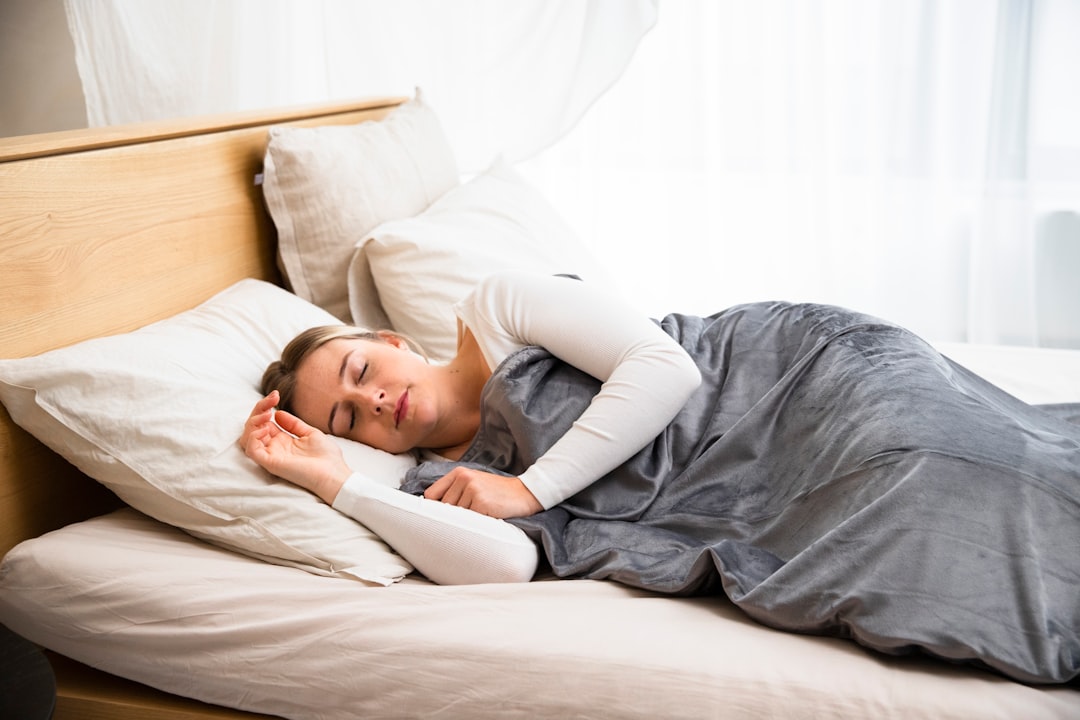
You crawl into bed at 11:00 PM, physically exhausted from a chaotic day. But the exact second your head touches the pillow, your brain decides it is time to compose an opera, research the architectural history of medieval castles, or replay a conversation from 2017. While the rest of the world effortlessly powers down, your mind boots up.
If this sounds intimately familiar, you are not lazy, undisciplined, or broken. Up to 75% of adults with Attention Deficit Hyperactivity Disorder (ADHD) report chronic sleep problems. Traditional sleep advice—like "just drink chamomile tea" or "close your eyes and count sheep"—rarely works for neurodivergent nervous systems. To genuinely sleep better with ADHD, you must work with your brain's unique wiring, not against it.
Why ADHD Makes Falling Asleep So Challenging
Sleep difficulties in ADHD are biological, not behavioral shortcomings. Understanding the underlying neurochemistry helps remove the guilt and points the way toward realistic solutions.
1. The Delayed Melatonin Shift
Research published by the Sleep Foundation on ADHD and sleep patterns shows that individuals with ADHD frequently experience Delayed Sleep Phase Syndrome (DSPS). In neurotypical brains, melatonin (the hormone that signals sleepiness) begins rising shortly after dusk. In ADHD brains, this natural melatonin surge often lags by 60 to 90 minutes. You genuinely do not feel biological sleepiness until well past midnight.
2. The Dopamine Deficiency at Rest
ADHD is fundamentally a disorder of dopamine dysregulation. When you lie in a dark, silent room, your brain experiences sensory deprivation. Lacking external stimulation, your under-aroused nervous system generates internal stimulation: racing thoughts, vivid daydreams, and physical restlessness. Silence can feel uncomfortably loud.
3. Executive Dysfunction and Bedtime Procrastination
Going to bed requires a dozen micro-transitions: stopping an engaging task, brushing teeth, washing your face, changing clothes, and turning off lights. For an ADHD brain with low executive functioning reserves at the end of the day, these mundane tasks feel like climbing a mountain. This leads directly to "revenge bedtime procrastination"—staying up late to reclaim autonomy and easy dopamine.
Key Takeaway: ADHD sleep issues stem from delayed circadian rhythms and dopamine-seeking behavior. Solutions must provide gentle, low-friction stimulation and biological cues, rather than forced silence and rigid rules.
Bedtime Reset: 7 Science-Backed Ways to Sleep Better with ADHD
Standard sleep hygiene assumes your brain naturally wants to wind down. These seven neurodivergent-adapted strategies work by soothing sensory overload, satisfying dopamine cravings, and resetting your internal clock.
1. Front-Load Sunlight to Anchor Your Clock
Because your internal clock naturally runs late, you need strong external anchors to shift your circadian phase earlier. The single most powerful anchor is bright light exposure within 30 minutes of waking.
- Get 10–15 minutes of direct morning sunlight outside without sunglasses.
- If you wake up before sunrise or live in a dark winter climate, use a 10,000-lux light therapy lamp while drinking your morning coffee or checking email.
- This morning light spike triggers a biological timer that prompts melatonin release roughly 14 to 16 hours later.
2. Use "Boring Dopamine" Instead of Complete Silence
Telling someone with ADHD to lie in a quiet, dark room is like asking a hyperactive puppy to sit quietly in an empty closet. Instead of forcing total sensory deprivation, feed your brain just enough low-stakes stimulation to prevent racing thoughts without keeping you awake.
- Audiobooks you already know: Listen to familiar stories (like childhood classics or comfort books) narrated in a calm voice. Because you know the plot, your brain will not stay awake to find out what happens next.
- Brown noise: While white noise can sound harsh and tinny, brown noise emphasizes deeper, lower-frequency rumbles (resembling a distant waterfall or steady airplane cabin). It helps quiet internal chatter.
- Sleep-safe timer: Set your audio player to shut off automatically after 45 minutes so it does not disturb your deeper sleep cycles.
3. Offload Your "Mental RAM" Before Getting into Bed
Working memory deficits cause ADHD brains to panic at night, constantly looping reminders out of fear of forgetting them tomorrow. If you try to build an effective evening routine for high performers, you need an external system to catch those stray thoughts.
Keep a physical notebook on your nightstand. Before lying down, conduct a rapid five-minute "brain dump." Write down every nagging task, random idea, or worry currently bouncing around your mind. Tell yourself: It is captured on paper; my brain is officially off the clock until morning. This cognitive offloading is a critical tactic to help your nervous system settle so you can sleep better with ADHD.
4. Lower the Friction of Nighttime Hygiene
When you are drained at 10:30 PM, the multi-step chore of getting ready for bed triggers task paralysis. Remove friction by decoupling your hygiene routine from your actual bedtime:
- Brush your teeth and wash your face immediately after dinner, while you still have leftover momentum from the day.
- Put on pajamas hours before you plan to sleep.
- When bedtime arrives, the barrier to sliding under the covers is virtually zero.
5. Harness Heavy Sensory Input (Deep Pressure Therapy)
Physical restlessness and restless legs are frequent hurdles for neurodivergent sleepers. Proprioceptive input—sensory feedback from muscles and joints—calms the sympathetic nervous system and triggers relaxation.
- Weighted blankets: Use a blanket weighing roughly 10% of your body weight. The gentle, distributed pressure mimics deep touch pressure (DTP), lowering cortisol levels and promoting serotonin production.
- Targeted compression: If full-body weight feels restrictive or too warm, try a weighted eye mask or a tight compression sheet across your mattress.
6. Strategic Caffeine and Medication Timing
Stimulant medications and caffeine metabolize differently in every individual. While some people find that short-acting stimulants actually quiet their brain enough to sleep, for most, late-afternoon dosing destroys sleep architecture.
Track your intake carefully. Aim to cut off caffeine by 12:00 PM or at least 10 hours before sleep. If you take extended-release ADHD medications, ensure you take them early enough in the morning so they have cleared your system by your target sleep window. Mastering these chemical baselines is an empowering step toward learning to managing restless mind syndrome and nighttime anxiety.
7. Drop Your Core Body Temperature
Your body naturally needs to drop its core temperature by 1 to 2 degrees Fahrenheit to initiate deep sleep. ADHDers often struggle with temperature regulation, making optimizing your sleep environment essential.
- Set your bedroom thermostat between 65°F and 68°F (18°C to 20°C).
- Take a warm shower or bath 60 to 90 minutes before bed. The warm water brings blood flow to the surface of your skin; when you step out, heat rapidly radiates away, triggering a sharp core temperature drop that signals sleepiness to your brain.
Key Takeaway: Do not fight your brain with absolute silence and rigid discipline. Replace high-stimulation screens with "boring dopamine" audio, reduce nighttime hygiene friction, and use thermal and sensory cues to trigger biological sleepiness.
What to Do When You Are Stuck Awake at 2:00 AM
Even with great habits, some nights your brain simply will not cooperate. Lying in bed staring at the ceiling for hours creates an association between your mattress and frustration, deepening insomnia.
Follow the 20-Minute Rule: If you have been tossing and turning for roughly 20 minutes, get out of bed.
- Move to a dimly lit, comfortable spot in another room.
- Avoid checking your phone, turning on overhead lights, or looking at the clock.
- Engage in a low-stimulation "bridge activity": read a physical book, sketch, work on a non-digital puzzle, or do gentle stretches.
- Return to bed only when your eyelids feel heavy and you experience genuine sleep pressure.
Your Action Step for Tonight
Attempting to overhaul your entire sleep routine all at once is a recipe for ADHD overwhelm and abandonment. To genuinely sleep better with ADHD, start with just one low-friction experiment tonight:
Tonight's Action: Move your bedtime hygiene routine up to right after dinner. Brush your teeth and wash your face before you sit down for your evening relaxation. When bedtime arrives later tonight, observe how much easier it is to transition straight into bed without the friction of bathroom chores standing in your way.

Written by
Indrajit Mukherjee
Engineer by education, passionate coder, stock market enthusiast, and lifelong learner. I write about Growth, Productivity, Money, and Sleep — sharing practical ideas, insights, and lessons to help you work smarter, build better habits, and live a more fulfilling life.