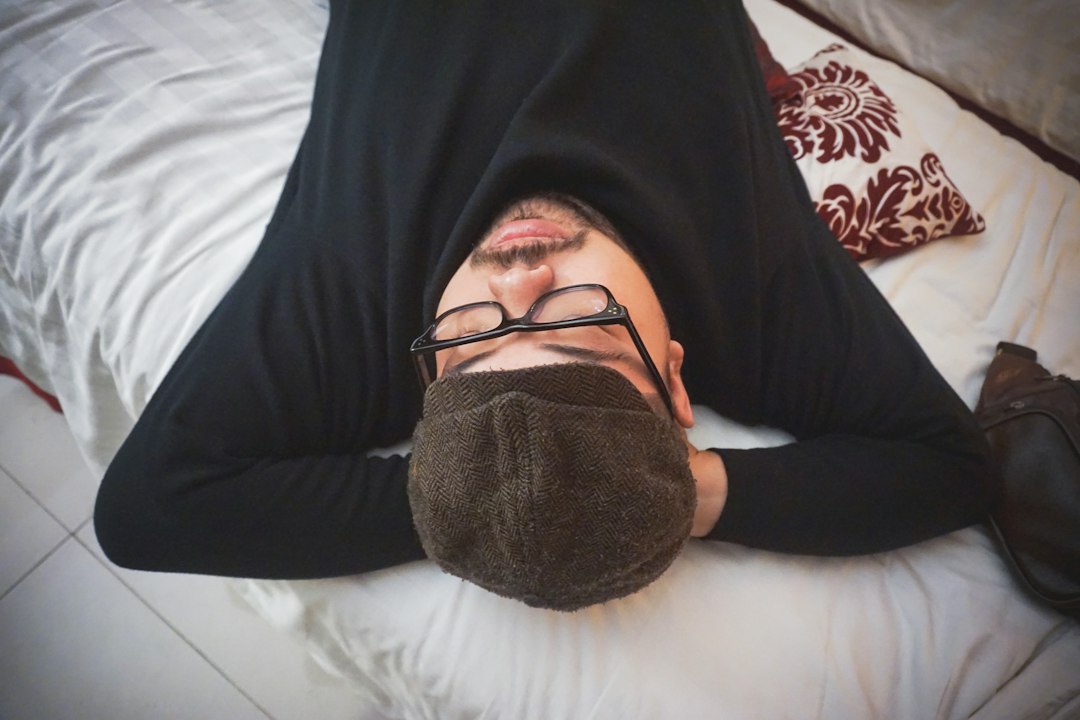
You wake up at 3:00 AM, and your tongue feels glued to the roof of your mouth. Swallowing feels like trying to choke down a dry cracker, your throat burns, and reaching for the water glass on your nightstand is an urgent, instinctive reflex. If this scenario sounds familiar, you are far from alone.
Occasional dryness is common, but waking up chronically with dry mouth at night—clinically known as nocturnal xerostomia—is more than just an annoying morning ritual. Saliva is your mouth's primary natural defense mechanism. It neutralizes harmful acids, washes away food debris, and constantly bathes your teeth in remineralizing minerals like calcium and phosphate. When your salivary flow stalls while you sleep, your risk of tooth decay, gum disease, chronic bad breath, and fragmented sleep skyrockets.
The good news? You do not have to accept desert-dry mornings as normal. By identifying what is siphoning your nighttime saliva and applying targeted, practical tweaks, you can restore moisture and dramatically improve your sleep quality.
Key Takeaway: Saliva production naturally drops during sleep, but severe nocturnal dryness is usually triggered by a combination of mouth breathing, indoor air quality, evening habits, or medication side effects. Fixing it requires addressing both air intake and hydration mechanics.
Why You Experience Dry Mouth at Night: The Most Common Culprits
Before you run out to buy specialty lozenges or new mouthwashes, it helps to understand why your mouth dries out while you rest. The causes generally fall into four primary categories: mechanical airflow issues, pharmacological triggers, lifestyle factors, and underlying health conditions.
1. Habitual Mouth Breathing and Nasal Obstruction
By far the most common driver of nighttime dryness is mouth breathing. Humans are obligate nasal breathers by design; your nasal passages are equipped with turbinates that warm, filter, and humidify every breath of air before it hits your lungs. When your nasal airway is blocked, your jaw drops open to maintain airflow.
Continuous airflow across the mucosal tissues evaporates moisture rapidly. Even mild nasal congestion caused by allergies, a deviated septum, enlarged turbinates, or seasonal weather shifts can force you into mouth breathing throughout the night.
2. Prescription and Over-the-Counter Medications
According to research highlighted by the Mayo Clinic on dry mouth causes, hundreds of widely used medications list xerostomia as a primary side effect. These drugs alter nervous system signaling to your salivary glands, drastically cutting down their resting output.
- Antihistamines and Decongestants: Common allergy medications dry up mucous membranes across your entire respiratory tract—including your oral cavity.
- Blood Pressure Medications: Diuretics (water pills), beta-blockers, and ACE inhibitors frequently deplete fluid reserves and blunt salivary stimulation.
- Antidepressants and Anti-Anxiety Drugs: SSRIs, SNRIs, and tricyclic antidepressants frequently inhibit parasympathetic signals that trigger saliva.
- Muscle Relaxants and Pain Relievers: Many prescription sedatives relax the muscles in your jaw while drying oral tissues.
3. Evening Dietary Choices and Dehydration
What you consume in the four hours leading up to bedtime has a direct impact on your oral environment. Alcohol is a well-known diuretic that suppresses antidiuretic hormone (ADH), prompting your kidneys to dump water during the night while relaxing your throat muscles (which worsens snoring and open-mouth breathing). Similarly, late-night caffeine, salty snacks, and acidic or spicy dinners trigger systemic fluid shifts that leave your mucosal linings parched.
4. Obstructive Sleep Apnea (OSA)
If you wake up gasping, snore heavily, or experience relentless daytime fatigue alongside your dry mouth, obstructive sleep apnea may be the hidden driver. During apnea events, your upper airway collapses, leading to forceful oral gasps and heavy mouth breathing. Addressing your airway dynamics by learning about the best sleeping positions for breathing can be a crucial first line of defense.
Practical, Evidence-Based Fixes to Restore Nighttime Moisture
Fixing dry mouth at night does not require complicated routines or expensive gadgets. Instead, focus on optimizing your bedroom microclimate, retraining your breathing, and supporting your body's natural saliva production.
Step 1: Dial in Your Bedroom Humidity
During winter months or in air-conditioned environments, indoor relative humidity frequently plummets below 20%—drier than most deserts. Breathing bone-dry ambient air for seven to eight hours straight strips moisture from your airway at an accelerated rate.
- Use an ultrasonic or evaporative cool-mist humidifier: Position the unit within four to six feet of your bed headboard.
- Aim for 40% to 50% relative humidity: Use an inexpensive digital hygrometer to monitor room levels. Anything above 60% can promote mold growth, while anything below 35% accelerates mucosal drying.
- Clean your humidifier weekly: Stagnant water breeds mineral scale and bacteria, which can irritate nasal passages and worsen nighttime congestion.
Step 2: Clear Your Nasal Passages Before Bed
If your nose is clear, your lips stay naturally sealed, locking saliva inside. Establish a brief pre-bed nasal hygiene habit to keep your airway open:
- Saline Nasal Rinse or Spray: Use a sterile hypertonic or isotonic saline spray 30 minutes before sleep to clear allergens, thin mucus, and reduce mucosal swelling.
- External Nasal Dilator Strips: These flexible, spring-like bands adhere to the bridge of your nose, physically widening the nasal valve area and reducing airflow resistance by up to 30%.
- Elevate Your Head: Prop your head and upper torso up by 4 to 6 inches using an ergonomic or wedge pillow. This prevents venous pooling in your nasal turbinates that occurs when lying flat.
Step 3: Rethink Your Nighttime Hydration Strategy
Chugging a full liter of plain water right before getting into bed will not solve dry mouth—it will simply wake you up for midnight bathroom runs, fragmenting your sleep architecture. Instead, apply smarter evening hydration strategies:
- Front-load your fluids: Drink the majority of your daily water between morning and late afternoon.
- Sip, don't gulp, in the evening: Keep a 4-ounce glass of water with a pinch of unrefined sea salt or an electrolyte tablet near your bed to support intracellular fluid retention.
- Cut off alcohol and heavy caffeine 3–4 hours before sleep: This prevents rapid systemic dehydration and rebound nasal congestion during the night.
Key Takeaway: Gulping excess water before bed doesn't cure oral dryness; it just disrupts your sleep cycles. Focus on continuous daytime hydration, pre-bed nasal opening, and keeping room humidity above 40%.
Step 4: Upgrade Your Oral Care Products
Standard commercial toothpastes and mouthwashes can inadvertently worsen dry mouth at night. Common ingredients like alcohol and sodium lauryl sulfate (SLS) are notorious mucosal irritants that strip away protective salivary proteins.
- Ditch alcohol-based mouthwashes: Switch to enzymatic or hydrating oral rinses specifically formulated for dry mouth. Look for formulas containing soothing ingredients like aloe vera, glycerin, or betaine.
- Utilize Xylitol Adherent Discs: Small, slow-release xylitol discs (often called melting lozenges) adhere directly to your gums or molars before sleep. As they dissolve slowly over several hours, they safely stimulate natural salivary glands without presenting a choking hazard.
- Choose an SLS-free toothpaste: Switching to a gentle, non-foaming formula prevents mucosal sloughing and irritation.
When Nighttime Dry Mouth Demands a Doctor's Visit
While environmental and lifestyle tweaks eliminate dry mouth for most people, persistent, severe xerostomia warrants a conversation with your healthcare provider or dentist. Pay close attention if you notice any of the following red flags:
- Persistent tooth decay or gum bleeding: Rapid enamel erosion despite diligent brushing is a hallmark sign of chronic salivary insufficiency.
- Chronic dry eyes, joint aches, or fatigue: When paired with dry mouth, these symptoms may indicate an autoimmune disorder such as Sjögren's syndrome.
- Loud snoring punctuated by pauses or gasping: A formal sleep study can evaluate whether obstructive sleep apnea is forcing your mouth open during sleep.
- Burning mouth sensation or difficulty chewing dry foods: This suggests significant salivary gland hypofunction requiring prescription salivary stimulants or specialized oral gels.
By optimizing your room's airflow and optimizing your sleep environment, you give your body the exact conditions it needs to stay properly hydrated all night long.
Your Action Plan for Tonight
You do not need to overhaul your entire lifestyle in a single evening to experience relief. Take these three concrete steps before getting into bed tonight:
- Set up a cool-mist humidifier next to your bed and ensure it runs through the night.
- Rinse your nasal passages with a gentle saline spray and apply a nasal strip to guarantee unrestricted nasal breathing.
- Swap out harsh oral rinses for a sip of water and consider a slow-release xylitol disc if your mouth feels tight before turning off the lights.
Give these adjustments three to four nights of consistent use, and you can finally say goodbye to that sandpaper morning feeling for good.

Written by
Indrajit Mukherjee
Engineer by education, passionate coder, stock market enthusiast, and lifelong learner. I write about Growth, Productivity, Money, and Sleep — sharing practical ideas, insights, and lessons to help you work smarter, build better habits, and live a more fulfilling life.