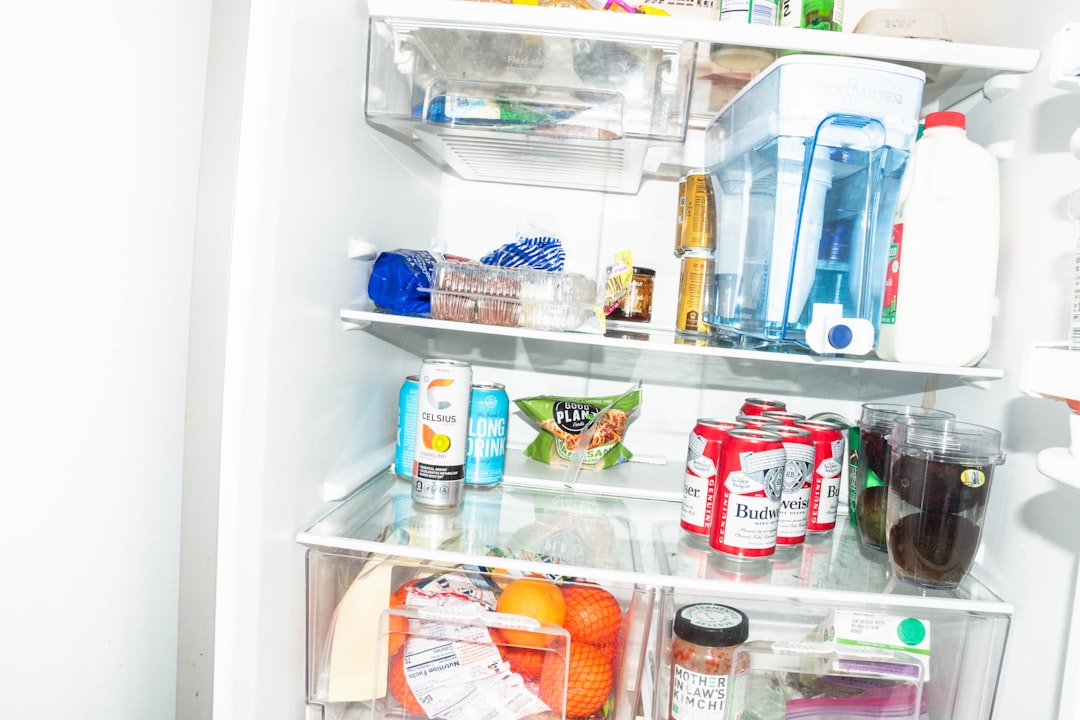
It is 6:30 PM on a Tuesday. You are hungry, tired, and staring blankly into your refrigerator. You open a recipe app, only to find a dinner idea that requires 18 distinct ingredients, three separate mixing bowls, and 45 minutes of active prep time. You close the app, open a delivery app, and spend $35 on takeout you did not even really want.
This cycle is why most dietary changes collapse within a few weeks. The problem is not your willpower or your desire to eat well; the problem is that traditional recipes are rigid, time-consuming, and fragile. If you are missing single ingredients like lemongrass, shallots, or smoked paprika, the entire plan derails.
Professional restaurant cooks and seasoned home chefs rarely rely on step-by-step instructions for everyday dinners. Instead, they use structural frameworks. When you master a modular framework, assembling easy healthy meals without recipes becomes as intuitive and effortless as building a sandwich.
The Hidden Problem with Recipe-Driven Cooking
Following a recipe is essentially following an algorithm written for someone else’s kitchen, schedule, and grocery budget. While recipes are wonderful for baking delicate pastries or mastering complex holiday dishes, they create three major friction points for weekday eating:
- Decision Fatigue: Reading, calculating measurements, and sequencing cooking steps after a long workday drains your remaining mental energy.
- Food Waste and Expense: Buying a whole bunch of fresh tarragon for a single teaspoon leads to slimy herb packets in the bottom of your crisper drawer and higher grocery bills.
- Rigidity: If you do not have chicken breasts, you assume you cannot make the dish, ignoring the perfectly good can of black beans or block of tofu sitting in your pantry.
Learning how to make easy healthy meals without recipes eliminates this friction. You shift from asking “What recipe can I make?” to “What components do I have on hand?”
Key Takeaway: Recipes dictate exact ingredients, but cooking formulas dictate roles. When you cook by roles, you can substitute ingredients freely based on what is already in your fridge and pantry.
The 5-Ingredient Formula Breakdown
Every satisfying, nutrient-dense meal requires balance across macronutrients, texture, and flavor. By selecting one item from each of the five pillars below, you can create hundreds of distinct meals without measuring a single teaspoon.
According to the Academy of Nutrition and Dietetics, balancing your plate with a variety of whole foods, quality proteins, and colorful vegetables is the most sustainable way to meet your daily nutritional needs.
1. The Base (Complex Carbs or Sturdy Greens)
The base provides structural volume and sustained energy. It anchors the meal and catches juices and sauces. Rotate between warm whole grains and fresh leafy greens depending on the season and your energy levels.
- Grains & Starches: Brown rice, quinoa, farro, sweet potato cubes, whole wheat pasta, or roasted baby potatoes.
- Greens: Massaged kale, baby spinach, arugula, or shredded cabbage.
2. The Protein Anchor
Protein stimulates satiety hormones and prevents post-meal energy crashes. Aim for roughly a palm-sized portion per serving.
- Animal Proteins: Chicken thighs, canned wild salmon, wild-caught tuna, lean ground turkey, shrimp, or eggs.
- Plant-Based Proteins: Extra-firm tofu, tempeh, canned chickpeas, black beans, or edamame.
3. The High-Volume Vegetable
Vegetables supply dietary fiber, essential micronutrients, and vibrant color. Incorporating plenty of gut-friendly high-fiber foods into your daily meals supports digestion and steady blood sugar levels.
- Cruciferous: Broccoli florets, cauliflower, Brussels sprouts, or broccolini.
- Tender Veggies: Zucchini ribbons, bell peppers, asparagus spears, cherry tomatoes, or sliced mushrooms.
4. The Healthy Fat (Flavor & Satiety Carrier)
Fat carries fat-soluble vitamins (A, D, E, K) and sends long-lasting fullness signals to the brain. It transforms dry diet food into something you genuinely look forward to eating.
- Oils & Fruit Fats: Extra virgin olive oil, toasted sesame oil, or sliced avocado.
- Nuts, Seeds & Dairy: Toasted pumpkin seeds, slivered almonds, tahini, crumbled feta, or goat cheese.
5. The Flavor Multiplier (Acid, Heat, or Umami)
This is where ordinary ingredients become delicious. Without an active flavor component, healthy meals feel like a chore. The multiplier ties the entire dish together.
- Acids: Fresh lemon juice, lime wedges, apple cider vinegar, or balsamic glaze.
- Umami & Ferments: Tamari/soy sauce, Dijon mustard, capers, kimchi, or nutritional yeast.
- Heat: Sriracha, red pepper flakes, fresh chili peppers, or chili crisp.
4 Cooking Methods to Put the Formula to Work
Once you select your five components, you need a cooking vehicle. You do not need complex culinary techniques; mastering just four basic formats lets you prepare easy healthy meals without recipes in under 25 minutes.
Method 1: The Sheet Pan Roast
The sheet pan roast is the ultimate hands-off dinner technique. Everything cooks on a single tray at high heat (400°F / 200°C), triggering caramelization and concentrating flavors.
- Chop your protein (e.g., salmon fillets or diced chicken breast) and your high-volume vegetable (e.g., broccoli or asparagus).
- Toss everything in your healthy fat (extra virgin olive oil), salt, and pepper.
- Spread evenly on a parchment-lined baking sheet and roast for 15–20 minutes.
- Serve over a pre-cooked grain base (like quinoa) and drizzle with a flavor multiplier (lemon-tahini dressing).
Method 2: The 15-Minute Skillet Sauté
A hot skillet or wok allows for lightning-fast cooking with minimal cleanup. High heat preserves the crispness of vegetables and keeps proteins juicy.
- Heat a skillet with high-heat oil over medium-high heat.
- Sear quick-cooking protein (ground turkey, peeled shrimp, or cubed tofu) until browned; set aside.
- Toss in sliced vegetables (bell peppers, snap peas, or mushrooms) and flash-cook for 3–4 minutes.
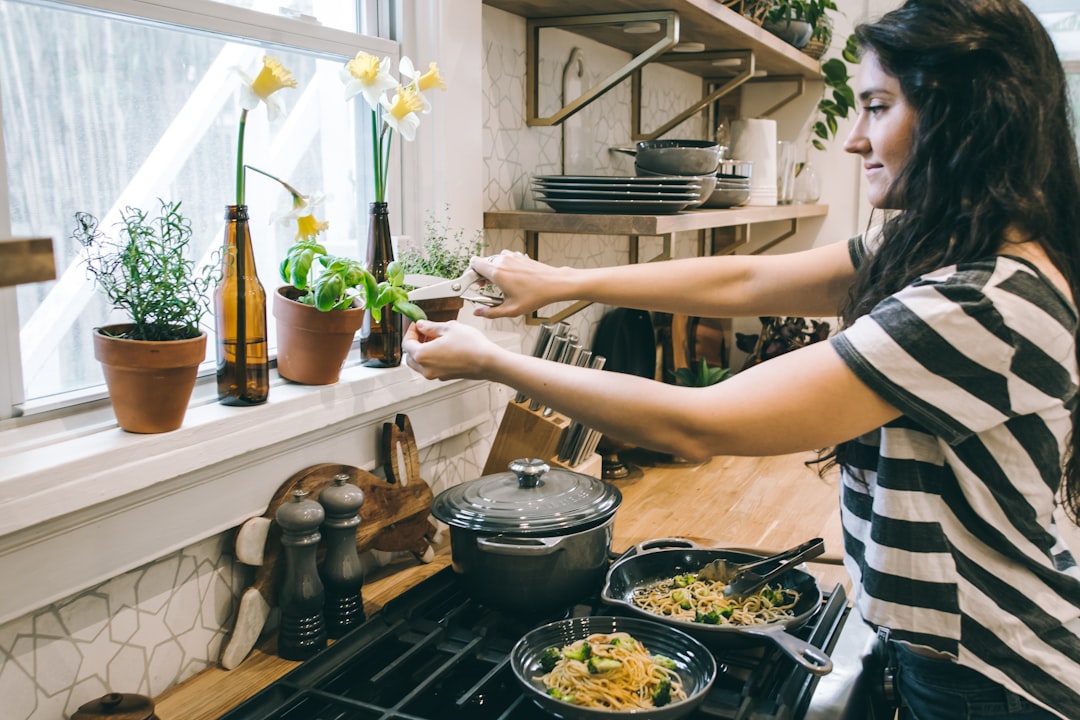
- Return the protein to the pan, add your flavor multiplier (soy sauce, minced ginger, and a touch of sriracha), and toss to coat. Serve over a grain or a bed of greens.
Method 3: The Nourish Bowl
Nourish bowls (also called Buddha bowls) require little to no active cooking if you practice basic kitchen habits like streamlined weekly meal prep.
- Fill the bottom of a wide, shallow bowl with sturdy greens or cooked brown rice.
- Arrange cold or warm elements in distinct quadrants: roasted sweet potato, canned chickpeas, and steamed green beans.
- Top with healthy fats (sliced avocado, hemp hearts).
- Smother with your flavor multiplier (Dijon-lemon vinaigrette or salsa verde).
Method 4: The 10-Minute Simmer (Soup or Stew)
When you crave comfort food, a rapid broth-based simmer turns random pantry items into a cohesive meal.
- Bring 2 cups of low-sodium bone broth or vegetable broth to a simmer.
- Drop in diced hearty vegetables (carrots, zucchini) and protein (canned white beans, shredded rotisserie chicken).
- Stir in tender greens (baby spinach) during the final 60 seconds until wilted.
- Finish off the heat with a healthy fat drizzle (olive oil) and a burst of acid (fresh lemon juice and cracked black pepper).
Real-World Examples of the Formula in Action
To see how dynamic this formula is, consider how easily you can rotate common pantry staples into globally inspired dinners:
| Style | 1. Base | 2. Protein | 3. Veggie | 4. Fat | 5. Multiplier |
|---|---|---|---|---|---|
| Mediterranean | Farro | Canned Tuna | Cucumber & Tomato | Kalamata Olives | Red Wine Vinegar |
| Tex-Mex | Brown Rice | Black Beans | Fajita Peppers | Avocado | Fresh Lime & Salsa |
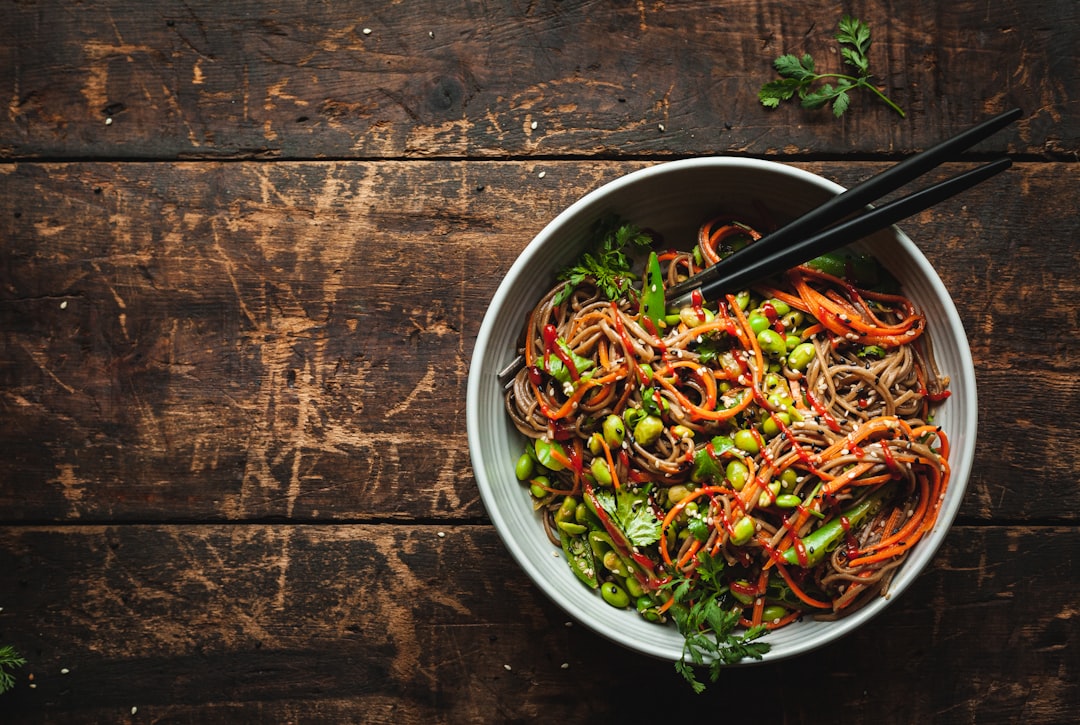
| East Asian | Rice Noodles | Crispy Tofu | Bok Choy | Sesame Oil | Tamari + Chili Crisp |
How to Fix Any Dish on the Fly
When cooking without a recipe, you may occasionally taste a dish and find it uninspiring. Do not panic or toss it out. Cooking adjustments almost always come down to three missing elements:
- If it tastes bland or flat: It needs salt or acid. Squeeze a fresh lemon wedge or add a dash of vinegar. Acid brightens muted flavors instantly.
- If it tastes dry or chalky: It needs fat. Drizzle extra virgin olive oil or add a spoonful of Greek yogurt.
- If it feels boring in your mouth: It lacks textural contrast. Sprinkle toasted pumpkin seeds, chopped nuts, or crispy onions over the top for immediate crunch.
By keeping a well-curated supply of pantry staples for easy cooking, you will always have these quick-fix tools within arm’s reach.
Key Takeaway: Professional cooks taste continuously. If a meal tastes boring, 90% of the time it is missing either salt or acid (lemon juice, vinegar, or fermented sauce).
Take Action Today: The Fridge Scramble Challenge
You do not need to visit the grocery store tonight to start making easy healthy meals without recipes. In fact, starting with limitations will help you build this skill faster.
Here is your action step for tonight:
- Walk into your kitchen, open the pantry and fridge, and identify one item for each of the five pillars: a base, a protein, a vegetable, a fat, and a flavor multiplier.
- Choose one cooking method (sheet pan, skillet, bowl, or soup).
- Assemble your dinner in under 20 minutes without looking at a single cookbook or screen.
Once you experience the freedom of cooking without instructions, healthy eating stops feeling like a rigid chore and becomes the simplest, most rewarding part of your daily routine.

Written by
Nibedita Basu
English graduate and social worker with a passion for creating a warm, happy, and meaningful life. I write about Home, Food, and Pets — sharing practical ideas, everyday inspiration, and simple joys that make life more comfortable, wholesome, and fulfilling.