Picture the classic diet stereotype: five identical plastic containers lined up on a counter, each packed with unseasoned boiled chicken, dry brown rice, and limp, steamed broccoli. By Wednesday, just opening the refrigerator door feels like a punishment.
It is no surprise that most people abandon their routines within two weeks. Restrictive, tasteless routines trigger mental fatigue and rebound bingeing. But learning sustainable meal prep for weight loss does not mean eating bland rations or enduring constant hunger. When done strategically, meal prep is actually the ultimate tool for food freedom—it guarantees you always have delicious, nutrient-dense food ready before decision fatigue drives you toward takeout.
Key Takeaway: Sustainable fat loss relies on culinary satisfaction and high food volume, not ascetic self-punishment. If you dread your prepped meals, your plan is flawed—not your willpower.
The Psychology of Deprivation: Why Traditional "Diet Prep" Backfires
The human brain is wired to resist starvation. When you slash your calories too drastically and strip all joy from your plate, your body responds by increasing ghrelin (the hunger hormone) and ramping up cravings for hyper-palatable, calorie-dense foods.
A landmark study published in the International Journal of Behavioral Nutrition and Physical Activity demonstrated that consistent meal planning is directly associated with higher diet quality and lower odds of obesity. However, the study emphasized that dietary variety—not monotonous restriction—was central to sustained nutritional success.
The Monotony Trap
Eating the exact same meal ten times in a single week causes sensory-specific satiety to plummet for that specific dish, while your desire for novelty skyrockets. You don't fail your diet because you lack discipline; you fail because eating identical, dry meals daily violates your basic psychology.
Calorie Density vs. Nutrient Volume
Weight loss requires a caloric deficit, but your stomach registers fullness based on the physical volume and weight of food, along with stretch-receptor activation, rather than calorie counts alone. If you swap dense, low-moisture processed foods for water-rich vegetables, lean proteins, and fibrous legumes, you can eat physically large portions that keep your stomach satisfied while keeping calories in check.
The 4-Step Framework for Satisfying Meal Prep for Weight Loss
To make meal prep for weight loss work long-term, abandon the concept of pre-portioning 15 identical boxes. Instead, use a "modular component" system built on four foundational pillars.
1. Anchor Every Meal with Satiating Protein
Protein is the most satiating macronutrient and carries the highest thermic effect of food (TEF), meaning your body burns up to 20–30% of its calories simply digesting it. Target 25 to 40 grams of protein per meal to preserve lean muscle tissue and keep hunger quiet for hours.
- Batch-friendly poultry: Slow-cooker shredded chicken thighs or salsa chicken breast.
- Lean beef & pork: 93/7 lean ground beef browned with cumin and garlic, or lean pork tenderloin.
- Plant-based picks: Marinated extra-firm baked tofu, seasoned tempeh, or canned lentils simmered with aromatics.
- Convenience options: Hard-boiled eggs and Greek yogurt tubs for fast assembly alongside high-protein breakfast ideas.
2. Maximize Plate Volume with High-Fiber Carbohydrates and Veggies
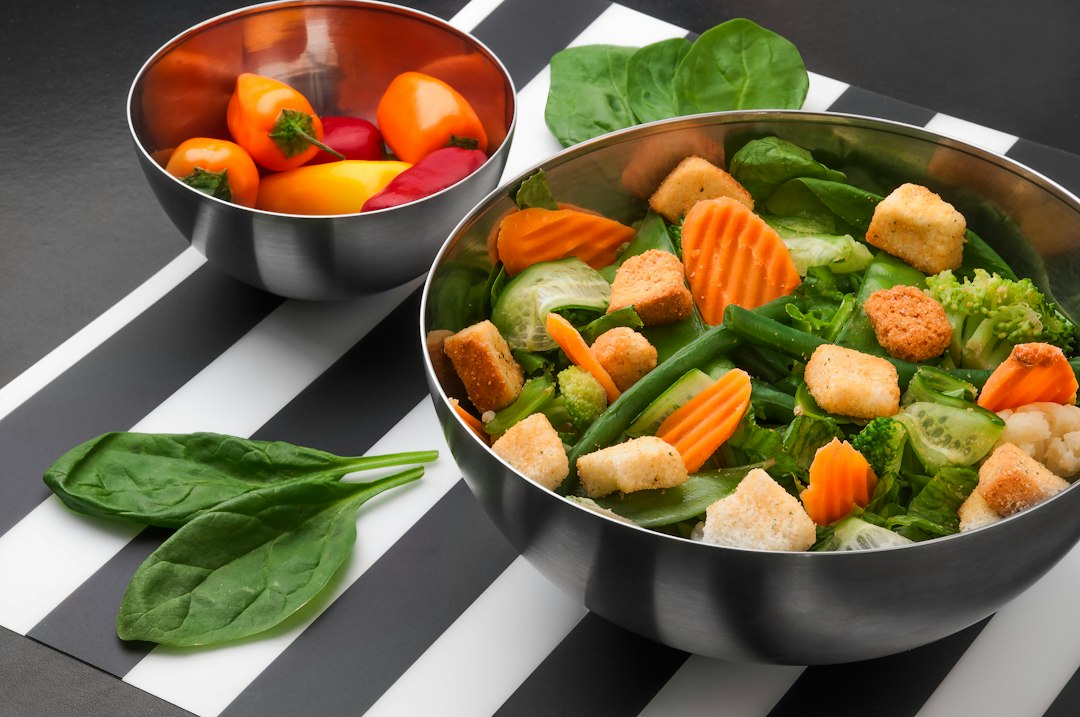
Fill half of every container with colorful vegetables and unrefined complex carbs. Fiber slows gastric emptying, preventing the rapid insulin spikes and crashes that cause mid-afternoon energy slumps and sugar cravings.
- Cruciferous staples: Sheet-pan roasted broccoli, cauliflower, and Brussels sprouts (roasting at 400°F/200°C creates delicious caramelization without excessive oil).
- Roasted root crops: Cubed sweet potatoes, butternut squash, and carrots tossed with smoked paprika.
- Quick-cooking grains: Quinoa, farro, and wild rice, which hold their texture in the fridge much better than standard white rice.
3. Don't Fear Healthy Fats (The Flavor Multipliers)
Cutting all dietary fat is the fastest way to make food taste like cardboard. Fats delay digestion, help absorb fat-soluble vitamins (A, D, E, and K), and carry aroma compounds to your tastebuds. Instead of avoiding fats, measure them intentionally:
- Stir 1 tablespoon of extra virgin olive oil or toasted sesame oil into an entire 4-serving batch of roasted veggies.
- Top meals with a measured 30g of diced avocado just before serving.
- Sprinkle toasted pumpkin seeds or slivered almonds for crunch and satiety.
4. Build "Component Boxes" Rather Than Fixed Meals
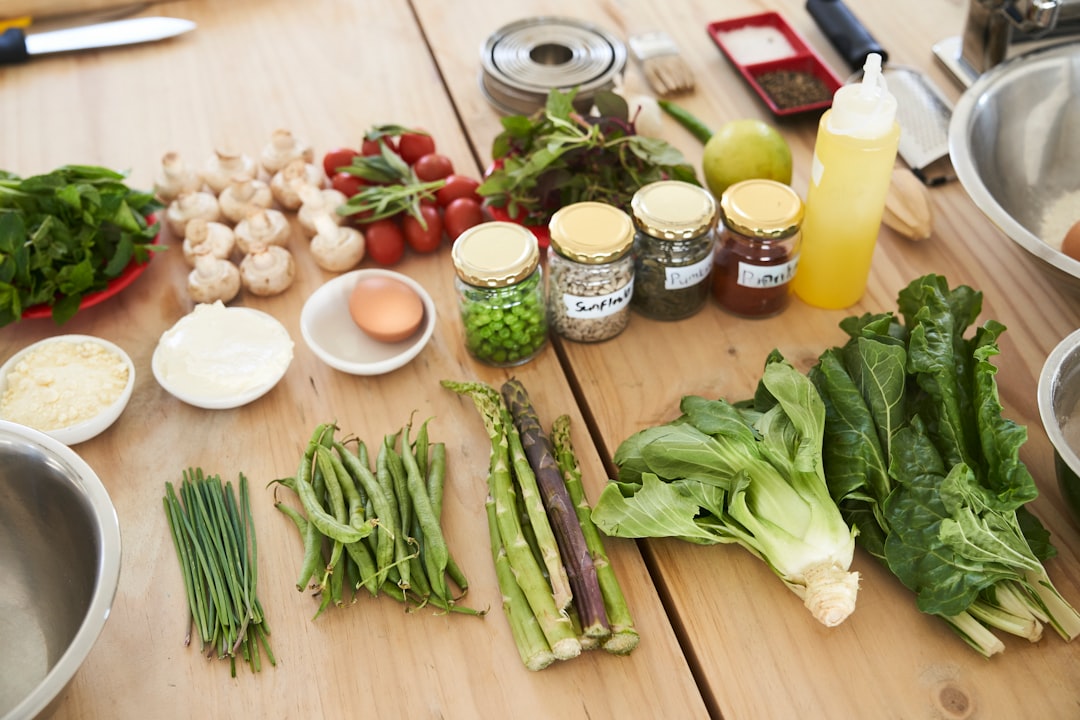
Instead of assembling complete identical dishes on Sunday, prep individual components and store them in separate large glassware containers:
- Container A: 1.5 lbs of Lemon-Herb Grilled Chicken.
- Container B: 1 lb of Ground Turkey Taco Meat.
- Container C: 4 cups of Fluffy Quinoa.
- Container D: A double batch of Roasted Mediterranean Veggies.
- Container E: Chopped Raw Greens & Shredded Cabbage.
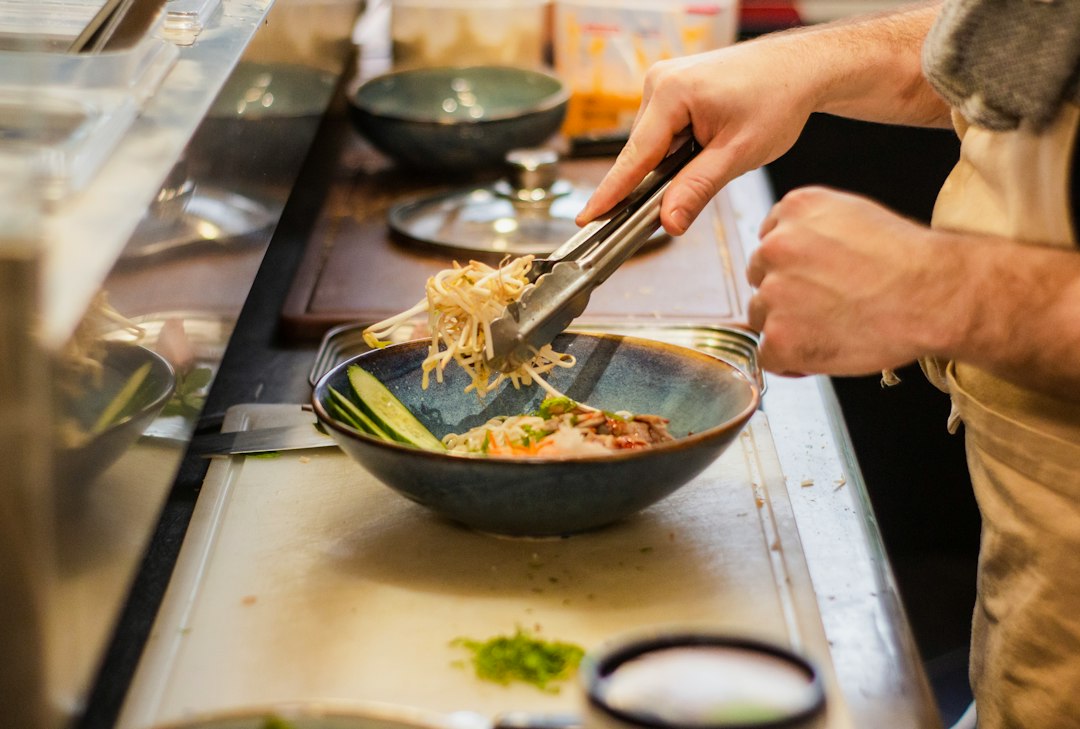
This allows you to mix and match throughout the week. On Monday, make a Mediterranean quinoa bowl. On Tuesday, turn that same chicken into a wrap or crisp salad. On Wednesday, combine turkey and veggies over quinoa for a warm skillet bowl. The variety keeps cravings at bay while retaining the convenience of batch cooking.
Key Takeaway: Component prepping gives you variety and speed. By prepping 2 proteins, 2 carb sources, and 2 vegetable trays separately, you can create up to 8 distinct flavor combinations throughout the workweek.
Strategic Flavor Hacks That Keep Food Exciting
Fat loss does not require bland food. Herbs, spices, acids, and fermented condiments contain negligible calories but completely transform mundane ingredients.
Master 3 Low-Calorie "Hero Sauces"
Dry food triggers diet burnout. Keep these three easy sauce bases in mason jars to elevate any basic protein and grain bowl:
- Creamy Greek Yogurt Garlic Sauce: 1 cup plain non-fat Greek yogurt, 1 minced garlic clove, 1 tbsp lemon juice, fresh dill, salt, and pepper. (Adds protein while mimicking rich sour cream or tzatziki).
- Spicy Peanut-Lime Drizzle: 2 tbsp powdered peanut butter (PB2), 1 tbsp warm water, 1 tsp low-sodium soy sauce, 1 tsp lime juice, and a dash of sriracha.
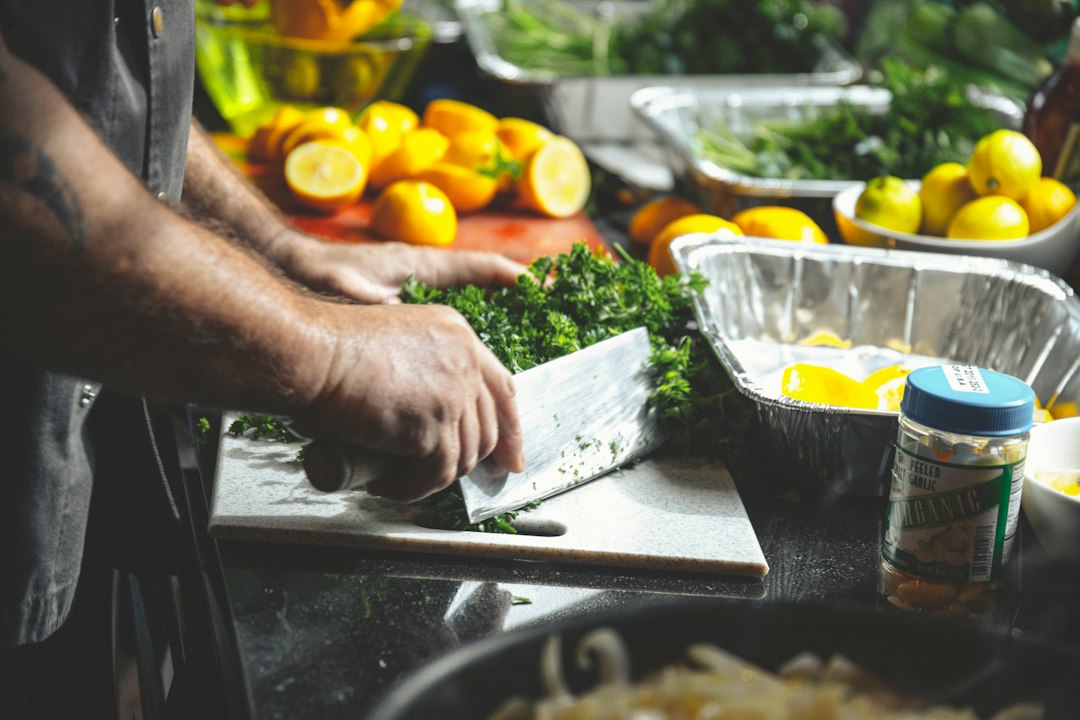
- Bright Chimichurri Dressing: Finely chopped parsley, cilantro, red wine vinegar, crushed red pepper flakes, garlic, and 1 tablespoon of olive oil diluted with 2 tablespoons of water.
Texture Contrast: The Forgotten Satisfaction Factor
Sogginess is the enemy of successful meal prep. When everything in your container is soft and mushy, your brain feels unsatisfied. Always plan for varied textures by packing crunchy garnishes separately in small snack bags:
- Pickled red onions (bright acidity + crunch).
- Toasted sunflower seeds or roasted chickpeas (nutty crunch).
- Fresh cucumber slices or shredded radishes added cold after reheating.
A Realistic 90-Minute Batch Cooking Routine
You do not need to spend your entire Sunday trapped in the kitchen. With a streamlined workflow, you can complete your meal prep for weight loss in about 90 minutes.
Phase 1: The Sheet Pan & Oven Setup (Minutes 0–20)
- Preheat your oven to 400°F (200°C).
- Line two large baking sheets with parchment paper for effortless cleanup.
- Chop your dense vegetables (sweet potatoes, zucchini, broccoli) and toss lightly with 1 tablespoon of olive oil, salt, garlic powder, and smoked paprika. Spread across Sheet Pan 1.
- Season your proteins (e.g., chicken breasts or tofu cubes) and place them on Sheet Pan 2.
- Slide both pans into the oven (set a timer for 22–25 minutes).
Phase 2: The Stovetop Sprint (Minutes 20–50)
- Start a pot of quinoa, brown rice, or lentils on the back burner.
- While grains simmer, brown your lean ground turkey or beef in a non-stick skillet on the front burner with your favorite taco or curry spice blend.
- Pull the roasted proteins and vegetables from the oven when cooked through and let them cool on the counter.
Phase 3: Sauces, Assembly, and Storage (Minutes 50–90)
- Whisk together two sauces in small jars.
- Chop any raw veggies (bell peppers, cucumbers, salad greens) and store them dry with a paper towel inside the container to absorb moisture and preserve crispness (a great tip also covered in our gut health and digestion guide).
- Divide foods into clear glass airtight containers once cooled to room temperature. Storing warm food traps steam, leading to soggy textures and bacterial growth.
Smart Food Safety and Reheating Guidelines
Even the best recipes fall flat if reheated incorrectly. Follow these simple storage rules:
- The 4-Day Rule: Cooked poultry, meat, and seafood stay fresh in the refrigerator for up to 4 days. If prepping for 5–7 days, freeze Thursday and Friday's portions immediately and transfer them to the fridge on Wednesday evening to thaw.
- Separate Cold Elements: Never pack cold sauces, salads, or crunchy garnishes in the same container you plan to microwave. Use divided containers or separate condiment cups.
- The Splash Method: Add 1 teaspoon of water or a damp paper towel over grains before microwaving to restore steam and fluffiness.
Your Immediate Action Step for Today
Do not try to overhaul your entire kitchen routine in a single afternoon. Overambition causes burnout before you ever build momentum.
Today's Action: Pick just one meal window that causes you the most stress—whether that is rushed weekday lunches or late-night dinners after work. Choose two proteins and two sheet-pan vegetables from the list above, buy the ingredients, and prep just 3 days worth of food. Once you experience how effortless and satisfying those three days feel, expand to additional meals and explore healthy snack swaps to round out your daily intake.

Written by
Nibedita Basu
English graduate and social worker with a passion for creating a warm, happy, and meaningful life. I write about Home, Food, and Pets — sharing practical ideas, everyday inspiration, and simple joys that make life more comfortable, wholesome, and fulfilling.