If you find yourself dragging through a severe 3 PM slump, battling unpredictable mood swings, or waking up feeling unrefreshed despite eight hours in bed, your endocrine system might be sending out an SOS. Hormones control everything from your metabolism and sleep cycles to your stress response and hunger cues. When they fall out of sync, your entire day feels like an uphill battle.
Most people try to fix hormonal sluggishness with expensive supplements or extreme dietary overhauls. However, the most sustainable solution is far simpler: consistent, nutrient-dense nutrition. Adopting a strategic hormone-balancing meal prep routine takes the guesswork out of eating, stabilizes your blood sugar, and provides the raw materials your body needs to produce and regulate critical hormones.
Key Takeaway: Hormonal harmony does not require complicated, restrictive diets. By batch-prepping meals rich in clean protein, healthy fats, and prebiotic fiber, you eliminate blood sugar spikes and give your endocrine system predictable, daily nourishment.
The Biological Link Between Meal Prep and Hormone Health
Your hormones do not operate in a vacuum—they respond directly to the timing, composition, and stress surrounding your meals. When you scramble to find lunch at the last minute, you are far more likely to grab ultra-processed convenience foods that send your glucose soaring, followed by a sharp crash that triggers adrenaline and cortisol.
Research published by the National Institutes of Health (NIH) highlights how regular dietary patterns and balanced macronutrients directly improve insulin sensitivity and metabolic health. Implementing a weekly meal prep routine supports your endocrine system in three distinct ways:
- Regulates Insulin: Eating balanced portions of protein, fiber, and healthy fat at predictable intervals prevents rapid glucose surges, reducing the risk of insulin resistance.
- Lowers Decision Fatigue and Cortisol: Wondering what to eat when you are already starving spikes psychological and physiological stress. Having meals ready keeps cortisol levels steady.
- Supports Estrogen Detoxification: A consistent supply of cruciferous vegetables and insoluble fiber helps your liver and gut eliminate spent estrogens, preventing estrogen dominance.
If you also struggle with sluggish digestion, pairing your meal prep with a gut health meal plan can amplify these hormonal benefits, as your microbiome plays a pivotal role in metabolizing estrogen.
The 4-Part Plate Formula for Hormone Balance
You do not need complex calorie counting to build hormone-friendly meals. Instead, use this simple four-part blueprint every time you pack a container or assemble a bowl.
1. High-Quality Protein (1 to 2 Palm Sizes)
Amino acids are the foundational building blocks for peptide hormones such as insulin, glucagon, and growth hormone. Protein also triggers satiety hormones like peptide YY and GLP-1, keeping you full for hours. Opt for pasture-raised eggs, wild salmon, organic chicken, grass-fed beef, tofu, tempeh, or lentils.
2. Hormone-Building Healthy Fats (1 to 2 Thumbs)
Steroid hormones—including progesterone, estrogen, testosterone, and cortisol—are synthesized from cholesterol and dietary fatty acids. Without adequate fat intake, hormone production suffers. Prioritize extra virgin olive oil, avocados, raw nuts, pumpkin seeds, and wild-caught fatty fish.
3. Fiber-Rich Complex Carbohydrates (1 Cupped Hand)
Carbohydrates are essential for thyroid conversion (converting inactive T4 into active T3) and preventing elevated cortisol. However, refined carbs wreak havoc on blood sugar. Choose slow-digesting complex carbs like sweet potatoes, quinoa, brown rice, berries, and black beans.
4. Micronutrient-Dense & Cruciferous Veggies (2 Fists)
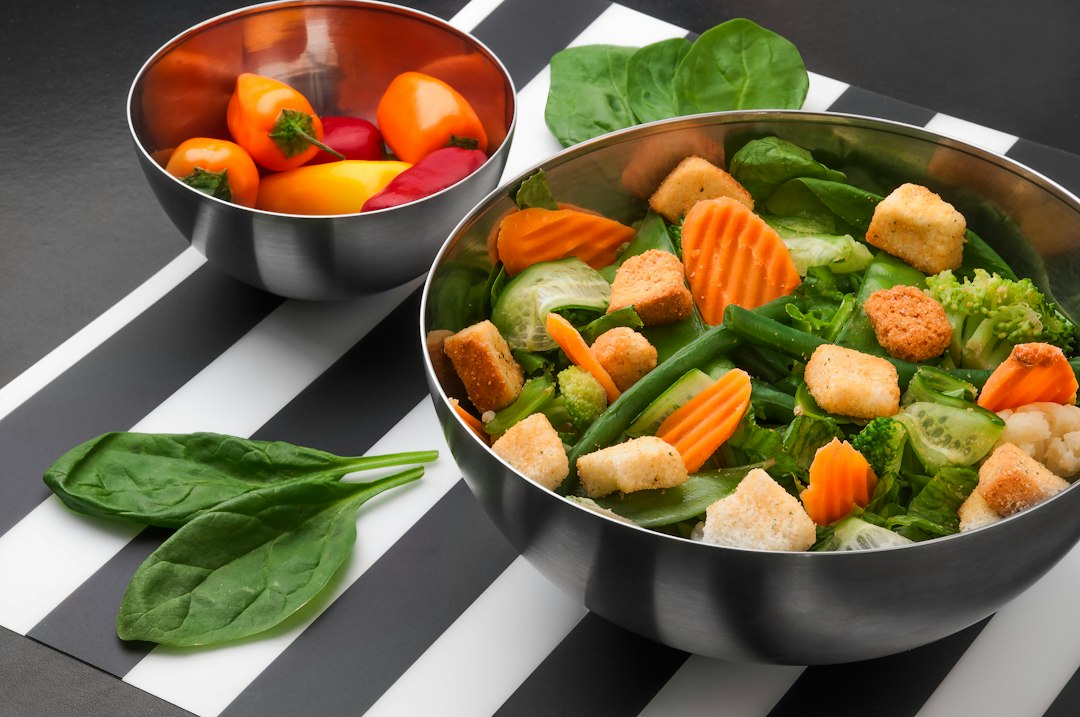
Vegetables provide vital antioxidants, magnesium, and B vitamins necessary for liver detox pathways. Cruciferous vegetables (broccoli, cauliflower, Brussels sprouts, kale, and cabbage) contain indole-3-carbinol and sulforaphane, compounds that actively assist in healthy estrogen metabolism.
The 90-Minute Hormone-Balancing Meal Prep Routine
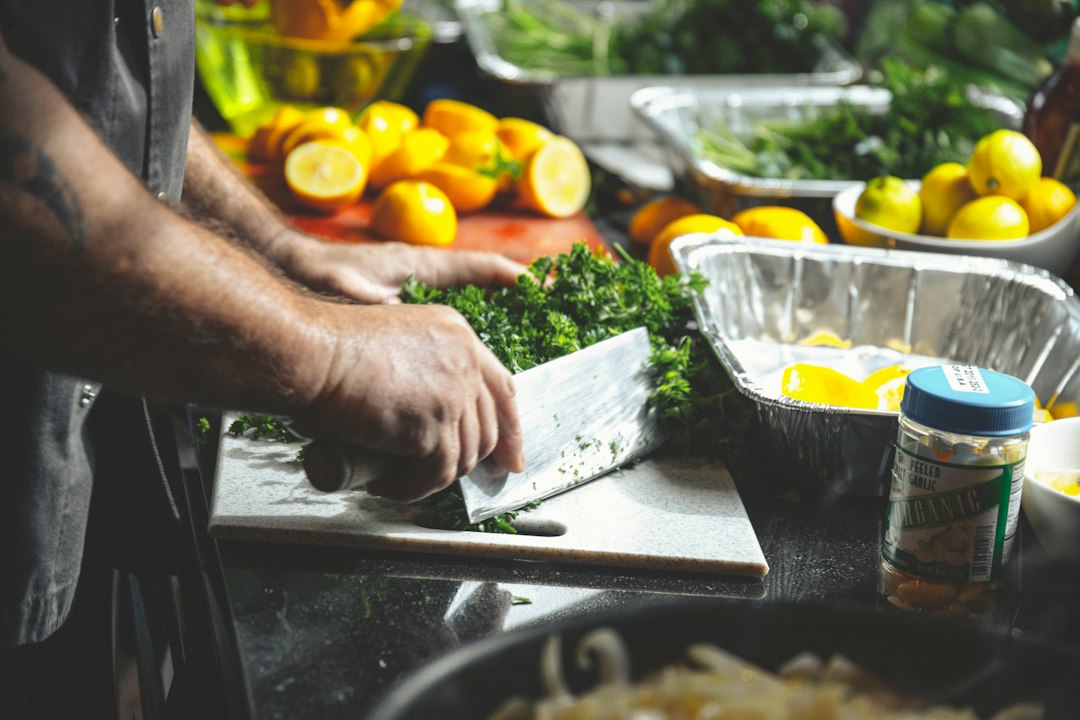
You do not need to spend your entire Sunday in the kitchen. The most effective approach to hormone-balancing meal prep is component prepping—cooking versatile building blocks that you can mix and match throughout the week so your meals never feel monotonous.
- Step 1: Roast the Veggies & Roots (Minutes 0–30): Preheat your oven to 400°F (200°C). Chop two sheet pans of mixed cruciferous veggies (broccoli florets, Brussels sprouts) and cubed sweet potatoes. Toss with avocado oil, sea salt, and turmeric. Roast for 25–30 minutes.
- Step 2: Simmer the Grains (Minutes 10–35): While the vegetables roast, rinse one cup of quinoa or wild rice and cook it in bone broth instead of water for an extra boost of gut-healing collagen and amino acids.
- Step 3: Cook the Proteins (Minutes 35–65): Bake a tray of seasoned chicken thighs or wild salmon fillets alongside your roasted veggies, or brown two pounds of pasture-raised ground turkey with garlic and anti-inflammatory herbs in a large skillet.
- Step 4: Whisk a Healthy Fat Dressing (Minutes 65–75): In a glass jar, shake together tahini, extra virgin olive oil, lemon juice, grated ginger, and a splash of warm water. This provides raw fat to help absorb fat-soluble vitamins (A, D, E, and K).
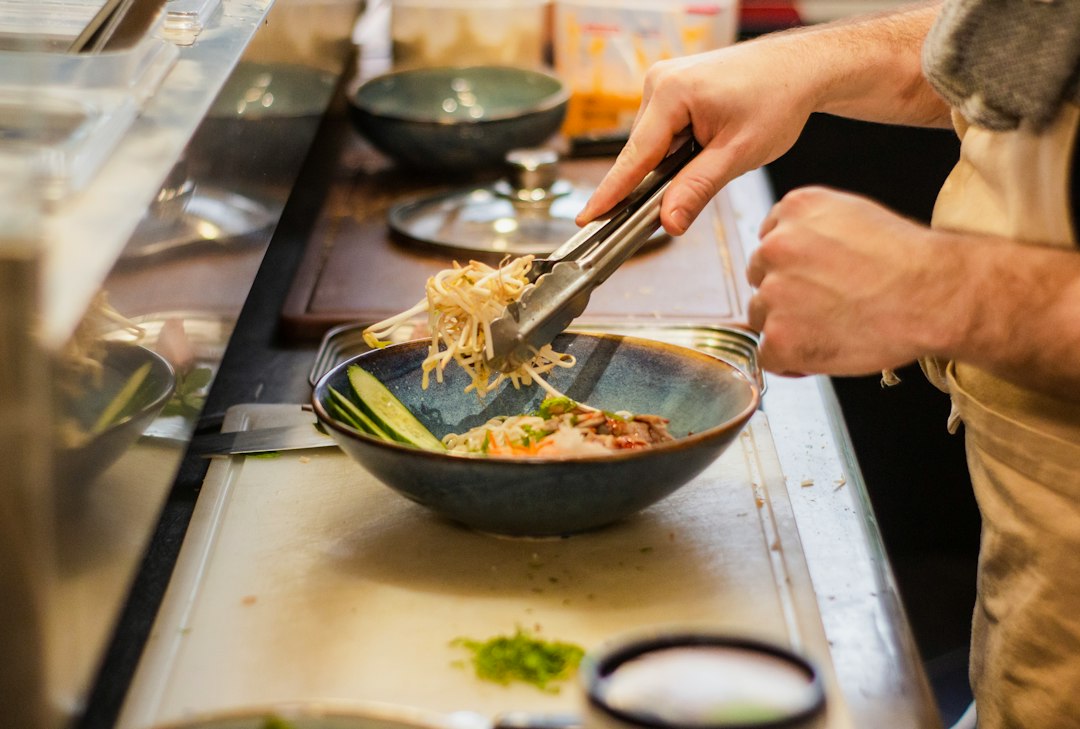
- Step 5: Assemble and Store (Minutes 75–90): Portion your meals into airtight glass containers to protect your food from synthetic chemical exposure.
Pro Tip: Swap plastic storage tubs for glass or stainless steel containers. Plastic food containers contain bisphenols (BPA/BPS) and phthalates, known xenoestrogens that mimic natural estrogen in the body and disrupt normal endocrine signaling.
3 Quick Hormone-Balancing Meal Prep Recipes
Here are three simple, nutrient-dense recipes tailored for busy schedules that provide complete endocrine support from morning until night.
1. Seed-Cycling Chai Overnight Oats (Breakfast)
Seed cycling is a gentle dietary strategy that uses specific seeds during different phases of your menstrual cycle to support estrogen and progesterone levels. This recipe makes four portable breakfast jars.
- 2 cups rolled oats (gluten-free certified)
- 4 tablespoons chia seeds
- 4 tablespoons ground flaxseeds (follicular phase) or pumpkin/sunflower seeds (luteal phase)
- 4 scoops unflavored collagen or pea protein powder
- 1 teaspoon ground cinnamon + 1/2 teaspoon ground ginger
- 3 cups unsweetened almond or coconut milk
Instructions: Divide ingredients evenly across four wide-mouth glass jars. Stir well, seal, and refrigerate overnight. In the morning, top with a handful of fresh blueberries and a drizzle of almond butter.
2. Mediterranean Salmon & Quinoa Nourish Bowls (Lunch)
This bowl is loaded with anti-inflammatory omega-3 fatty acids, complex fiber, and liver-supporting greens to prevent mid-afternoon energy crashes.
- 4 wild salmon fillets (cooked and flaked)
- 2 cups cooked quinoa (cooked in bone broth)
- 3 cups roasted broccoli and asparagus spears
- 1 cup kalamata olives and halved cherry tomatoes
- 4 tablespoons lemon-tahini dressing
Instructions: Divide the quinoa, roasted greens, and flaked salmon into four glass meal prep containers. Add olives and tomatoes. Store dressing in small separate containers and drizzle just before eating.
3. Turmeric Turkey & Sweet Potato Skillet (Dinner)
An easy one-pan meal packed with anti-inflammatory curcumin, lean protein, and gut-friendly resistant starch to support evening melatonin and restorative sleep.
- 1.5 lbs lean ground turkey or pasture-raised ground beef
- 2 medium sweet potatoes, finely diced
- 1 bag (approx. 5 oz) baby spinach or chopped kale
- 1 tablespoon ground turmeric + 1/2 teaspoon black pepper (to enhance turmeric absorption)
- 1 tablespoon extra virgin olive oil
Instructions: Sauté diced sweet potatoes in olive oil over medium heat until tender (about 10 minutes). Add ground meat, turmeric, sea salt, and black pepper, cooking until browned. Stir in the greens until wilted. Divide into 3–4 portions for quick weeknight dinners.
For more low-stress cooking ideas, explore our guide on quick high-protein dinner recipes that fit seamlessly into a busy lifestyle.
Common Pitfalls in Hormone-Balancing Meal Prep
Even with good intentions, simple meal prep mistakes can undermine your hormonal health. Keep these three common pitfalls in mind:
- Cutting Carbs Too Low: Chronic very-low-carbohydrate intake can elevate resting cortisol levels and downregulate thyroid activity, particularly in active women. Keep moderate portions of complex root vegetables or whole grains in your prep rotation.
- Fearing Dietary Fat: Fat is not the enemy—it is the direct precursor to your steroid hormones. Avoid "fat-free" dressings or skipping healthy oils.
- Eating the Exact Same Food for Weeks: Hormone balance thrives on microbiome diversity. Rotate your protein sources and vegetable varieties every couple of weeks to ensure a wide spectrum of micronutrients. Check out our tips on intuitive meal planning to keep your routine flexible.
Your Next Step: Take Action Today
Hormone recovery is built on small, consistent habits rather than overnight perfection. You do not need to overhaul your entire kitchen this afternoon to feel the benefits of hormone-balancing meal prep.
Take this single step today: Choose just one recipe from this guide—such as the Seed-Cycling Overnight Oats or the Turmeric Turkey Skillet—and prep three servings for the next three days. Notice how steady your energy feels when your meals are specifically built to stabilize blood sugar and nourish your endocrine system.

Written by
Nibedita Basu
English graduate and social worker with a passion for creating a warm, happy, and meaningful life. I write about Home, Food, and Pets — sharing practical ideas, everyday inspiration, and simple joys that make life more comfortable, wholesome, and fulfilling.