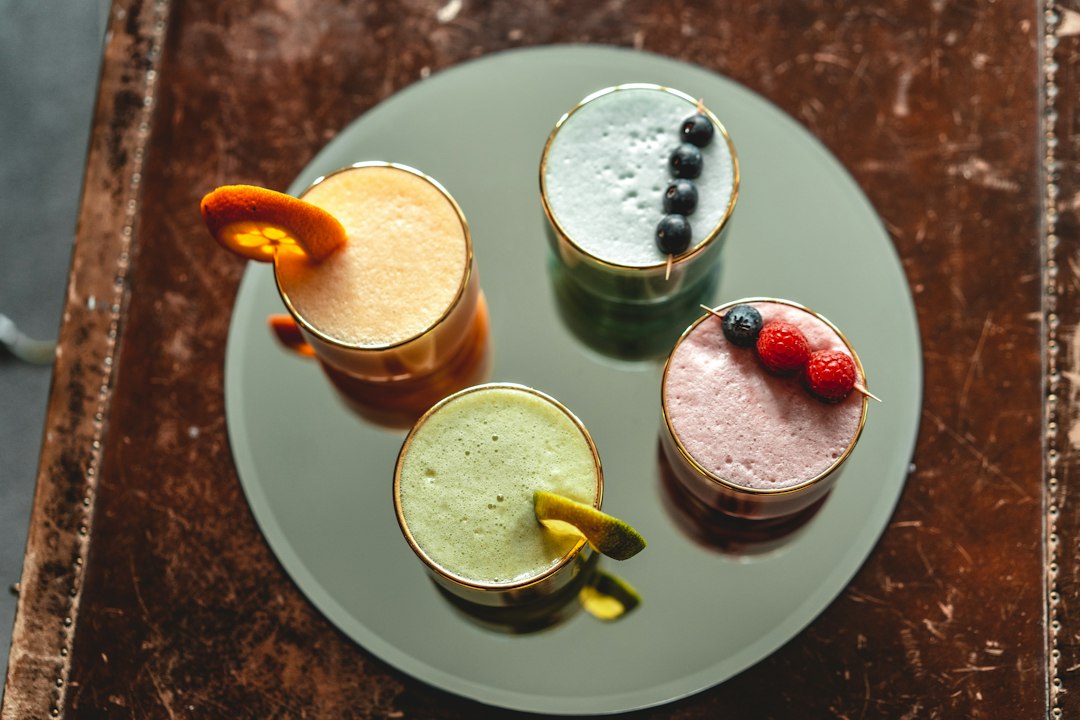
Most store-bought and café smoothies are marketed as liquid wellness, but they often act like metabolic landmines. Loaded with fruit juice concentrates, sweetened plant milks, and frozen sherbets, a standard blend can pack over 50 grams of rapid-absorbing sugar. Instead of nourishing your microbiome, these sugar spikes feed opportunistic bacteria, trigger intestinal fermentation, and leave you dealing with mid-morning brain fog and bloating.
Building a blend that actually supports digestion requires a shift from pure sweetness to nutrient diversity. When formulated with precision, gut health smoothie recipes deliver a targeted matrix of prebiotic fibers, polyphenols, fermented cultures, and structural fats that actively fuel beneficial microbes.
Key Takeaway: A true digestive smoothie balances four core pillars: prebiotic fiber to feed microbes, fermented elements to introduce live cultures, polyphenols to combat inflammation, and healthy fats to slow gastric emptying.
The Anatomy of a Gut-Optimized Smoothie
Your gut microbiome houses trillions of microorganisms that influence everything from immune defense to neurotransmitter production. According to research on the gut microbiome and overall health, dietary diversity is the single strongest predictor of a resilient microbial ecosystem. To construct a blend that supports this ecosystem, follow this foundational blueprint:
1. The Fermented Base (Probiotics)
Rather than relying solely on water or nut milk, swap in a fermented liquid. Plain, unsweetened kefir (dairy or water-based) and unsweetened Greek yogurt supply live cultures like Lactobacillus and Bifidobacterium that help balance intestinal flora. If you prefer plant-based bases, look for unsweetened coconut kefir or cultured cashew milk.
2. Prebiotic Fuel (Fiber Diversity)
Probiotics cannot thrive without substrate. Prebiotics are non-digestible carbohydrates that pass through the upper gastrointestinal tract intact, arriving in the colon where beneficial bacteria ferment them into short-chain fatty acids (SCFAs) like butyrate. Excellent smoothie-ready prebiotic sources include:
- Slightly green (unripe) bananas: Rich in resistant starch type 2.
- Rolled oats: High in beta-glucan, which supports intestinal barrier integrity.
- Ground flaxseed and chia seeds: Packed with soluble mucilage fiber that forms a soothing gel along the digestive lining.
- Inulin or acacia fiber: Convenient powders that dissolve seamlessly without altering texture.
3. Polyphenol Boosters (Cellular Protection)
Polyphenols are plant compounds with potent antioxidant properties. Because roughly 90% of dietary polyphenols escape absorption in the small intestine, they travel to the colon where microbes break them down into bioactive metabolites. Deeply colored ingredients like wild blueberries, raw cacao powder, raspberries, and matcha serve as exceptional polyphenol boosters.
4. Stabilizing Fats and Protein
Blending pure fruit breaks down cellular walls, accelerating the rate at which fructose enters your bloodstream. Incorporating 10 to 15 grams of healthy fats—such as avocado, hemp seeds, or unsweetened almond butter—alongside a clean protein source delays gastric emptying, promotes satiety, and enhances the absorption of fat-soluble vitamins (A, D, E, and K).
If you already practice high-fiber meal prep strategies, prepping your dry and frozen smoothie ingredients in advance makes this assembly effortless.
5 Science-Backed Gut Health Smoothie Recipes
These five formulas are designed around specific therapeutic digestive goals. Each recipe makes one generous serving.
1. The Prebiotic Powerhouse (Best for Microbial Fuel)
This formula pairs resistant starch with soluble beta-glucans to maximize butyrate production in the lower bowel.
- Base: 1 cup unsweetened plain kefir
- Prebiotics: 1/2 green (unripe) banana + 2 tbsp rolled oats
- Fats/Fiber: 1 tbsp ground flaxseeds
- Greens: 1 packed cup baby spinach
- Enhancer: 1/4 tsp ground cinnamon (supports glucose regulation)
- Liquid: 1/2 cup cold water or unsweetened almond milk
Instructions: Blend on high for 60 seconds until the oats and flax are completely smooth.
2. The Polyphenol Berry Shield (Best for Reducing Gut Inflammation)
Anthocyanins in wild berries protect the intestinal epithelial barrier against oxidative stress while feeding beneficial Akkermansia muciniphila bacteria.
- Base: 1/2 cup unsweetened coconut kefir + 1/2 cup cold green tea (steeped and chilled)
- Berries: 3/4 cup frozen wild blueberries
- Fats: 1 tbsp chia seeds + 1/4 small avocado
- Micronutrient Boost: 1 tsp raw cacao powder
- Protein: 1 scoop unflavored collagen peptides or sprouted plant protein
Instructions: Let the chia seeds sit in the liquid for 2 minutes before blending to soften their outer shells, then blend until silky.
3. The Soothing Golden Digester (Best for Post-Meal Heaviness)
Featuring fresh ginger and pineapple, this recipe harnesses natural digestive enzymes like bromelain to assist in protein breakdown and calm sluggish digestion.
- Base: 1 cup filtered water or light coconut milk
- Enzyme Core: 1/2 cup fresh or frozen pineapple chunks
- Actives: 1/2 inch fresh ginger root (peeled) + 1/2 tsp ground turmeric
- Fat & Enhancer: 1 tbsp hemp hearts + pinch of ground black pepper (essential for curcumin absorption)
- Probiotic: 1/3 cup plain, full-fat Greek yogurt
Instructions: Blend thoroughly. The black pepper is subtle but increases turmeric's bioavailability by up to 2,000%.
4. The Gentle Low-FODMAP Soother (Best for Sensitive Stomachs & Bloating)
For individuals prone to IBS or rapid gas production, classic gut health smoothie recipes packed with high-FODMAP fruits like apples and mangoes can trigger discomfort. This recipe uses strictly low-FODMAP ingredients.
- Base: 1 cup lactose-free kefir or unsweetened almond milk
- Fruit: 1/2 cup fresh strawberries + 1 small firm green kiwi (peeled)
- Gentle Fiber: 1 tbsp whole chia seeds
- Soothe: 2 tbsp pure aloe vera juice (inner fillet)
- Greens: 1 cup Swiss chard or baby kale (stems removed)
Instructions: Blend on high until completely liquefied to minimize mechanical digestive effort.
5. The Deep Green Motility Tonic (Best for Sluggish Bowels)
Packed with magnesium from dark leafy greens and seeds, this formula supports smooth muscular contractions (peristalsis) along the colon.
- Base: 1 cup coconut water (rich in electrolytes)
- Greens: 1 cup baby spinach + 1/2 cup fresh parsley sprigs
- Motility Accelerators: 2 soft pitted prunes + 1 tbsp pumpkin seeds
- Hydration: 1/2 small cucumber (sliced)
- Acid Balance: Juice of 1/2 fresh lime
Instructions: Blend greens and liquid first for 30 seconds, add remaining ingredients, and blend until bright green and smooth.
Pro Tip: Rotate between different gut health smoothie recipes across the week. Microbial diversity thrives on ingredient variety—aim for at least 20 to 30 distinct plant foods weekly.
3 Common Smoothie Mistakes That Wreck Your Gut
Even with good intentions, simple prep errors can turn an otherwise beneficial drink into an abrasive digestive irritant. Avoid these three common pitfalls:
1. Chugging Your Smoothie in Under Two Minutes
Digestion begins in the mouth. When you chew solid food, salivary amylase begins breaking down starches, and neural signals alert your stomach to secrete hydrochloric acid. Downing a 16-ounce smoothie in 90 seconds bypasses this cephalic phase, dumping cold, un-salivated liquid into an unprepared stomach. Sip your smoothie slowly over 15 to 20 minutes, or eat it with a spoon from a bowl topped with a few whole seeds to stimulate chewing.
2. Overloading on Cold Ingredients
Ice-heavy smoothies can slow gastric motility and constrict digestive enzymes in sensitive individuals. If you struggle with chronic sluggishness, use room-temperature liquids or thawed frozen fruit to keep the beverage cool rather than freezing cold.
3. Relying on Sweetened Protein Powders
Many commercial protein powders contain sugar alcohols (xylitol, erythritol, sorbitol) or synthetic sweeteners like sucralose. These compounds can disrupt the mucosal lining and cause severe osmotic diarrhea or bloating. Stick to single-ingredient proteins like unflavored whey isolate, organic pumpkin seed protein, or pure collagen peptides.
For broader dietary balance alongside your blender routine, explore our comprehensive fermented foods guide to learn how whole solid ferments complement liquid nutrition.
Your Action Step for Today
Pick one of the five recipes above based on your current digestion needs—whether you need the gentle low-FODMAP option or the prebiotic powerhouse. Check your pantry right now: if you lack green bananas or kefir, add them to your grocery list and commit to swapping your standard morning breakfast for this gut-supportive blend tomorrow morning.

Written by
Nibedita Basu
English graduate and social worker with a passion for creating a warm, happy, and meaningful life. I write about Home, Food, and Pets — sharing practical ideas, everyday inspiration, and simple joys that make life more comfortable, wholesome, and fulfilling.