It is 2:15 PM on a Tuesday. You are six hours into a grueling 10-hour shift, staring down a mounting inbox, and your brain feels like it is operating behind a wall of fog. Your stomach is heavy from the takeout burrito you scarfed down at your desk, and you are already debating a third cup of coffee just to survive the afternoon.
That familiar mid-day slump is rarely a lack of willpower or sleep—it is almost always a metabolic crash driven by convenience-driven lunch choices. When hours are long and cognitive demands are high, decision fatigue kicks in, making fast food or empty vending machine snacks the path of least resistance. That is why mastering meal prep for workdays changes everything: it removes friction, stabilizes your blood glucose, and delivers steady, clean fuel from your first meeting to your evening commute.
Key Takeaway: High-performance workday meals do not require gourmet culinary skills. By combining lean proteins, complex slow-digesting carbohydrates, and healthy fats, you prevent blood sugar spikes and keep mental focus sharp all afternoon.
The Energy Formula: Building Meals That Prevent the Crash
To build lunches that sustain you across an 8- to 12-hour workday, you need to understand the macronutrient triad of sustained energy. Meals heavy in refined carbohydrates (think white bread, sugary dressings, or heavy pasta) trigger rapid spikes in blood glucose followed by an insulin surge, plunging you straight into brain fog.
According to the Academy of Nutrition and Dietetics meal prep principles, balancing macronutrients in pre-portioned meals is one of the most effective ways to maintain consistent energy and avoid impulsive, high-sodium food choices during busy schedules.
Aim to construct every container using this exact ratio:
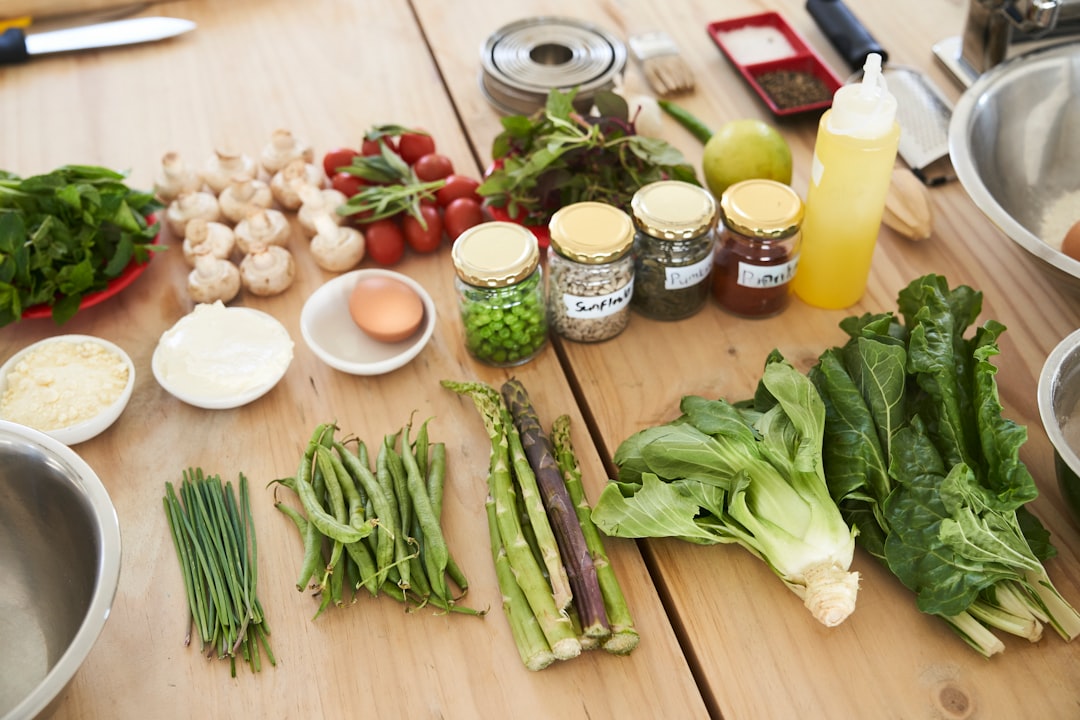
- 40% Fibrous & Leafy Vegetables: Broccoli, roasted peppers, spinach, cabbage, or zucchini provide essential micronutrients and fiber that slow digestion. Incorporating gut-friendly fermented foods like kimchi or sauerkraut on the side can also enhance digestion during long sedentary periods.
- 30% Lean, Bioavailable Protein: Chicken breast, wild salmon, extra-firm tofu, lentils, or turkey help preserve muscle mass and stimulate neurotransmitters like dopamine and norepinephrine, which promote alertness.
- 20% Complex, Low-Glycemic Carbs: Quinoa, wild rice, roasted sweet potatoes, or farro provide a steady, continuous drip of glucose to the brain.
- 10% Healthy Fats: Extra virgin olive oil, sliced avocado, toasted seeds, or tahini slow gastric emptying, keeping hunger hormones like ghrelin at bay for 4–5 hours.
The 90-Minute "Component Prep" Strategy
When setting up your system for meal prep for workdays, avoid making four identical casseroles. Eating the exact same pre-assembled meal five days in a row leads to "prep burnout" by Wednesday, driving you right back to the office cafeteria.
Instead, use Component Prep: preparing modular bases that you can mix and match with different sauces in under two minutes each morning.
The 90-Minute Weekend Workflow
- Minute 0–15 (Roast & Bake): Preheat the oven to 400°F (200°C). Chop two sheet pans of hearty vegetables (sweet potatoes, bell peppers, broccoli florets) and one sheet pan of seasoned chicken breast or firm tofu. Toss with olive oil, salt, and garlic powder, then slide all pans into the oven.
- Minute 15–40 (Grains & Stovetop): Start a batch of quinoa or brown rice in a rice cooker or pot. Hard-boil six eggs for portable mid-shift snacks using our healthy grocery shopping guide to pick the highest quality staples.
- Minute 40–60 (Sauces & Dressings): Whisk together two fast, distinct dressings (such as Lemon-Tahini Garlic and a Spicy Chimichurri). Flavor variety is what keeps batch-cooked food exciting.
- Minute 60–90 (Portion & Clean): Divide your cooked grains, roasted veggies, and proteins across four to five airtight glass containers. Leave dressings in small separate jars so crisp greens and roasted textures don't turn soggy. Clean as you go.
4 Quick, Energy-Boosting Workday Recipes
These recipes are specifically engineered for meal prep for workdays, meaning they hold up well in the fridge for up to four days, reheat evenly, and taste fantastic even when eaten cold or at room temperature.
1. Mediterranean Quinoa & Crispy Chickpea Power Bowl
Prep time: 20 mins | Yield: 3 servings | Best eaten: Cold or room temp
- Base: 1.5 cups cooked quinoa, cooled
- Protein/Fiber: 1 can (15 oz) chickpeas, rinsed, tossed with smoked paprika, and pan-roasted for 8 minutes until crisp
- Vegetables: 1 cup diced English cucumber, 1 cup halved cherry tomatoes, 1/2 cup diced kalamata olives, 2 cups baby spinach
- Dressing: 2 tbsp extra virgin olive oil, juice of 1 lemon, 1 minced garlic clove, pinch of dried oregano, sea salt
Assembly: Layer the spinach at the bottom, add quinoa and roasted chickpeas, and top with cucumbers, tomatoes, and olives. Keep the dressing in a separate 2-oz condiment cup and shake over the bowl right before eating.
2. Slow-Cooker Salsa Verde Shredded Chicken Bowls
Prep time: 10 mins (Active) + 4 hours (Low) | Yield: 4 servings | Best eaten: Warm
- Protein: 1.5 lbs boneless, skinless chicken breasts
- Flavor: 1 jar (16 oz) roasted tomatillo salsa verde, 1 tsp cumin, 1/2 tsp Mexican oregano
- Carb: 2 cups cooked black beans + 2 cups steamed cauliflower rice or brown rice
- Toppings: Pickled red onions, fresh cilantro, lime wedges, 1/4 cup pumpkin seeds (pepitas)
Assembly: Place chicken breasts and salsa verde into the slow cooker on LOW for 3.5 to 4 hours. Shred with two forks. Divide black beans and rice into containers, top with shredded chicken, and sprinkle pepitas and cilantro on top. Reheat for 90 seconds in the microwave.
3. Sesame-Ginger Ground Turkey & Bok Choy Skillet
Prep time: 25 mins | Yield: 4 servings | Best eaten: Warm
- Protein: 1 lb 93% lean ground turkey (or lean ground beef)
- Vegetables: 4 cups chopped baby bok choy, 1 cup shredded carrots, 1 red bell pepper sliced into matchsticks
- Aromatics & Sauce: 2 tbsp low-sodium tamari or soy sauce, 1 tbsp toasted sesame oil, 1 tbsp freshly grated ginger, 2 cloves minced garlic, 1 tsp sriracha
- Carb: 2 cups cooked jasmine brown rice or soba noodles
Assembly: Brown the turkey in a hot skillet with sesame oil, garlic, and ginger. Add carrots, bell peppers, and bok choy; cook for 4 minutes until crisp-tender. Stir in tamari and sriracha. Portion over brown rice and garnish with green onions and sesame seeds.
4. Overnight High-Protein Berry-Chia Oats
Prep time: 10 mins | Yield: 3 breakfasts | Best eaten: Cold on your morning break
- Base: 1.5 cups rolled old-fashioned oats (not instant)
- Liquid & Protein: 1.5 cups unsweetened almond milk, 2 scoops vanilla whey or plant protein powder, 1/2 cup plain Greek yogurt
- Superfoods: 2 tbsp chia seeds, 1 tbsp ground flaxseed
- Toppings: 1 cup frozen blueberries or raspberries, 2 tbsp chopped walnuts
Assembly: Whisk milk, protein powder, and Greek yogurt in a bowl until smooth. Stir in oats, chia seeds, and flaxseed. Divide into three mason jars. Top with frozen berries (they thaw overnight and release sweet natural juices). Pair this with other high-protein breakfast ideas to establish a morning routine that keeps your appetite regulated until lunch.
Pro Tip: Invest in 3-compartment borosilicate glass containers. Glass doesn't absorb odors, washes cleanly in commercial dishwashers, and withstands microwave reheating without leaching plasticizers into your food.
Smart Snack Protocols to Prevent Late-Shift Crashes
A complete strategy for meal prep for workdays doesn't end with lunch. The danger zone for most professionals occurs between 3:00 PM and 5:00 PM, when energy dips and the breakroom donuts look tempting. Keep these zero-prep, high-satiety items stashed in your work bag or desk drawer:
- Dry-Roasted Edamame: Packing 13 grams of protein and 8 grams of fiber per serving, edamame delivers crunch without an insulin surge.
- Hard-Boiled Eggs with Everything Bagel Seasoning: Prep half a dozen on Sunday. Two eggs offer 12 grams of complete protein plus choline, a nutrient crucial for cognitive processing and memory.
- Raw Walnuts and 85% Dark Chocolate: Walnuts are rich in ALA omega-3 fatty acids, while dark chocolate provides theobromine for a gentle, sustained mental lift without the jitters of pure caffeine.
Reheating and Food Safety Essentials
Nothing ruins a workday like food poisoning or soggy, unappetizing textures. Follow these core food-safety guidelines:
- The 4-Day Rule: Keep cooked poultry, meat, and seafood refrigerated at 40°F (4°C) or lower for a maximum of 3 to 4 days. If prepping for a 5- or 6-day stretch, place Thursday and Friday meals in the freezer on Sunday night, then transfer them to the fridge on Wednesday morning to thaw safely.
- Reheat with Moisture: When microwaving chicken or brown rice, place a damp paper towel over the glass container or sprinkle 1 teaspoon of water over the rice to restore tenderness.
- Separate Hot and Cold Components: Never microwave fresh greens, sliced avocados, or creamy dips. Use small silicone muffin cups or condiment containers to lift cold toppings out of the bowl before heating.
Your Action Step for Today
Do not try to overhaul your entire pantry right now. Take one simple step today: pick one recipe from the list above, write down the 4–5 ingredients you do not have, and add them to your next grocery run. Block out 45 minutes this coming Sunday to cook just that single recipe for two of your hardest workdays.
Taking control of your nutrition during long shifts is not about restrictive diets; it is about respecting your energy, protecting your mental focus, and setting your future self up to thrive under pressure. Build the habit one meal at a time, and let consistent nutrition do the heavy lifting.

Written by
Nibedita Basu
English graduate and social worker with a passion for creating a warm, happy, and meaningful life. I write about Home, Food, and Pets — sharing practical ideas, everyday inspiration, and simple joys that make life more comfortable, wholesome, and fulfilling.