Take a look beneath your kitchen sink right now. If your cabinets look anything like the average household's, you probably have a plastic graveyard of twelve to fifteen half-empty bottles: an orange-scented spray for granite, a blue liquid for mirrors, a toxic-smelling foam for shower scum, and a specialized paste for stovetop grease.
Here is the open secret the cleaning industry spends billions hiding: you do not need a different chemical concoction for every square foot of your home. Most commercial cleaners rely on the same handful of active surfactants, mild acids, and alkalis, dressed up with artificial fragrances and synthetic dyes.
Building a minimalist cleaning kit isn't just about reclaiming wasted storage space—it saves you hundreds of dollars every year, eliminates harmful indoor pollutants, and dramatically speeds up your chores. When you only use five core ingredients and three durable tools, you can clean 99% of your living space without ever stopping to switch supplies.
Key Takeaway: Surface cleaning boils down to four basic mechanisms: surfactants (to lift dirt), acids (to dissolve mineral deposits), alkalis (to cut grease), and friction. A tailored 5-ingredient kit handles all four without toxic residues or expensive brand markups.
The Clutter Trap: Why Specialized Cleaners Fail
Consumer marketing convinces us that every room in our home requires a custom chemical formulation. Yet, keeping a dozen single-use bottles creates decision fatigue, wastes storage space, and introduces respiratory irritants into your indoor air. In fact, following EPA guidelines on safer cleaning formulations often leads homeowners toward simpler, multi-surface concentrates that minimize volatile organic compounds (VOCs).
When you consolidate your supplies into a single, high-functioning kit, cleaning stops feeling like a complex logistical operation. If you are already working on decluttering your home step-by-step, streamlining your maintenance supplies is one of the highest-leverage places to start.
The Core 5: Your $50 Minimalist Cleaning Kit Shopping List
To build your own high-efficiency minimalist cleaning kit, you only need five inexpensive consumables and three reusable hardware items. You can find everything on this list at any standard grocery or hardware store.
1. Concentrated Liquid Castile Soap or Sal Suds ($10–$12)
Castile soap (or its grease-fighting cousin, vegetable-based Sal Suds) acts as your primary surfactant. Surfactants lower the surface tension of water, allowing it to bind to oils, encapsulate dirt, and lift grime from hard surfaces without stripping finishes.
2. Distilled White Vinegar – 5% Acidity ($3–$4)
Standard white vinegar contains mild acetic acid. It dissolves hard water scale, cuts through soap scum, dissolves residue on glass, and brightens dull metal fixtures naturally. (Important: Never use vinegar on natural stone like marble or granite, as the acid can etch the surface.)
3. Baking Soda / Sodium Bicarbonate ($2–$3)
Baking soda is a mild alkali with a fine crystalline structure. It provides gentle mechanical abrasion that won't scratch enamel or stainless steel, while deodorizing organic odors and neutralizing stubborn acidic stains.
4. Isopropyl Rubbing Alcohol – 70% ($3)
Alcohol evaporates almost instantly, making it the ultimate ingredient for streak-free mirrors, shiny chrome, and stainless steel appliances. At 70% concentration, it also effectively sanitizes high-touch touchpoints like door handles, light switches, and phone screens.
5. Washing Soda or Oxygen Bleach ($5–$6)
Sodium carbonate (washing soda) or powdered sodium percarbonate (oxygen bleach) provides extra cleaning muscle for deep laundry sanitization, brightening discolored tile grout, and lifting baked-on oven grease.
The Essential Hardware ($15–$20)
- Two 16 oz Amber Glass Spray Bottles ($8): Dark glass protects light-sensitive formulas and eliminates chemical leaching from cheap plastics.
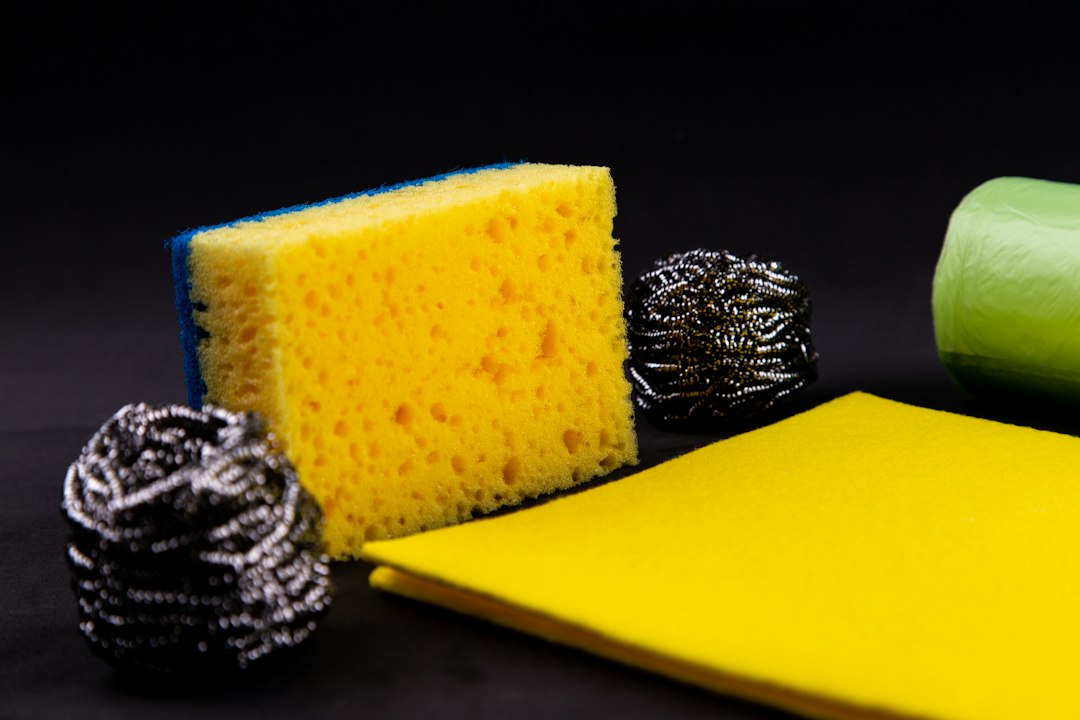
- Pack of 6 Microfiber Cloths (300+ GSM) ($7): Split-microfiber cloths trap dirt, dust, and bacteria mechanically, requiring significantly less cleaning solution.
- One Ergonomic Stiff-Bristle Scrub Brush ($4): A palm-sized grout and surface brush handles corners, textured tile, and stubborn residue.
Total Initial Investment: ~$45–$49. The consumables in this setup will last between three and six months, bringing your ongoing cleaning expenses down to just pennies per week.
How to Mix & Match: 6 Multipurpose Formulas
With just these base ingredients in your minimalist cleaning kit, you can quickly whip up custom solutions for every corner of your home.
1. The Daily Counter & Tabletop Spray
Safe for almost all sealed surfaces, including quartz, tile, painted wood, and laminate.
- 2 cups warm distilled water
- 1 tablespoon liquid castile soap (or 1 teaspoon Sal Suds)
- 5–10 drops essential oil like tea tree or lemon (optional, for scent)
How to use: Spray directly onto counters and wipe clean with a folded microfiber cloth. Shake gently before use.
2. Streak-Free Glass & Stainless Steel Spray
Leaves windows, mirrors, faucets, and refrigerator panels completely clear of streaks or film.
- 1 cup distilled water
- 1 cup 70% isopropyl rubbing alcohol
- 1 tablespoon white vinegar
How to use: Mist lightly across glass or chrome. Wipe in an "S" pattern with a clean, dry microfiber cloth. Avoid over-saturating.
3. The "Scum Buster" Tub & Sink Scrub
This paste replaces heavy chemical bleaches and abrasive commercial scouring powders.
- 1/2 cup baking soda
- 1 to 2 tablespoons liquid castile soap
- A few drops of warm water to form a smooth paste
How to use: Scoop the paste onto a damp sponge or your stiff-bristle brush. Scrub porcelain tubs, ceramic sinks, and faucets. Rinse thoroughly with warm water to prevent a powdery haze.
4. Deep Grout & Tile Brightener
For discolored shower corners and grimy kitchen floor grout.
- 2 tablespoons oxygen bleach powder
- 1 cup hot water (hot water activates the oxygen release)
How to use: Apply the warm solution generously onto grout lines. Let it dwell for 10–15 minutes, allowing the bubbling action to lift embedded dirt. Scrub lightly and mop or wipe clean.
5. Natural Mineral & Soap Scum Dissolver
Targeted for hard water build-up on shower glass, showerheads, and ceramic tile.
- 1 cup distilled white vinegar
- 1 cup warm water
- 1/2 teaspoon liquid dish soap or Sal Suds (helps the acid cling to vertical surfaces)
How to use: Spray onto mineral-crusted areas, let sit for 10 minutes to dissolve calcium deposits, scrub with a brush, and rinse clean.
6. Natural Wood Polish & Dusting Spray
Keeps real wood nourished without synthetic silicones that build up over time.
- 1 cup warm water
- 2 tablespoons olive oil or fractionated coconut oil
- 2 tablespoons distilled white vinegar
How to use: Shake vigorously before every spray. Mist onto a microfiber cloth (not directly onto the furniture) and buff along the grain of the wood.
Chemistry Safety Rule: Never mix vinegar (acid) and castile soap (base) together in the same liquid bottle. The acid neutralizes the soap, turning it into an oily, curdled mess that leaves sticky residue on surfaces. Use them in separate steps!
Essential Safety Rules: What Never to Mix
When simplifying your routine with DIY cleaners, basic chemical safety remains paramount:
- Bleach + Ammonia: Creates deadly chloramine gas. Never combine these under any circumstance.
- Bleach + Vinegar / Any Acid: Creates chlorine gas, which causes severe chemical burns to your lungs and eyes.
- Hydrogen Peroxide + Vinegar in One Bottle: Creates peracetic acid, a corrosive chemical that can irritate skin and eyes.
If you're establishing better sustainable home habits on a budget, keeping your ingredients simple and clearly labeled in dedicated spray bottles prevents accidental mixing.
How to Store and Maintain Your Streamlined Caddy
When assembling your minimalist cleaning kit into a single tote, organize everything in one portable caddy. Keep the following setup ready to grab:
- The Daily Caddy: Your All-Purpose Spray, Glass Cleaner, small jar of Baking Soda paste, scrub brush, and 3 dry microfiber cloths.
- The Color-Coded Cloth System: Use one color of microfiber cloth for bathrooms (e.g., blue), one for kitchen/food prep areas (yellow), and one for general dusting/glass (grey). This eliminates cross-contamination risks.
- Proper Microfiber Laundering: Wash microfiber separately from cotton towels using gentle detergent. Never use fabric softener or high dryer heat, as silicones and excessive heat melt the fine synthetic fibers, ruining their static-cling ability.
Integrating this compact caddy into your weekly reset routine ensures you can sweep through every room in your home without running back and forth to supply closets.
Your Action Step for Today
Transitioning to a minimalist cleaning kit frees up mental bandwidth and leaves your home sparkling without toxic residues or expensive refills. Don't wait for your next major spring clean to start.
Take 15 minutes today: Open your under-sink cabinets and gather every duplicate or single-use cleaning bottle you own. Safely dispose of expired or near-empty products, recycle the containers, and order or pick up your core five basics. Mix up your first bottle of all-purpose spray, fill a single caddy, and experience how effortless cleaning feels when you strip away the clutter.

Written by
Nibedita Basu
English graduate and social worker with a passion for creating a warm, happy, and meaningful life. I write about Home, Food, and Pets — sharing practical ideas, everyday inspiration, and simple joys that make life more comfortable, wholesome, and fulfilling.