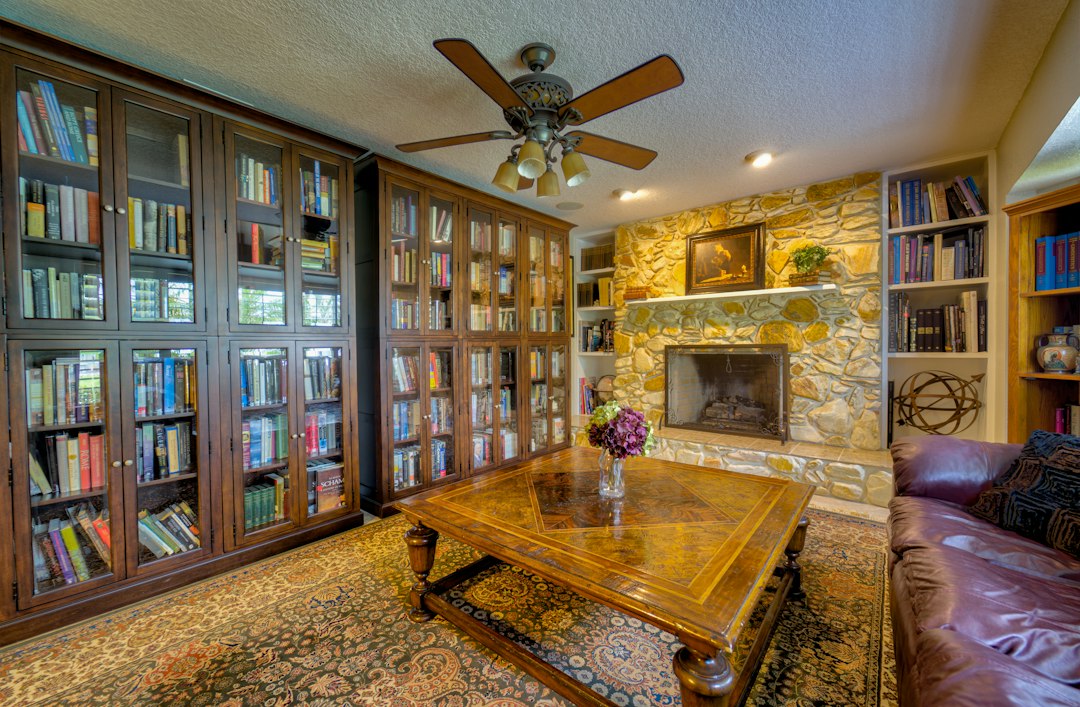
Roughly 320 million books end up in landfills every single year in the United States alone. For dedicated readers who love the tactile joy of paper pages and floor-to-ceiling shelves, that statistic is a tough pill to swallow. We often think of reading as an inherently gentle, low-impact hobby, but commercial book publishing, composite particleboard shelving, and energy-draining spotlighting carry a surprising environmental price tag.
Creating a sustainable home library does not mean giving up physical books or settling for a sterile, minimalist nook. Instead, it is an intentional approach to gathering literature, selecting non-toxic materials, and preserving your collection for decades. Whether you have a dedicated room or a single cozy alcove, this guide will walk you through building a functional, eco-conscious sanctuary from the ground up.
Key Takeaway: A truly sustainable home library balances mindful book sourcing, non-toxic and circular furniture choices, and energy-efficient climate control to protect both your books and the planet.
1. Sourcing Books with a Low Environmental Footprint
The greenest book is the one that already exists. A standard 300-page hardcover carries a carbon footprint of roughly 7.5 kilograms of CO2 equivalent when you factor in virgin paper production, industrial printing, binding adhesives, and global shipping. By shifting how you acquire your reading material, you immediately slash your library's environmental footprint.
Embrace Pre-Loved Books
Secondhand books bring distinct character and history into your space. Make these sourcing channels your first stop:
- Friends of the Library Sales: Public library book sales offer incredible volumes for pennies on the dollar, and your purchases directly fund local literacy programs.
- Independent Thrift and Used Bookshops: Supporting local used bookstores keeps money in your community while rescuing out-of-print editions from disposal.
- Community Book Swaps and Little Free Libraries: Trading titles with neighbors is a zero-carbon way to refresh your reading stack.
- Curated Online Secondhand Platforms: Websites like ThriftBooks, Better World Books, and AbeBooks make tracking down specific editions painless without demanding new print runs.
The Physical vs. Digital Balance
Do you need to own every single title in physical print? Implementing a hybrid reading approach is one of the most effective ways to maintain a sustainable home library. Reserve physical bookshelf space for books you genuinely re-read, reference regularly, or deeply cherish. For fast-paced thrillers, topical non-fiction, or one-time reads, opt for digital library loans via apps like Libby or borrow hard copies directly from your local municipal branch.
Buying New with Intention
When you do purchase new books, support publishers that prioritize sustainability. Look for publications printed on FSC-certified (Forest Stewardship Council) paper or high-percentage post-consumer recycled paper using vegetable-based inks. When you practice decluttering your living spaces, keeping an intentional threshold for incoming new titles ensures your shelves remain meaningful rather than cluttered.
2. Eco-Friendly Shelving and Non-Toxic Furniture
Most budget-friendly flat-pack bookcases are constructed from medium-density fiberboard (MDF) or particleboard bonded with formaldehyde-heavy resins. These products not only off-gas noxious chemicals into your home, but they also degrade quickly and are virtually impossible to recycle once broken.
Opt for Solid Reclaimed or Salvaged Wood
Invest in shelving crafted from solid, sustainably harvested timber or reclaimed lumber. Reclaimed barn wood, salvaged industrial scaffolding, and fallen urban trees can be transformed into stunning architectural centerpieces that last generations. If you prefer buying ready-made furniture, look for certifications from the FSC or the Sustainable Furnishings Council.
Protect Indoor Air Quality with Low-VOC Finishes
Traditional wood stains, varnishes, and commercial paints release volatile organic compounds (VOCs) that degrade indoor air quality and linger in closed spaces for months. When building or refinishing your shelves, choose zero-VOC paints, natural tung oil, linseed oil, or beeswax polishes.
According to the EPA's guidance on volatile organic compounds, indoor levels of pollutants can be up to five times higher than outdoor levels, making non-toxic finishes essential for rooms where you spend extended periods relaxing and breathing deeply.
Choose Modular and Adaptable Systems
Your library will evolve over time. Fixed, built-in shelving might look luxurious, but freestanding modular systems can be rearranged, expanded, or packed up when you relocate. Selecting timeless, modular components prevents the need to discard furniture whenever your spatial requirements change.
3. Energy-Efficient Lighting and Natural Ambiance
Reading requires precise, glare-free illumination, but keeping your home library well-lit shouldn't spike your monthly utility bills or generate excess ambient heat that damages fragile bindings.
Maximize Natural Daylighting (Safely)
Natural sunlight is the most energy-efficient light source available, but direct ultraviolet rays break down paper fibers and bleach ink over time. Position your primary reading chair near north- or east-facing windows to enjoy soft, indirect daylight. If your library receives strong south- or west-facing sun, install linen curtains or UV-filtering window film to protect your collection while keeping the room cool naturally.
Transition to Dedicated LED Task Lighting
Rather than flooding the entire room with high-wattage overhead lighting, adopt a layered lighting strategy. Combine low-intensity ambient room lighting with adjustable LED task lamps placed directly beside reading seating. Quality warm-spectrum LEDs (2700K to 3000K) consume up to 85% less energy than incandescent bulbs, emit virtually no heat, and provide optimal contrast for long reading sessions. Integrating smart switches or dimmer plugs as part of your energy-efficient home office lighting setup ensures lights are never left on inadvertently in unoccupied rooms.
Key Takeaway: Layered lighting using low-wattage warm LEDs paired with indirect natural sunlight reduces energy consumption while protecting delicate paper from UV degradation.
4. Preservation and Circular Maintenance
A sustainable home library is designed to last a lifetime. Preserving your volumes naturally eliminates the need for chemical preservatives and prevents early replacement.
Natural Climate and Pest Control
Books thrive in stable environments. Aim for a room temperature between 60°F and 70°F (15°C to 21°C) with a relative humidity level between 30% and 50%. High humidity invites mold spores and silverfish, while excessive dryness makes paper brittle.
Instead of relying on synthetic mothballs or toxic insecticides, deter pests naturally:
- Place small sachets of dried cedar chips, lavender, or bay leaves on your shelves.
- Dust books regularly using a dry microfiber cloth to remove organic matter that insects feed on.
- Never store books directly on the floor or jammed tightly against uninsulated exterior walls where condensation forms.
Establish a Responsible Deaccessioning Routine
Even the most dedicated book lovers eventually run out of space. Maintaining a sustainable collection means establishing thoughtful habits around letting books go. Adopt standard eco-friendly home maintenance habits by conducting an annual bookshelf audit.
When parting with titles:
- Donate thoughtfully: Check with local prisons, community centers, literacy non-profits, and schools to see what specific genres they currently accept.
- Sell to used bookstores: Keep local literary hubs stocked by trading your finished titles for store credit or cash.
- Recycle as a last resort: If a paperback is severely water-damaged or falling apart, remove the cover (if glossy or plastic-lined) and place the clean inner pages in your municipal paper recycling bin. Hardcover spines contain heavy glues and cloth, so covers must be stripped before recycling interior pages.
Take Action Today: Your 15-Minute Sustainable Library Audit
You don't need an expansive budget or a full room renovation to begin. Today, spend just 15 minutes reviewing your current reading corner:
- Pull out three books you know you won't read again and place them in a tote bag to drop off at a local book exchange or library donation bin.
- Swap out a single incandescent reading lamp bulb for an efficient warm LED.
- Shift your most prized volumes away from direct, unshaded sunlight.
By curating thoughtfully, choosing healthy materials, and caring for what you own, your sustainable home library will remain a source of quiet inspiration and personal growth for years to come.

Written by
Nibedita Basu
English graduate and social worker with a passion for creating a warm, happy, and meaningful life. I write about Home, Food, and Pets — sharing practical ideas, everyday inspiration, and simple joys that make life more comfortable, wholesome, and fulfilling.