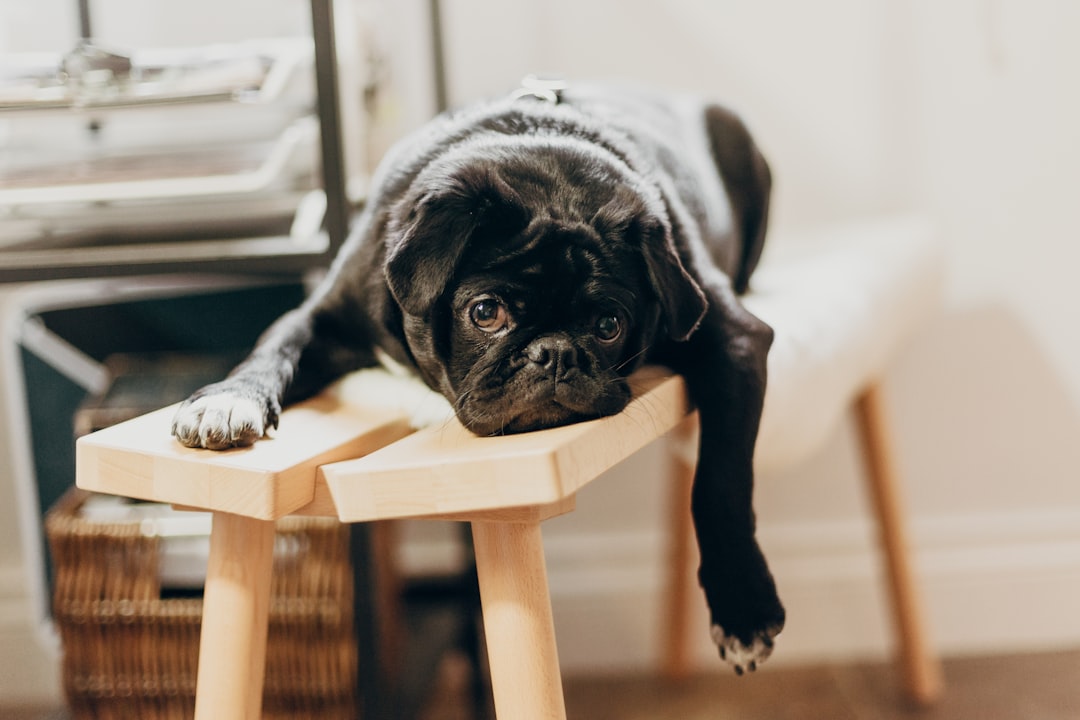
You pick up your car keys, slip on your shoes, and glance down to see wide, terrified eyes staring up at you. Your dog begins pacing, panting heavily, and whining before you even touch the doorknob. And when you return home, you are greeted by clawed doorframes, chewed baseboards, or a noise complaint from an exasperated neighbor.
If this sounds familiar, your dog isn't acting out of spite or seeking revenge for being left behind. They are experiencing a genuine, involuntary panic attack. Canine separation distress is one of the most common behavioral challenges pet parents face, yet it is also one of the most misunderstood. Effective dog separation anxiety treatment requires moving beyond basic obedience commands and addressing the root neurological panic your dog experiences when left alone.
Key Takeaway: Separation anxiety is a panic disorder, not a discipline problem. Punishing a dog for destructive behavior caused by isolation will only increase their baseline cortisol levels and make the anxiety worse.
Is It True Separation Anxiety or Just Boredom?
Before launching into an intervention, you need to establish whether your dog suffers from true clinical separation anxiety or simply lacks mental stimulation. While the aftermath—torn cushions or scattered trash—can look identical, the underlying emotional drivers are completely different.
Tell-Tale Signs of Clinical Separation Distress
True separation anxiety occurs specifically in response to the absence (or impending absence) of an attachment figure. According to veterinary behaviorists and the ASPCA's research on separation anxiety in companion animals, clinical signs typically manifest within the first 15 to 30 minutes of departure and include:
- Frantic Exit-Point Destruction: Clawing, scratching, or chewing at doorways, window frames, blinds, or crate bars in an attempt to escape and reunite with you.
- Persistent Distress Vocalization: High-pitched whining, howling, or non-stop barking that starts immediately after you exit and continues unabated.
- Autonomic Nervous System Responses: Excessive drooling, heavy panting (unrelated to ambient temperature), dilated pupils, and stress-induced house soiling even in fully house-trained adult dogs.
- Anorexia in Isolation: Refusing high-value treats, frozen peanut butter, or favorite meals when left alone, only to eat them ravenously the second you walk back in the door.
- Extreme Hyper-Attachment (Velcro Behavior): Following you relentlessly from room to room, unable to settle if an interior door is closed between you.
Boredom vs. Fear-Based Anxiety: How to Tell the Difference
A bored dog usually takes their time. They might sleep for two hours, wake up, look for something fun to do, and decide that shredding a magazine sounds entertaining. A bored dog will gladly eat a stuffed frozen Kong toy when you leave. A panicked dog with clinical anxiety will ignore food entirely because their sympathetic nervous system has triggered a full fight-or-flight response, completely shutting down their digestive appetite.
The single most valuable diagnostic tool you possess is a pet camera. Setting up an inexpensive indoor camera to monitor your dog’s body language during the first 20 minutes after your departure will reveal whether they are exploring out of curiosity or pacing in terror.
The Core Protocol: Systematic Desensitization
While management tools like calming diffusers and compression wraps have their place, the gold standard for long-term dog separation anxiety treatment is systematic desensitization. This methodology teaches your dog that your departure cues predict safety rather than abandonment, gradually expanding their threshold of calm alone-time.
Step 1: Uncoupling Departure Cues
Dogs are masters of pattern recognition. Long before your foot crosses the threshold, your dog has cataloged dozens of subtle departure cues (pre-departure triggers): putting on work pants, grabbing a handbag, jiggling car keys, or applying sunscreen. By the time you reach for the doorknob, your dog's heart rate is already elevated.
To break this associative chain, perform these micro-actions throughout the day without actually leaving:
- Pick up your car keys, walk across the living room, sit down on the couch, and watch TV.
- Put on your heavy winter coat, walk into the kitchen, pour a glass of water, take the coat off, and sit down.
- Touch the doorknob, turn the latch slightly, release it, and walk away calmly.
Perform these micro-actions 10 to 15 times daily until your dog stops lifting their head or tracking your movements when they hear the keys jingle.
Step 2: Sub-Threshold Absence Training
The cornerstone of modern dog separation anxiety treatment is keeping your dog strictly "sub-threshold"—meaning you return before they experience any anxiety. If your dog panics at the two-minute mark, your training sessions must operate at the 30-to-60-second range.
- Step outside the front door and close it completely behind you.
- Wait for 5 to 10 seconds (well below your dog's panic threshold).
- Step back inside calmly. Do not make a dramatic fuss or deliver high-energy praise.
- Gradually increase the duration across multiple daily sessions: 15 seconds, 30 seconds, 20 seconds (always mix in easier repetitions), 45 seconds, 1 minute.
If you observe signs of stress on your camera monitor—such as lip licking, yawning, sudden pacing, or vocalization—you have exceeded the threshold. Dial the time back to a level where your dog remains completely relaxed, and build back up slowly.
Step 3: Neutral Departures and Low-Arousal Reunions
Emotional, prolonged goodbyes ("I'll miss you so much, sweet baby, be a good dog!") inadvertently signal to your pet that something major and potentially dangerous is about to occur. Similarly, explosive, high-energy greetings when you return confirm their suspicion that your absence was a stressful ordeal that warrants relief.
Keep your departures entirely neutral. When returning home, greet your dog quietly with gentle, low-key affection only after all four paws are on the floor and their energy has settled down. This reinforces that entering and exiting the house is an ordinary, mundane event.
Pro Tip: During the desensitization phase, your dog should ideally not be left alone for durations that exceed their threshold. Enlist the help of friends, family, or doggy daycare to bridge the gap while building their independence.
Environmental Modifications and Calming Aids
Behavioral conditioning does the heavy lifting, but supportive tools can lower baseline stress and make your training sessions significantly more effective. Pairing systematic training with targeted lifestyle tweaks creates a well-rounded foundation for recovery.
Targeted Mental Enrichment
Physical exercise alone will not cure panic-based distress, but high-value cognitive stimulation can dramatically lower generalized stress. Incorporating mental enrichment games for high-energy dogs like snuffle mats, puzzle feeders, and scent-work activities engages the canine brain and encourages self-soothing behaviors.
Licking and chewing release endorphins that naturally reduce cortisol. If your dog is in the early, mild stages of anxiety and still shows an appetite, offering a long-lasting, frozen lick mat right as you start micro-absences can build positive associations with alone-time.
Crate Confinement: Friend or Foe?
For many dogs, a crate represents a secure, cozy sanctuary. For dogs with severe isolation distress, however, crate confinement can cause dangerous barrier frustration. A panicked dog may break teeth or shred paw pads trying to bend metal wire crates. If you are working through a positive reinforcement crate training guide, monitor your dog closely. If they show intense panic inside the crate when left alone, transition them to a safe, dog-proofed room with an exercise pen or baby gate instead.
Pheromones, Calming Supplements, and Medication
When structuring an effective dog separation anxiety treatment plan, environmental enrichment serves as a crucial support pillar, but moderate to severe cases often need biochemical support to succeed:
- Dog Appeasing Pheromones (DAP): Synthetic analogues of maternal calming pheromones (available as plug-in diffusers or collars) can create a soothing ambient baseline in the home.
- Nutraceuticals: Over-the-counter supplements containing L-theanine, chamomile, or hydrolyzed milk protein (alpha-casozepine) can help reduce generalized reactivity.
- Prescription Behavior Medications: In severe cases, brain chemistry must be balanced before cognitive learning can occur. Board-certified veterinary behaviorists frequently prescribe FDA-approved medications (such as fluoxetine or clomipramine) for daily support, sometimes paired with fast-acting situational medications for planned absences. Medication does not sedate your dog; it lifts the fog of panic so they can actually learn.
Common Mistakes That Set Back Progress
Even well-intentioned pet parents can accidentally reinforce fearful behaviors or stall their training progress. Avoid these common traps:
- Rushing Duration Too Quickly: Progress in separation anxiety is non-linear. Jumping from 5 minutes of calm alone-time directly to 30 minutes almost always triggers a setback. Increase duration incrementally.
- Using Aversive Tools: Anti-bark shock collars, citronella sprays, or physical corrections do not treat the underlying panic. They merely suppress the vocal symptom through fear, frequently resulting in severe behavioral fallout like redirected aggression or intense self-mutilation.
- Failing to Establish Calm Routines: Implementing predictable daily schedules and structured calming routines for anxious pets helps remove the unpredictability that fuels anxiety.
A common pitfall in dog separation anxiety treatment is progressing faster than your dog can handle. True desensitization requires patience, consistency, and a willingness to celebrate small victories along the way.
Your Action Plan: What to Do Today
Starting your dog separation anxiety treatment journey doesn't require a full lifestyle overhaul overnight. You can lay the groundwork this afternoon in just 15 minutes:
- Identify Your Dog’s Top 3 Departure Triggers: Write down the exact actions that cause your dog to perk up nervously (e.g., picking up your keys, putting on your shoes, grabbing your backpack).
- Execute 5 Neutral Trigger Repetitions: Pick one trigger—such as picking up your keys—and perform it five times over the next few hours without leaving the house. Pick them up, carry them across the room, put them down, and ignore your dog.
- Set Up Your Baseline Camera: Download a free home monitoring app on an old tablet or phone, aim it at your front entryway, and step outside for 60 seconds to establish your dog’s true current threshold.
Helping your dog overcome separation anxiety is a marathon, not a sprint. With systematic desensitization, low-stress departure routines, and patience, your dog can learn that being home alone is safe, peaceful, and temporary.

Written by
Nibedita Basu
English graduate and social worker with a passion for creating a warm, happy, and meaningful life. I write about Home, Food, and Pets — sharing practical ideas, everyday inspiration, and simple joys that make life more comfortable, wholesome, and fulfilling.