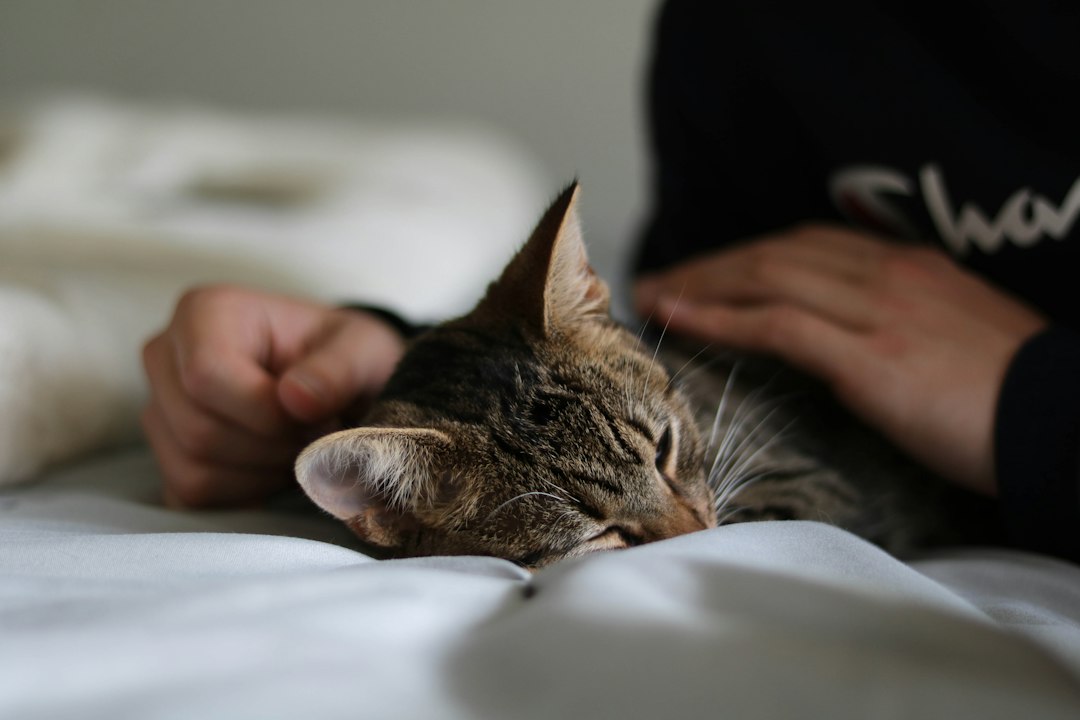
It is 3:42 a.m. You are in the deepest, most restorative phase of sleep when a single sandpaper tongue rasps across your eyelid. If that does not work, a heavy paw lands directly on your throat, accompanied by a plaintive, echoing yowl that sounds like an emergency siren. Sound familiar?
Cat owners around the world know this scenario all too well. While you might assume your feline companion is simply malicious or nocturnal, the reality comes down to biology, instincts, and accidental conditioning. Fortunately, you do not have to choose between getting eight hours of sleep and sharing your home with a happy pet. With a structured approach, you can gently stop cat nighttime waking without yelling, water spray bottles, or damaged trust.
Key Takeaway: Cats are not nocturnal—they are crepuscular, meaning their natural peak activity levels occur at dawn and dusk. Nighttime wakeups are almost always driven by instinct, boredom, or learned behaviors rewarded by human attention.
Why Cats Wake You Up: Understanding the Feline Clock
Before implementing a solution, it helps to understand what drives your cat's twilight antics. Understanding feline biology prevents frustration and helps you target the root cause of the disruptions.
1. Crepuscular Biology
Unlike humans (who are diurnal) or owls (who are nocturnal), cats are naturally crepuscular. In the wild, their primary prey—small rodents and birds—are most active just before sunrise and right after sunset. When your cat pounces on your toes under the duvet at 4:30 a.m., their biological clock is simply alerting them that hunting season is open.
2. Accidental Positive Reinforcement
Have you ever gotten out of bed at 4:00 a.m. just to pour a scoop of kibble into a bowl so your cat would let you sleep for one more hour? If so, you successfully trained your cat to wake you up. To a feline, food, talking, petting, or even getting pushed off the bed counts as an interaction. According to behavioral guidelines from the ASPCA on nighttime activity in cats, even negative attention like scolding rewards and reinforces nighttime vocalization.
3. Daytime Under-Stimulation
Indoor cats often sleep up to 16 hours a day out of pure boredom while their humans work. If an indoor cat spends 8 hours resting on a sunny windowsill without physical or mental stimulation, they will store massive reserves of energy. By the time you climb into bed, your cat is rested, alert, and looking for entertainment.
5 Gentle Strategies to Stop Cat Nighttime Waking
Eliminating nighttime disturbances requires an approach that fulfills your cat's biological needs during the day so they naturally rest alongside you at night. Here is how to create a routine that will permanently stop cat nighttime waking.
1. Implement the "Hunt, Catch, Kill, Eat, Groom, Sleep" Sequence
Cats operate on a predictable neurological loop known as the predatory cycle. In nature, a cat expends intense energy stalking prey, capturing it, consuming the meal, thoroughly cleaning itself, and sinking into a deep digestive slumber. You can recreate this cycle every evening in your living room:
- Engage in vigorous play (15–20 minutes): Use a wand toy or laser pointer to trigger active running, leaping, and pouncing right before your bedtime.
- Provide the "catch": Always end play sessions by letting your cat catch a tangible physical toy to prevent predatory frustration.
- Feed a protein-rich meal: Serve their largest meal of the day immediately after play.
- Observe the wind-down: Your cat will instinctively groom for several minutes and fall into a restful, sustained sleep.
Aligning with this natural sequence is one of the most effective long-term tactics to stop cat nighttime waking because it works with your cat's instincts rather than against them.
2. Transition to an Automatic Feeder
If your cat wakes you primarily because they want breakfast, you must remove yourself from the feeding equation. As long as your cat associates your waking up with the arrival of breakfast, you remain a walking food dispenser.
Set up a programmable automatic pet feeder to dispense a small portion of dry food at 4:30 a.m. or 5:00 a.m. (or whichever time your cat tends to start their morning wake-up routine). Within a few days, your cat will realize the machine provides the meal, shifting their morning vigil away from your bedside to the feeder bowl. For more home enrichment ideas, check out our guide on indoor cat enrichment activities to keep your pet stimulated throughout the day.
3. Master the Art of Tactical Extinction (Complete Ignoring)
In behavioral psychology, "extinction" refers to the gradual weakening and eventual disappearance of a conditioned behavior when reinforcement stops. This is the hardest step for pet owners, but it is critical to permanently stop cat nighttime waking.
When your cat meows, swats at your nose, or scratches the door frame at night:
- Do not speak: Saying "no," "stop it," or your cat's name is a verbal reward.
- Do not move: Tossing, turning, sighing, or pulling the blankets over your head tells your cat you are awake.
- Do not touch: Pushing your cat away is perceived as physical interaction or play.
- Stay completely still: Become an inanimate object. Keep your eyes closed and your breathing steady.
Warning: The Extinction Burst: When you stop responding to nighttime wakeups, your cat's behavior will get worse before it gets better. This spike in intensity—known as an extinction burst—is the cat testing whether louder meows or harder swats will produce the old result. If you give in during an extinction burst, you reinforce extreme persistence. Stay consistent, and the behavior will drop off within 7 to 14 days.
4. Enrich the Nighttime Environment
If your cat wakes up during the night and is not tired, make sure they have independent activities that do not involve your bedroom. Setting up independent enrichment prevents them from demanding your attention when they wake up.
- Puzzle Feeders: Leave a slow-dispensing treat ball or foraging mat in another room before turning in.
- Quiet Toys: Rotate soft plush toys, felt mice, or crinkle balls into the living area at night, making sure to hide noisy bell toys in a drawer.
- Safe Window Perches: If safe and secure, leave blinds open on a window near an outdoor light source where insects or night wildlife provide visual stimulation.
5. Address Closed-Door Anxiety
Many pet owners solve midnight disruptions by simply shutting their bedroom doors, only to be met with relentless door scratching and howling. Cats are territorial animals, and a closed door represents a barrier to their territory.
If you prefer a closed door:
- Place double-sided sticky tape or a smooth plastic floor runner (prickly side down) in front of the door threshold. Cats dislike touching these textures and will avoid the area.
- Spray a feline calming pheromone diffuser near the hallway to reduce territorial distress.
- Pair door closure with an enriching bedtime snack in a distant room so your cat focuses elsewhere when the door shuts. Learning to read your cat body language signals can help you distinguish between genuine distress and simple boundary-testing.
When Nighttime Waking Signals a Medical Issue
While most nighttime wakeups are behavioral, sudden shifts in your cat's sleep patterns warrant a trip to the veterinarian. This is especially true for senior cats (ages 10 and older).
| Condition | Common Symptoms | Why It Causes Waking |
|---|---|---|
| Hyperthyroidism | Weight loss despite increased appetite, restlessness, panting. | Excess thyroid hormone creates constant agitation and high metabolic hunger. |
| Feline Cognitive Dysfunction (FCD) | Loud, aimless night yowling, disorientation, staring into corners. | Age-related dementia disrupts circadian rhythms and creates anxiety in the dark. |
| Osteoarthritis / Chronic Pain | Difficulty jumping, stiffness, irritability when handled. | Discomfort prevents sustained sleep on hard surfaces. |
| Kidney Disease / Diabetes | Excessive thirst, frequent litter box visits, wet litter clumps. | Need for frequent hydration and urination wakes the cat throughout the night. |
If your older cat has suddenly started vocalizing late at night, make an appointment with your veterinarian for blood work and a physical exam before attempting behavioral extinction techniques.
Step-by-Step Evening Action Plan (Start Tonight)
Establishing healthy boundaries takes time, but you can build a restful foundation starting this evening. Here is a clear checklist to follow before you go to sleep tonight:
- 8:30 p.m. — Active Energy Burn: Grab an interactive wand toy and run your cat until they are visibly breathing heavier and lie down on their side to rest.
- 9:00 p.m. — Evening Feast: Serve a hearty portion of wet or dry food to trigger their post-meal grooming and sleep instincts.
- 9:30 p.m. — Set the Night Stage: Hide 2–3 treat puzzles in the living room and place silent toys around their resting areas. Make sure their litter box is clean.
- 10:00 p.m. — Bedtime: If the cat enters your room, commit 100% to the extinction rule: zero talking, zero petting, and zero reactions until your morning alarm sounds. If you use an automated feeder, program it for 30 minutes before your cat normally wakes you.
With patience and consistency, you can stop cat nighttime waking, align your household's daily rhythms, and wake up naturally on your own schedule.

Written by
Nibedita Basu
English graduate and social worker with a passion for creating a warm, happy, and meaningful life. I write about Home, Food, and Pets — sharing practical ideas, everyday inspiration, and simple joys that make life more comfortable, wholesome, and fulfilling.