It is 3:15 PM. Your eyelids feel heavy, your concentration is fractured, and your immediate instinct is to reach for a second (or third) cup of coffee. But before you brew another espresso, consider a less obvious culprit: mild dehydration.
Most adults spend their days operating in a state of low-grade fluid deficit. You don't need to be crossing a desert to feel the effects—losing as little as 1.5% of your body's water volume can trigger brain fog, mood dips, headaches, and phantom sugar cravings. Yet standard hydration advice—like carrying a gallon jug marked with motivational quotes or logging every sip into an app—rarely works long term. It relies on willpower, and willpower always runs out by mid-afternoon.
The solution isn't trying harder; it is redesigning your environment. With a quick 15-minute setup, you can establish easy ways to hydrate throughout the day without counting ounces or constantly checking the clock.
Key Takeaway: Hydration is an environmental design problem, not a motivation problem. When fluid is accessible, appetizing, and tied to existing routines, you drink automatically.
Why Willpower-Based Hydration Fails
Whenever we decide to "drink more water," we usually treat it as an active chore. We tell ourselves we will pause our work every hour to walk to the kitchen, fill a small glass, and drink it. Within two days, deadlines take over, the friction of getting up wins, and we are back to drinking two cups of coffee and half a glass of tap water all day.
According to research on hydration and cognitive performance published through the National Institutes of Health, even mild fluid loss impairs working memory, increases perceived task difficulty, and raises fatigue. Waiting until you feel parched is already too late—thirst is a lagging indicator that kicks in only after dehydration has set in.
To fix this permanently, we need passive systems. You want drinking water to require zero conscious decision-making during your busiest hours.
The 15-Minute Environmental Audit
Take 15 minutes today to set up these physical cues and friction reducers in your home or workspace. Once these systems are in place, staying hydrated becomes the default choice.
1. The "Bookend" Water Bottles
Friction kills habits. If your water bottle is empty in another room, you won't get up to fill it when you're deep in focus. Instead, use a two-vessel strategy:
- Vessel A (The Desk Anchor): A large (32–40 oz) insulated tumbler with a straw. Straws significantly reduce drinking friction; behavioral studies show people drink up to 30% more liquid from straw-lids simply because taking a sip requires less effort than unscrewing a cap.
- Vessel B (The Refill Pitcher): Keep a 1-liter carafe or stainless steel pitcher directly on your desk or workstation. When your tumbler is empty, you don't leave your desk; you simply pour from the pitcher.
2. Habit-Stacking Your Sips
Rather than setting annoying phone alarms, pair drinking water with actions you already perform dozens of times a day. As explored in our guide on building effortless morning routines, attaching a new behavior to an established anchor makes habit formation nearly instantaneous.
- The Wake-Up Chug: Place a 16-ounce glass of room-temperature water on your nightstand before sleep. Drink the entire glass before your feet hit the floor or before touching your phone.
- The Transition Trigger: Take three large swallows every time you hang up a call, hit "send" on an email you've been drafting, or stand up from your chair.
- The Coffee Tax: Implement a personal rule: you cannot pour your morning coffee until you have finished one full glass of water.
Eat Your Hydration: The Food-First Shortcut
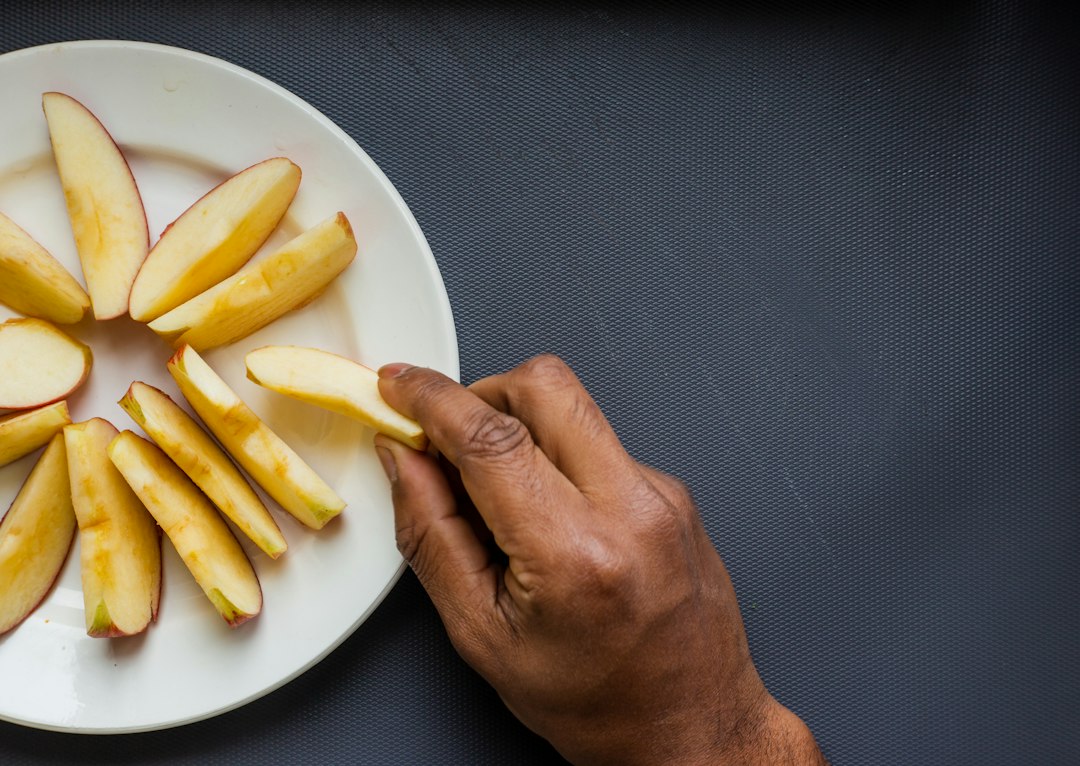
Drinking plain liquid isn't the only way to replenish your cells. In fact, roughly 20% to 30% of your daily water intake should come directly from the foods you eat. Cellular water in fresh produce is absorbed more slowly because it comes bound to soluble fiber, vitamins, and natural minerals, providing a sustained hydrating effect.
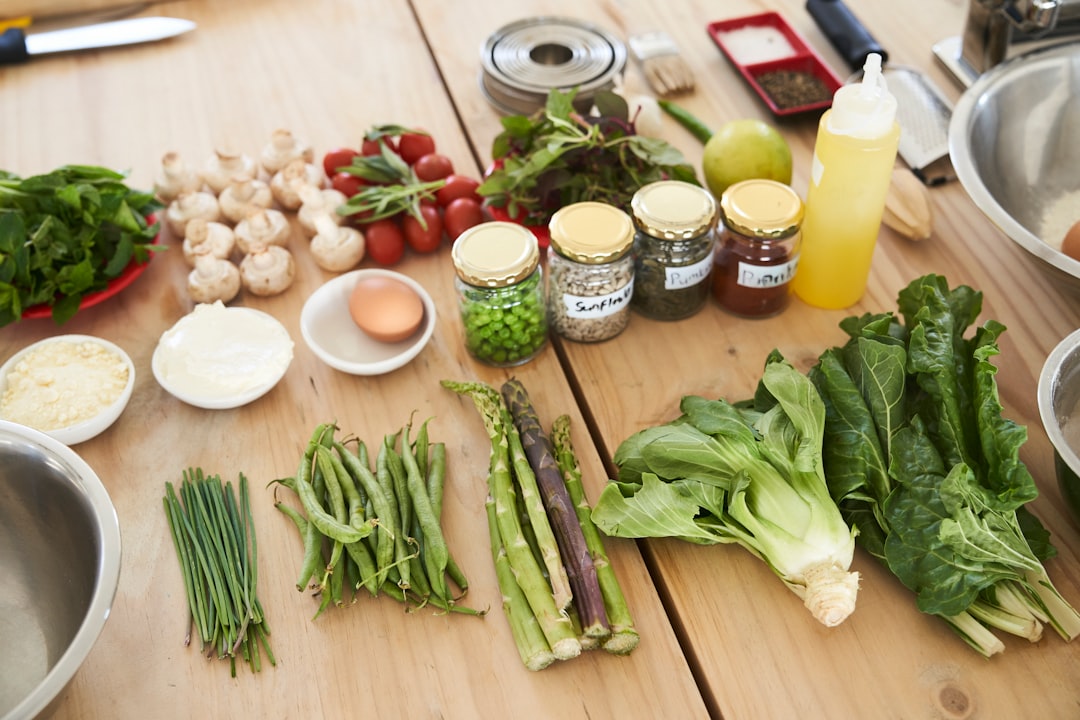
Integrating moisture-rich produce is one of the most effective, easy ways to hydrate without feeling like a walking water balloon. Pairing these with high-fiber meal prep strategies ensures your digestion and energy remain steady all afternoon.
- Cucumbers (96% water): Slice an entire English cucumber into coins and keep them in a container at eye-level in your fridge. Sprinkle with sea salt and lemon juice for an instant hydration snack.
- Strawberries and Watermelon (91–92% water): These provide natural electrolytes (potassium and magnesium) along with fast cellular hydration.
- Zucchini and Bell Peppers (92–94% water): Add these raw to lunch salads or lightly saute them as dinner sides.
- Bone Broth and Vegetable Soups: Starting your lunch with a warm cup of lightly salted broth delivers fluid alongside amino acids and sodium, helping your body retain intracellular moisture.
Key Takeaway: Eating high-water-content produce hydrates you longer than drinking water alone because the dietary fiber slows gastric emptying, allowing your gut to absorb fluids gradually.
Make Water Craveable: 60-Second Flavor Upgrades
For many, the main hurdle isn't forgetfulness—it's boredom. If plain tap water tastes uninspiring, you will naturally gravitate toward sodas, sweetened teas, or energy drinks. You can make water craveable without artificial sweeteners or high-sugar syrups.
Cold-Infusion Pitchers
Spend two minutes every evening prepping an infusion pitcher in your refrigerator. Overnight steeping extracts subtle natural oils and aromatics:
- Citrus-Mint: 4 crushed spearmint leaves + half a sliced grapefruit.
- Cucumber-Ginger: 6 thin cucumber rounds + 2 smashed slices of fresh ginger root.
- Berry-Basil: 4 crushed blackberries + 2 bruised basil leaves.
Smart Mineral Balancing
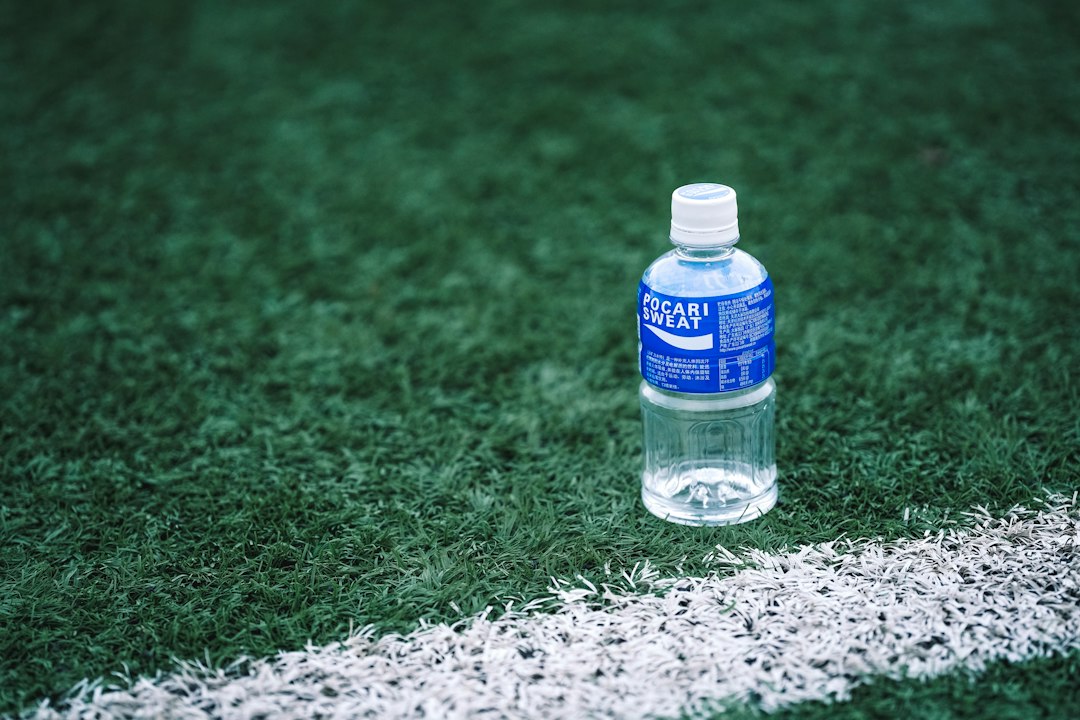
If you drink massive quantities of reverse-osmosis or filtered water and still feel thirsty, you may be washing out critical minerals. Water needs electrolytes—specifically sodium, potassium, and magnesium—to move across cellular membranes efficiently.
You don't need expensive commercial electrolyte packets loaded with synthetic flavors. Simply add a small pinch of unrefined sea salt (like Celtic or Himalayan pink salt) and a squeeze of fresh lime juice to your morning 16-ounce glass. The trace minerals improve fluid balance and enhance cellular uptake. You can complement this with healthy energy-boosting snacks like raw almonds and pumpkin seeds to keep your electrolyte baseline steady.
Your Zero-Thought Daily Hydration Schedule
Here is how a typical day looks when you replace tracking with frictionless cues:
- 7:00 AM (Wake-up): 16 oz water from your nightstand (The "Coffee Tax" is paid).
- 8:30 AM (Work begins): Fill your 32 oz desk tumbler with cold water, ice, and a lemon wedge.
- 12:30 PM (Lunch): Eat a meal incorporating high-water vegetables (cucumber salad or bell pepper strips) plus a 12 oz sparkling water.
- 2:00 PM (Afternoon check-in): Refill your 32 oz desk tumbler from your desk carafe. Sip casually through the straw during calls.
- 6:30 PM (Dinner): Enjoy a bowl of soup, stew, or a large green salad.
- 8:30 PM (Wind-down): A warm cup of chamomile or peppermint tea (approx. 8 oz).
Following this rhythm delivers roughly 90–100 ounces of fluid throughout the day without a single minute spent logging apps or forcing down water when you don't want it.
What to Do Today (Your 1-Minute Action Step)
Don't wait until next week to implement complex lifestyle overhauls. Start right now with one simple upgrade: put a large glass of water on your nightstand before you go to bed tonight.
Drinking that single glass first thing tomorrow morning breaks an 8-hour overnight fast, stimulates gastrointestinal motility, and immediately jumpstarts your cognitive alertness. Explore these practical, easy ways to hydrate, let your environment do the heavy lifting, and notice how much cleaner your energy feels by tomorrow afternoon.

Written by
Nibedita Basu
English graduate and social worker with a passion for creating a warm, happy, and meaningful life. I write about Home, Food, and Pets — sharing practical ideas, everyday inspiration, and simple joys that make life more comfortable, wholesome, and fulfilling.