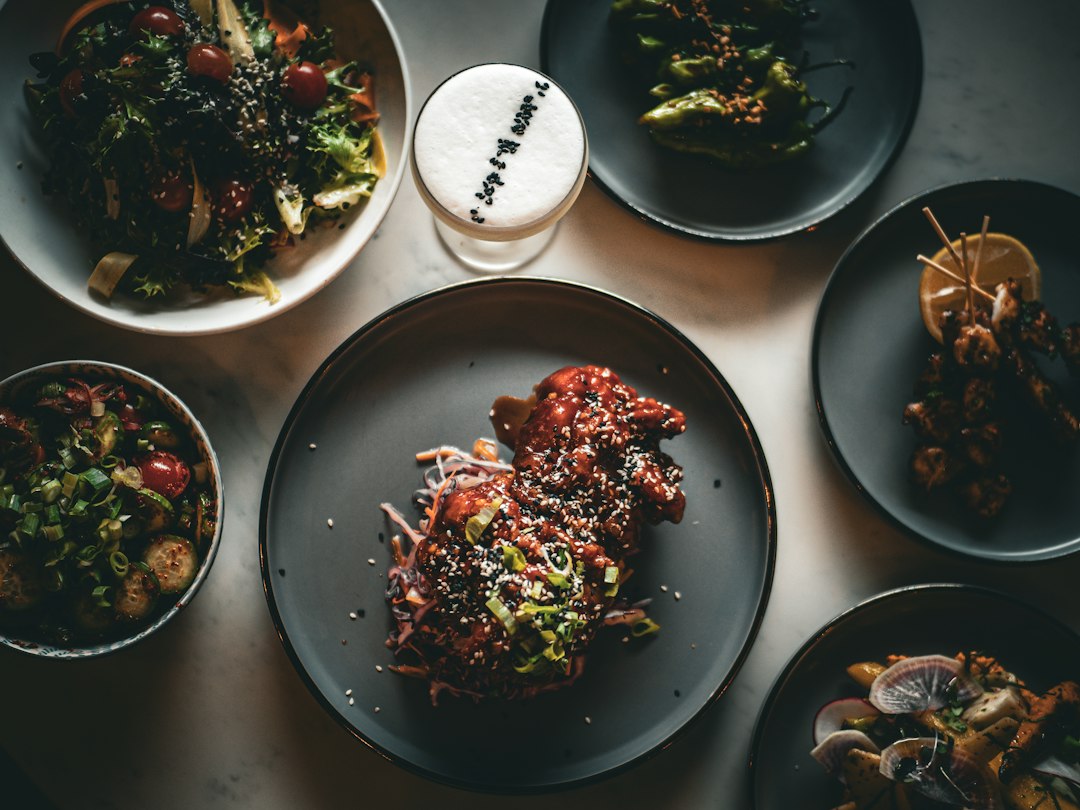
You sit down for dinner feeling great, order a seemingly healthy meal, and within forty-five minutes of signing the check, your waistband feels two sizes too tight. If you have ever had to discreetly unbutton your pants in an Uber ride home, you are familiar with the phenomenon known as “restaurant bloat.”
It is not fat gained in a single sitting; it is rapid water retention, trapped gas, and delayed gastric emptying. Commercial kitchens prepare food to taste intensely flavorful, which means relying heavily on sodium, concentrated fats, and aromatic irritants. Fortunately, you do not need to swear off social dinners or stick to plain steamed chicken to keep your gut happy. With a few deliberate adjustments, you can easily prevent bloating at restaurants while still enjoying exceptional food.
Why Restaurant Food Triggers Severe Bloating
To outsmart the dining-out bloat, you first have to understand what causes it. Even when you avoid junk food, restaurant preparations differ drastically from home cooking in three major ways:
- Sodium Hyper-Concentration: Professional chefs season every component of a dish separately—from the cooking water to the finishing sauce. A single restaurant entrée can pack 2,000 to 3,500 mg of sodium (well above the daily recommended limit), causing rapid fluid shifts and abdominal tissue swelling.
- Heavy Lipids and Delayed Emptying: Butter, cream, and refined cooking oils slow down how quickly your stomach empties its contents into the small intestine. When food sits in your stomach longer, gas builds up, creating that heavy, sluggish distention.
- The FODMAP Overload: Garlic and onions form the flavor foundation of almost every sauce, marinade, and braise. For sensitive digestive tracts, these high-fructan aromatics ferment rapidly in the large intestine, generating significant gas.
According to research on gastrointestinal transit and fluid balance published by Healthline, sudden spikes in sodium intake paired with slow-digesting lipids represent the primary catalyst for acute post-meal distention.
Key Takeaway: Post-restaurant bloat is rarely about food volume alone. It is primarily driven by hyper-concentrated sodium pulling water into tissues and excessive fats slowing down digestive transit.
10 Smart Restaurant Hacks to Prevent Bloating
1. The 30-Minute Pre-Meal Hydration Window
One of the easiest ways to prevent bloating at restaurants starts before you even look at the menu. Chugging glasses of ice water during your meal dilutes your stomach acid and digestive enzymes, slowing protein breakdown. Instead, drink 16 ounces of room-temperature water 30 minutes before arriving at the restaurant. While seated, limit yourself to small sips to keep enzymatic breakdown running at peak efficiency.
2. Request Dressings and Reductions on the Side
Salads and grain bowls look innocent, but restaurant dressings are frequently emulsified with high quantities of inflammatory seed oils, refined sugars, and emulsifiers that aggravate sensitive guts. Asking for sauces, reductions, and dressings on the side puts you in complete control. Dip the tines of your fork into the dressing before taking a bite—you will get full flavor on every mouthful while consuming 70% less oil and sodium.
3. Skip Carbonated Cocktails and Sparkling Water
Carbonation is literally compressed carbon dioxide gas. When you drink sparkling water, club soda mixers, or beer with a large meal, you are delivering pockets of gas directly into an already expanding stomach. Opt for still water with a slice of lemon or cucumber, dry wine, or a spirit served neat or on the rocks to minimize mechanical gas accumulation.
4. Make the "Light Oil, Pan-Seared or Grilled" Request
Chefs frequently finish hot pans with two to three tablespoons of butter or oil for sheen and richness. When ordering fish, chicken, steak, or vegetables, politely ask: “Could the kitchen prepare this with light oil or grilled dry?” Kitchens handle this standard modification every night, and cutting excess grease dramatically accelerates stomach emptying.
5. Swap Cruciferous Sides for Gentle Tubers
While broccoli, Brussels sprouts, kale, and cauliflower are nutrient powerhouses, their high raffinose (a complex sugar) and sulfur content make them notoriously difficult to digest in restaurant-sized portions. If you want to improve your daily gut health and avoid mid-dinner puffiness, substitute raw or lightly sauteed brassicas for baked potatoes, roasted carrots, zucchini, or white rice.
6. Pace the Bread Basket with Protein First
When you arrive hungry, eating warm sourdough, focaccia, or chips on an empty stomach triggers a sharp blood sugar spike followed by rapid fermentation. If you choose to enjoy the bread, do not eat it first. Wait until your protein or appetizers arrive. Combining carbohydrates with protein and fiber moderates glucose spikes and reduces sudden gas production.
7. Beware Hidden Lactose in Steaks and Purées
You do not need to order a cheese plate to get a heavy dose of dairy. High-end restaurants routinely “mount” sauces with cold butter, baste steaks with garlic butter herbs, and whip mashed potatoes with equal parts heavy cream. If you are even mildly sensitive to lactose, ask your server if the entrée is finished with butter and request olive oil or a dry finish instead.
Key Takeaway: Small modifications make the difference. Politely requesting dressings on the side, swapping cruciferous vegetables for root vegetables, and asking for a light-oil prep will eliminate the bulk of hidden gut stressors.
8. Implement the 80% Fullness Rule (Hara Hachi Bu)
Restaurant portions are notoriously oversized, often providing enough food for two full meals. Overeating mechanically stretches the stomach wall, which directly impedes digestive motility and induces gut spasms. Practice the traditional Okinawan principle of eating until you are roughly 80% satisfied. Request a to-go container as soon as you notice your initial hunger subside.
9. Close with Peppermint or Ginger Tea Instead of Dessert Drinks
Dessert menus are packed with sugary cocktails, espresso martinis, and rich dairy desserts that compound digestive distress. Instead, order hot peppermint or fresh ginger tea. Menthol in peppermint relaxes the smooth muscles of the GI tract, allowing trapped air to dissipate, while ginger accelerates gastric motility.
10. Take a 10-Minute Walk Immediately After the Meal
Do not go directly from your restaurant chair to the car seat to the couch. A light 10-to-15-minute walk right after eating stimulates gastric peristalsis—the rhythmic contraction of digestive tract muscles. This gentle movement encourages food and gas to move efficiently through your system, drastically reducing the chances of trapped, painful pressure.
Strategic Menu Choices: What to Pick vs. What to Skip
Navigating different culinary styles becomes simple when you know which staples protect your gut. Here is a quick reference guide for your next night out:
- Italian: Choose grilled proteins (branzino, chicken piccata with light butter) and simple tomato-basil sauces over heavy cream-based alfredo, deep-fried chicken parmesan, or cheese-stuffed pastas.
- Asian & Sushi: Opt for sashimi, steamed edamame, and rice bowls with fresh fish. Minimize deep-fried tempura rolls, heavy sweet glazes (like unagi sauce), and excess soy sauce drenching.
- Mexican: Choose fajitas with corn tortillas, grilled meats, pico de gallo, and guacamole. Go light on refried beans made with lard, heavy queso dips, and deep-fried chimichangas.
Building consistency with these choices is far easier when you understand how your body reacts to specific ingredients. Learning how to practice mindful eating strategies allows you to identify your unique digestive triggers over time.
What to Do If You Already Feel Bloated
If you slipped up and a heavy restaurant meal has already left your stomach distended, do not panic or resort to harsh detox teas. You can jumpstart your recovery with a few basic physiological resets:
- Load up on potassium the next morning: Potassium helps counter sodium-induced water retention by signaling your kidneys to flush out excess fluids. Eat a potassium-rich breakfast containing bananas, avocado, coconut water, or spinach.
- Avoid tight clothing: Compressive waistbands increase intra-abdominal pressure, pushing trapped gas higher and worsening physical discomfort.
- Try gentle twisting stretches: Light yoga postures, such as supine spinal twists or child's pose, help release trapped pocket gas along the descending colon.
If recurring gut distress continues to disrupt your lifestyle even with clean eating, consider identifying your personal food intolerances with an elimination protocol or working alongside a registered dietitian.
Your Action Step for Tonight
The next time you make a restaurant reservation, commit to executing just two of these hacks: order your sauces on the side and finish the evening with a 10-minute walk. You will prove to yourself that it is entirely possible to enjoy world-class food, stay social, and prevent bloating at restaurants without sacrificing your comfort.

Written by
Nibedita Basu
English graduate and social worker with a passion for creating a warm, happy, and meaningful life. I write about Home, Food, and Pets — sharing practical ideas, everyday inspiration, and simple joys that make life more comfortable, wholesome, and fulfilling.