It is 6:45 PM on a Tuesday. You are standing in front of an open refrigerator, bathed in cold LED light, staring blankly at a limp stalk of celery, half a jar of marinara sauce, and a tub of sour cream with an uncertain expiration date. You are hungry, mentally drained from the workday, and completely out of willpower. Twenty minutes later, you are tapping "Place Order" on a $28 delivery meal that leaves you feeling sluggish, bloated, and mildly guilty.
This cycle is why mastering meal prep for beginners is one of the single most impactful habits you can build for your health, your wallet, and your peace of mind. The challenge? Most beginners approach meal prep entirely wrong. They envision spending eight grueling hours on a Sunday afternoon cooking twenty-one identical, unseasoned chicken-and-rice bowls until their kitchen resembles a cafeteria assembly line. By Thursday, the chicken is rubbery, the broccoli is soggy, and the thought of eating another pre-portioned container feels like a punishment.
Real-life meal preparation should create freedom, not monotony. This comprehensive guide breaks down an approachable, stress-free 7-day system designed specifically for real schedules, real cravings, and standard kitchens.
Key Takeaway: Successful meal prep is not about cooking 21 identical meals. It is about preparing versatile components—proteins, grains, roasted vegetables, and flavorful sauces—that can be mixed and matched in under five minutes throughout the week.
The 3 Meal Prep Styles (And Which One to Pick)
Before buying a single grocery item, you need to choose the method that fits your personality. When approaching meal prep for beginners, forcing yourself into the wrong style is the fastest route to burnout.
1. Complete Batch Cooking
This is the traditional method: you cook 2–3 large recipes (like a massive chili, a casserole, or sheet-pan fajitas) and portion them directly into individual grab-and-go containers. This works best if you do not mind eating the exact same lunch three or four days in a row and value sheer convenience above variety.
2. Component Prepping (The "Buffet" Method)
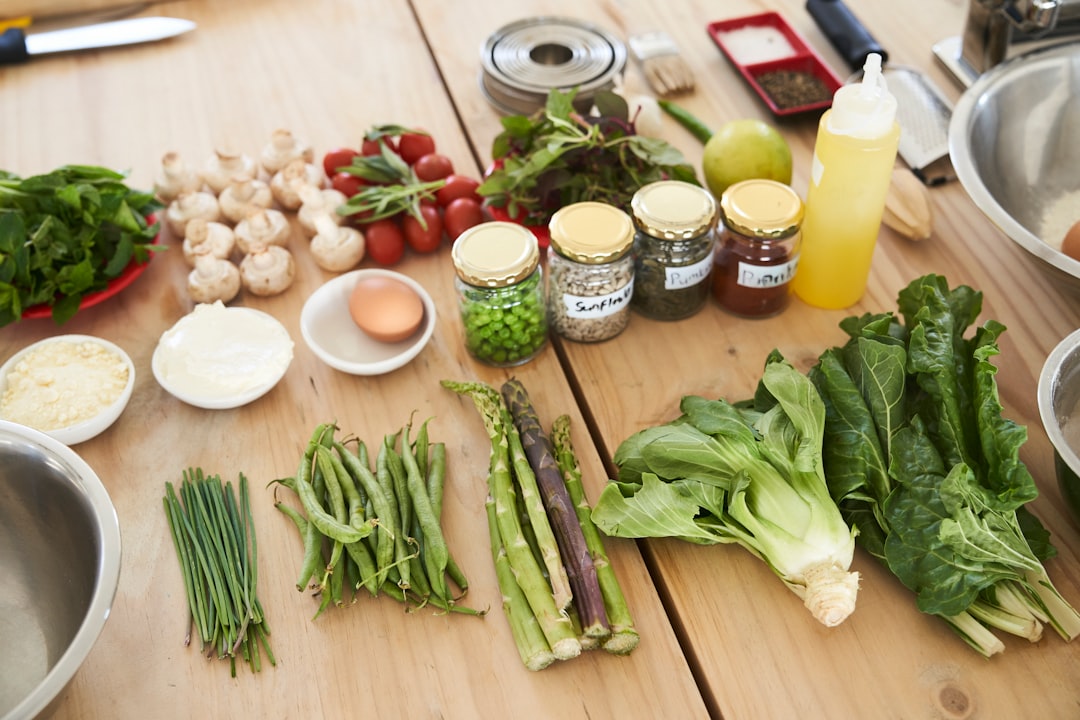
Instead of assembling full meals, you prepare individual building blocks in large batches: two proteins (e.g., grilled chicken tenders and crispy baked tofu), two carbohydrates (e.g., quinoa and roasted sweet potato wedges), two sheet pans of mixed vegetables, and two versatile dressings. During the week, you combine these elements into bowls, wraps, or salads in countless different ways. This is the gold standard for beginners because it eliminates meal boredom.
3. Ingredient Prep (Mise en Place)
If you prefer cooking fresh dinners every night, ingredient prep is your best friend. You chop all your aromatics (onions, garlic, peppers), wash and spin your greens, marinate your meats, and portion dry spices on Sunday. When 6:00 PM rolls around on a weeknight, your active cooking time drops from 45 minutes down to 15.
The 5 Golden Rules of Beginner Meal Prep
To keep your food safe, delicious, and appealing all week long, follow these fundamental rules from day one.
Rule 1: Adopt the 3-2-2 Formula
Do not try to prep for all seven days at once. Cook enough food on Sunday to cover 3 days of lunches, 2 days of dinners, and leave 2 nights open for leftovers, dining out, or quick pantry meals like a frittata. Prepping for the entire week in one go leads to spoiled produce and midweek food fatigue.
Rule 2: Master Food Safety and Storage Timelines
Cooked poultry, beef, and seafood do not last indefinitely. According to the USDA food safety guidelines on leftovers, cooked meat and poultry should be consumed within three to four days of refrigeration. If you prep on Sunday, plan to eat your cooked poultry and fish by Wednesday night, or freeze portions immediately for Thursday and Friday.
Rule 3: Keep Sauces and Dressings on the Side
The number one reason prepped vegetables turn to mush is premature dressing. Moisture breaks down cell walls in leafy greens and roasted vegetables. Always store sauces, vinaigrettes, and dips in separate small jars and drizzle them immediately before eating.
Rule 4: Invest in the Right Storage Containers
Ditch the flimsy, mismatched takeout tubs. High-quality glassware with locking airtight lids keeps food fresh up to 40% longer, prevents chemical leaching when microwaving, and allows you to reheat meals directly in the oven or microwave. Look for 3-cup rectangular glass containers with snap-lock silicone seals.
Rule 5: Prioritize Sturdy Vegetables
Not all produce reheats equally well. Delicate vegetables like sliced cucumbers, tomatoes, and raw spinach break down quickly once cut. For multi-day preps, lean into hardy vegetables that hold their texture: broccoli, cauliflower, Brussels sprouts, bell peppers, carrots, green beans, and kale.
The Step-by-Step 7-Day Blueprint
Here is your exact timeline for a smooth, stress-free week of eating well.
Friday: The 10-Minute Pantry & Menu Check
Do not go to the grocery store without checking what you already own. Take inventory of your grains, canned beans, spices, and freezer items. Pairing fresh ingredients with existing gut-healthy pantry staples drastically lowers your weekly grocery bill and clears shelf space.
Saturday: Targeted Grocery Shopping
Shop with a categorized list organized by store section (Produce, Meat, Bulk/Grains, Dairy, Frozen). Sticking to a structured list is the simplest trick for grocery shopping on a budget while avoiding impulsive junk food purchases.
Sunday: The 90-Minute "Power Hour" Prep
You do not need an entire afternoon. Set a timer for 90 minutes and use this sequential workflow:
- Oven First (Minutes 0–15): Preheat oven to 400°F (200°C). Chop two sheet pans of hardy vegetables (e.g., sweet potatoes, broccoli florets, and red onion). Toss with olive oil, salt, garlic powder, and smoked paprika. Slide them into the oven for 25–30 minutes.
- Stove Cooking (Minutes 15–35): Put a pot of brown rice or quinoa on the stovetop. While it simmers, season chicken breasts or thighs with a versatile spice blend and bake them on a third sheet pan, or brown lean ground turkey in a skillet.
- No-Cook Prep (Minutes 35–60): Whisk together a quick multi-purpose sauce (such as a creamy tahini-lemon dressing or a honey-soy-garlic glaze). Wash sturdy greens like romaine or shredded cabbage.
- Breakfast Prep (Minutes 60–75): Mix up four jars of overnight oats or prepare a batch of high-protein breakfast ideas like baked egg cups with spinach and feta.
- Cool & Pack (Minutes 75–90): Let cooked items cool to room temperature before snapping the lids shut. Placing hot food directly into sealed containers traps condensation, resulting in soggy textures.
Key Takeaway: Parallel processing is the secret to fast meal prep. While grains simmer and vegetables roast in the oven, you chop fresh produce and blend dressings. Never stand idle waiting for a timer to ring.
Wednesday Evening: The 15-Minute Mid-Week Reset
By Wednesday night, your initial batch of fresh prepped items is winding down. Take just 15 minutes to pull frozen pre-portioned meals into the fridge to thaw, or quickly boil a batch of pasta and toss it with your remaining prepped vegetables and sauce. This prevents the late-week takeout slide.
Sample 7-Day Beginner Meal Plan
Here is how a balanced week looks using the component prep strategy:
| Day | Breakfast | Lunch | Dinner |
|---|---|---|---|
| Monday | Berry & Chia Overnight Oats | Mediterranean Grain Bowl (Quinoa, Chicken, Cucumbers, Tahini) | Roasted Veggie & Turkey Hash |
| Tuesday | Berry & Chia Overnight Oats | Mediterranean Grain Bowl | Sheet Pan Chicken Fajitas with warm corn tortillas |
| Wednesday | Spinach & Feta Baked Egg Cups | Quinoa & Roasted Veggie Salad with Chickpeas | Fajita Leftovers |
| Thursday | Spinach & Feta Baked Egg Cups | Freezer-Stashed Turkey Chili | 15-Minute Garlic Olive Oil Pasta with prepped greens |
| Friday | Greek Yogurt with Walnuts & Honey | Leftover Garlic Pasta | Dinner Out / Social Night |
| Saturday | Fresh Scrambled Eggs & Avocado Toast | Quick Tuna & White Bean Salad | Homemade Flatbread Pizza |
| Sunday | Banana Oat Pancakes | Pantry "Clean-out-the-Fridge" Bowl | Power Hour Cooking Session for Next Week |
Troubleshooting Common Meal Prep Snags
Even with the best plans, beginner meal prep can present small hurdles. Here is how to sidestep the most common issues:
- "My food tastes bland on Day 3": Reheating meals dulls acidity and salt. Keep finishing elements on hand: a squeeze of fresh lemon juice, a splash of hot sauce, flaky sea salt, or fresh herbs added right after reheating will instantly revive muted flavors.
- "I hate eating the same thing twice": Use flavor transformations. Shredded roast chicken can be folded into corn tortillas with salsa on Monday, tossed into an Asian sesame-cabbage slaw on Tuesday, and stirred into a warm marinara pasta on Wednesday.
- "I don't have enough fridge space": Use silicone zip-top freezer bags for soups and bulk grains, which store flat and take up a fraction of the shelf space required by rigid containers.
Your Action Step for Today
Do not wait for next Sunday to overhaul your entire lifestyle. Successful implementation of meal prep for beginners starts with one small, low-friction win.
Today's Task: Open your refrigerator and pantry right now. Pick exactly one meal that causes you the most chaos—whether that is rushed weekday breakfasts or expensive desk lunches. Decide what single recipe you will prepare this week to eliminate that bottleneck, write down the ingredients, and pick up the items on your next grocery run. Master one meal category first, build momentum, and expand to full-week prep when you are ready.

Written by
Nibedita Basu
English graduate and social worker with a passion for creating a warm, happy, and meaningful life. I write about Home, Food, and Pets — sharing practical ideas, everyday inspiration, and simple joys that make life more comfortable, wholesome, and fulfilling.