You sit down for a nourishing dinner, clear your plate, and within twenty minutes, your waistband feels like a tourniquet. You aren't just comfortably full—your abdomen is tight, distended, and hard as a basketball. If you routinely find yourself unbuttoning your pants under the dinner table, you are far from alone.
Research indicates that up to 30% of healthy adults regularly experience severe abdominal distention following meals. While chronic gastrointestinal symptoms warrant professional evaluation, episodic post-meal heaviness often comes down to everyday eating mechanics and minor physiological bottlenecks. If you are looking for simple, proven ways to reduce bloating after eating, you do not need extreme detox teas or restrictive thirty-day cleanses. Instead, you need strategic, science-backed lifestyle adjustments that support your body's natural digestive cascade.
Key Takeaway: Postprandial bloating is rarely caused by food volume alone; it is typically driven by swallowed air, rapid fermentation of carbohydrates in the small intestine, or sluggish stomach emptying.
The Root Causes: Why Your Stomach Balloons After Eating
Before implementing fixes, it helps to understand what is physically occurring between your esophagus and your colon. Post-meal fullness generally stems from two distinct mechanisms:
- Aerophagia (Air Swallowing): Eating in a rush, drinking carbonated beverages, or talking while chewing causes you to swallow nitrogen- and oxygen-rich air, trapping pockets of gas directly in the upper stomach.
- Intestinal Gas Accumulation: When digestive enzymes or stomach acid fail to fully break down complex carbohydrates, proteins, or fats, lingering food particles travel further down the tract. Gut bacteria ferment these substrates, producing hydrogen, carbon dioxide, and methane gas as a metabolic byproduct.
Pair either of these issues with a sluggish migrating motor complex—the cleansing wave that sweeps food residue through your gut—and pressure builds, pushing the abdominal wall outward.
7 Science-Backed Hacks to Reduce Bloating After Eating
1. Take a 10-Minute Post-Meal Stroll
Your natural instinct after a heavy meal might be to collapse onto the couch. However, sitting slouched compresses the abdominal cavity, impairs diaphragmatic movement, and slows down gastric motility.
A simple, low-intensity 10-to-15 minute walk is one of the most effective mechanical interventions available. A gastrointestinal motility study published in PubMed demonstrated that light physical activity accelerates gastric emptying significantly faster than sitting quietly or resting. Faster gastric emptying moves food into the duodenum promptly, preventing stomach distention and assisting the downward movement of gas bubbles through the colon before they can pool and cause cramping.
2. Follow the "Liquids Sandwich" Strategy
Hydration is critical for digestion, but timing matters. Guzzling 24 ounces of ice water while eating dilutes your gastric juices—particularly hydrochloric acid (HCl) and pepsin—which are required to break down dense proteins.
To optimize digestion and reduce bloating after eating, try the liquid sandwich approach:
- Drink a generous glass of room-temperature water 20–30 minutes before your meal to stimulate digestive secretions and lubricate the tract.
- Limit fluid intake during the meal to small sips (no more than 4–6 ounces total).
- Wait at least 30 to 45 minutes after finishing your meal before resuming your normal water intake.
This simple windowing ensures your stomach acid maintains an optimal, highly acidic pH (between 1.5 and 2.5) to dissolve food quickly without creating a sluggish slurry.
3. Master the 20-Chew Mechanical Rule
Digestion does not begin in your stomach—it starts in your mouth. Teeth are the only mechanical grinders in your digestive system; your stomach has no teeth to compensate for swallowed chunks of whole food.
Chewing each mouthful 15 to 20 times achieves two critical digestive steps:
- Enzyme Saturation: Saliva contains alpha-amylase and lingual lipase, which initiate the immediate breakdown of starches and fats before food ever reaches your stomach.
- Reduced Aerophagia: Rushing your meals forces you to inhale air with every bite. Mindful, deliberate chewing reduces swallowed air by up to 60%.
Putting your fork down between bites can automatically slow your eating cadence and significantly take the burden off your lower GI tract.
4. Optimize High-FODMAP Foods and Fiber Intake
Fiber is essential for long-term health, but an abrupt increase in raw cruciferous vegetables or poorly prepared legumes can trigger massive gas production. Fermentable Oligosaccharides, Disaccharides, Monosaccharides, and Polyols (FODMAPs) pull water into the gut and ferment rapidly.
If you are exploring high-fiber meal prep strategies, avoid shocking your microbiome with massive bowls of raw kale, broccoli, or unsoaked beans. Instead, make these foods gentler on your digestive system:
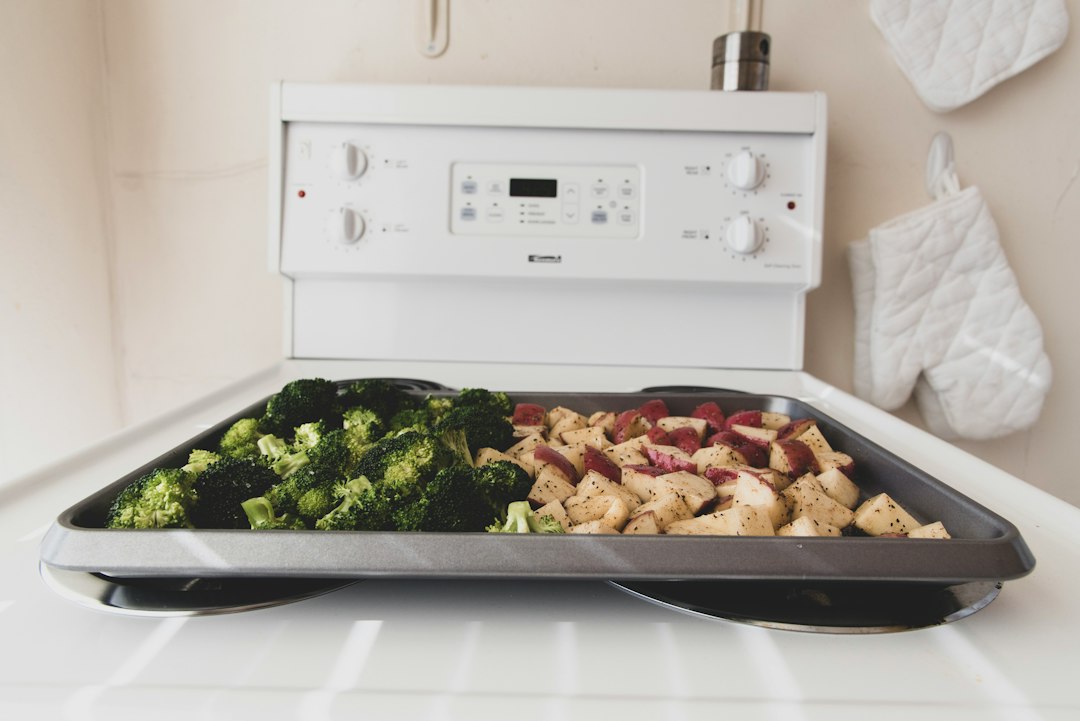
- Cook thoroughly: Steam, roast, or sauté vegetables to break down tough cellulose fibers before ingestion.
- Soak legumes: Soak dry beans with a pinch of baking soda for 12 hours and discard the soak water to strip out gas-causing oligosaccharides.
- Gradual titration: Increase dietary fiber by just 3 to 5 grams per week to allow your resident microbiome to adapt without painful fermentation spikes.
Key Takeaway: Raw vegetables require significantly more digestive work than cooked ones. If you frequently experience bloat after lunchtime salads, switch to roasted or steamed vegetables for one week to evaluate the difference.
5. Harness Digestive Bitters or Peppermint Carminatives
Carminatives are botanical substances that soothe intestinal muscles and disperse trapped gas. Two of the most reliable options are peppermint and herbal bitters.
Peppermint contains L-menthol, which exerts an antispasmodic effect on the smooth muscle of the gastrointestinal tract, allowing trapped air to pass easily rather than distending the intestinal lumen. Sipping a warm mug of pure peppermint or ginger tea 15 minutes after eating acts as a gentle, natural digestive aid.
Alternatively, placing a few drops of digestive bitters on your tongue 5 minutes before eating stimulates the vagus nerve, firing up saliva, stomach acid, and bile release before the first bite lands in your stomach.
6. Adopt the Left-Side Resting Position (When You Must Rest)
While walking is the ideal post-meal protocol, sometimes you need to rest. If you are experiencing acute discomfort, do not lay flat on your back or stomach.
Due to the asymmetrical, "J-shaped" anatomy of the human stomach, laying on your left side keeps the gastric junction elevated above the level of gastric contents. This anatomical position reduces acid reflux and aligns your stomach with the natural curvature of the transverse colon, facilitating the smooth transit of gas through the digestive circuit without pressure buildup.
You can also try a gentle yoga pose like Apanasana (knees hugged to chest) for two minutes to physically encourage trapped air along the descending colon.
7. Identify Latent Sensitivities with a Structured Journal
Sometimes bloating is not about how you eat, but subtle immunological or enzymatic mismatches. Common culprits include lactose (dairy sugar), fructose, gluten, or sugar alcohols (like erythritol and sorbitol found in keto treats).
Rather than cutting out entire food groups indiscriminately, keep a seven-day digestive log. Note what you ate, the preparation method, and your bloating severity on a 1–10 scale two hours post-meal. If patterns emerge around specific ingredients, consult an elimination diet guide for food intolerances alongside a registered dietitian to pinpoint the root trigger without compromising your nutrient diversity.
When Post-Meal Bloating Signals Something More
While occasional distention is normal after rich or rushed meals, persistent, painful bloating every single day is not. Ongoing bloating can point to conditions that require clinical intervention, such as:
- Small Intestinal Bacterial Overgrowth (SIBO): An overpopulation of bacteria in the small intestine that ferments food prematurely.
- Exocrine Pancreatic Insufficiency (EPI): Inadequate production of digestive enzymes.
- Irritable Bowel Syndrome (IBS): Visceral hypersensitivity where normal gas volumes cause acute pain.
If your bloating is accompanied by unintended weight loss, chronic diarrhea, blood in your stool, or severe nocturnal pain, consult a gastroenterologist promptly.
For everyday digestive sluggishness, supporting your foundational gut health makes all the difference. Investing time into improving your overall gut microbiome health through stress management, adequate sleep, and dietary diversity will steadily raise your threshold for digestive discomfort.
Your Action Step for Today
You do not need to overhaul your entire lifestyle at once to reduce bloating after eating. Start with just one actionable shift at your next meal:
The Next-Meal Protocol: Set a timer for 20 minutes before taking your first bite, chew every mouthful thoroughly, keep your water glass to small sips, and immediately head out the door for an easy 10-minute walk the moment you finish. Track how light your abdomen feels one hour later—your digestive tract will thank you.

Written by
Nibedita Basu
English graduate and social worker with a passion for creating a warm, happy, and meaningful life. I write about Home, Food, and Pets — sharing practical ideas, everyday inspiration, and simple joys that make life more comfortable, wholesome, and fulfilling.