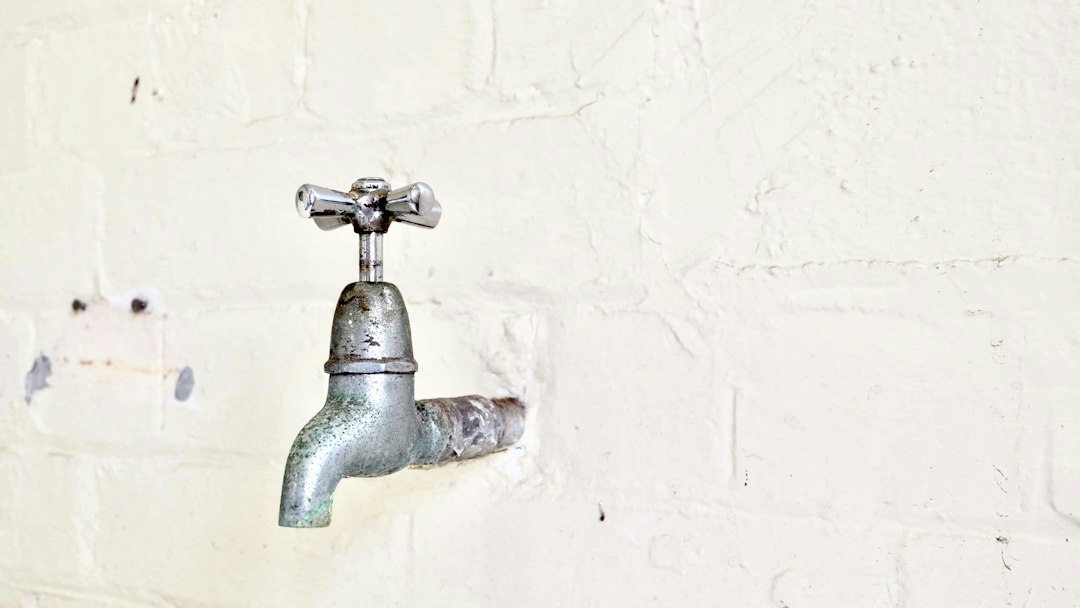
You turn off the bathroom faucet, and a sudden, violent thud echoes through your walls like someone kicked the baseboard. Or perhaps every time your washing machine fills, your basement pipes chatter like teeth in a snowstorm.
Plumbing noises are more than just an irritating background track to your daily routine. Unchecked pipe shuddering and pressure spikes can loosen joints, degrade pipe fittings, and eventually lead to catastrophic pinhole leaks inside your drywall. Fortunately, you rarely need to pay a contractor $150 an hour to solve it. In most cases, you can fix noisy water pipes yourself using basic tools and a few targeted adjustments.
Step 1: Diagnose the Noise (What Your Pipes Are Telling You)
Plumbing sounds are not all created equal. Before grabbing a wrench, listen closely to identify the exact sound your system produces, when it happens, and where it originates.
1. The Loud Bang or Clunk (Water Hammer)
A sharp, metallic thump that occurs immediately after a valve abruptly shuts off—such as when a toilet finishes filling, a dishwasher cycles, or you quickly shut off a single-handle faucet—is known as water hammer. Water has mass and velocity; when running at full force through pipes at 40 to 60 pounds per square inch (PSI), suddenly slamming a valve closed causes that kinetic energy to slam into the pipe walls, creating a shockwave.
2. The High-Pitched Whistle or Screech
A piercing whine or squeal usually indicates restricted flow or excessive water pressure forcing liquid through a narrow opening. Common culprits include a partially closed main shut-off valve, a worn-out washer in a faucet cartridge, or mineral buildup inside an aging pressure regulator valve (PRV).
3. The Rhythmic Ticking or Clicking
If you hear a steady tick-tick-tick after running a hot shower or draining a tub, the issue is almost never water pressure. Instead, it is thermal expansion. Copper and CPVC hot water lines expand when heated and contract as they cool. As the pipe swells, it rubs against wooden studs, joists, or plastic support hangers, producing a rhythmic clicking sound.
4. The Rapid Chattering or Vibration
A prolonged rattling or buzzing sound while water is actively running points to loose pipes. Plumbing lines require support at specific intervals. If a mounting strap has snapped or pulled away from the framing, the turbulence of running water will cause the unsecured span of pipe to vibrate violently against the framing.
Key Takeaway: Pinpoint the symptom before attempting a repair. A single loud bang indicates a hydraulic shockwave (water hammer), high squeals point to excessive pressure or worn valves, and steady clicking is simply thermal friction.
How to Fix Water Hammer (The 15-Minute Air Chamber Reset)
Older homes were built with vertical dead-end pipes called "air chambers" installed near fixtures. These vertical stubs trap a pocket of air that acts as a shock absorber. Over time, that trapped air dissolves into the water, flooding the chamber and eliminating the cushion.
The simplest method to fix noisy water pipes caused by water hammer is to drain your entire plumbing system to replenish these built-in air cushions. You need zero tools for this fix.
- Shut off your main water supply: Locate your home's main water shutoff valve (typically in the basement, utility closet, or near the street curb) and turn it completely off.
- Open the highest faucet: Go to the highest floor of your home and turn on the top-floor sink faucets (both hot and cold). This allows air to enter the lines.
- Drain from the lowest point: Open the lowest faucet in your house—usually an outdoor hose bib, basement laundry sink, or basement utility tub. Let all the water drain out completely until flow stops.
- Close all open taps: Once the lines are empty, close every faucet you opened, starting from the lowest level up to the top.
- Restore the water supply slowly: Turn your main water shutoff valve back on slowly to prevent sudden surges. As the pipes refill, air will be pushed back into the vertical chamber stubs, creating fresh air cushions. Expect some sputtering from faucets for the first 30 seconds of use.
If you perform regular home updates, consider pairing this reset with a quick step-by-step home plumbing inspection to check for hidden valve drips around laundry stations and under-sink cabinets.
Mechanical Fixes for Persistent Banging and Shaking
If draining the lines does not resolve the thumping—especially on modern appliances like fast-acting washing machines—you need dedicated mechanical hardware.
Install Screw-On Water Hammer Arrestors
Modern homes use mechanical water hammer arrestors rather than plain copper air chambers. These small, sealed cylinders contain a spring-loaded piston that cushions hydraulic shockwaves indefinitely without waterlogging.
According to this comprehensive Family Handyman guide on stopping water hammer, adding screw-on arrestors directly to laundry supply valves is the fastest permanent fix for machine-induced pipe banging.
- Turn off the hot and cold valves behind your washing machine.
- Disconnect the washing machine supply hoses from the wall bibs.
- Screw a mini water hammer arrestor (available at any hardware store for under $15) directly onto each supply valve.
- Thread your washing machine hoses onto the ends of the arrestors and hand-tighten, followed by a quarter-turn with pliers.
This ten-minute modification is one of the most reliable ways to fix noisy water pipes tied to washing machines or dishwashers.
Secure Loose Pipe Runs with Insulated Straps
If your pipes rattle whenever any fixture runs, head to your basement or crawl space while an assistant turns taps on and off. Look for long spans of copper or PEX tubing that swing or vibrate.
- Ditch rigid metal clamps: Fastening copper pipes directly to wood with bare metal straps causes acoustic amplification. Instead, replace them with plastic suspension clamps or rubber-lined pipe brackets.
- Add support intervals: Copper pipes should be supported every 6 to 8 feet; PEX tubing needs support every 32 inches horizontally. Add clamps wherever unsupported runs exceed these lengths.
- Use foam pipe sleeves as buffers: Where pipes pass through wooden studs or floor joists, insert half-inch polyethylene foam pipe insulation or rubber shims around the pipe to prevent direct contact with structural wood.
Silencing Whistling and Squealing (Pressure Management)
If your pipes whistle, vibrate like a tuning fork, or produce extreme volume when water runs, your home's water pressure is likely running too high. While high pressure feels great in the shower, residential plumbing is designed to operate between 40 and 60 PSI. Pressure exceeding 75 to 80 PSI damages fixtures, wastes water, and causes noisy cavitation.
How to Test and Adjust Your Water Pressure
- Buy an inexpensive water pressure gauge (around $10) that screws onto an outdoor hose spigot or laundry tub thread.
- Ensure no other water is running in the house, then open the spigot fully and read the dial.
- If the reading exceeds 70 PSI, locate your Pressure Reducing Valve (PRV)—a bell-shaped brass fitting situated near your main water shutoff.
- Loosen the locknut on the PRV adjustment screw with an adjustable wrench.
- Turn the central screw counterclockwise (to lower pressure) by two full turns.
- Re-test the pressure at the hose bib. Adjust incrementally until your baseline reads between 50 and 60 PSI, then tighten the locknut.
Controlling baseline pressure not only stops whistling pipes, but it also protects water heater tanks and improves whole-house efficiency. Pair this with lowering home water heating costs to make your utility setup safer and more economical.
Stopping the Creaking and Ticking of Hot Water Lines
When you need to fix noisy water pipes that tick or creak only when hot water runs, focus on thermal management rather than water flow mechanics.
- Wrap lines in split-foam insulation: Cover exposed hot water lines in your basement, crawlspace, or utility room with self-sealing closed-cell foam tubing. This keeps the pipe at a more stable temperature, reducing the rate and severity of rapid expansion cycles.
- Loosen overtightened clamps: If a pipe bracket is clamped down with excessive force, the expanding copper cannot glide smoothly. Back the mounting screws out slightly so the pipe can expand linearly along its axis without snagging against joists.
- Enlarge restrictive stud penetrations: If you have access to unfinished walls, check where hot water pipes pass through framing holes. If the pipe is wedged tightly against wood, carefully relieve the pressure by inserting a small felt strip or rubber washer between the pipe and the wood notch.
Key Takeaway: Never use bare metal clamps or rigid fasteners to pull hot water pipes tight against wood framing. Hot water pipes require flexibility to expand and contract smoothly without grabbing the wood.
Your Noise-Busting Action Plan for Today
You don't need a weekend-long overhaul to restore quiet to your home. Take these three quick steps today:
- Conduct a 2-minute sound test: Turn off all appliances and systematically open and close each faucet, flush toilets, and note exactly which actions trigger bangs, whistles, or clicks.
- Perform the whole-house air chamber reset: Shut off the main valve, drain the system from your lowest faucet with your top faucets open, and refill slowly. This resolves over 60% of sudden banging issues in under 15 minutes.
- Inspect exposed runs: Walk your basement or utility room with a flashlight and add cushioned pipe straps or foam sleeves to any pipe that wobbles when touched.
Adding these quick adjustments to your practical DIY home maintenance checklist ensures your plumbing remains quiet, secure, and leak-free for years to come.

Written by
Nibedita Basu
English graduate and social worker with a passion for creating a warm, happy, and meaningful life. I write about Home, Food, and Pets — sharing practical ideas, everyday inspiration, and simple joys that make life more comfortable, wholesome, and fulfilling.