Every month, the average household burns through hundreds of kilowatt-hours of electricity that nobody actually uses. Lights illuminate empty hallways, air conditioners blast cold air into vacant living rooms, and televisions in standby mode quietly sip power all night long.
According to federal data, phantom energy loads alone account for up to 10% of standard residential electric use. But fixing these leaks doesn't mean tiptoeing around in the dark or constantly patrolling your rooms to flick off switches. Instead, setting up energy efficient home automation allows your living space to intelligently manage its own consumption—keeping you comfortable while quietly driving down your utility bills.
You don't need an engineering degree or thousands of dollars in commercial-grade hardware to get started. By focusing on high-impact zones like climate control, lighting, and idle power draw, you can build an automated, eco-friendly home step by step.
Key Takeaway: The goal of home automation isn't just convenience—it is precision. Automating your home ensures appliances and climate systems run only when needed, eliminating waste without sacrificing daily comfort.
The Low-Hanging Fruit: Smart Climate Management
Heating and cooling make up roughly 50% of the average home's energy consumption. If you want to see an immediate drop in your monthly bill, your HVAC system is the place to start.
1. Upgrading to a Smart Thermostat
Traditional programmable thermostats were a step in the right direction, but their clunky interfaces mean most homeowners never set them up correctly. Smart thermostats solve this by learning your daily schedule, adjusting temperatures via geofencing (detecting when your phone leaves the house), and letting you make adjustments from anywhere.
The U.S. Department of Energy reports that homeowners can save as much as 10% a year on heating and cooling simply by turning their thermostat back 7°–10°F from its normal setting for eight hours a day. A smart thermostat automates this entire process so you never have to think about it.
2. Smart Temperature Routines to Set Up First
- The "Away" Eco-Setback: Configure your system to automatically shift into an eco-friendly temperature band (e.g., 78°F in summer, 62°F in winter) 15 minutes after the last person leaves the house.
- Sleep Optimization: Program the thermostat to lower temperatures 30 minutes before bedtime. Cooler bedroom temperatures not only promote deeper sleep cycles but also reduce nighttime furnace load.
- Pre-Cooling or Pre-Heating: If your utility provider charges time-of-use (TOU) rates, schedule your system to aggressively cool or warm the home during off-peak morning hours before peak afternoon electricity pricing begins.
Pairing your thermostat with a comprehensive home energy audit checklist will help you pinpoint whether drafty windows or poor attic insulation are counteracting your smart temperature settings.
Eliminating Vampire Draw with Smart Plugs and Power Strips
Even when turned off, many modern electronics—gaming consoles, sound systems, desktop monitors, microwave displays, and coffee makers—remain in a low-power standby mode. This "vampire draw" quietly adds $100 to $200 to your electric bill each year.
Strategic deployment of smart plugs is one of the most cost-effective entry points for energy efficient home automation.
Where Smart Plugs Make the Biggest Difference
- Home Entertainment Centers: AV receivers, subwoofers, streaming devices, and consoles draw steady power 24/7. Connecting your entire entertainment hub to a smart power strip allows you to cut power entirely during work hours and overnight.
- Home Office Stations: Set a schedule that kills power to external monitors, printer docks, and desk lighting at 6:00 PM on weekdays and keeps them off through the weekend.
- Secondary Refrigerators & Coolers: Use heavy-duty smart plugs equipped with energy monitoring to track exactly how much power that spare garage fridge consumes. If it's a legacy model from 15 years ago, the data might reveal it is costing you more to run than it would to replace.
Pro Tip: Look for smart plugs featuring built-in energy monitoring. These report real-time wattage directly to your smartphone app, letting you identify the biggest energy hogs in your living room.
Intelligent Lighting: Motion, Scheduling, and Daylight Harvesting
LED bulbs already consume 75% less energy than old incandescents, but pairing LEDs with smart sensors turns standard lighting into an active conservation tool. Implementing energy efficient home automation across your lighting requires three simple components: schedules, motion triggers, and ambient light adjustments.
1. Occupancy and Motion Sensors
Installing wireless motion sensors in transitional spaces ensures lights never stay on in unoccupied rooms. High-yield spots include:
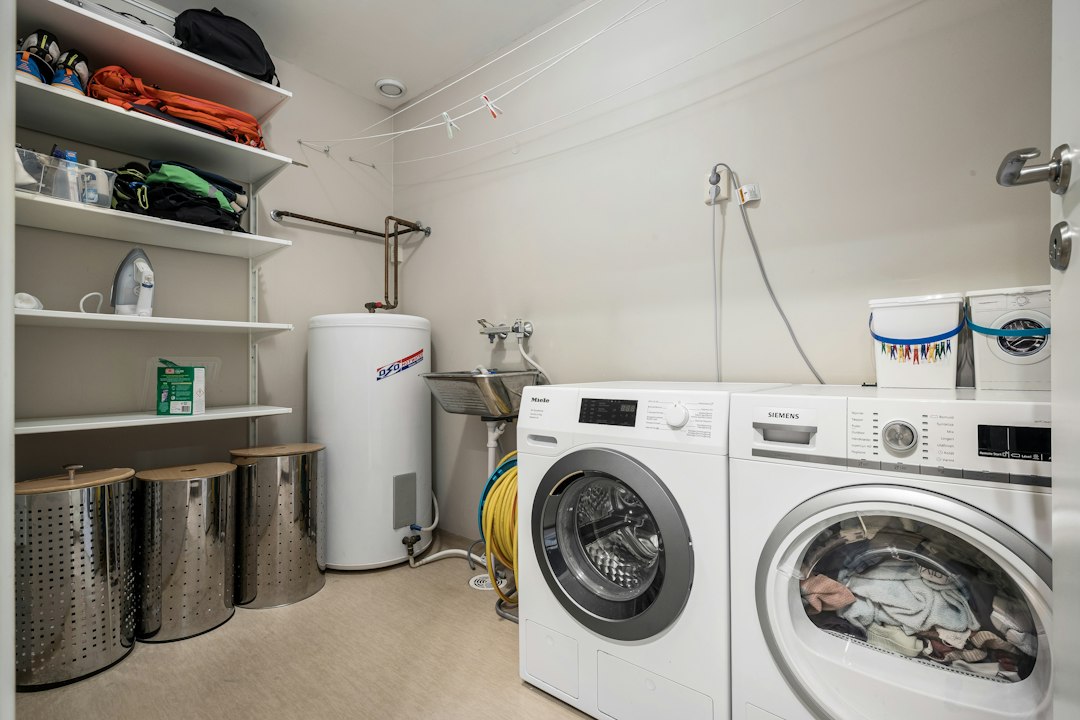
- Walk-in pantries and laundry rooms
- Basements, attics, and garages
- Hallways and guest bathrooms
Set a short 3- to 5-minute timeout. If no motion is detected after that window, the lights shut off automatically.
2. Sunset/Sunrise Scheduling
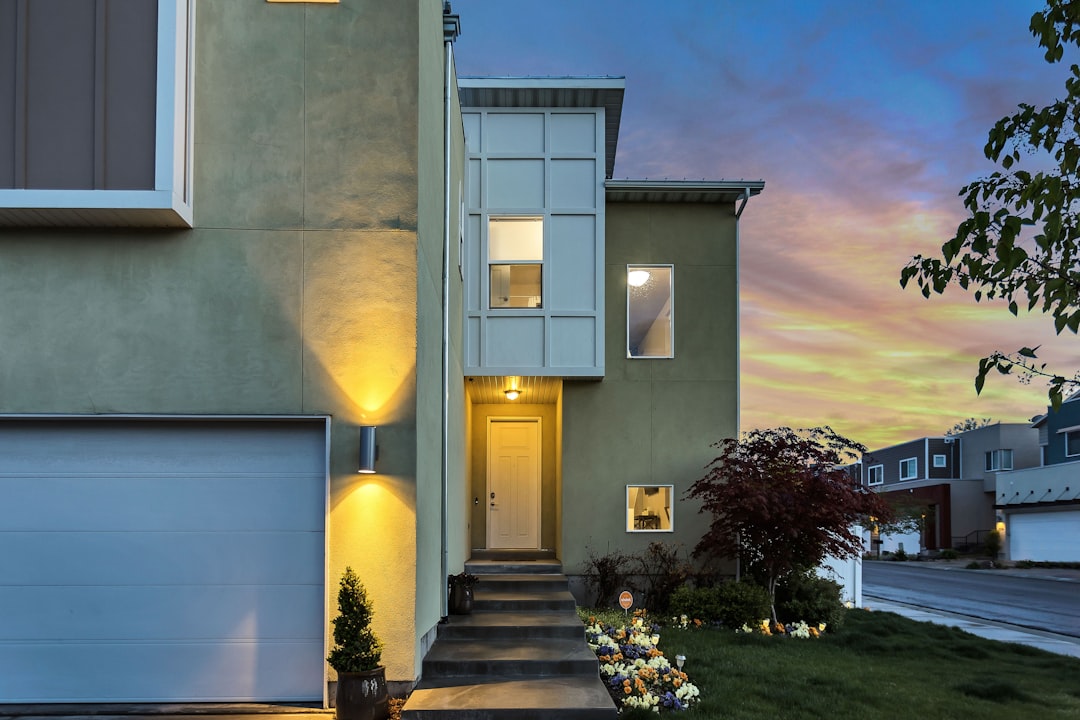
Instead of manually flicking on porch, landscape, or foyer lights every evening, set an automated routine keyed to civil twilight (local sunset). Your smart hub updates this schedule daily as the seasons change, preventing exterior fixtures from burning uselessly during bright summer evenings or overcast mornings.
3. Smart Window Treatments (Daylight Harvesting)
Automated smart shades can significantly cut heating and cooling burdens by reacting to solar heat gain. If you live in a sunny climate, set motorized blinds to close automatically across south- and west-facing windows during peak afternoon hours in summer. In winter, reverse the rule: open shades wide on sunny mornings to capture passive solar warmth for free.
If you are exploring broader hardware setups, check our guide to essential smart home devices for beginners to ensure your hubs, sensors, and bulbs communicate seamlessly on the same wireless protocol.
Step-by-Step: Three Daily Automation Routines to Build First
The true power of energy efficient home automation comes from grouping individual devices into cohesive "scenes" or routines. Here are three simple routines you can configure inside Apple Home, Google Home, Amazon Alexa, or Home Assistant in less than twenty minutes:
- The "Leaving Home" Routine (Trigger: Geofence or Smart Lock):
- Thermostat switches to Eco Mode (+4°F in summer, -6°F in winter).
- All interior smart lights and decorative accent lighting turn off.
- Smart plugs controlling office monitors and media consoles power down.
- Motorized blinds close to minimize solar heat transfer.
- The "Goodnight" Routine (Trigger: Voice Command or Scheduled Time):
- Main floor lights turn off; bedside lamps dim to 10% for reading, then extinguish after 30 minutes.
- Thermostat drops to optimal sleeping temperature.
- Non-essential charging stations and entertainment center smart plugs shut off until 6:00 AM.
- The "Vacation / Extended Away" Mode (Trigger: Manual Toggle in App):
- HVAC maintains a safe minimum/maximum baseline to protect pipes and indoor plants (e.g., 55°F winter, 85°F summer).
- Water heater circulation pumps or smart water heaters enter standby.
- A random "lived-in" lighting pattern runs for 45 minutes each evening for security without wasting power all night.
Overcoming Common Pitfalls
While adopting energy efficient home automation brings clear benefits, a few common mistakes can dampen your return on investment:
- Buying too many Wi-Fi devices at once: Budget Wi-Fi smart bulbs can crowd your home router and drain small amounts of constant standby power. For larger setups (20+ devices), consider protocols like Zigbee, Z-Wave, or Thread/Matter that use ultra-low transmission power and create mesh networks.
- Overcomplicating the setup: If family members or roommates cannot figure out how to turn on a lamp with a standard wall switch because of a complex rule, they will bypass your smart system entirely. Look for smart switches or smart buttons that preserve manual physical controls alongside your automated logic. For more ways to optimize your living space efficiently, explore our guide on sustainable home maintenance habits.
- Neglecting passive energy conservation: No smart routine can compensate for unsealed door sweeps or single-pane window drafts. Use automation to complement—not replace—solid insulation and weatherization habits.
Take Action Today: Your 15-Minute Starting Step
You don't have to overhaul your entire house this weekend to see real results. Start with a single, high-friction problem area.
Your task for today: Pick one multi-device zone in your house that stays plugged in constantly—such as your home office desk or TV media center. Order a reliable smart plug with built-in energy monitoring or a timed smart strip. Plug your equipment in, configure an automatic shutdown schedule between 10:00 PM and 6:00 AM, and check your companion app in one week to see exactly how much standby power you prevented from burning away.

Written by
Nibedita Basu
English graduate and social worker with a passion for creating a warm, happy, and meaningful life. I write about Home, Food, and Pets — sharing practical ideas, everyday inspiration, and simple joys that make life more comfortable, wholesome, and fulfilling.