You walk into your home after a long day, hoping to unwind on the sofa, but your foot lands squarely on a rogue plastic dinosaur. The coffee table is piled high with picture books, the rug bears an enigmatic juice stain, and your once-curated aesthetic feels completely buried under primary-colored plastic.
It is one of the most common parenting dilemmas: do you sacrifice your personal style for the next decade, or do you fight an exhausting, daily battle against toy chaos? Fortunately, you do not have to settle for living in a makeshift daycare. Creating a kid-friendly living room does not mean giving up sophisticated design, clean lines, or beautiful materials. It simply means choosing pieces that work twice as hard.
By rethinking upholstery, mastering stealth storage, and structuring your layout around how real humans (both big and little) use the space, you can design a room that feels elevated for evening entertaining and resilient enough for afternoon fort-building.
Key Takeaway: A truly successful family space balances durability with beauty. If a piece requires constant policing or warnings to your children, it does not belong in your everyday shared living space.
1. Choose Indestructible (Yet Chic) Upholstery and Finishes
The sofa is the anchor of your living room, and in a home with children, it is also a trampoline, a snack bar, and an art studio. Opting for the wrong fabric can turn your investment piece into a source of constant stress.
The Power of Performance Fabrics
Gone are the days when durable meant stiff, plastic-feeling vinyl. Modern performance fabrics—such as Crypton, Revolution, and commercial-grade polyester blends—are engineered to resist stains, moisture, and odors without sacrificing a soft hand-feel.
- Performance Velvet: Surprisingly resilient, easy to wipe down with a damp microfiber cloth, and has no loose weave for pet claws or toy edges to snag.
- Tightly Woven Blends: Look for fabrics treated with water-resistant technology where liquids bead on the surface rather than soaking into the cushion core.
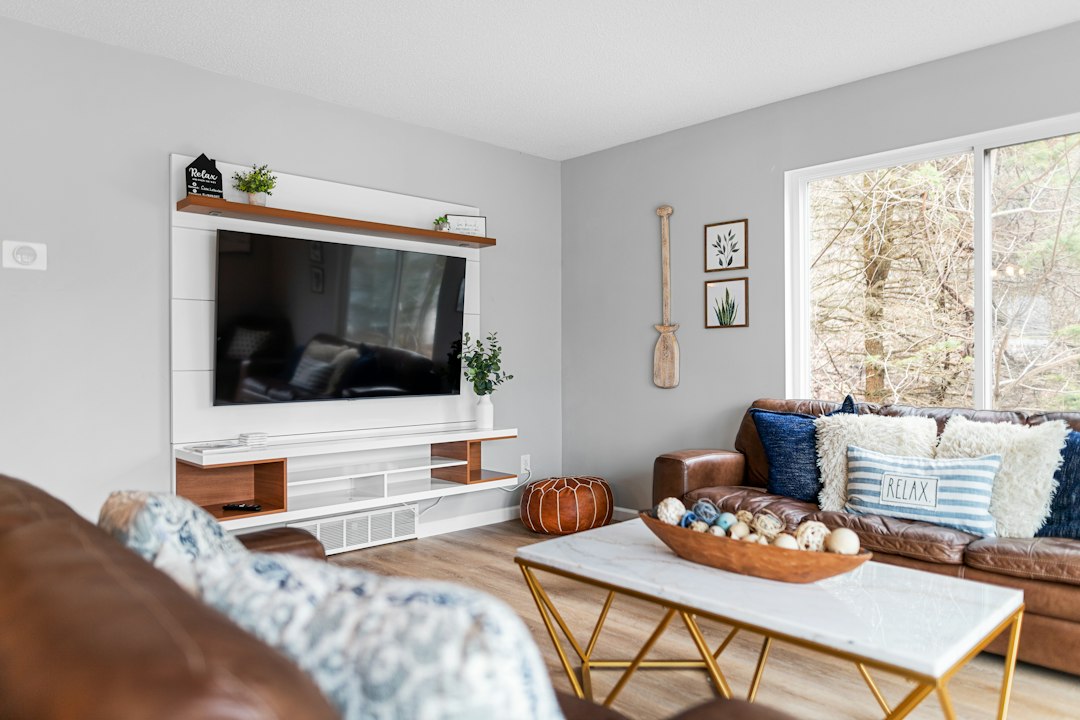
- Top-Grain Distressed Leather: Unlike delicate aniline leather, distressed leather actually looks better with age. Small scratches and minor scuffs simply add to its vintage patina.
If purchasing a new sofa is not in the budget, high-quality, custom-fit slipcovers made from heavy linen or pre-washed cotton canvas offer a smart alternative. When spills happen, you can strip them off and toss them into the washing machine along with your regular non-toxic house cleaning routines.
Soft Curves Over Sharp Edges
Tearful collisions with sharp furniture corners are an almost daily hazard with toddlers. Instead of sticking unsightly foam corner guards on a glass coffee table, design around safety from the start.
Swap rectangular tables for round or oval silhouettes. A large, upholstered circular ottoman makes a wonderful coffee table substitute. Top it with a heavy wood or metal tray to hold your drinks and books; when the kids want to jump or play, simply move the tray to a shelf.
2. Master the Art of Stealth Storage
Visual clutter is the primary culprit that destroys a room’s grown-up vibe. The secret to maintaining a streamlined kid-friendly living room is implementing storage solutions that camouflage toys in plain sight.
Closed Cabinetry Over Open Cubes
Open shelving units filled with plastic bins still project visual noise. Instead, lean into closed cabinetry that matches your architectural style.
- Sideboards and Credenzas: A mid-century modern credenza or a classic Scandinavian sideboard provides deep shelving behind closed doors. Use canvas inserts inside to separate blocks, puzzles, and art supplies.
- Built-In Bench Seating: Window benches with flip-top lids or pull-out deep drawers can swallow an astonishing volume of stuffed animals and dress-up clothes.
- Storage Benches and Ottomans: A handsome leather bench at the foot of a sofa provides extra seating while double-acting as a toy chest. Explore clever functional small-space furniture ideas to maximize every square foot.
The 10-Minute Basket Strategy
Children naturally migrate to where their parents are, which means toys will inevitably end up on your rug. Rather than fighting this instinct, create an easy drop zone. Large, structured baskets made of braided rope, rattan, or felt look intentional tucked beside a media console or an armchair.
Before bedtime, initiate a fast "sweep-and-dump" session. Getting toys off the floor takes less than three minutes when the container is right there, allowing you to reclaim your living space for the evening hours.
3. Choose Floor Coverings and Walls Built for Daily Wear
Your floors and walls take the brunt of family life. Designing a resilient foundation keeps maintenance low and longevity high.
Rugs: Patterns, Fibers, and Washability
A pristine, high-pile cream shag rug is an open invitation to disaster. To preserve your sanity, look for floor coverings that can handle heavy foot traffic, accidental juice spills, and dropped markers.
- Machine-Washable Rugs: Brands with lightweight, two-piece systems allow you to roll up a 9x12 rug and run it through a standard washing machine.
- Low-Pile Vintage or Overdyed Patterns: Intricate vintage-inspired Persian or Turkish patterns are masters of disguise. They naturally mask light wear and minor spots while delivering rich texture.
- Polypropylene / Indoor-Outdoor Rugs: Outdoor-rated rugs designed for interior use are fade-resistant, extremely tough, and can even be hosed down in the backyard if needed.
Wipeable, Healthier Wall Finishes
Flat and matte paints absorb liquids and oils, making crayon marks or greasy handprints nearly impossible to scrub out without removing the paint itself. For living room walls in family homes, a satin or eggshell finish provides the ideal balance: low enough sheen to hide drywall imperfections, but hard enough to wipe clean with a sponge.
Additionally, pay attention to off-gassing when redecorating shared rooms. The EPA notes that volatile organic compounds (VOCs) can concentrate indoors up to ten times higher than outdoors, making zero-VOC or ultra-low-VOC paints the safest bet for children and pets.
Key Takeaway: High-traffic family zones benefit dramatically from eggshell paint sheens and low-pile patterned rugs, which camouflage micro-scratches and clean up effortlessly.
4. Implement the "Two-Zone" Decorative Strategy
You do not need to banish all delicate decor, glass vases, or curated accents to the attic. You just need to apply intentional vertical zoning.
The Under-36-Inch Zone: Indestructible Utility
Everything below 36 inches (the average reach of a standing toddler or active young child) must be durable, safe, and touch-friendly:
- Solid wood, metal, or upholstered furniture pieces
- Heavier decorative items like chunky wooden bowls or stone bookends
- Canvas storage baskets and soft throw pillows with removable, washable covers
- Sturdy side tables with wide, weighted bases that cannot tip over easily
The Over-36-Inch Zone: Refined Personal Style
Keep your favorite fragile treasures in the top half of the room. This is where your design aesthetic can shine without compromise:
- Floating Wall Shelves: Display ceramics, delicate plants, framed art, and taper candles well out of arm's reach.
- Statement Wall Art & Sconces: Use wall-mounted lighting rather than unstable floor lamps with tempting cords. Anchor large mirrors and frames securely with drywall anchors.
- High Mantels and Tall Bookshelves: Use higher shelving units to anchor your favorite hardcovers, sculptures, and architectural accents. Combine this with structured practical living room organization systems to keep high shelves uncluttered.
5. How to Layer Warmth and Personality Without the Clutter
Often, rooms designed specifically for children end up feeling sterile because parents strip everything away for safety. To retain warmth and character in your kid-friendly living room, rely on rich textures rather than breakable objects.
Incorporate chunky knit throws, linen drapery panels hung just above the floor, ribbed wood paneling, and matte brass hardware. These elements create visual depth and sophistication, ensuring your living room feels layered and inviting rather than bare.
Take Action Today: The 20-Minute Safety and Style Audit
Transforming your space into an elegant, family-ready sanctuary does not have to happen overnight. You can make an immediate, noticeable impact today with a simple 20-minute audit:
- Get on eye level: Crouch down to your child’s height and scan your main seating area. Identify unstable tables, exposed electrical cords, or fragile objects sitting below waist height.
- Relocate three fragile items: Move your favorite delicate decor pieces to higher wall shelving, the fireplace mantel, or a closed display cabinet.
- Designate one "catch-all" basket: Place a sturdy, attractive woven basket in the corner near your media console. Make it the dedicated home for stray toys before winding down tonight.
By setting clear functional zones and choosing materials built for everyday life, you will enjoy a stylish, calm living space that welcomes your family’s real-life messes—without letting them take over your home.

Written by
Nibedita Basu
English graduate and social worker with a passion for creating a warm, happy, and meaningful life. I write about Home, Food, and Pets — sharing practical ideas, everyday inspiration, and simple joys that make life more comfortable, wholesome, and fulfilling.