Nobody wakes up on a Saturday morning excited to scrub shower tiles. In fact, bathroom cleaning consistently ranks among the most dreaded household chores—and for good reason. Traditional methods demand vigorous scrubbing, noxious chemical fumes, and awkward gymnastics inside a damp, cramped enclosure just to battle stubborn soap scum, hard water mineral deposits, and pink biofilm.
Here is the good news: getting a gleaming, spa-grade shower doesn't require endless elbow grease. By taking advantage of basic chemical reactions and automated daily habits, you can let cleaning agents do 95% of the heavy lifting while you get on with your life. These tested, easy shower cleaning hacks eliminate the friction, keeping your shower sparkling clean with minimal physical effort.
Key Takeaway: Shower cleaning becomes effortless when you shift from reactive scrubbing to proactive prevention. Using chemical dwell time and daily moisture reduction keeps mineral scale and mildew from anchoring to your surfaces in the first place.
Why Traditional Shower Cleaning Fails (And Why Passive Cleaning Wins)
Most people clean their showers reactively. They wait until the glass doors become opaque with hard water deposits, or until the corners turn orange with bacterial biofilm, before grabbing a sponge and scrubbing frantically. This approach is inefficient because mineral deposits (calcium and magnesium) bond tightly with fatty acids from bar soap, creating a concrete-like film known as soap scum.
When you scrub mechanically, you are trying to physically grind away mineralized crystals. A smarter strategy is passive cleaning—applying the right low-effort solutions, letting chemical "dwell time" break molecular bonds, and rinsing grime down the drain before it ever has a chance to solidify.
The Chemistry of Soap Scum vs. Hard Water
To clean lazily, you must understand your opponent:
- Soap Scum: A combination of body oils, sloughed skin cells, and animal fats found in traditional bar soaps combined with tap minerals. Because it is alkaline, it dissolves rapidly under mild acids like white vinegar or citric acid.
- Hard Water Scale: Crusty white deposits left behind when evaporated water leaves dissolved calcium carbonate behind. Like soap scum, it surrenders quickly to acidic solutions without any scrubbing.
- Mildew and Biofilm (Serratia Marcescens): The pinkish or black slime in tile grout thrives in wet, stagnant environments. According to the EPA guide on mold and moisture control, managing indoor moisture and airflow is the single most effective way to prevent biological growth from colonizing bathroom surfaces.
5 Lazy & Easy Shower Cleaning Hacks That Do the Work for You
Put down the scouring pads and harsh bleach sprays. The following easy shower cleaning hacks rely on smart physics, cheap household staples, and passive timing.
1. The Soap-Dispensing Dish Wand Trick
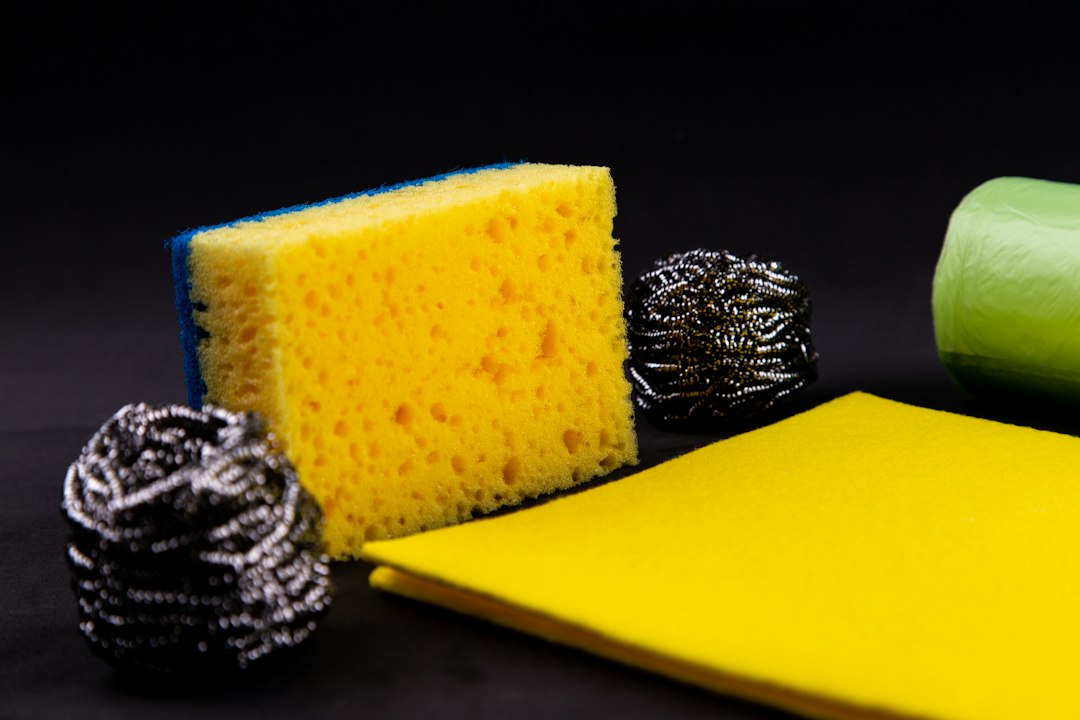
This single hack saves more time than almost any other home cleaning tip. Keep an inexpensive refillable dish wand (the kind with a sponge head and hollow handle) hanging directly inside your shower stall.
- The Formula: Fill the handle with equal parts blue liquid dish soap (like Dawn) and distilled white vinegar.
- How to Use: While you're waiting for your hair conditioner to sit for two minutes, grab the wand and do a quick 30-second swipe across the walls and glass. The dish soap cuts through body grease while the vinegar dissolves fresh mineral film.
- The Finish: Rinse it down with the shower spray before you step out. Zero dedicated cleaning sessions required.
If you enjoy streamlining your routines, explore our guide to non-toxic homemade cleaning recipes for more time-saving solutions throughout your home.
2. The Overnight Showerhead Bag Soak
If your showerhead sprays in random directions or has crusted white buildup around the nozzles, do not waste time scrubbing each individual jet with an old toothbrush. Let gravity and chemistry solve it while you sleep.
- Pour one cup of warm distilled white vinegar into a sturdy sandwich-sized zip-top plastic bag.
- Slip the bag over the showerhead until the spray nozzles are completely submerged.
- Secure the bag tightly around the neck with a rubber band or zip tie.
- Leave it overnight (or for at least 4 to 6 hours). If your fixture has a delicate brass or nickel finish, limit the soak to 45 minutes to prevent tarnish.
- Remove the bag in the morning, turn on the hot water to flush out dissolved minerals, and wipe the faceplate with a cloth. It will spray like brand new.
3. The "Zero-Rinse" Daily Misting Spray
One of the most effective easy shower cleaning hacks is stopping residue before it dries. When you step out of a hot shower, the walls are warm, moist, and primed for quick cleaning. A DIY preventative daily shower spray keeps surfaces pristine for months between deeper refreshes.
Mix this formula in a standard spray bottle:
- 1.5 cups distilled water
- 1/2 cup 70% isopropyl rubbing alcohol (accelerates drying and prevents water spots)
- 1/2 cup distilled white vinegar (or 1 tablespoon hydrogen peroxide if you have natural stone tiles)
- 1 teaspoon liquid rinse aid (the kind used in dishwashers to break surface tension)
- 5–10 drops tea tree or eucalyptus essential oil (optional, for scent and antimicrobial properties)
Give the wet walls and glass doors a light misting right before you exit the bathroom. No wiping, scrubbing, or rinsing necessary. The solution prevents water droplets from beading and leaves zero residue.
4. Treat Glass Doors with Hydrophobic Water Repellent
Why clean glass repeatedly when you can make water slide off automatically? Windshield water repellents (such as Rain-X for glass) or specialized ceramic coatings create a microscopic hydrophobic barrier on shower doors.
Apply the treatment to clean, dry glass once every three to four months. Water droplets will sheet off into the drain rather than lingering and evaporating into unsightly water spots. A quick pairing of this coating with a fast sweep using a silicone squeegee keeps glass crystal clear for weeks on end.
5. Hydrogen Peroxide Paste for Instant Grout Brightening
Scrubbing grout lines with a tiny brush is exhausting and damages porous grout over time. For discolored grout lines or corner caulking, harness the foaming oxidation of baking soda and 3% hydrogen peroxide.
- Mix two parts baking soda with one part hydrogen peroxide to form a spreadable paste.
- Apply the paste along dirty grout seams using a cheap pastry brush or your finger.
- Walk away for 20 minutes. The peroxide will break down stains and sanitize the surface without generating toxic fumes.
- Rinse away with the shower spray. The foaming action lifts grime right to the surface without physical friction.
Key Takeaway: Never mix bleach with vinegar, ammonia, or other acidic cleaners. Stick to single-action natural acids (like vinegar) for mineral scale and mild oxidizers (like hydrogen peroxide) for organic discoloration.
The "Keep It Clean" Preventative Playbook
Adopting smart, minimal habits completely removes the need for deep scrubbing marathons. Integrating these subtle shifts into your daily routine takes less than two minutes a day and pairs seamlessly with a wider weekly home reset checklist.
Ditch the Bar Soap
The single biggest contributor to shower grime is traditional bar soap. Bar soaps are manufactured using saponified fats and oils (such as tallow or palm oil). When combined with the minerals in tap water, these binders solidify into stubborn soap scum on glass, tile, and fiberglass. Switching to liquid body washes or gel-based cleansers virtually eliminates true soap scum because synthetic surfactant formulas rinse away cleanly without leaving fatty residues behind.
Improve Air Circulation Immediately
Moisture is the catalyst for mold and mildew spores. The simplest low-effort defense is running your bathroom exhaust fan during every shower and leaving it on for 15 to 20 minutes after you finish. If your bathroom lacks a powerful exhaust fan, leave the shower curtain or door cracked and run an inexpensive mini dehumidifier on the counter. Pairing airflow management with decluttering your bathroom vanity ensures your entire space stays dry, fresh, and mildew-free.
Your 5-Minute Maintenance Rhythm
You do not need complicated cleaning schedules. Follow this lazy maintenance rhythm to keep your shower showroom-ready year-round:
| Frequency | Action | Effort Level |
|---|---|---|
| Daily (30 seconds) | Mist walls with daily DIY spray or run a squeegee down the glass door. | Virtually effortless |
| Bi-Weekly (2 minutes) | Swipe problem spots with the vinegar/dish soap wand while conditioning hair. | Ultra-low effort |
| Monthly (5 minutes) | Soak the showerhead in a vinegar bag overnight; rinse clean in the morning. | Passive / overnight |
| Quarterly (10 minutes) | Reapply water-repellent coating to shower glass doors. | Low effort |
What to Do Today
You don't have to overhaul your entire bathroom cleaning routine this afternoon. Start with the easiest, highest-impact step right now: grab an empty dish wand or a spray bottle, fill it with equal parts white vinegar and dish soap, and place it directly inside your shower enclosure. Take 30 seconds during your next shower to swipe the walls, rinse the lather, and let passive chemistry handle the rest.

Written by
Nibedita Basu
English graduate and social worker with a passion for creating a warm, happy, and meaningful life. I write about Home, Food, and Pets — sharing practical ideas, everyday inspiration, and simple joys that make life more comfortable, wholesome, and fulfilling.