You unpack a brand-new bag of crisp spinach, slide it into the first open spot on your refrigerator shelf, and forget about it for four days. When you reach for it again, you are greeted by an unappetizing pool of green sludge. It is frustrating, wasteful, and remarkably common.
Most people treat their refrigerator like a cold storage bin: open the door, scan for empty real estate, and shove items wherever they fit. However, your fridge is not uniformly cold. It is a dynamic thermodynamic appliance with distinct microclimates, shifting humidity levels, and airflow dead zones. When you properly organize refrigerator for freshness, you leverage these temperature zones to actively double the shelf life of your food, preserve peak nutrient levels, and slash your household grocery bill.
Key Takeaway: Refrigerator temperatures vary by up to 10°F depending on the shelf. Storing food in its optimal microclimate halts premature bacterial growth and prevents premature spoilage.
The Science of Fridge Microclimates: Why Placement Dictates Spoilage
To master refrigerator organization, you have to understand basic thermodynamics. Warm air naturally rises, while cold air sinks. Simultaneously, the compressor blows cold air out from vents—usually located along the upper back wall or base—while every door opening exposes the front bins to ambient room temperature.
According to the U.S. Environmental Protection Agency (EPA), the average family tosses substantial amounts of edible food each year, with improper storage being a leading culprit. Setting your appliance's master dial between 35°F and 38°F (1.6°C to 3.3°C) is your baseline defense. Below 35°F, delicate produce freezes; above 40°F, bacteria multiply rapidly.
Once your base temperature is dialed in, the key is matching your groceries to the zones where they will thrive.
The Shelf-by-Shelf Layout Blueprint
Think of your refrigerator as a vertical pyramid of food safety and stability. Here is the definitive map to help you organize refrigerator for freshness from top to bottom.
1. The Upper Shelves: Consistent Temperatures & Ready-to-Eat Items
The top section of your fridge benefits from the most stable, consistent temperatures. While not the absolute coldest spot, it fluctuates far less than the door or the front edges of lower racks.
What goes here:
- Leftovers and prepped meals: Cooked foods stored in airtight glass containers.
- Ready-to-eat deli items: Cooked meats, dips, hummus, and packaged cheeses.
- Beverages: Juice, seltzer, and iced tea (keep milk elsewhere).
- Fresh soft herbs: Treat fresh parsley, cilantro, and mint like bouquets. Trim the stems, place them in a glass with an inch of water, and cover loosely with a reusable silicone bag.
2. The Middle Shelves: The Daily Workhorse Zone
The middle shelves maintain steady cooling with moderate humidity. This makes them ideal for everyday culinary staples that require reliable chilling but are not prone to rapid bacterial growth.
What goes here:
- Eggs: Always keep eggs in their original cardboard carton on a middle shelf. The carton prevents odor absorption and buffers against temperature spikes every time the door swings open.
- Dairy products: Sour cream, yogurt, cottage cheese, and unopened milk backups.
- Tofu and plant-based proteins: Sealed packaged plant proteins hold their texture best under consistent, moderate cold.
3. The Bottom Shelf: The Deep Freeze Zone
The lowest shelf is the coldest region inside the refrigerator cavity. Cold air settles here, making it the most critical zone for structural food safety and maximum shelf life.
What goes here:
- Raw meats, poultry, and seafood: Keeping raw proteins on the bottom shelf prevents catastrophic cross-contamination drips onto foods eaten raw below. Always place meat packages on a rimmed sheet pan or inside a dedicated plastic bin to catch condensation and stray juices.
- Fresh milk: Never keep daily milk in the door. The back of the bottom shelf keeps milk ultra-cold, adding up to a full week to its usable life past the printed sell-by date.
If you routinely pair your grocery hauls with weekly meal planning strategies, dedicating the front half of the bottom shelf to "cook this week" proteins creates an effortless visual inventory system.
4. The Crisper Drawers: Decoding High vs. Low Humidity
Most modern crisper drawers feature adjustable slider vents, yet few households use them correctly. These vents regulate ethylene gas and atmospheric moisture.
High Humidity Drawer (Vents Closed):
Closing the slider seals the drawer, trapping moisture inside and keeping air from circulating. This prevents moisture-loving produce from wilting and losing crispness.
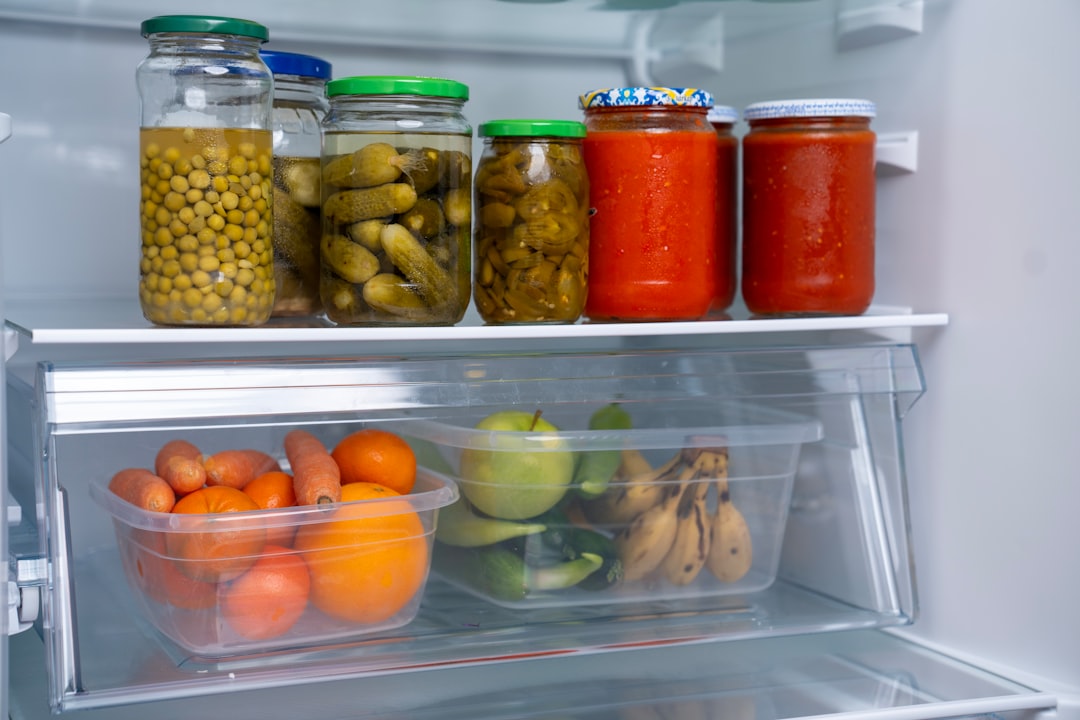
- Store here: Leafy greens (spinach, kale, arugula), broccoli, cauliflower, herbs, peppers, cucumbers, green beans, and carrots.
- Pro tip: Line the bottom of the drawer with an unbleached paper towel or washable cotton mat to absorb excess condensation, which causes mold.
Low Humidity Drawer (Vents Open):
Opening the slider vent allows air to flow freely and gives ethylene gas—a natural ripening hormone emitted by certain fruits—an escape route. If ethylene is trapped in a closed drawer, it causes everything inside to decay at double speed.
- Store here: Ethylene-emitting produce like apples, pears, stone fruit, ripe avocados, melons, and citrus.
Rule of Thumb: If it wilts (greens), keep the humidity high. If it rots or ripens (fruits), keep the humidity low.
5. The Door: The Warmest, Most Volatile Zone
The door bins endure ambient room temperature hits every time someone opens the fridge to browse. Temperatures here routinely hover between 42°F and 46°F. It is the absolute worst place for perishable dairy.
What goes here:
- Condiments (ketchup, mustard, hot sauce, mayonnaise)
- Salad dressings and vinegars
- Pickles and fermented preserves
- Pasteurized juices and soda
- Nut and seed oils that go rancid at room temperature
Smart Habits to Maintain Fridge Freshness Long-Term
Setting up the right layout is half the battle; keeping it functional is what makes the difference. Follow these operational rules to maintain your setup and consistently organize refrigerator for freshness without weekly headaches.
Implement the First-In, First-Out (FIFO) Rule
Restaurant kitchens run on the FIFO method, and your home kitchen should too. When you return from grocery shopping, rotate older items to the front of each shelf and slot the fresh purchases behind them. You can create an "Eat Me First" bin on the middle shelf for half-used lemons, open blocks of cheese, or leftovers nearing their three-day mark.
Prioritize Air Circulation Over Full Capacity
A packed-to-the-brim fridge cannot cool effectively. Refrigerators rely on fans to circulate chilled air around containers. Aim for 75% to 80% capacity maximum. Leaving an inch of breathing room around interior perimeter walls and between large bins prevents localized warm pockets.
For more home efficiency tricks, combining smart layout with practical pantry organization systems helps keep your entire kitchen flow seamless.
Use Clear, Airtight Containers
Ditch opaque plastic containers, foil wraps, and flimsy takeout boxes. Visibility drives consumption; when you cannot see what is inside a container, you assume it is empty or spoiled. Invest in modular, clear glass containers with locking lids. Glass transfers cold better than plastic, keeping prepared food consistently chilled while preventing odors from migrating.
5 Items That Never Belong in Your Refrigerator
Sometimes, learning how to organize refrigerator for freshness means taking things out entirely. Cold air damages the flavor, texture, and natural shelf life of these common pantry staples:
- Tomatoes: Cold air breaks down the cell walls and deactivates the flavor compounds in tomatoes, leaving them mealy and bland. Store them stem-down on your counter at room temperature.
- Potatoes and Sweet Potatoes: Refrigerator temperatures convert the starches in raw potatoes into sugar rapidly, resulting in gritty texture and uneven browning during cooking. Keep them in a dark, cool, well-ventilated basket.
- Whole Onions and Garlic: Moisture inside the fridge causes whole onions to soften and sprout mold quickly. Keep them dry and well-ventilated, well away from potatoes.
- Unripe Avocados: Cold halts the enzymatic ripening process completely. Leave hard avocados on the counter until slightly soft; only move them into the low-humidity fridge drawer once they reach peak ripeness to extend that window by 3–4 days.
- Honey: Cold temperature causes honey to crystallize into an unspreadable solid block. Pure honey is naturally antimicrobial and belongs in a dark cupboard indefinitely.
Maintaining a fresh fridge also goes hand-in-hand with sanitation. Make it a habit to deep clean kitchen appliances on a seasonal basis to prevent unseen spores from transferring onto fresh produce.
Take Action Today: The 10-Minute Fridge Reset
You do not need an entire weekend to transform your appliance. Take ten minutes right now to complete this high-impact reset:
- Relocate the milk: If your milk carton is currently sitting on the door, move it directly to the bottom shelf at the back.
- Adjust your crisper vents: Set one drawer slider to closed (high humidity) for leafy greens, and open the other slider (low humidity) for apples and fruit.
- Toss expired condiments: Purge that jar of dressing from last summer to clear airflow on your door shelves.
By learning how to properly organize refrigerator for freshness, you stop throwing away money, enjoy crisp vegetables every day, and make home cooking faster and far more rewarding.

Written by
Nibedita Basu
English graduate and social worker with a passion for creating a warm, happy, and meaningful life. I write about Home, Food, and Pets — sharing practical ideas, everyday inspiration, and simple joys that make life more comfortable, wholesome, and fulfilling.