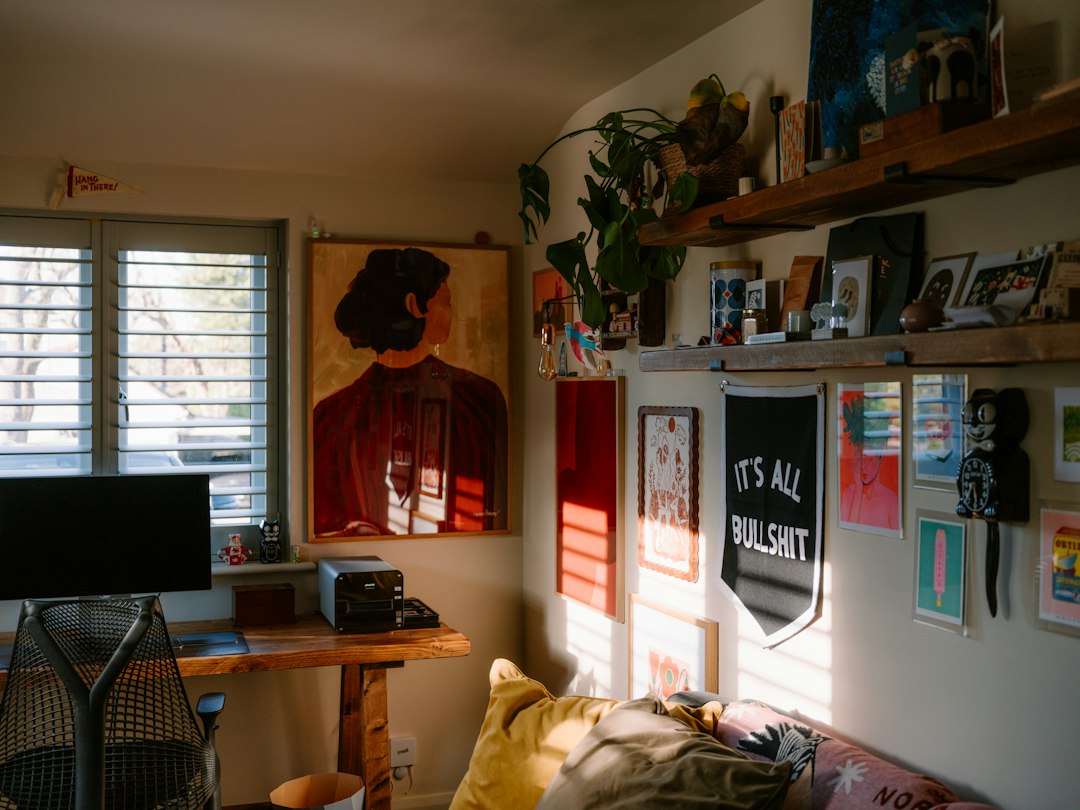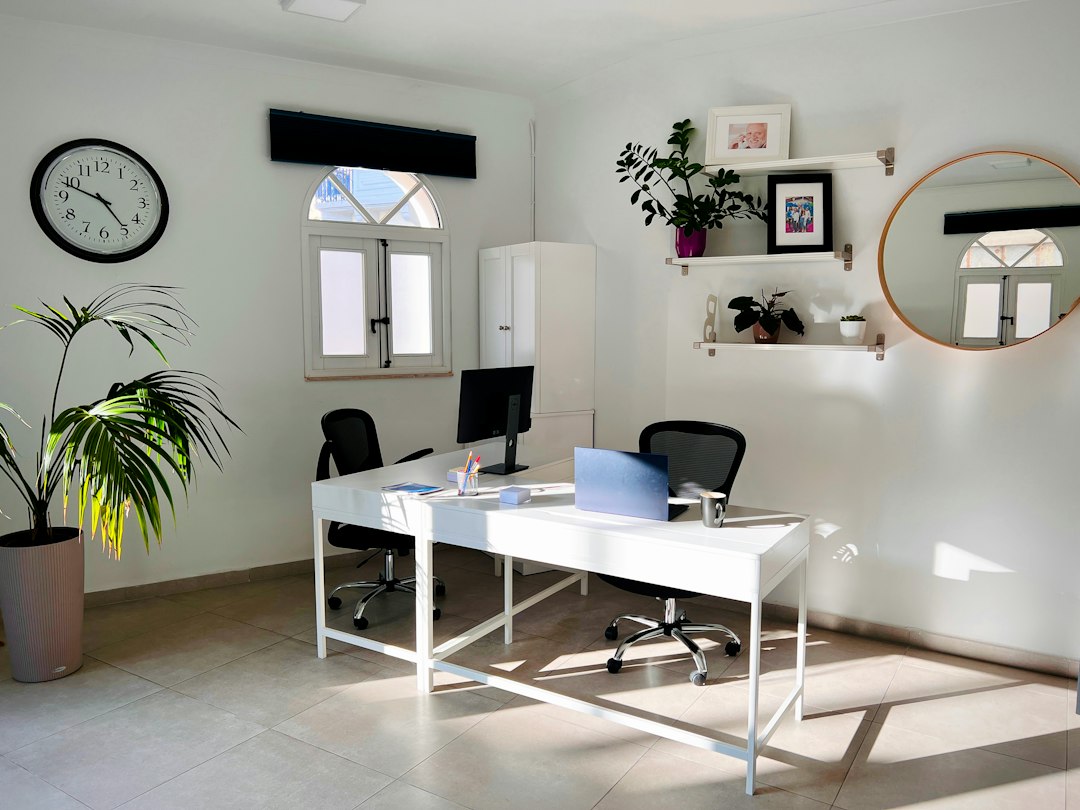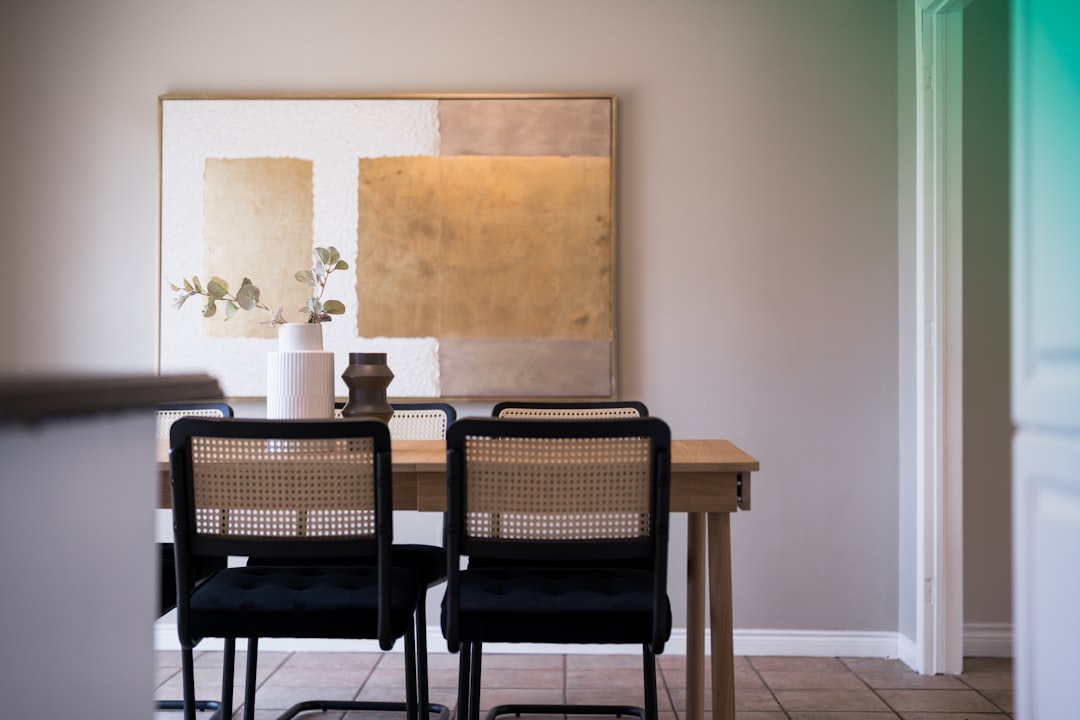
Look around your living room right now. How many objects on your shelves, side tables, or countertops are there purely out of habit rather than genuine appreciation or utility? For most of us, visual clutter accumulates silently. A souvenir vase here, a stack of unread magazines there, and suddenly your living room feels less like a sanctuary and more like a high-maintenance catalog of past shopping decisions.
The human brain craves visual order. According to research on clutter and mental well-being, environments overloaded with physical stimuli compete for your attention, elevating cortisol levels and subtly draining your cognitive bandwidth. But fixing this doesn't mean moving into a sterile, hyper-modernist white cube with a single folding chair.
Mastering practical minimalist home styling isn’t about stripping your house bare; it’s about editing with purpose. It is the art of curating spaces where every single item has room to breathe, functions exceptionally well, and brings tangible joy to your daily life.
Key Takeaway: Minimalist styling isn't about ascetic self-denial. It is the deliberate choice to highlight fewer, higher-quality items so their beauty and utility actually stand out.
Rethinking Minimalism: Intentionality Over Emptiness
Pop-culture minimalism often gets a bad reputation for feeling cold, uninviting, and clinical. That is an aesthetic trap. True, livable minimalism—often called "warm minimalism"—prioritizes comfort, organic textures, and personal resonance above strict geometric emptiness.
When you shift your mindset from "What can I get rid of?" to "What truly deserves space here?", your design choices become vastly easier. You stop buying filler pieces just to occupy an empty corner. Instead, you allow architectural lines, natural light, and carefully chosen materials to do the heavy lifting.
If you have struggled in the past with maintaining a clutter-free home, pairing this design philosophy with practical decluttering checklists creates a sustainable foundation that keeps surfaces clear long after your initial styling session.
Five Core Principles of Modern Minimalist Home Styling
Creating an elevated, uncluttered environment requires a distinct set of design guardrails. Here are the foundational rules of successful minimalist home styling that will prevent your home from looking either overstuffed or soulless.
1. Master the Power of Negative Space
In traditional interior design, empty space is often treated as a problem to be solved with an accent table or a gallery wall. In minimalist design, negative space is a deliberate design element.
Leaving blank areas on a wall or maintaining empty zones on a coffee table gives your eyes a place to rest. It acts as a visual frame for the items you do choose to display. If you have a handcrafted ceramic bowl you love, putting it on an otherwise empty console table makes it an intentional focal point. Surrounding it with three picture frames, a scented candle, and a stack of coasters reduces it to background noise.
2. Prioritize Texture Over Pattern
When you limit the number of objects and colors in a room, texture becomes your primary tool for creating warmth and visual depth. A monochromatic room with zero texture feels flat and hospital-like; the same room layered with rich, tactile surfaces feels luxurious and inviting.
Focus on incorporating a variety of natural finishes:
- Textiles: Chunky bouclé, stonewashed linen, raw silk, and low-pile wool rugs.
- Hard Surfaces: Unlacquered brass, honed marble, matte ceramics, and open-grain wood (like white oak or walnut).
- Organic Elements: Architectural branches, dried grasses, or a single sculptural fiddle-leaf fig.
3. Establish a Cohesive, Grounded Color Palette
A calm home relies on a disciplined color story. That doesn't mean color is forbidden, but vibrant contrasts should be used with extreme precision rather than scattered haphazardly.
Start with a base of two to three neutral tones (e.g., warm cream, soft taupe, and deep charcoal) across large surfaces like walls, flooring, and primary upholstery. If you want accent colors, pull them from nature—muted terracotta, moss green, slate blue, or ochre. Maintaining tonal continuity across adjoining rooms creates an expansive, seamless flow.
4. Choose Scale and Proportion Over Quantity
One oversized piece of artwork almost always looks more elevated and serene than a cluster of ten small prints. A single large, sculptural floor vase commands attention with calm authority, whereas five tiny knick-knacks create visual static.
When selecting accessories and furniture, think in terms of volume and silhouette. Choose pieces with distinctive profiles—a curved sofa back, a bold cylindrical pedestal table, or an arched floor lamp—that provide visual interest without needing extra decorative props.
5. Invest in "Hero" Functional Pieces
In a minimalist space, the everyday objects you use must pull double duty as decor. Your coffee maker, your laundry hampers, your fruit bowl, and your throw blankets are permanently on display. Applying sustainable interior design principles means investing in durable, beautifully crafted utilitarian items that you never feel the need to hide inside a cupboard.
Room-by-Room Minimalist Styling Strategies
Let's look at how these concepts translate into real-world living spaces, turning high-friction areas into peaceful environments.
The Living Room: The Edited Vignette
When applying minimalist home styling to communal spaces, the biggest hurdle is managing daily traffic and shared belongings. Keep your surfaces strictly edited using the "Rule of Three":
- Coffee Table: Limit yourself to one flat surface item (like an oversized art book), one textural element (a small tray), and one organic item (a small vase with fresh stems). Keep 50% of the table surface completely clear.
- Media Console: Hide cords completely using channels or rear-mounted clips. Keep the top surface bare except for the TV and perhaps one low-profile soundbar or sculptural object.
- Shelving: Avoid filling every inch of bookshelf space. Interweave horizontal and vertical book stacks with empty pauses and singular decorative objects.
The Bedroom: Cultivating Visual Silence
Your bedroom should be an intentional decompression chamber. Visual chaos directly inhibits relaxation before sleep.
Stick to low-profile platform beds with concealed storage if necessary. Choose crisp, solid-toned linen bedding in earthy or neutral shades. Keep nightstands limited to a lamp, a carafe of water, and whatever book you are currently reading. If you need storage for charging cords, journals, or eye masks, utilize nightstands with drawers to keep small items out of sight.
The Kitchen & Dining Area: Streamlined Utility
Kitchen counters are prime real estate for clutter creep. The toaster, blender, spice racks, and utensil crocks quickly crowd your preparation zones.
Adopt a strict "clear counter" policy. Store small appliances in a dedicated pantry shelf or appliance garage. On the main counters, leave out only what is used multiple times a day—perhaps an olive oil cruet on a small stone tray and a cutting board leaned against the backsplash. For the dining table, skip the permanent runner and complex centerpieces; a single stoneware bowl filled with seasonal fruit is both practical and striking.
The Entryway: High-Impact Simplicity
The entryway dictates how you feel the moment you step through your front door. It also tends to become an indiscriminate dumping ground for keys, mail, shoes, and coats. Incorporate budget-friendly home organization ideas like a wall-mounted floating shelf with concealed drawers and a few sturdy wall hooks to manage daily gear without eating up floor space.
Key Takeaway: Minimalism isn't about having zero items in a room; it is about establishing a clear hierarchy. Every room needs a primary focal point, supported by quiet, functional elements rather than competing accents.
The Reverse Decorating Method: How to Style What You Have
You don't need to spend thousands of dollars on new designer furniture to embrace this aesthetic. In fact, effective minimalist home styling balances restraint with personal warmth by radically editing your existing inventory.
Use this four-step exercise to reset any room over a weekend:
- The Clean Slate (Reset): Clear every single decorative item off your flat surfaces (shelves, mantels, tables, counters). Place everything in a holding box in another room. Leave the space bare for 24 hours to get comfortable with the empty space.
- Evaluate the Architecture: With surfaces clear, assess the room’s natural strengths. Where does the light fall? What are the sightlines from the doorway? What furniture pieces feel bulky or misplaced?
- Return with Intention (The 30% Rule): Bring back only 30% of the decorative items you removed. Select only your absolute favorites—the pieces that feature interesting textures, meaningful memories, or strong sculptural shapes.
- Donate, Sell, or Store the Rest: For the remaining 70%, be decisive. If you didn't miss it during the reset, you likely don't need it in your home.
Your 15-Minute Action Step for Today
Transforming your entire house overnight is unrealistic, but you can build immediate momentum today. Choose one flat surface that currently feels cluttered—your bedside table, the entryway console, or the kitchen island.
Clear everything off it right now. Wipe down the surface until it's spotless. Now, place exactly one to two intentional items back onto it (such as a lamp and a small plant). Stand back and observe how the entire room feels lighter with that single island of calm. Once you experience how effortless it is to maintain one clear surface, applying minimalist home styling across the rest of your home becomes a natural, satisfying progression.

Written by
Nibedita Basu
English graduate and social worker with a passion for creating a warm, happy, and meaningful life. I write about Home, Food, and Pets — sharing practical ideas, everyday inspiration, and simple joys that make life more comfortable, wholesome, and fulfilling.