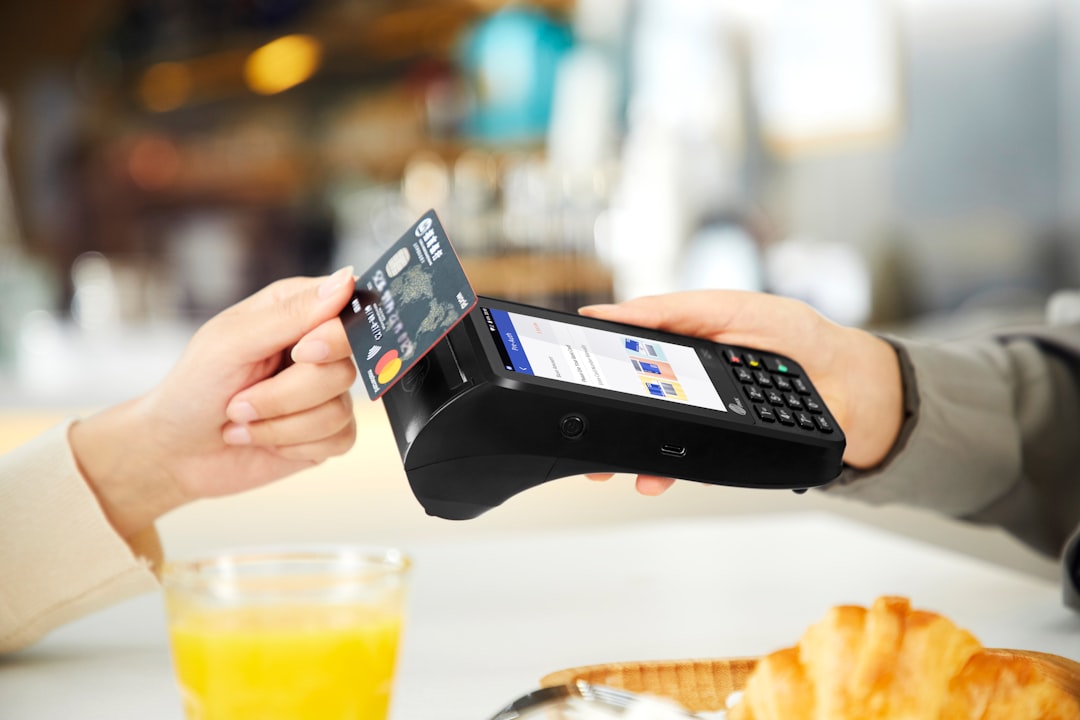
Credit card companies make over $100 billion a year in interest and fees from consumers who carry balances from month to month. But behind those staggering balance-sheet profits lies an open secret: a small tier of savvy consumers pays zero interest, extracts thousands of dollars in rewards, and uses credit cards to build elite credit profiles. Mastering smart credit card use is what separates those who fund bank profits from those who turn credit systems into personal financial leverage.
Wealthy individuals and financially astute operators do not view credit cards as emergency safety nets or borrowed cash. They view them as transactional buffers, interest-free float tools, and wealth-generation instruments. If you want to stop leaving money on the table, here is the playbook for running your cards like a high-net-worth individual.
Key Takeaway: Never treat a credit card limit as purchasing power. Your true credit limit is whatever cash sits in your checking account allocated to pay that bill today.
The Fundamental Mindset: Arbitrage, Float, and Zero Interest
The cardinal rule of high-yield credit card management is simple: you never carry a revolving balance. The moment you pay 20% to 30% APR on a balance, all rewards, cash back, and perks vanish into negative returns.
At its core, smart credit card use demands a strict understanding of the billing cycle. When you swipe your card, the issuer covers the transaction. You then have an interest-free grace period—usually between 21 and 25 days after your statement closes—to clear the balance. According to the Consumer Financial Protection Bureau, paying your entire statement balance in full before the due date completely eliminates interest charges on new purchases.
By leaving your cash in a high-yield savings account until the auto-pay kicks in on the due date, you earn interest on your money while spending the bank's capital for up to 50 days interest-free. This concept, known as "the float," forms the basis of corporate treasury management—and you can deploy it on your personal balance sheet.
The Statement Date vs. Due Date Trick
Most consumers confuse their statement closing date with their payment due date. Understanding the difference is the easiest way to manipulate your credit score upward:
- Statement Date: The day your billing cycle ends and the issuer snapshots your balance to report to credit bureaus (Equifax, Experian, TransUnion).
- Due Date: The day your payment must be received to avoid late fees and interest (typically 3 weeks after the statement date).
If you wait until your due date to pay, your statement balance might show a 40% credit utilization ratio, which drags your credit score down even if you pay in full every month. To solve this, pay off 80% to 90% of your balance a few days before the statement closing date. When the statement generates, it reports a negligible balance (under 3% utilization), immediately supercharging your score while you retain the perks of spending.
The Multi-Card "Stacking" Strategy
Using a single card for all purchases is like using a screwdriver to hammer a nail. Banks design cards with distinct spending categories to entice cardholders, hoping users will spend outside bonus categories where the bank makes higher margins. High earners bypass this by building a dedicated card portfolio.
When you align your regular household spending with specific multipliers, smart credit card use can yield an effective 3% to 5% return across your entire annual budget. Integrate this approach with a solid personal budgeting framework to ensure every dollar you spend is optimized.
The Core "Trifecta" System
Rather than managing a dozen scattered cards, elite users generally rely on a streamlined three-card system from an ecosystem like Chase, American Express, or Capital One:
- The Daily Base Card: Earns 1.5% to 2% flat cash back or equivalent points on every uncategorized purchase (utilities, car repairs, medical copays).
- The Grocery & Dining Multiplier: Earns 3x to 4x points on food, supermarkets, and takeout—frequently the largest variable spending bucket for households.
- The Travel & Premium Perks Card: Provides 3x to 5x returns on flights and hotels, while unlocking lounge access, trip delay insurance, and transfer partner access.
By routing recurring bills through the base card and targeting food and travel with dedicated category cards, you consolidate points within one rewards program. This allows you to redeem points for outsized value via airline and hotel transfer partners instead of low-value gift cards.
Unlocking Hidden Perks Hidden in Your Cardholder Agreement
Beyond points and cash back, premium and mid-tier credit cards bundle thousands of dollars worth of embedded insurance policies that most cardholders never claim. Another overlooked facet of smart credit card use is treating your card as an automatic protective shield for your lifestyle.
Primary Auto Rental Insurance
When renting a car, rental agencies charge $15 to $30 per day for collision damage waivers (CDW). Select travel cards offer primary rental insurance. Decline the rental agency's collision coverage, pay for the rental with your qualifying card, and you receive comprehensive theft and damage protection without filing a claim with your personal auto insurer.
Cell Phone Protection Plans
Carriers and phone manufacturers routinely charge $10 to $17 per month for device insurance. Multiple zero-annual-fee cards provide $600 to $800 in cell phone damage and theft coverage simply by paying your monthly wireless bill with that card. Dropping carrier insurance across a family plan can save $400 to $600 per year instantly.
Purchase Protection and Extended Warranties
Purchased a new laptop or appliance that stopped working three weeks past the manufacturer's warranty? Cards with extended warranty benefits automatically extend original manufacturer warranties by up to one full year. Additionally, purchase protection policies cover items lost, stolen, or accidentally damaged within 90 to 120 days of purchase.
Pro Tip: Download the "Guide to Benefits" PDF for each of your active credit cards. Save them in a dedicated folder on your computer so you know exactly which card to swipe for electronics, travel, or vehicle rentals.
The High-Tier Playbook: Optimizing Credit Utilization with the AZEO Method
If you are preparing to buy a home, refinance a loan, or negotiate insurance premiums, you need your credit score at peak performance. Elite credit optimizers utilize the AZEO method: All Zero Except One.
Credit scoring models evaluate both aggregate utilization (total balance divided by total limit) and individual card utilization (each card's balance divided by its limit). Having small balances scattered across four cards can ding your score by 15 to 30 points compared to having that same total balance sitting on just one card.
Here is how to execute the AZEO method 60 days before applying for a major loan:
- Pay every card down to a $0 balance before its respective statement closing date.
- On a single major card, let a tiny statement balance generate—ideally between $10 and $20 (under 1% of that card's limit).
- Pay off that single balance on its due date.
This signals to credit scoring algorithms that you are actively using credit (avoiding the penalty for complete non-use) while maintaining the lowest possible risk profile. Maintaining an optimal score is as crucial to long-term wealth as building an emergency fund, as lower interest rates on mortgages save hundreds of thousands of dollars over a lifetime.
Security and Wealth Preservation
Using a debit card for retail transactions is one of the biggest risks to your personal balance sheet. When your debit card is compromised, real cash leaves your bank account. While federal regulations limit liability, resolving fraudulent charges can take weeks, during which your rent or mortgage checks could bounce.
When a credit card is compromised, the thief spent the bank's money—not yours. Under the Fair Credit Billing Act, your maximum liability for unauthorized charges is $50, and virtually all major issuers offer $0 liability guarantees. In practice, you simply flag the charge, the bank removes it immediately, and your liquid cash stays protected.
Turn Knowledge into Action: Your 15-Minute Audit Today
Practicing smart credit card use isn't about gaming the system or taking unnecessary financial risks. It is about applying strict discipline to financial tools designed to reward organized consumers at the expense of disengaged ones. If you want to refine your broader strategy, explore our step-by-step guide to improving your credit score.
To put this strategy into practice immediately, take this 15-minute action step today:
- Log into all your active credit card accounts.
- Turn on Auto-Pay for the Full Statement Balance to ensure you never incur interest or late penalties.
- Set a recurring calendar reminder 3 days before each card's statement closing date to pay down existing balances, permanently cementing low credit utilization.

Written by
Indrajit Mukherjee
Engineer by education, passionate coder, stock market enthusiast, and lifelong learner. I write about Growth, Productivity, Money, and Sleep — sharing practical ideas, insights, and lessons to help you work smarter, build better habits, and live a more fulfilling life.