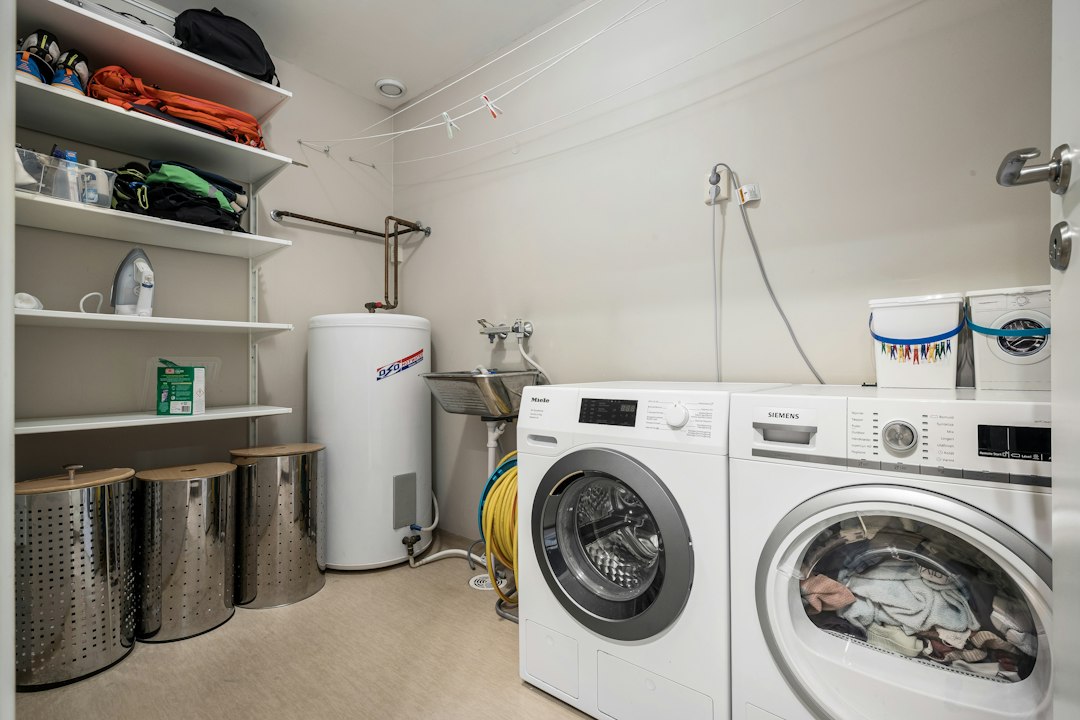
The average American household washes roughly 300 loads of laundry every single year. That equates to hundreds of hours spent sorting socks, transferring soggy towels, and staring down a mountain of clean-but-unfolded clothes taking over the guest bedroom.
For most of us, laundry rarely feels finished because it isn't a single chore—it is an endless five-step loop of gathering, sorting, washing, drying, and putting away. When one link in that chain breaks down, the entire system collapses into chaos.
Building a realistic, time-saving laundry routine isn’t about running yourself ragged trying to do four loads a day. It is about removing friction from every stage of the cycle, optimizing your appliances, and adopting practical habits that cut active work down to mere minutes.
Key Takeaway: The secret to laundry efficiency isn't washing faster—it is closing the loop between the dryer and the dresser so clean clothes never accumulate into intimidating piles.
Diagnosing Your Current Laundry Bottlenecks
Before overhauling your routine, it helps to identify where your current process stalls. Most households stumble at one of two distinct friction points.
The "Clean Pile" Paralysis
Washing and drying are passive tasks; your machines do 95% of the work. The breakdown almost always happens during the active phases: gathering dirty clothes and folding clean ones. When clean clothes sit in laundry baskets for days, they wrinkle, get rummaged through, and inevitably tumble onto the floor—where they get tossed right back into the dirty hamper.
The Over-Washing Trap
We often wash items far more frequently than necessary. Unless clothes are visibly soiled, sweaty, or worn right next to the skin (like underwear and socks), most garments—including jeans, sweaters, and outerwear—can be worn multiple times before laundering. Over-washing not only drains your time and water supply, but it also rapidly degrades fabric fibers, leading to pilling, fading, and shrinkage.
The 4 Pillars of a Time-Saving Laundry Routine
To establish an effortless rhythm, you need a workflow that automates decisions before you ever touch a bottle of detergent. Here are the four foundational strategies to implement.
1. Presort at the Source
Dumping a massive hamper onto the floor to separate darks, lights, and delicates is one of the biggest time sinks in the entire process. Replace single-bin hampers with multi-compartment sorters in high-traffic areas like the master closet or bathroom.
- Dark/Everyday: T-shirts, jeans, dark socks, and casual wear.
- Lights & Whites: Undershirts, light blouses, and pale fabrics.
- Heavy Linens: Towels, washcloths, and bedsheets.
When a specific bin fills up, you know precisely when it is time to run that exact load—no manual sorting required. Pairing this with a simplified wardrobe strategy like decluttering your wardrobe cuts total volume even further.
2. Choose Your Cadence: Daily Load vs. Batch Days
When designing your time-saving laundry routine, you have two primary workflows to choose from. Pick the one that fits your personality and household size:
- The Daily Load (Best for families of 3+): Run one single load from start to finish every day. Start the wash first thing in the morning, move it to the dryer or drying rack before lunch, and fold/put away immediately after dinner. This keeps the workload down to a manageable 15-minute daily commitment.
- The Designated Batch Days (Best for singles or couples): Pick one or two non-consecutive days per week (e.g., Wednesday evening and Sunday morning) to process 2–3 loads back-to-back while multitasking with other chores or entertainment.
3. Optimize Wash Settings for Speed and Energy
Modern detergents rely on advanced enzymes that work just as effectively in cold water as warm water. Washing in cold water prevents colors from bleeding, preserves delicate elastane in your clothes, and eliminates the energy needed to heat water.
According to the U.S. Department of Energy, water heating accounts for roughly 90% of the energy consumed by a typical washing machine. Switching to cold cycles instantly lowers utility costs while keeping fabric care simple.
4. The 10-Minute Folding Protocol
Never start drying a load if you do not have a designated 10-minute window to fold and put it away when the cycle ends. Leaving clothes to sit in the dryer creates deep wrinkles that demand steaming or ironing later—adding unnecessary friction.
Streamline your storage process with these simple habits:
- Hang immediately: Move button-downs, dresses, and blouses straight from the dryer to hangers.
- Adopt the "File Fold": Store shirts and pants upright in drawers so you can see everything at a glance without disrupting stacks.
- Matchless socks: Buy identical socks in bulk for everyday wear. When every black athletic sock matches every other black sock, matching pairs takes zero cognitive effort.
Key Takeaway: Sort less by color and more by fabric weight. Washing heavy towels with lightweight t-shirts increases drying time for the whole load and causes uneven wear.
Smart Tweaks to Cut Drying Time and Energy Use
Drying is typically the longest step in the laundry cycle. Using a few strategic adjustments can dramatically shorten cycle lengths and protect your garments.
Use Wool Dryer Balls
Ditch conventional single-use dryer sheets. A set of 3 to 6 natural wool dryer balls bounces between wet clothes, separating fabric layers so warm air circulates more freely. This simple addition can reduce drying times by 15% to 25% while naturally softening fabrics without chemical residues.
Separate Heavy Towels from Lightweight Fabrics
Drying dense bath towels alongside thin synthetic fabrics forces the dryer to run significantly longer to dry the heaviest item, over-baking your delicate clothes in the process. Wash and dry towels in their own dedicated load for consistent, rapid drying cycles. If you're coordinating chores across your home, integrating this into a weekly household cleaning schedule makes routine maintenance effortless.
Clean the Lint Filter Every Single Run
A clogged lint screen restricts airflow, forcing the dryer motor and heating element to work twice as hard to remove moisture. Clearing the trap before every cycle maximizes airflow, shortens dry time, and significantly lowers household fire hazards.
How to Reset Your Laundry System Today
Transitioning to a time-saving laundry routine doesn’t require buying an expensive smart washer or redesigning your laundry room. You can take immediate steps today to cut your weekly laundry friction in half.
- Clear the backlog: Spend one focused afternoon washing, folding, and putting away every stray garment currently sitting in baskets or chairs. Start with a completely clean slate.
- Set up two distinct hamper zones: Separate everyday clothes from linens/towels starting tonight.
- Switch your default dial to Cold: Make cold water your automatic setting for all standard loads.
- Establish your cadence: Decide today whether your household will run a daily load or use scheduled batch days, and set a recurring calendar reminder to anchor the habit alongside your other energy-efficient home habits.
By streamlining your sorting, letting modern appliances do the heavy lifting in cold water, and putting items away promptly, laundry transforms from a looming weekend chore into a fast, background habit that runs on autopilot.

Written by
Nibedita Basu
English graduate and social worker with a passion for creating a warm, happy, and meaningful life. I write about Home, Food, and Pets — sharing practical ideas, everyday inspiration, and simple joys that make life more comfortable, wholesome, and fulfilling.