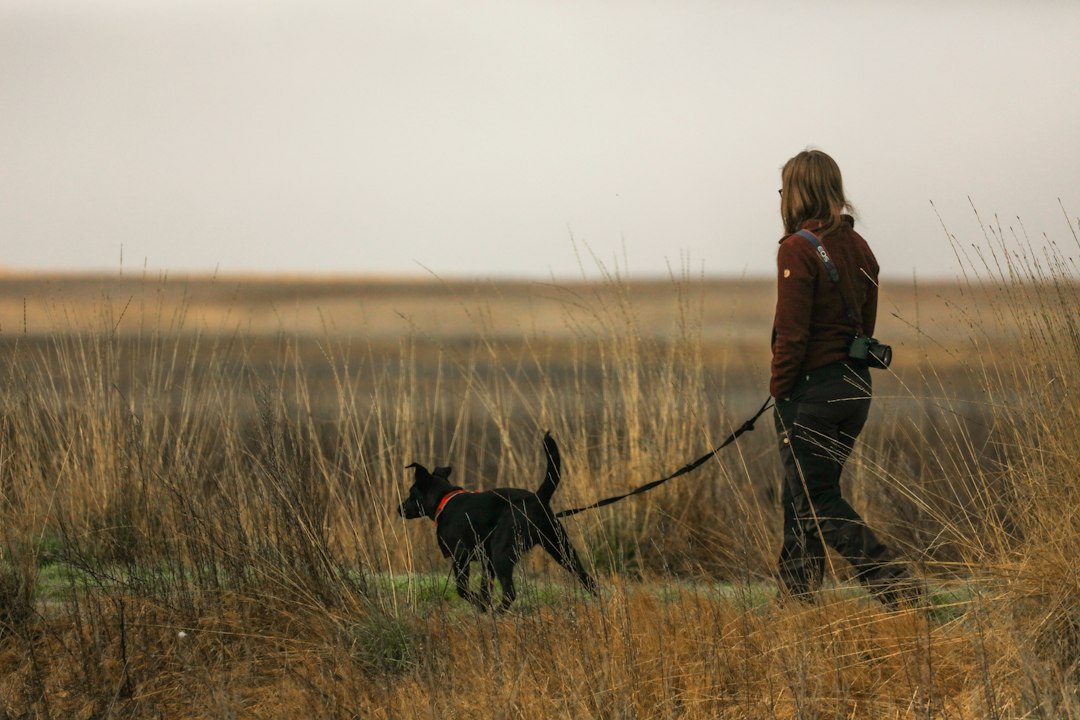
A single sudden lunge toward a squirrel can generate startling pressure on your dog's throat. When attached to a standard flat collar, that force is concentrated entirely on their delicate windpipe, thyroid gland, and cervical spine. Over time, repeated strain can lead to chronic coughing, soft tissue damage, or even collapsed tracheas in vulnerable breeds.
Switching to a well-fitted harness redistributes that pulling force across the broad, muscular shoulders and chest. However, finding the best dog harness isn't just about picking a stylish pattern off the pet store shelf. A harness that fits an English Bulldog will rub a Greyhound raw, and a design meant for a Golden Retriever can easily slip off an escape-prone Siberian Husky.
Matching harness mechanics to your dog's unique anatomy, energy level, and walking habits will transform daily walks from a frustrating tug-of-war into a safe, comfortable bonding experience.
Key Takeaway: A properly fitted harness eliminates direct neck strain, prevents spinal misalignment, and gives you humane leverage without choking or restricting your dog's natural shoulder extension.
Why Harness Design Matters More Than You Think
Dog bodies vary dramatically across breeds. A harness distributes kinetic energy across the skeletal framework. If the straps sit across the wrong muscle groups or cross over moving joints, they can alter your dog's natural gait, causing long-term orthopedic issues.
Veterinarians frequently caution owners about the mechanical differences between neck restraints and torso gear. According to PetMD's guide on harness safety, dogs prone to upper respiratory distress or tracheal vulnerability benefit significantly from gear that clears the neck entirely.
Beyond physical health, the right gear is essential when teaching leash training fundamentals. If a dog feels restricted or experiences chafing in their armpits, they may become reactive, frustrated, or reluctant to walk altogether.
The 4 Primary Harness Styles (And How They Work)
Harnesses fall into four primary mechanical styles. Choosing the best dog harness style depends heavily on whether your pup pulls, walks politely, or has unique mobility requirements.
1. Back-Clip Harnesses
Back-clip harnesses feature a D-ring positioned centrally on the dog's back, between their shoulder blades.
- Best for: Small dogs, calm walkers, and brachycephalic (flat-faced) breeds.
- Pros: Extremely easy to put on, keeps the leash away from front paws to avoid tangling, and protects delicate necks completely.
- Cons: Can trigger the natural "opposition reflex"—an instinctual urge in dogs to pull harder against pressure felt on their back.
2. Front-Clip Harnesses
Front-clip harnesses place the leash attachment ring directly on the center of the dog's chest plate.
- Best for: Strong pullers and dogs in active obedience training.
- Pros: When your dog surges forward, the leash tension gently redirects their torso sideways toward you rather than letting them build forward momentum.
- Cons: Leashes can occasionally drop between the front legs if not kept at proper tension, requiring occasional untangling.
3. Dual-Clip (No-Pull) Harnesses
Dual-clip options offer attachment rings on both the chest and the back, giving you maximum versatility.
- Best for: High-energy dogs, reactive walkers, and transition phases during training.
- Pros: Use the front clip during busy city walks and switch to the back clip for relaxed park sniffaris. Compatible with double-ended training leashes.
- Cons: Slightly heavier hardware and more adjustment points to balance.
4. Step-In vs. Overhead Harnesses
This distinction refers to how the harness goes onto your dog's body:
- Step-In: Your dog places their front paws into two strap loops, and you fasten the buckle over their spine. Perfect for head-shy dogs who hate gear slipping over their ears.
- Overhead: Slips over the dog's head, with side straps clipping around the ribcage. Often provides superior structural stability for athletic, deep-chested dogs.
Matching the Harness to Your Dog's Breed and Body Type
Off-the-rack sizing often fails because generic labels like "Medium" ignore breed-specific skeletal differences. Here is how to select the right cut for specific body architectures.
Deep-Chested, Narrow-Waisted Breeds (Sight Hounds, Boxers, Dobermans)
Breeds like Whippets, Greyhounds, and Boxers have dramatic drop chests and tiny waists. Standard harnesses slide forward into their armpits or slip over their chests entirely when they back up.
- What to look for: Look for a Y-shaped front harness with an extended torso piece. A third safety strap that sits behind the widest point of the ribcage is ideal for preventing sight hounds from backing out.
- What to avoid: T-shaped horizontal chest straps, which restrict shoulder blades and slide loose on narrow frames.
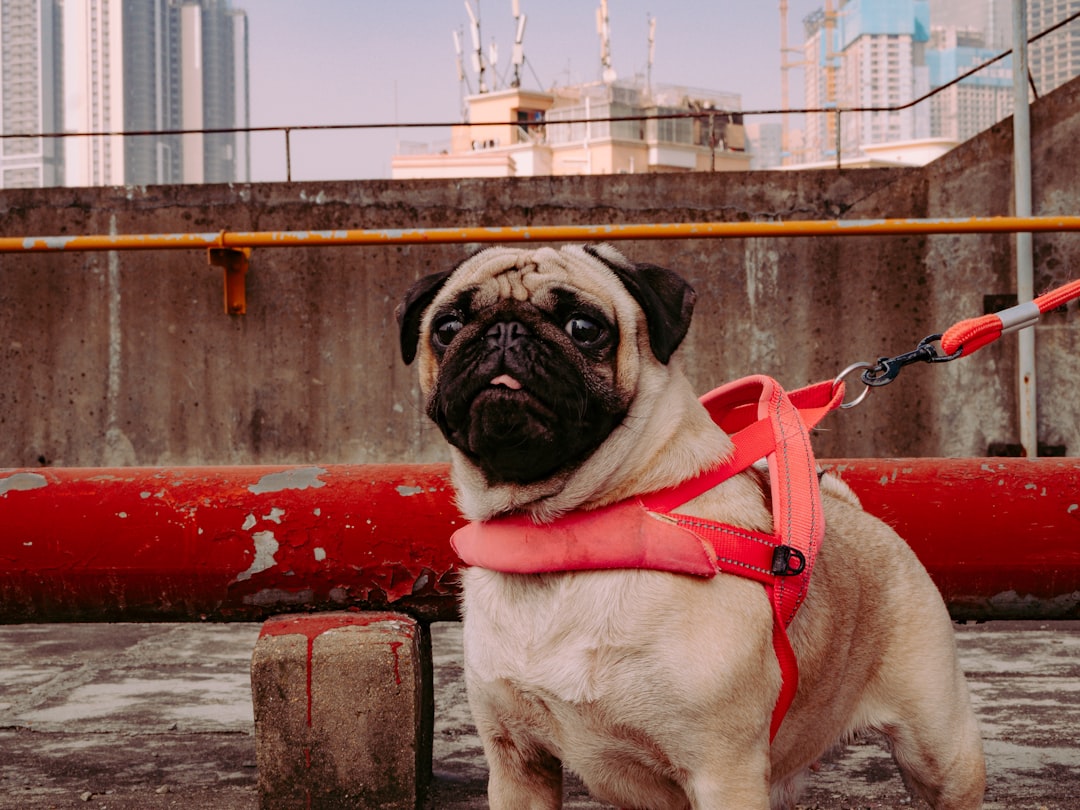
Brachycephalic Breeds (French Bulldogs, Pugs, Boston Terriers)
Flat-faced breeds are structurally vulnerable to airway obstruction, overheating, and compact spinal compression. For these breeds, the best dog harness must never ride high near the lower throat.
- What to look for: Low-cut, curved neck openings that sit squarely on the sternum bone. Lightweight, breathable mesh panels that prevent overheating.
- What to avoid: Bulky tactical vests that trap body heat or high-necked step-in straps.
Long-Bodied, Short-Legged Breeds (Dachshunds, Corgis, Bassets)
Chondrodystrophic breeds need gear that protects their elongated spines without impeding low-clearance shoulder movement.
- What to look for: Short-body harnesses that distribute load across the chest block rather than extending down the spine. Generous clearance behind the elbows to prevent friction sores.
- What to avoid: Heavy tactical harnesses with long back plates that apply downward pressure to the mid-spine.
Escape Artists and High-Drive Working Breeds (Huskies, Belgian Malinois, Shepherds)
Clever, athletic dogs can contort their shoulders to reverse out of basic harnesses within seconds.
- What to look for: Multi-point adjustment systems (5 or 6 adjustment sliders) with heavy-duty metal hardware, reinforced box-stitching, and a dedicated belly security strap.
- What to avoid: Single-buckle step-in models or plastic clips with low break-strength ratings.
Key Takeaway: Never choose a harness with horizontal straps that cross directly over the shoulder joint (the front legs' rotator cuff). Always look for a "Y-shaped" front that leaves the shoulder blades entirely free to swing naturally.
The 3-Step Sizing Guide: How to Measure Accurately
Do not guess your dog's size based on weight alone. Two 45-pound dogs—like an English Bulldog and a Whippet—have completely incompatible harness proportions. Grab a soft, flexible measuring tape and follow these steps.
- Measure the Chest Girth: Place the tape around the widest part of your dog's ribcage, typically 2 to 3 inches behind their front armpits. Keep the tape snug against the coat without digging into the skin.
- Measure the Lower Neck Circumference: Measure around the base of the neck where it meets the shoulders—not high up where a standard collar rests.
- Measure Back Length (Optional but Helpful): Measure along the spine from the base of the neck to the base of the tail, especially if you are purchasing a long-line or multi-strap harness.
The Two-Finger Fit Test
Once you slip the harness on your dog and adjust the sliders, conduct the two-finger test. You should easily slide two flat fingers between any strap and your dog's body. If you cannot fit two fingers, it is too tight and will cause friction burns. If you can fit three or four fingers, the harness is too loose and your dog can twist out of it during a walk.
Check your pup's underarms after their first few walks. If you notice fur thinning, redness, or bald patches, loosen the girth strap or switch to a design that sits further back on the ribcage. Ensuring physical comfort is just as important as setting up other dog walking gear essentials.
Essential Features to Prioritize Before Buying
When comparing top models on the market, focus on structural quality over decorative appeal:
- Ergonomic Y-Front Construction: Ensures the front straps sit on the breastbone, keeping the trachea clear and the scapula free to move.
- Padded Contact Zones: High-density EVA foam or soft neoprene lining prevents strap edges from cutting into delicate skin during sudden pulls.
- Durable Fasteners: Look for aluminum alloy or heavy-duty thermo-treated plastic buckles rated for multi-hundred-pound break points.
- 360-Degree Reflective Accents: Essential for visibility during early morning or nighttime strolls.
- Top Assist Handle: A reinforced back handle lets you quickly steady your dog in tight quarters, assist senior dogs over curbs, or manage emergency traffic situations.
What to Do Today
Grab a soft measuring tape right now and record your dog's chest girth (widest point) and lower neck base in both inches and centimeters. Compare those numbers directly against the sizing charts of your favorite harness candidates, prioritizing Y-shaped, multi-point adjustable models that match your pup's specific body build. Once it arrives, take five minutes to balance all adjustment straps before your first walk—your dog's neck, joints, and walking manners will thank you.

Written by
Nibedita Basu
English graduate and social worker with a passion for creating a warm, happy, and meaningful life. I write about Home, Food, and Pets — sharing practical ideas, everyday inspiration, and simple joys that make life more comfortable, wholesome, and fulfilling.