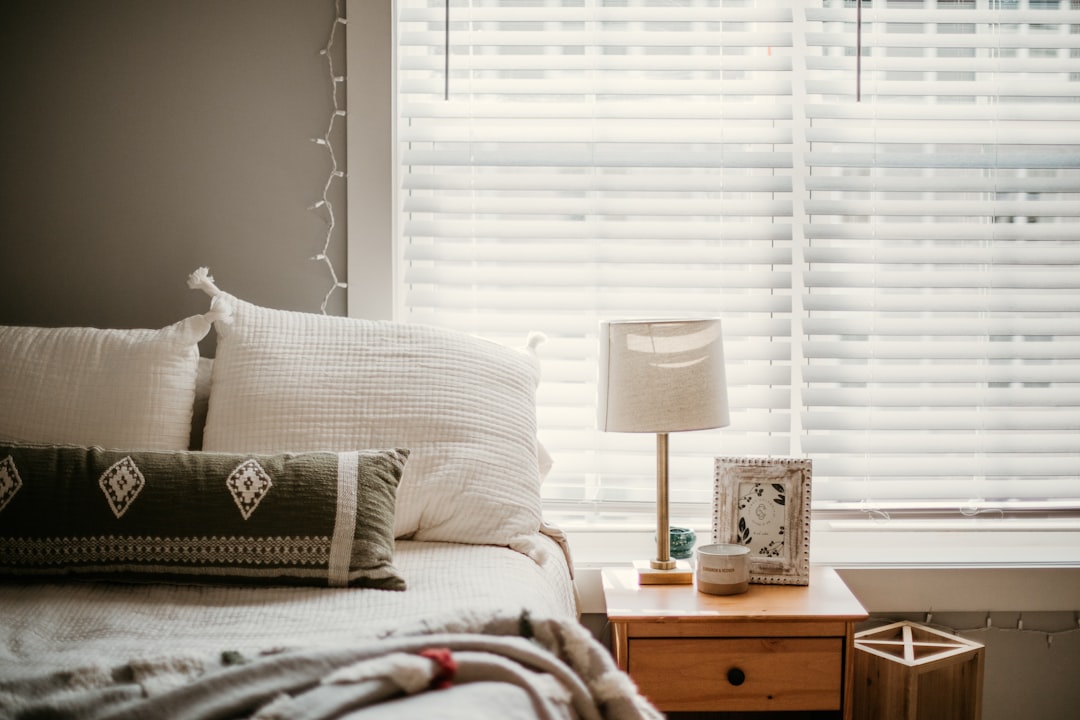
You spend roughly one-third of your entire life in your bedroom, yet chances are your sleep environment is quietly sabotaging your recovery. Between flickering charger lights, lingering daytime heat, dry air, and hidden allergens, modern bedrooms are frequently optimized for daytime convenience rather than deep, restorative rest.
When you struggle to fall asleep or wake up feeling sluggish despite spending eight hours in bed, the issue often isn't your willpower or your bedtime routine—it's your physical environment. Scientific research confirms that ambient environmental cues dictate how quickly you transition into deep non-REM and REM sleep phases. Mastering bedroom sleep optimization allows you to work with your biology instead of fighting it every night.
Key Takeaway: Sleep quality is heavily dictated by environmental signals. By systematically controlling temperature, light, acoustics, and air quality, you can dramatically cut sleep latency and eliminate unconscious nighttime awakenings.
1. Thermal Regulation: Why Cooler Rooms Produce Deeper Sleep
Your body's core temperature follows a natural 24-hour circadian rhythm. In the late afternoon, body temperature peaks, then begins dropping rapidly in the evening to signal sleepiness. As you enter deeper sleep stages, your brain continues to cool down by dilating blood vessels in your hands, feet, and face to shed heat.
If your bedroom is too warm, your body struggles to shed that thermal energy. This biological roadblock causes sleep fragmentation, elevated nighttime heart rates, and a sharp reduction in restorative slow-wave sleep. According to clinical sleep research highlighted on Healthline's guide on optimal sleep temperature, the sweet spot for uninterrupted rest sits between 60°F and 67°F (15.6°C to 19.4°C).
Dialing In Your Ambient Thermostat
Set a programmable or smart thermostat to drop the room temperature roughly 60 minutes before you crawl into bed. If running central air conditioning year-round isn't practical or budget-friendly, consider using cross-ventilation with open windows during cooler seasons, or placing an oscillating fan near your bed to promote evaporative cooling without chilling the entire house.
Selecting the Right Bedding Fabrics
Your mattress and sheets create a localized microclimate around your skin. Synthetic materials like polyester, microfiber, and dense memory foam trap heat and moisture, triggering micro-sweats that pull you out of deep sleep. For comprehensive bedroom sleep optimization, upgrade your sleep surface with breathable, moisture-wicking natural textiles:
- Percale Cotton: Crisp, lightweight weave that allows continuous airflow.
- Linen: Naturally thermoregulating with hollow fibers that wick sweat away instantly.
- Tencel (Lyocell): Derived from eucalyptus pulp, incredibly soft, and cooler to the touch than conventional cotton.
- Latex or Hybrid Mattresses: Offer superior airflow compared to traditional dense memory foam slabs.
2. Photobiology: Eliminating Light Pollution
The human circadian clock is extraordinarily sensitive to light exposure. Specialized photoreceptors in your eyes—called intrinsically photosensitive retinal ganglion cells (ipRGCs)—detect ambient photons and signal the suprachiasmatic nucleus (SCN) in the brain to suppress melatonin production.
Even minuscule levels of light (such as a glowing power strip, digital alarm clock, or street lamp through thin blinds) can permeate your eyelids, elevating stress hormones and fracturing sleep architecture.
Achieving True Pitch-Black Darkness
To eliminate light pollution effectively, treat your bedroom like a photographic darkroom:
- Install Blackout Solutions: Standard blinds leave significant edge gaps. Pair blackout cellular shades with floor-length blackout curtains hung high and wide outside the window frame to seal light leaks.
- Banish Indicator LEDs: Walk through your dark room and identify standby lights on TVs, air purifiers, power bars, and smoke alarms. Cover them with opaque electrical tape or specialized light-dimming stickers.
- Swap Nightstand Bulbs: Replace standard cool-white bulbs in your bedside lamps with warm amber or red-spectrum bulbs (under 2,200 Kelvin). Red wavelengths do not stimulate melanopsin receptors, leaving melatonin secretion intact.
Pairing these bedroom changes with a consistent morning routine for better energy reinforces your biological clock, making it effortless to wake up naturally when sunlight returns.
3. Acoustic Architecture: Soundproofing and Sound Masking
Your auditory system remains vigilant even during deep sleep. Sudden, sporadic noises—a passing truck, a barking neighborhood dog, or creaking floorboards—trigger the sympathetic nervous system, releasing cortisol and causing "micro-arousals" that leave you feeling unrefreshed even if you don't fully wake up.
The Power of Sound Masking
Total silence is often fragile; any sudden noise easily punctures the quiet. Instead of seeking absolute silence, use acoustic masking to create a uniform sound floor:
- Pink Noise: Features balanced deeper frequencies that mirror natural sounds like gentle rain or rustling leaves, shown in studies to stabilize brain wave patterns.
- Brown Noise: Low, deep rumbles (similar to a distant waterfall or airplane cabin) that excel at blocking harsh, sudden bass frequencies from traffic.
- Dedicated Mechanical Sound Machines: Real-fan sound generators produce non-looping, analog white noise that prevents your brain from detecting repeating patterns.
Soft Furnishings as Sound Absorbers
Hard, reflective surfaces amplify reverberations. Soften the room's acoustics by adding dense area rugs over hardwood floors, hanging fabric wall tapestries, and using heavy upholstered headboards. In tandem with decluttering your living space, reducing bare walls significantly lowers acoustic bounce throughout the room.
Key Takeaway: True bedroom quiet isn't about absolute silence—it's about acoustic consistency. A constant, low-frequency sound blanket neutralizes sporadic ambient noises before they can jolt your nervous system.
4. Respiratory and Sensory Hygiene
Air quality in the bedroom directly impacts oxygenation, nasal congestion, and snoring frequency. Because you breathe thousands of liters of air while asleep, poor indoor air quality forces your respiratory system to work harder, increasing heart rate variability and restless tossing.
Managing Particulate Matter and Humidity
Dust mites, pet dander, and volatile organic compounds (VOCs) accumulate quickly in sleeping quarters. Implement these environmental upgrades for complete bedroom sleep optimization:
- Run a True HEPA Air Purifier: Keep a unit running on low throughout the night near your headboard to capture 99.97% of airborne allergens and fine dust.
- Maintain 40–50% Relative Humidity: Dry air irritates throat tissues and triggers snoring, while excess humidity (>60%) promotes mold growth and dust mite proliferation. Use an ultrasonic cool-mist humidifier in winter and a dehumidifier in humid summers.
- Ensure Fresh Air Exchange: Enclosed rooms quickly accumulate carbon dioxide (CO2) overnight, exceeding 1,500 ppm, which causes morning headaches and brain fog. Crack an interior door or install trickle vents to maintain fresh oxygen flow, building on standard indoor air quality improvements throughout your house.
Your 15-Minute Action Plan for Tonight
You don't need a total home renovation to experience the benefits of environmental sleep design. Successful bedroom sleep optimization is about incremental, high-leverage tweaks.
Do this today in 15 minutes:
- Turn your thermostat down to 65°F (18°C) two hours before bedtime.
- Grab a roll of dark tape and cover every single glowing LED dot on electronics in your bedroom.
- Move your smartphone charging station completely outside the bedroom or place it in a drawer across the room on silent mode.
Test these adjustments tonight, observe how smoothly you fall asleep, and continue systematically upgrading your environment for deeper, more restorative rest.

Written by
Nibedita Basu
English graduate and social worker with a passion for creating a warm, happy, and meaningful life. I write about Home, Food, and Pets — sharing practical ideas, everyday inspiration, and simple joys that make life more comfortable, wholesome, and fulfilling.